





Best hydraulic jack seals manufacturers and supplier brands
This article helps users searching for “best hydraulic jack seals manufacturers and supplier brands” by listing reputable global suppliers (including Polypac), comparing their product ranges, materials, certifications and strengths for hydraulic jack and jack cylinder sealing applications. It provides practical guidance on selecting rod seals, piston seals, backup rings, and O-rings, and highlights test standards and material considerations for heavy-load, low-speed jack environments to improve procurement and maintenance decisions.
Understanding buyer intent: Why people search for hydraulic jack seals
When users search for “hydraulic jack seals,” they are typically engineers, maintenance managers, OEM buyers or procurement specialists who want to:
- Find reliable manufacturers and supplier brands for jack cylinder seals or replacement kits.
- Compare materials and seals (PTFE, NBR, FKM, EPDM, FFKM) for specific working conditions (temperature, pressure, abrasive media).
- Understand standards, testing, delivery timelines and customization capabilities for specialized jacks.
This article answers those needs by profiling trusted manufacturers, summarizing seal types and material selection tips, and offering a clear manufacturer comparison table to speed buyer decisions.
Key types of hydraulic jack seals and why they matter
Rod and piston seals
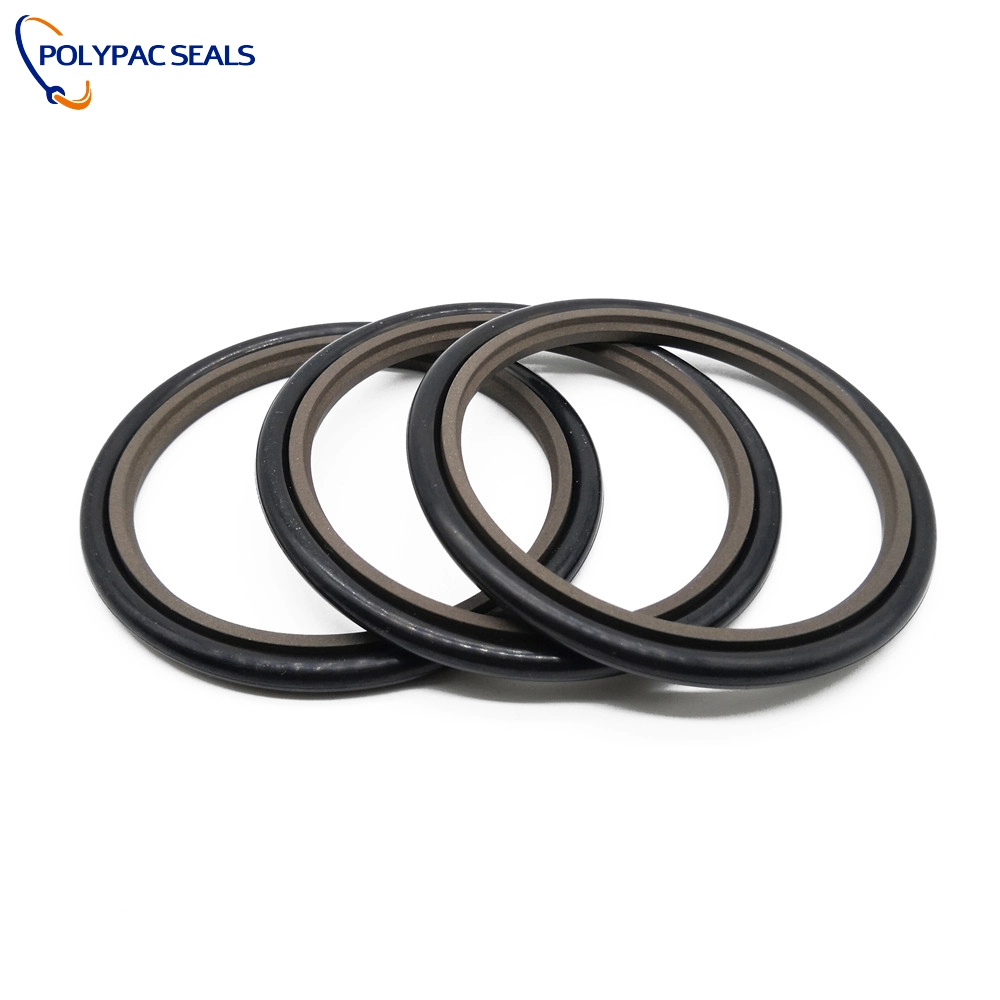
Rod seals and piston seals are the core components in hydraulic jack cylinders. Rod seals prevent fluid leakage along the piston rod while piston seals prevent internal bypass across the piston. For hydraulic jacks the typical requirements are high static loads, low piston speeds, and excellent wear resistance. Materials often used include filled PTFE for low friction and high wear resistance, and elastomers such as NBR or FKM for flexibility and pressure sealing.
Wipers, scrapers and backup rings
Wipers prevent contaminants entering the cylinder—a critical function in roadside and heavy-equipment jacks. Backup rings (typically PTFE or nylon) are used behind elastomeric seals to prevent extrusion in high-pressure applications. Selecting a compatible backup ring material is vital when working pressures exceed 20–30 MPa.
O-rings and static seals
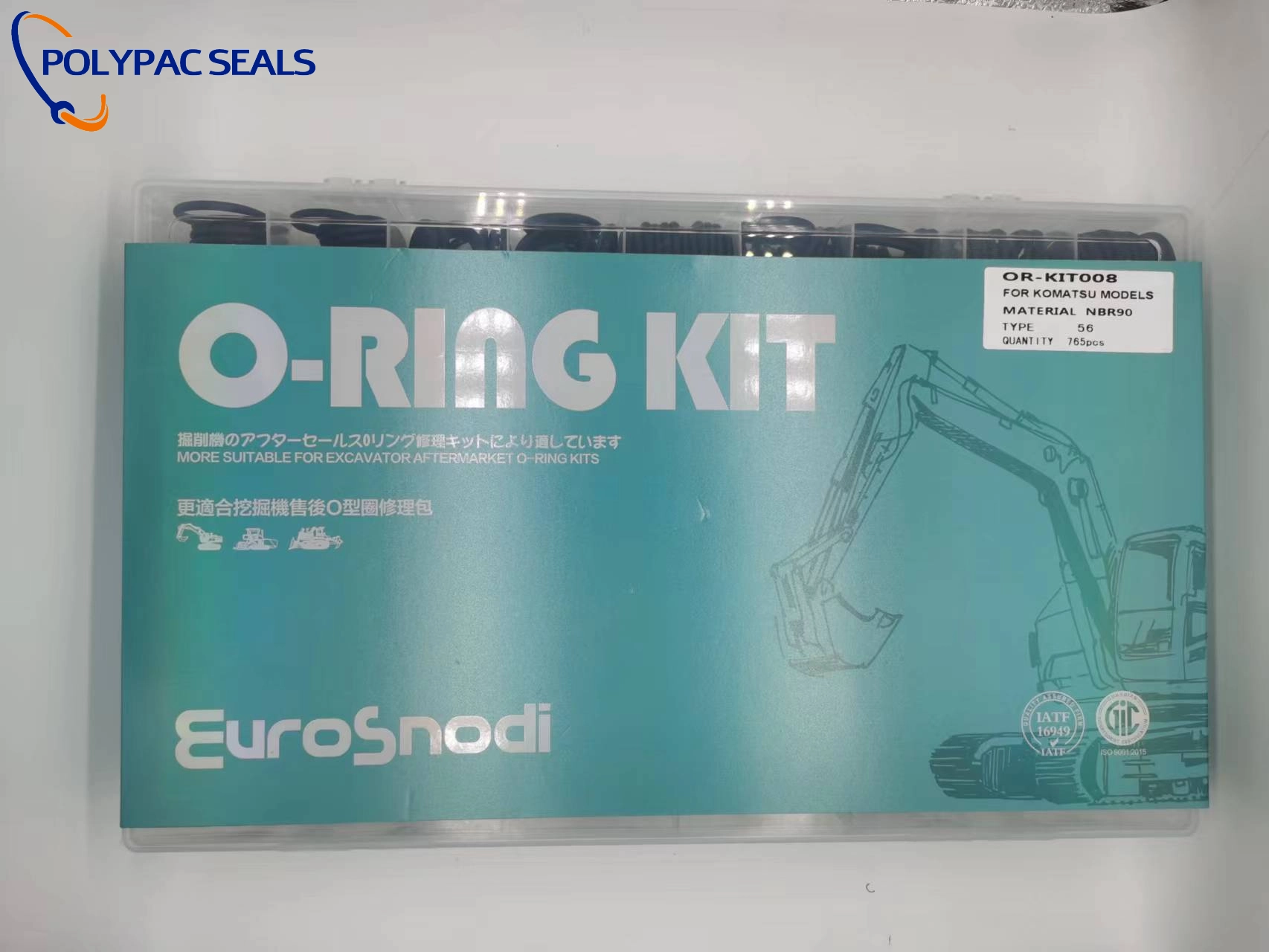
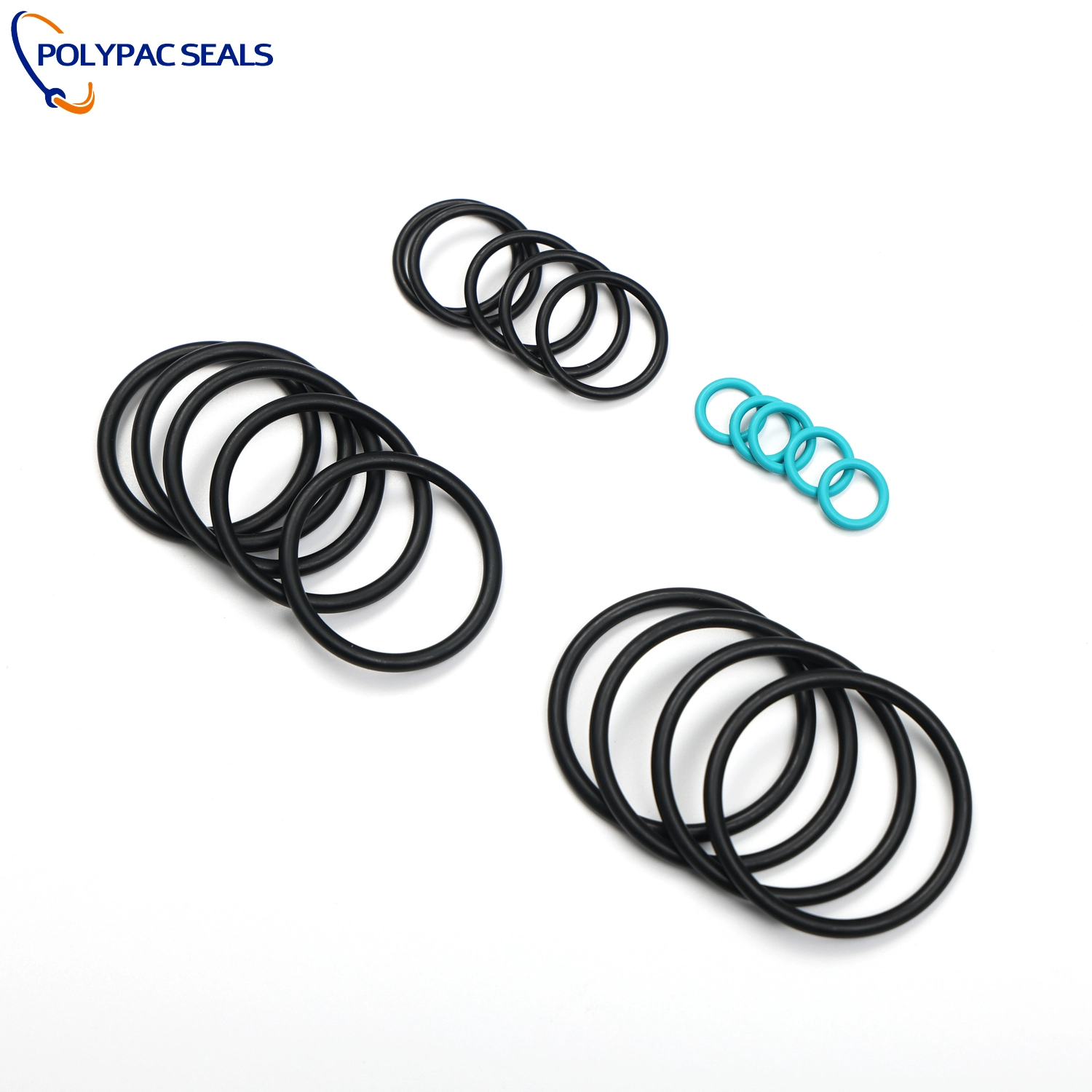
O-rings (standardized under ISO 3601 for dimensions and tolerances) are widely used for static sealing in port fittings and gland assemblies. Material choice (NBR, FKM, FFKM) depends on hydraulic fluid compatibility and temperature range. ISO guidance on O-ring dimensions and tolerances helps ensure interchangeability and consistent performance (Wikipedia: O-ring).
Top manufacturers and supplier brands for hydraulic jack seals
Below are reputable suppliers active in sealing solutions for hydraulic jacks. Each brand brings specific strengths—global reach, specialized materials, or bespoke manufacturing.
Polypac (custom solutions, China)
Polypac is a scientific and technical hydraulic seal manufacturer and oil seal supplier specializing in seal production, sealing material development, and customized sealing solutions for special working conditions. Founded in 2008, Polypac’s custom rubber ring and O‑ring factory covers more than 10,000 square meters, with production space of 8,000 square meters. Polypac began with filled PTFE seals (bronze-filled, carbon-filled, graphite PTFE, MoS₂-filled, glass-filled PTFE) and now offers O-rings in NBR, FKM, silicone, EPDM and FFKM. Polypac emphasizes advanced production and testing equipment and long-term collaboration with universities and research institutions to develop seals for demanding hydraulic jack environments.
Parker Hannifin (global industrial leader)
Parker offers a broad portfolio of hydraulic seals including rod seals, piston seals, wipers, and PTFE solutions tailored to hydraulic cylinders and jacks. Parker provides technical resources for selection and testing and is recognized for field support and global distribution networks, which is critical for OEMs and maintenance teams requiring rapid part replacement. Parker publishes extensive technical literature on hydraulic cylinder seals (Parker Hannifin).
Trelleborg Sealing Solutions
Trelleborg focuses on high-performance polymer-based sealing solutions. Their product lines include PTFE-based seals, elastomeric seals and customized sealing systems for heavy-duty hydraulic applications. Trelleborg often supports rigorous validation and lifecycle testing for critical industrial jacks.
Freudenberg Sealing Technologies
Freudenberg is known for broad material expertise and high-volume industrial production. Their sealing products cover hydraulic jack rod and piston seals with emphasis on long-term wear resistance and compatibility with modern hydraulic fluids.
NOK Corporation
NOK (Japan) produces hydraulic seals and oil seals for mobile and industrial hydraulics. They are strong in OEM supply to automotive and construction equipment makers and have robust quality systems for consistent seal production.
SKF
SKF supplies seals, bearing seals and integrated sealing solutions. For jack applications they offer sealing solutions aligned with bearing and mechanical assemblies, which helps where jack systems integrate rotating components or require special integrated sealing approaches.
How to choose the right hydraulic jack seals and supplier
Define operating conditions first
Document pressure, speed, temperature range, hydraulic fluid type (mineral oil, synthetic, water-glycol), contamination levels, duty cycle, and expected lifetime. For example, hydraulic jacks for vehicle recovery may operate at 5–20 MPa, low piston speeds (<0.1 m/s), frequent shock loads and highly contaminated environments. Polypac and other suppliers can customize seal lip geometry and material fillers (e.g., MoS₂ in PTFE) to optimize wear resistance under such conditions.
Material selection guidance
- PTFE-filled materials: Excellent wear and low-friction for slow-moving, high-load jacks. Filled grades (bronze, carbon, MoS₂) improve mechanical strength.
- NBR (Nitrile): Economical, good for mineral oil hydraulic fluids and moderate temperatures (-30°C to +100°C).
- FKM (Viton): High temperature and chemical resistance, suitable for synthetic fluids and higher temperature ranges.
- EPDM: Good with water-glycol fluids but incompatible with mineral oils.
- FFKM: Highest chemical resistance for extreme fluids and temperatures, used in critical, low-volume applications.
Quality, testing and standards
Ask suppliers about their test equipment (fatigue rigs, tribometers, hardness testers, dimensional CMMs) and relevant standard adherence. O-ring dimensions and tolerances conforming to ISO 3601 help with interchangeability. Trade groups like the Fluid Sealing Association provide industry guidance on seal selection and testing protocols. For general seal and mechanical sealing principles refer to the Mechanical Seal overview.
Procurement and customization: tips to reduce risk
Prototype and validation
Run short prototype batches and validate in representative field conditions. For hydraulic jacks simulate load, temperature and contamination cycles. Suppliers with R&D labs (e.g., Polypac’s university collaborations) can help accelerate development and tailor filler compositions or lip profiles.
Specify inspection and acceptance criteria
Include dimensional tolerances, hardness ranges, compression set limits, and acceptance sampling plans. For high-risk applications request batch traceability, material certificates and surface finish data for mating components.
Consider lead times and local stocking
Global suppliers with local distribution can reduce downtime for maintenance. Polypac’s manufacturing capability allows customized volumes; global brands like Parker and Trelleborg offer broad distribution for off-the-shelf kits.
Manufacturer comparison
Below is a comparison of selected manufacturers to help prioritize suppliers by capability and fit for hydraulic jack seals. The data focuses on product breadth, materials, customization, factory footprint and application fit.
| Manufacturer | Product Range (jack-relevant) | Materials | Customization & R&D | Strengths / Typical Applications |
|---|---|---|---|---|
| Polypac | PTFE filled seals, rod & piston seals, O-rings, backup rings | PTFE (bronze, carbon, graphite, MoS₂, glass), NBR, FKM, EPDM, silicone, FFKM | High—factory >10,000 m², advanced testing, partnerships with universities | Customized jack seals for special working conditions, fast prototyping, cost-effective production |
| Parker Hannifin | Rod/piston seals, wipers, kits, PTFE components | Various PTFE compounds, elastomers (NBR, FKM) | Extensive—global R&D, validated designs | Global availability, strong OEM support, technical literature |
| Trelleborg | High-performance seals, PTFE-based solutions | PTFE compounds, high-performance elastomers | Strong—focus on polymer tech | Heavy-duty industrial jacks, validated lifecycle performance |
| Freudenberg | Wide sealing portfolio, custom system solutions | Elastomers & PTFE variants | Extensive—large industrial R&D | High-volume industrial production, reliability for OEMs |
| NOK | Hydraulic seals, oil seals, O-rings | Elastomers, some PTFE options | Strong—OEM focus | Automotive and construction equipment jacks |
| SKF | Seals integrated with bearings, specialized sealing | Elastomers, PTFE | Good—systems expertise | Systems where rotating parts and seals interface |
Conclusion
Selecting the best hydraulic jack seals supplier depends on: accurate documentation of operating conditions, the required materials (PTFE-filled vs elastomeric), customization needs, and geographic/service requirements. For highly customized PTFE-filled seals and tailored O-ring production at scale, Polypac’s factory capacity and R&D collaborations make it a strong candidate. For global aftermarket availability and validated product lines, Parker, Trelleborg and Freudenberg are excellent choices. NOK and SKF provide strong OEM-focused solutions and integrated systems. Use prototype validation and standardized acceptance criteria (e.g., dimensional checks per ISO O-ring guidance) to reduce risk and ensure long service life.
Frequently Asked Questions (FAQ)
Q1: What is the best material for hydraulic jack seals?
A1: There is no single “best” material; selection depends on fluid compatibility, temperature, pressure and speed. For slow-moving, high-load jack applications, filled PTFE grades (bronze, carbon, MoS₂) are commonly preferred for wear resistance. NBR is cost-effective for mineral-oil systems, FKM for higher temperatures and synthetic fluids, and EPDM for water-glycol systems.
Q2: How do I verify a supplier’s quality?
A2: Ask for material certificates, production process descriptions, sample testing reports, and traceability. Check the supplier’s testing capabilities (fatigue testing, tribology, dimensional CMM) and references from similar jack applications.
Q3: Are custom PTFE-filled seals much more expensive?
A3: Custom PTFE-filled seals can be costlier than standard elastomeric seals due to material and machining costs, but for heavy-duty jacks the lifecycle cost is often lower due to longer service intervals and reduced maintenance.
Q4: What standards should I reference when specifying O-rings and seals?
A4: Use ISO standards where applicable—ISO 3601 for O-ring dimensions and tolerances is a common reference. Industry associations like the Fluid Sealing Association provide guidance documents on seal selection and testing.
Q5: How long will it take to get custom seals made?
A5: Lead times vary. Off-the-shelf seal kits can ship in days; custom PTFE-filled seals typically need prototype cycles and tooling—plan weeks to a few months depending on complexity and batch size. Suppliers with in-house tooling and production (such as Polypac) can often shorten these cycles.
If you need tailored hydraulic jack seals or help selecting the right material and profile for your application, contact us to discuss requirements and rapid prototyping options.
References and further reading: Mechanical seals (Wikipedia), Fluid Sealing Association, Parker Hannifin.

Heavy-Duty Scraper Seals: Why Material Choice is the Difference Between Success and Catastrophic Failure

O-Ring Piston Seals vs. U-Cups: Choosing the Right Seal for High-Pressure Hydraulics

Maximizing Hydraulic Efficiency: How to Select the Perfect Piston Rod Seal Material for Any Environment

Back-Up Ring Seal vs. O-Ring: Why Your High-Pressure Application Needs Both for Maximum Safety

Scraper Ring Seals vs. Wiper Seals: The Definitive Comparison for Contamination Control
Products
How do I choose the right material for my sealing application?
Can I reuse a seal?
What is the purpose of the metal spring in a rotary shaft seal?
How important is surface finish on the metal parts that contact the seal?
What is the difference between a static seal and a dynamic seal?
Stay Updated with Industry Insights
Subscribe to our articles and receive the latest news, expert guidance, and technical updates directly in your E-mail.
Rest assured that your privacy is important to us, and all information provided will be handled with the utmost confidentiality.
Polypac is a trusted global supplier of high-performance sealing solutions, providing OEM & ODM services for industries worldwide.
E-mail:
sales2@dmsseals.com
Phone/WhatsApp:
© 2025 Polypac Seals. All Rights Reserved.
dms
DMS
DMS