












How to Choose Piston Seal Materials for Food and Pharma
Selecting Hygienic Piston Seal Materials for Food and Pharmaceutical Use
Why the right piston seal material matters for food & pharma piston seal material selection
Choosing the correct piston seal material is critical when designing hydraulic or pneumatic actuators used in food processing, pharmaceutical manufacturing, or packaging. A wrong selection risks product contamination, premature failure, increased downtime, and regulatory non-compliance. The ideal piston seal material balances chemical resistance, sterilization tolerance, low extractables, mechanical wear resistance, and low friction while meeting food-contact or medical-grade approvals where necessary.
Regulatory & compliance considerations when specifying piston seal material
Before evaluating mechanical properties, confirm regulatory requirements. Food and pharmaceutical environments usually demand materials that comply with one or more of the following:
- FDA food contact guidance (21 CFR and Food Contact Substances notifications) for materials intended to contact food. (See references)
- EU regulations such as Regulation (EC) No 1935/2004 and Commission Regulation (EU) No 10/2011 for plastics — relevant when components may contact food under EU jurisdiction.
- Biocompatibility standards (e.g., USP Class VI or ISO 10993) for seals used in contact with pharmaceutical products or medical devices.
- Internal supplier declarations of conformity, extractables & leachables testing, and cleanroom manufacturing documentation for high-risk applications.
Always request certificates and test reports from suppliers: FDA/EU declarations, extractables/leachables (E&L) studies, and sterilization-cycle compatibility tests.
Key performance criteria for piston seal material in hygienic environments
When comparing piston seal material options, evaluate these technical criteria:
- Chemical compatibility with cleaning agents, solvents, sanitizers, product formulations and lubricants.
- Temperature resistance for process and sterilization cycles (CIP = Cleaning-in-Place, SIP = Sterilization-in-Place, autoclave, steam, gamma).
- Wear resistance and abrasion behavior under dynamic reciprocating motion.
- Compression set and sealing reliability over lifecycle.
- Coefficient of friction and tendency to cause sticking or drag in low-speed pistons.
- Permeability and tendency to absorb liquids (affects extractables/leachables).
- Cleanability and surface finish — smooth, non-porous materials are preferred to prevent microbial harboring.
Material options overview: which piston seal material to consider
Common piston seal material candidates for food and pharma applications include PTFE (and filled PTFE variants), polyurethane (PU), perfluoroelastomers (FFKM), EPDM, silicone, and nitrile-based elastomers (NBR/HNBR). The right choice depends on the specific environment; below is a concise material-by-material summary followed by a comparison table.
Material-by-material summary for piston seal material
- PTFE (Polytetrafluoroethylene, including filled PTFE): Excellent chemical resistance, very low friction, high temperature tolerance, and low extractables when virgin PTFE is used. Filled PTFE (bronze, carbon, graphite, MoS2, glass) improves wear resistance and mechanical support; selection depends on product and CIP/SIP demands. PTFE is inert and often acceptable for food contact, but surface finish and design (no elastomeric memory) matter.
- Polyurethane (PU): Outstanding abrasion resistance and elasticity under dynamic reciprocation; commonly used for hydraulic piston seals. However, conventional PU may be sensitive to certain sanitizers and high-temperature sterilization; food-grade or specially formulated PU with approvals is required.
- FFKM (Perfluoroelastomer): Top-tier chemical and temperature resistance with low extractables. FFKM is expensive but offers the best broad-spectrum resistance to aggressive cleaning agents, steam, and solvents — suitable for highest-risk pharma contact points.
- EPDM: Good resistance to hot water, steam, and many alkali cleaners; widely used in food processing for seals exposed to steam and hot water. Poor resistance to petroleum oils.
- Silicone: Excellent temperature range and cleanability; low toxicity and good steam autoclave resistance. However, silicone has poor abrasion resistance and higher gas permeability; not ideal for high-pressure hydraulic pistons unless reinforced.
- NBR / HNBR: NBR (nitrile) and HNBR (hydrogenated nitrile) offer good mechanical properties and oil resistance. NBR is widely used in hydraulic systems but has limited resistance to hot water/steam and some sanitizers; HNBR improves high-temperature performance.
Comparative table: piston seal material properties at a glance
| Material | Typical Temp Range (°C) | Chemical/Cleaner Resistance | Wear/Reciprocating Performance | Food/Pharma Approvals | Recommended Use |
|---|---|---|---|---|---|
| PTFE (virgin) | -200 to +260 | Excellent to most chemicals and strong acids; inert | Low friction; poor elasticity; needs backup/energizer | Many PTFE grades acceptable for food contact (verify supplier) | Low friction pistons, high-temp CIP/SIP lines, product-contact seals |
| Filled PTFE (bronze, carbon, glass, MoS2) | -140 to +250 | Excellent; specific fillers improve wear | Improved wear vs virgin PTFE; choose filler per application | Many are acceptable; confirm extractables | High-wear reciprocating pistons where PTFE surface needed |
| Polyurethane (PU) | -30 to +100 (special grades to +120) | Good vs oils; variable vs sanitizers/oxidizers | Excellent abrasion resistance and dynamic life | Food-grade PU available; request compliance docs | High-pressure hydraulic pistons with abrasive wear |
| FFKM (perfluoroelastomer) | -15 to +325 | Outstanding; resistant to virtually all cleaners/solvents | Good elasticity and long life; expensive | Medical- and pharma-grade FFKM available | Critical pharma product-contact seals and sterilizable systems |
| EPDM | -50 to +150 | Excellent to hot water/steam/alkaline cleaners; poor oil resistance | Moderate; good sealing for static and low-dynamic use | Commonly used in food industry; verify grade | Steam-cleaned equipment, hot water CIP systems |
| Silicone | -60 to +230 | Good to steam and many cleaners; poor wear resistance | Poor abrasion; not ideal for high-pressure reciprocating pistons | Frequently used in medical and food-contact applications | Gaskets, static seals, low-speed piston with protective design |
| NBR / HNBR | NBR: -40 to +120; HNBR: -30 to +150 | Good to oils and hydraulic fluids; limited steam resistance | Good mechanical strength and wear; HNBR improves temp tolerance | Food-grade nitriles exist; check for extractables | Hydraulic pistons using petroleum-based fluids; non-sterile zones |
Design and installation tips tied to piston seal material choice
Material choice alone is not sufficient. Design and installation strongly affect performance:
- Use proper energizers or spring-energized PTFE designs where elasticity and sealing recovery are required.
- Optimize surface finish (Ra) of mating rod/cylinder: smoother finishes reduce wear and particle generation. Typical Ra targets for PTFE seals are 0.2–0.6 µm depending on application.
- Ensure appropriate gland design to avoid extrusion, particularly with soft elastomers under high pressure; back-up rings can prevent extrusion into clearances.
- Consider double-seal arrangements with drain or vacuum between seals for critical product-contact isolation.
- Specify installation tools and training to avoid nicking soft seals which will cause early failures and contamination risks.
Cleaning, sterilization, and extractables: what to test for your piston seal material
Ask suppliers for documented testing covering:
- CIP/SIP cycle compatibility (e.g., repeated exposure to 80–121°C steam, common caustic cleaners, peracetic acid, hydrogen peroxide).
- Extractables & leachables (E&L) studies relevant to contact duration, temperature and product composition.
- Bioburden and cleanability assessments for surface porosity and microbial harborage risk.
- Compression set testing (ASTM D395) and dynamic cycling life under representative loads.
Where pharmaceutical product contact is possible, insist on USP/ISO-biocompatibility reports and sterilization validation cycles that mirror your process.
Cost vs performance: selecting the optimal piston seal material for your budget and risk tolerance
High-performance elastomers such as FFKM or specialty-filled PTFE offer the lowest risk in aggressive clean/sterilization regimes but at greater cost. Conversely, standard NBR or silicone may be attractive on cost but introduce higher lifecycle risk in pharma environments. A pragmatic approach:
- Map contact risk: Will the seal contact product? Is failure likely to contaminate product?
- Define sterilization regimes and chemical exposure.
- Choose the minimum-cost material that meets regulatory and sterilization demands with acceptable lifecycle costs (including downtime and replacement frequency).
Supplier selection and technical support: what to require from a piston seal material vendor
Choose suppliers who can deliver not only materials but documented evidence and technical support:
- Material safety data sheets and food-contact declarations.
- E&L and CIP/SIP compatibility test reports.
- Ability to produce custom compounds or filled PTFE optimized for your working conditions.
- Cleanroom manufacturing, traceability, and long-term R&D cooperation for evolving needs.
How Polypac supports piston seal material selection and customized sealing solutions
Polypac is a scientific and technical hydraulic seal manufacturer and oil seal supplier specializing in seal production, sealing material development, and customized sealing solutions for special working conditions. Polypac's custom rubber ring and O-ring factory covers an area of more than 10,000 square meters, with a factory space of 8,000 square meters. Our production and testing equipment are among the most advanced in the industry. As one of the largest companies in China dedicated to the production and development of seals, we maintain long-term communication and cooperation with numerous universities and research institutions both domestically and internationally.
Founded in 2008, Polypac began by manufacturing filled PTFE seals, including bronze-filled PTFE, carbon-filled PTFE, graphite PTFE, MoS₂-filled PTFE, and glass-filled PTFE. Today, we have expanded our product line to include O-rings made from various materials such as NBR, FKM, silicone, EPDM, and FFKM. Polypac's core product portfolio includes:
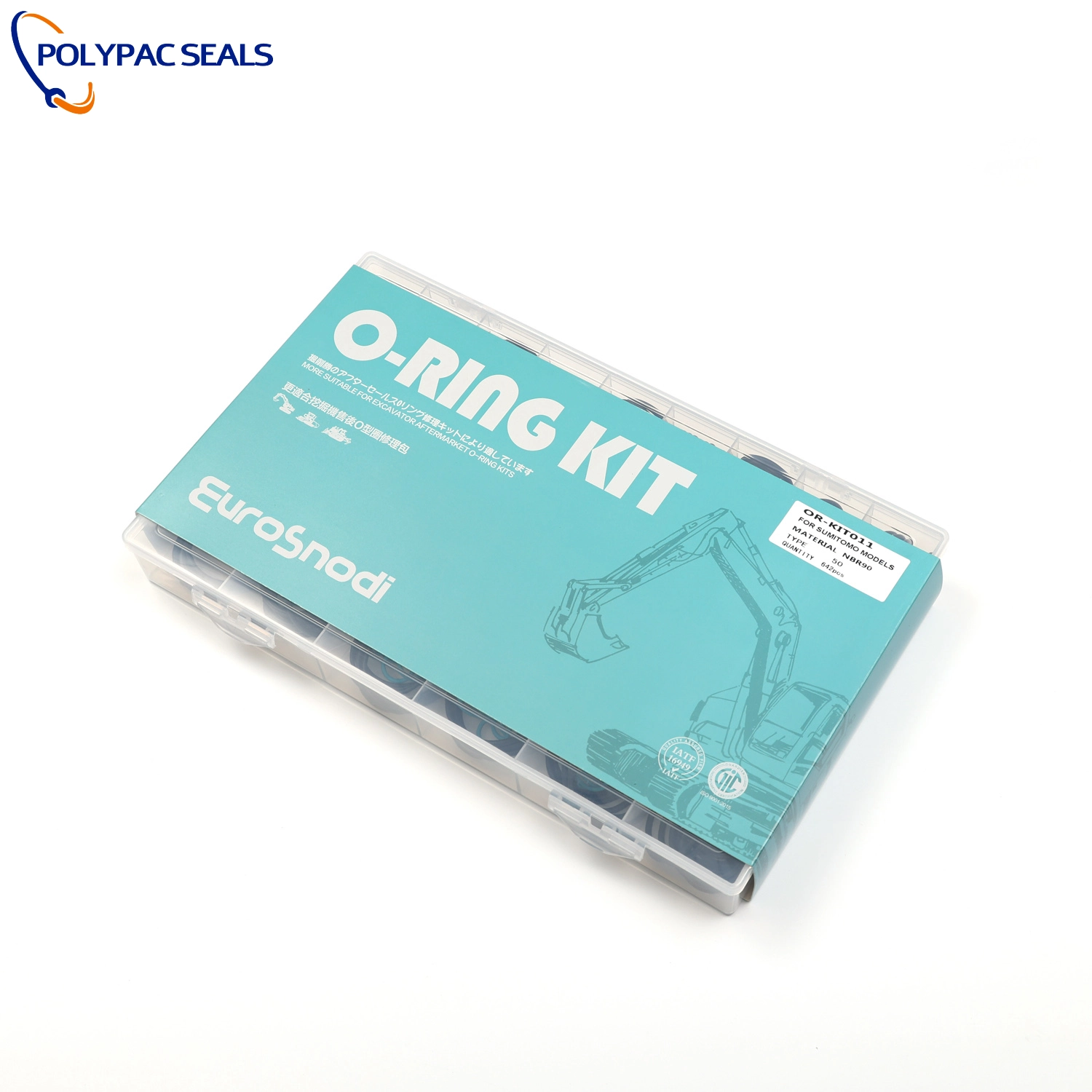
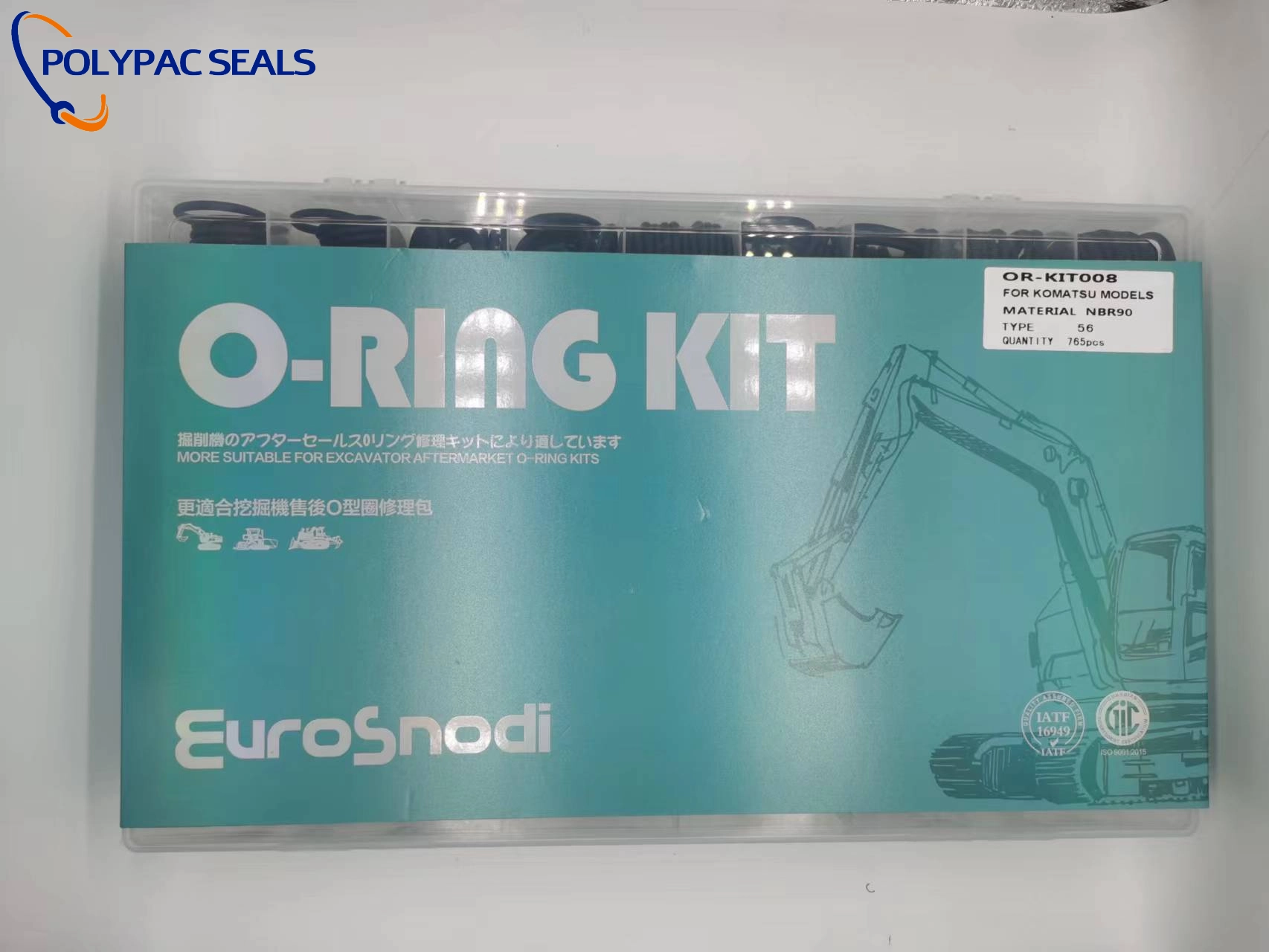
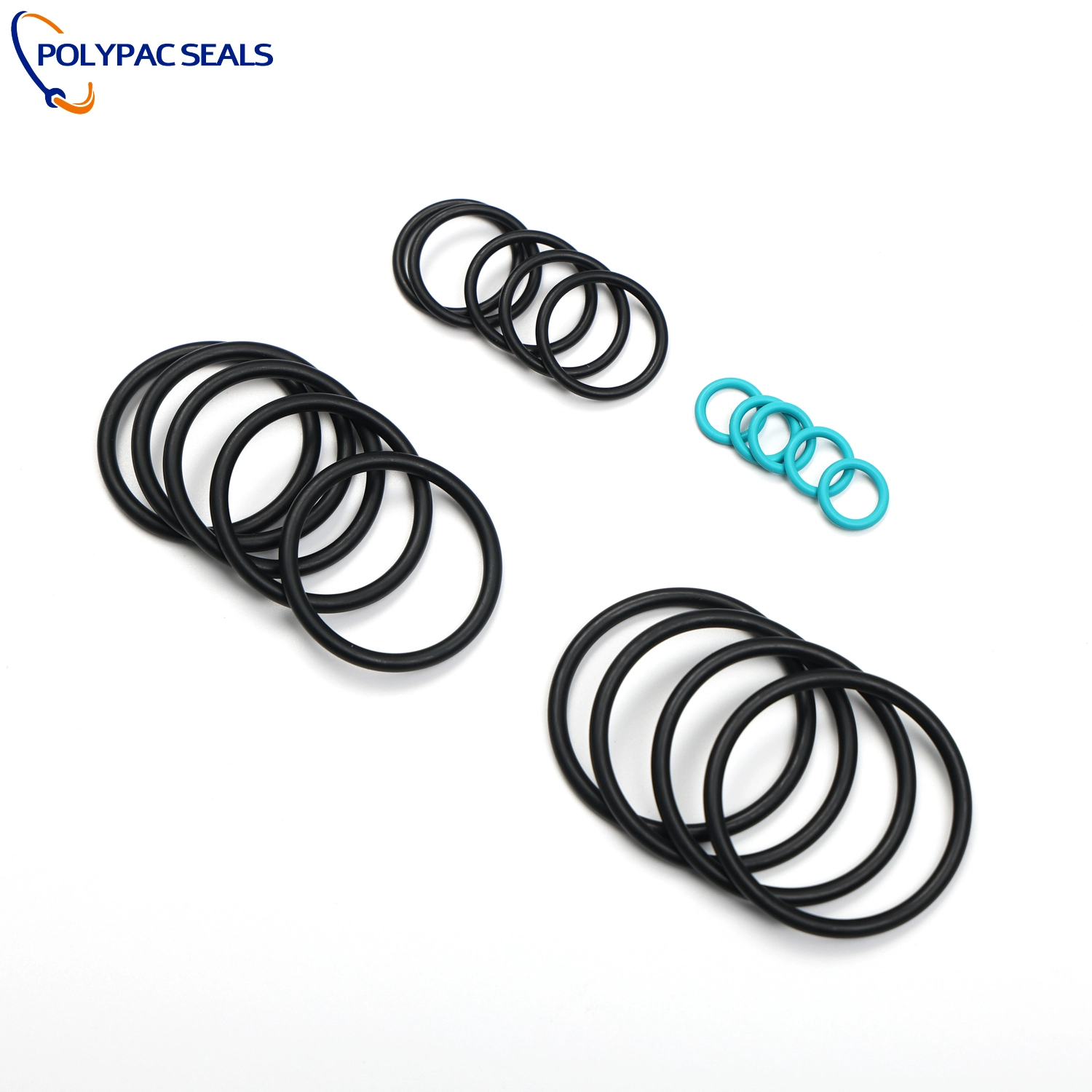
- O-Rings
- Rod Seals
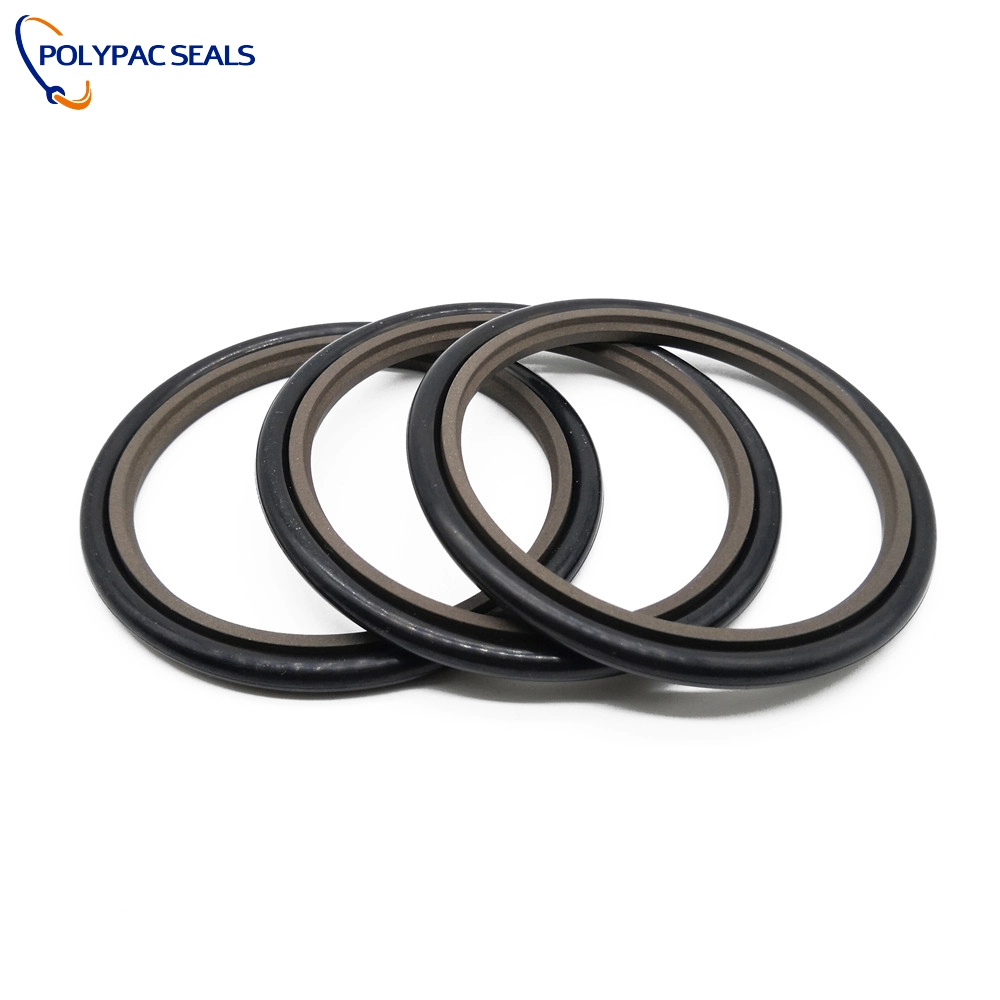
- Piston Seals
- End Face Spring Seals
- Scraper Seals
- Rotary Seals
- Back-up Rings
- Dust Ring
Polypac differentiates itself through deep technical capability in filled PTFE formulations and custom elastomer compounds, advanced testing facilities, and partnerships with academic and research institutions. This combination enables tailored piston seal material recommendations based on process chemistry, sterilization cycles, and mechanical demands — especially valuable for food and pharmaceutical customers seeking documented compliance and long-term product reliability.
Practical selection checklist for piston seal material in food & pharma applications
Use this quick checklist when choosing a piston seal material:
- Define contact risk and regulatory jurisdiction (FDA, EU, other).
- Identify process temperatures, pressures, and CIP/SIP regimes.
- List all chemicals, solvents and sanitizers in contact with the seal.
- Decide acceptable lifetime and maintenance interval.
- Request supplier E&L, CIP/SIP, and biocompatibility documentation.
- Consider filled PTFE or FFKM for highest chemical/sterilization resistance; PU/HNBR for abrasive or high-pressure mechanical duty.
- Document installation and inspection procedures for contamination control.
FAQ — Frequently asked questions about piston seal material selection
1. Which piston seal material is best for a piston that contacts product and undergoes daily CIP at 80°C?
If the seal contacts product and must survive daily CIP at 80°C with alkaline cleaners, EPDM or PTFE (virgin or appropriate filled PTFE) is often suitable. EPDM tolerates hot water and alkaline detergents well; PTFE provides superior chemical inertness and very low extractables but requires an appropriate energizer or backup. Confirm with E&L tests and supplier CIP compatibility reports.
2. Can polyurethane be used for high-pressure piston seals in food pistons?
Yes — PU is commonly used in high-pressure hydraulic pistons because of its excellent abrasion resistance. For food applications, use a food-approved PU compound and verify resistance to the specific sanitizers and temperatures used. If the seal will be exposed to frequent steam sterilization, consider alternatives (e.g., FFKM or filled PTFE) or protective design features.
3. What is the role of filled PTFE (bronze, carbon, MoS₂) for piston seal material selection?
Filled PTFE blends combine PTFE’s chemical inertness and low friction with improved wear resistance and compressive strength from fillers. The choice of filler depends on wear, load, and friction requirements. For food/pharma, ensure the filler and processing route do not increase extractables and that compliance documentation is provided.
4. Is FFKM overkill for most food industry piston seals?
FFKM is expensive but may be justified in pharmaceutical or aseptic food processes where exposure to aggressive sterilants, high-temperature steam cycles, or solvents would quickly degrade conventional elastomers. For lower-risk food processing, well-selected EPDM, PTFE or HNBR may be sufficient and more cost-effective.
5. How important are extractables & leachables testing for piston seals?
Very important when seals contact product or are in zones where leachables could contaminate product. E&L studies quantify potential migrant compounds under worst-case conditions. Regulatory bodies and pharma customers often require documented E&L analysis before approving components.
6. How should I engage a seal supplier when selecting piston seal material?
Provide the supplier with a detailed process description: fluids, temperatures, pressures, sterilization cycles, expected life, and regulatory constraints. Ask for suggested materials, prototype samples, test reports (CIP/SIP, E&L, dynamic life), and traceability documentation. Prefer suppliers that offer custom compound development and lab testing.
Contact & product information — request consultation or samples
If you need help selecting the optimal piston seal material for your food or pharmaceutical application, Polypac can assist with custom material development, testing, and small-batch prototypes. Contact Polypac’s technical team to discuss your process conditions and request material data sheets, compliance documentation, or sample piston seals. View Polypac products and request a quote for O-Rings, Rod Seals, Piston Seals, End Face Spring Seals, Scraper Seals, Rotary Seals, Back-up Rings, and Dust Rings.
References & authoritative sources
- Electronic Code of Federal Regulations (eCFR) — Title 21 Food and Drugs. https://www.ecfr.gov/current/title-21 (accessed 2025-12-14).
- European Parliament and Council. Regulation (EC) No 1935/2004 on materials and articles intended to come into contact with food. https://eur-lex.europa.eu/eli/reg/2004/1935/oj (accessed 2025-12-14).
- European Commission. Commission Regulation (EU) No 10/2011 on plastic materials intended to come into contact with food. https://eur-lex.europa.eu/legal-content/EN/TXT/?uri=CELEX%3A32011R0010 (accessed 2025-12-14).
- USP — United States Pharmacopeia (general guidance on biological reactivity testing and material suitability). https://www.usp.org/ (accessed 2025-12-14).
- Trelleborg Sealing Solutions — Food & Pharmaceutical industry sealing solutions overview. https://www.trelleborg.com/en/seals (accessed 2025-12-14).
- Parson/Industry technical guidance: O-Ring Handbook and elastomer selection references (manufacturer technical manuals). Example: Parker O-Ring Handbook. https://www.parker.com (search: O-Ring Handbook) (accessed 2025-12-14).
- DuPont (Chemours) Teflon technical resources — PTFE chemical resistance and properties. https://www.chemours.com/en/our-company/brands/teflon (accessed 2025-12-14).
- ASTM D2000 — Standard Classification System for Rubber Products (Elastomers). https://www.astm.org/d2000-20. (accessed 2025-12-14).
For tailored recommendations, testing support, or product sampling, contact Polypac’s technical sales team to start a sealed-material selection project matched to your food or pharmaceutical process requirements.

High-Performance Pneumatic Piston Seals: How to Achieve Zero-Leakage Efficiency

PTFE vs. Composite: Choosing the Best Piston Guide Ring Material for High-Pressure Systems

Mastering O-Ring Gland Design: The Complete Guide for Perfect Sealing Performance

Advanced Back-Up Ring Materials: Beyond PTFE for Extreme Temperature Environments

PTFE vs. Urethane Scrapers: Which Material Truly Prevents Contamination?
Products
How can I prevent seal damage during installation?
How do I choose the right material for my sealing application?
What is the difference between NBR and FKM materials?
What does "AS568" mean?
What is the difference between a static seal and a dynamic seal?
Stay Updated with Industry Insights
Subscribe to our articles and receive the latest news, expert guidance, and technical updates directly in your E-mail.
Rest assured that your privacy is important to us, and all information provided will be handled with the utmost confidentiality.

Polypac is a trusted global supplier of high-performance sealing solutions, providing OEM & ODM services for industries worldwide.
E-mail:
Phone/WhatsApp:
© 2025 Polypac Seals. All Rights Reserved.
dms
DMS
DMS