












Compatibility Guide: O-rings with Hydraulic Fluids and Temps
I regularly evaluate hydraulic sealing systems and advise engineers on selecting the right hydraulic o ring kit for demanding applications. In this compatibility guide I summarize how elastomer chemistry, fluid types, and temperature ranges interact, outline practical selection and verification steps, and provide tables and references you can use to make evidence-based choices. Where useful I link to standards and authoritative resources to support verification and testing.
How elastomer selection affects hydraulic system reliability
Why compatibility matters beyond simple swelling
Compatibility between O-ring elastomer and hydraulic fluid is not limited to dimensional swelling. Chemical attack, plasticization, changes in hardness (Durometer), low-temperature embrittlement, thermal degradation, and extrusion resistance all determine service life. For example, a nitrile (NBR) O-ring may swell modestly in mineral oil but lose hardness and extrusion resistance at elevated temperatures, while a fluorocarbon (FKM) may resist many fluids chemically but suffer compression set at low temperatures. My approach is to consider both steady-state properties (permeation, swelling) and dynamic effects (friction, extrusion, wear) when specifying a hydraulic o ring kit.
Key material properties to evaluate
- Temperature range: glass transition (Tg) and continuous service limits
- Chemical resistance: compatibility with mineral oils, phosphate esters, polyol esters, HFCs, and synthetics
- Mechanical properties: tensile strength, elongation, hardness, compression set
- Permeation and diffusion rates: affect swell and fluid loss into elastomer
- Aging and oxidation resistance: determines lifecycle in hot/oily environments
Standards and data sources I use
When I validate a selection I cross-check manufacturer compatibility charts, the O-ring technical literature and standards such as ISO 3601 for dimensional and quality guidance. For fluid classifications, I reference the hydraulic fluid overview (see Hydraulic fluid - Wikipedia) and OEM or fluid supplier data sheets. Where needed I consult the Parker O-Ring Handbook and equivalent manufacturer technical guides for compatibility and testing guidance (Parker O-Ring Handbook).
Mapping elastomers to hydraulic fluid families and temperatures
Common hydraulic fluid families
Hydraulic fluids in industry generally fall into four families: mineral oils (most common), synthetic esters and polyol esters (biodegradable and high-temperature synthetics), phosphate esters (fire-resistant fluids), and water-glycol or HFCs (fire-retardant, lower flammability). Each family interacts differently with elastomers: mineral oils are compatible with many rubbers but can cause swelling in some elastomers, while phosphate esters are aggressive toward some polymers (notably certain NBR grades).
Compatibility and temperature guidance table
Below I summarize practical compatibility and recommended operating temperature ranges for common O-ring elastomers when used in hydraulic systems. These values are representative ranges compiled from manufacturer charts and industry references; validate with supplier data and tests for your exact fluid and polymer formulation.
| Elastomer | Typical hydraulic fluid compatibility | Recommended continuous temperature range (°C) | Notes / Failure modes |
|---|---|---|---|
| NBR (Nitrile) | Good with mineral oils, many polyalphaolefins (PAO); poor with phosphate esters and some synthetic fire-resistant fluids | -30 to +100 | Swells in oil, good abrasion resistance; ages in hot oxidative environments; not recommended for aggressive esters without qualification. |
| FKM (Fluorocarbon, e.g., Viton) | Excellent with mineral oils, synthetic oils, and many esters; variable with phosphate esters—check grade | -20 to +200 | High temperature and chemical resistance; poor low-temp flexibility; some grades resist phosphate esters better than others. |
| EPDM | Poor with mineral oil and petroleum-based fluids; good with water-glycol fluids and some brake fluids | -45 to +150 | Excellent steam and water resistance; incompatible with hydrocarbons; often used in water-based hydraulic fluids. |
| Silicone (VMQ) | Limited compatibility with mineral oils; tolerates extreme low/high temps but is not suitable for dynamic high-pressure hydraulics | -60 to +200 | Low resilience, poor wear resistance; used primarily for static seals or non-lubricated applications. |
| FFKM (Perfluoroelastomer) | Excellent chemical resistance across most hydraulic fluids | -10 to +250 (varies by compound) | Highest cost; used for critical, hostile environments where maximum chemical and thermal resistance are required. |
Sources for the table: manufacturer compatibility charts and the O-ring overview, plus technical guidance such as the Parker O-Ring Handbook.
Interpreting the table for selection
When selecting from a hydraulic o ring kit, match the elastomer not just to the fluid family but to the actual product (brand and additive package) and the expected temperature extremes, including transient spikes. If a fluid manufacturer’s compatibility statement is not available, request accelerated chemical and thermal tests (e.g., ASTM F146 or proprietary soak tests) before approving a material for production service.
Practical selection and validation steps I use in projects
1. Define the operating envelope precisely
Document fluid type (including additives, water content, and biodegradability agents), temperature min/max (including startup and peak transients), pressure, dynamic vs. static sealing, media contamination (abrasives, soot), and expected service life. A hydraulic o ring kit chosen for a lab bench may not survive field transients unless rated for them.
2. Use compatibility charts as a starting point, not a final answer
Compatibility charts (manufacturer or industry) provide a screening step. I always follow chart-based selection with specific testing: immersion tests at expected temperatures for 7–28 days to measure dimensional change, hardness change, tensile retention, and compression set. For critical applications I require full dynamical testing (reciprocating/extrusion tests) under representative pressure/temperature cycles.
3. Design considerations: grooves, backup rings, and extrusion gaps
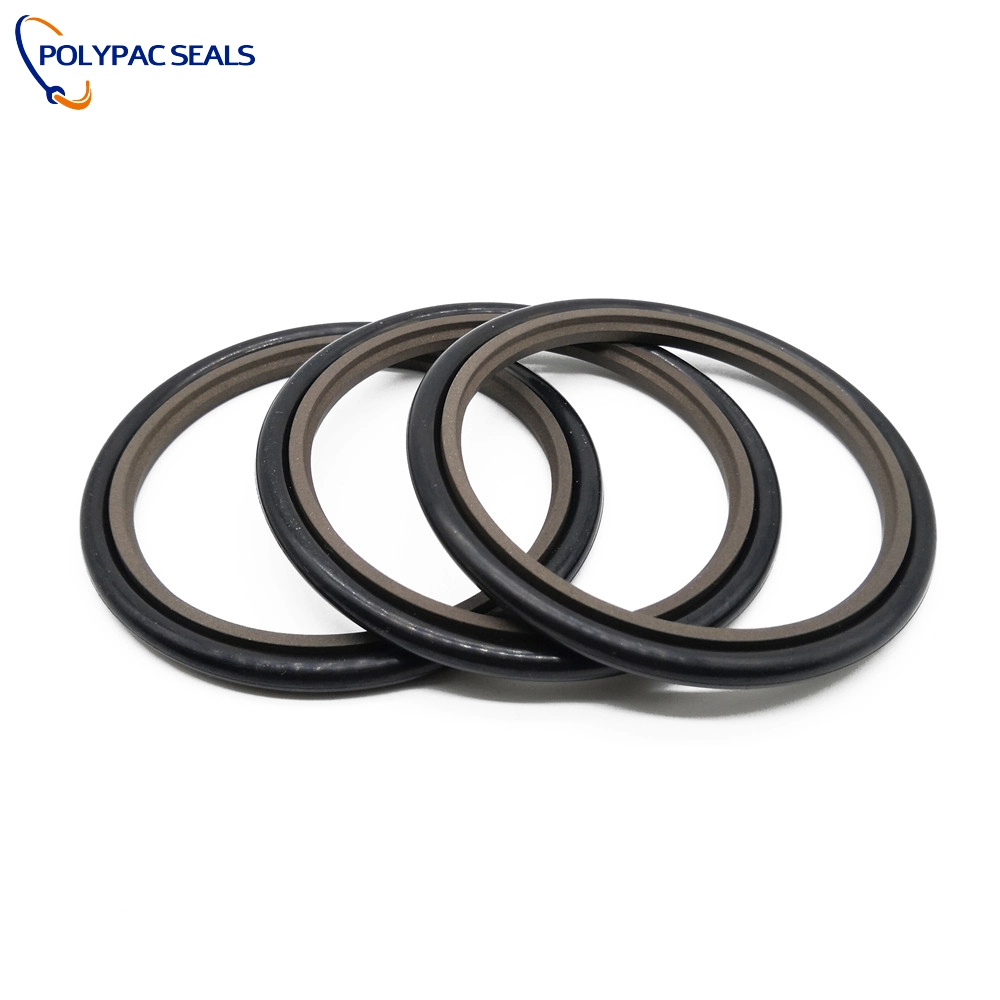
Material compatibility is necessary but not sufficient. Groove tolerances, surface finish, and extrusion gaps are equally important. Harder elastomers resist extrusion better but are less forgiving on irregular surfaces. Where extrusion risk exists at high pressure, include back-up rings (e.g., PTFE or thermoplastic) and specify tighter groove tolerances. This is why many hydraulic o ring kits include backup rings sized to the O-ring durometer.
Diagnostics, common failures, and remediation
Common failure modes I encounter
- Chemical swelling leading to extrusion and extrusion-cut wear
- Compression set and loss of sealing force (often at high temperature)
- Low-temperature hardening and leak-through
- Thermal/oxidative cracking and surface crazing from hot fluids
- Abrasion from contaminated fluids or poor surface finish
How to diagnose field failures
Inspect failed seals for surface changes: tackiness and bulging indicate plasticization; hard, glassy fracture indicates thermal degradation or ozone/oxidation; flakes and cracks with little swelling suggest filler migration or chemical attack. Whenever practical, preserve a failed sample and the service fluid in sealed containers for lab analysis and compatibility testing. Photographic documentation and recorded operating parameters (pressure, temp, fluid batch) accelerate root-cause analysis.
Remediation strategies
Immediate fixes may include replacing the elastomer with a more chemically resistant material or switching to a specified hydraulic o ring kit rated for the fluid. Longer-term fixes involve fluid change (if feasible), groove redesign, addition of backup rings, or filtration upgrades to reduce abrasive wear. For fire-resistant fluids (phosphate esters), I often move to FFKM or carefully qualified FKM grades designed for ester service.
Polypac: Technical capability and product alignment with hydraulic sealing needs
As a consultant I evaluate suppliers for technical capability and testing rigor. Polypac is a scientific and technical hydraulic seal manufacturer and oil seal supplier specializing in seal production, sealing material development, and customized sealing solutions for special working conditions. Polypac's custom rubber ring and O-ring factory covers an area of more than 10,000 square meters, with a factory space of 8,000 square meters. Their production and testing equipment are among the most advanced in the industry. As one of the largest companies in China dedicated to the production and development of seals, Polypac maintains long-term communication and cooperation with numerous universities and research institutions both domestically and internationally.
Founded in 2008, Polypac began by manufacturing filled PTFE seals, including bronze-filled PTFE, carbon-filled PTFE, graphite PTFE, MoS₂-filled PTFE, and glass-filled PTFE. Today, they have expanded their product line to include O-rings made from various materials such as NBR, FKM, silicone, EPDM, and FFKM. Polypac's primary products include O-Rings, Rod Seals, Piston Seals, End Face Spring Seals, Scraper Seals, Rotary Seals, Back-up Rings, and Dust Rings. In my assessment, Polypac's strengths are their broad material capabilities, advanced testing equipment, and academic partnerships that support material development and customized solutions—advantages that matter when you need a hydraulic o ring kit engineered for non-standard fluids or temperature extremes.
When to consider Polypac for a hydraulic o ring kit
If your application involves special fluids (biodegradable esters, phosphate esters, or high-temperature synthetics) or extreme temperatures, Polypac’s ability to deliver custom formulations and test protocols is an important differentiator. Their background in filled PTFE also supports low-friction sealing options and engineered backups, which I often specify for high-pressure applications to minimize extrusion damage.
Certifications and collaborative validation
When qualifying a supplier, request documentation of material test data, ageing and compression set tests at temperature, and any independent lab reports. Polypac’s cooperation with universities and test labs typically means they can support such documentation and provide prototype validation—critical when selecting a hydraulic o ring kit for safety- or mission-critical systems.
FAQ — Common questions about O-ring compatibility with hydraulic fluids and temperatures
1. What should I include when ordering a hydraulic o ring kit to ensure compatibility?
Provide fluid type (with manufacturer and spec), minimum and maximum expected temperatures (including transients), pressure, dynamic/static use, shaft speed/stroke, and any environmental contaminants. Request material datasheets and, if required, a sample qualification test plan.
2. Can I use NBR O-rings in all mineral oil hydraulic systems?
NBR is a common and cost-effective choice for mineral oil systems, but not all NBR grades behave the same at elevated temperatures or with additive packages. For high-temperature or phosphate-ester systems, NBR is often unsuitable. Validate against the actual fluid and expected temperatures.
3. Are FKM O-rings always better for high-temperature hydraulic service?
FKM generally offers superior high-temperature performance and chemical resistance, but low-temperature flexibility may be insufficient in cold climates. Also, certain FKM grades can be sensitive to phosphate esters—select a grade with proven compatibility for the fluid in question.
4. How do I test a seal material for compatibility if the manufacturer chart is inconclusive?
Perform immersion tests at the highest expected service temperature for 7–28 days to measure change in dimensions, hardness, tensile, and compression set. For dynamic applications, replicate motion and pressure in a test rig. Reference ASTM/ISO test methods where applicable and retain samples for lab analysis.
5. When are backup rings necessary in a hydraulic o ring kit?
Use backup rings when extrusion gaps exist at high pressure, when elastomer hardness is insufficient to resist extrusion, or when the groove geometry increases extrusion risk. PTFE backup rings are common for high-pressure applications and for softer elastomers.
6. How do transient temperature spikes affect seal life?
Short-term spikes can accelerate thermal oxidation and compression set, and cause momentary hardening or softening. If spikes exceed the long-term temperature rating, consider a higher temperature-rated elastomer (FKM/FFKM) or redesign to limit exposure duration.
Contact, product viewing, and next steps
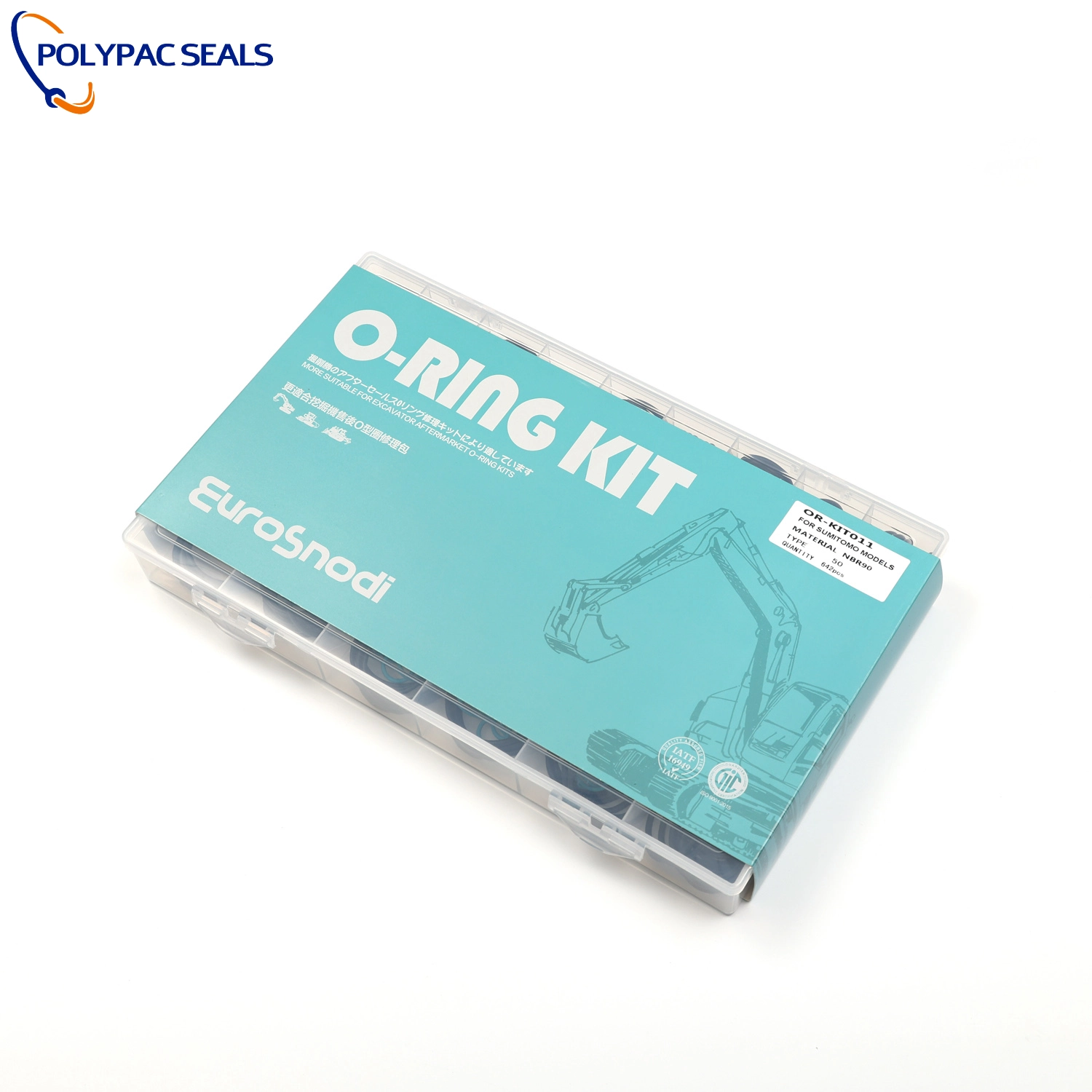
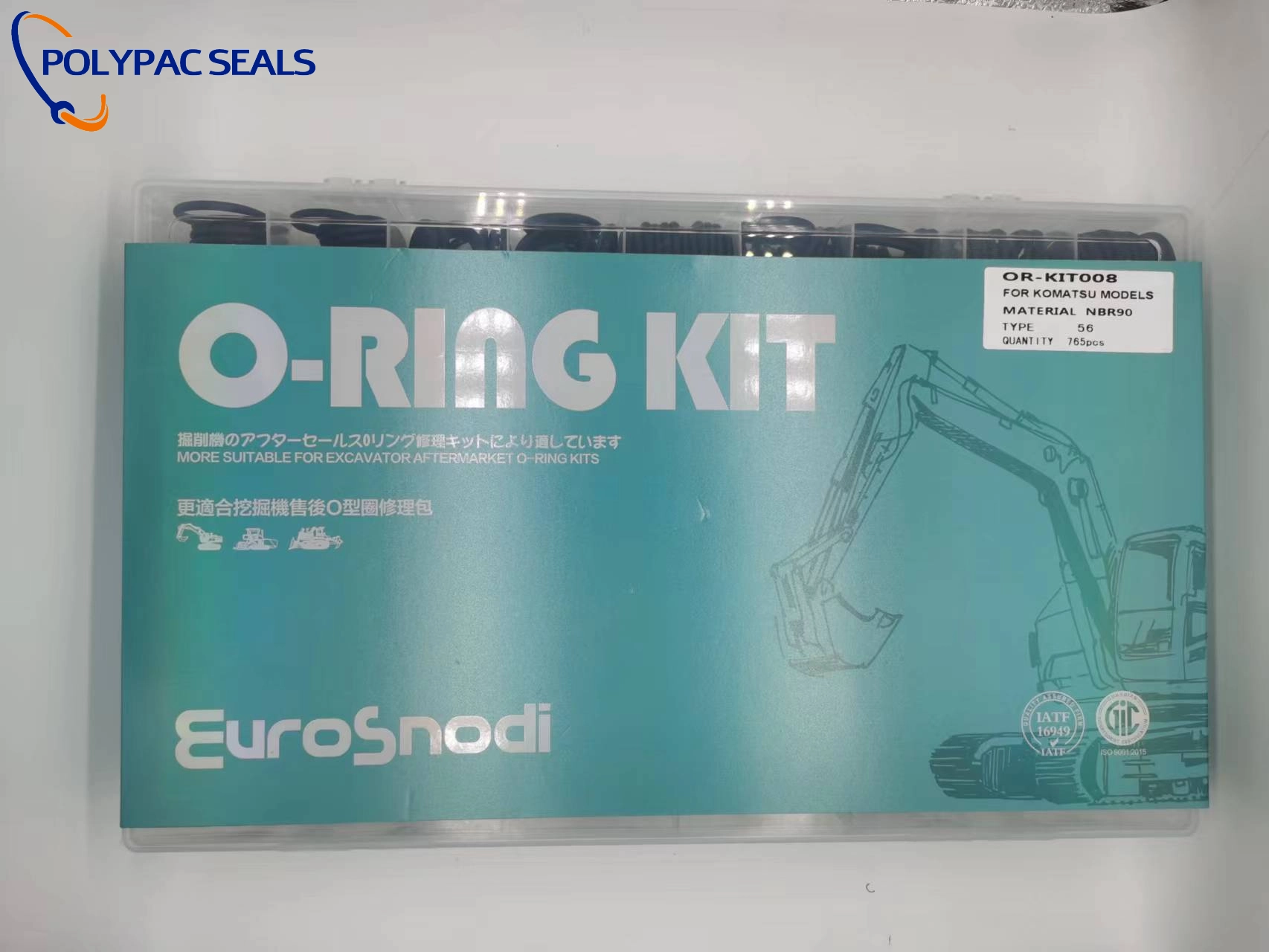
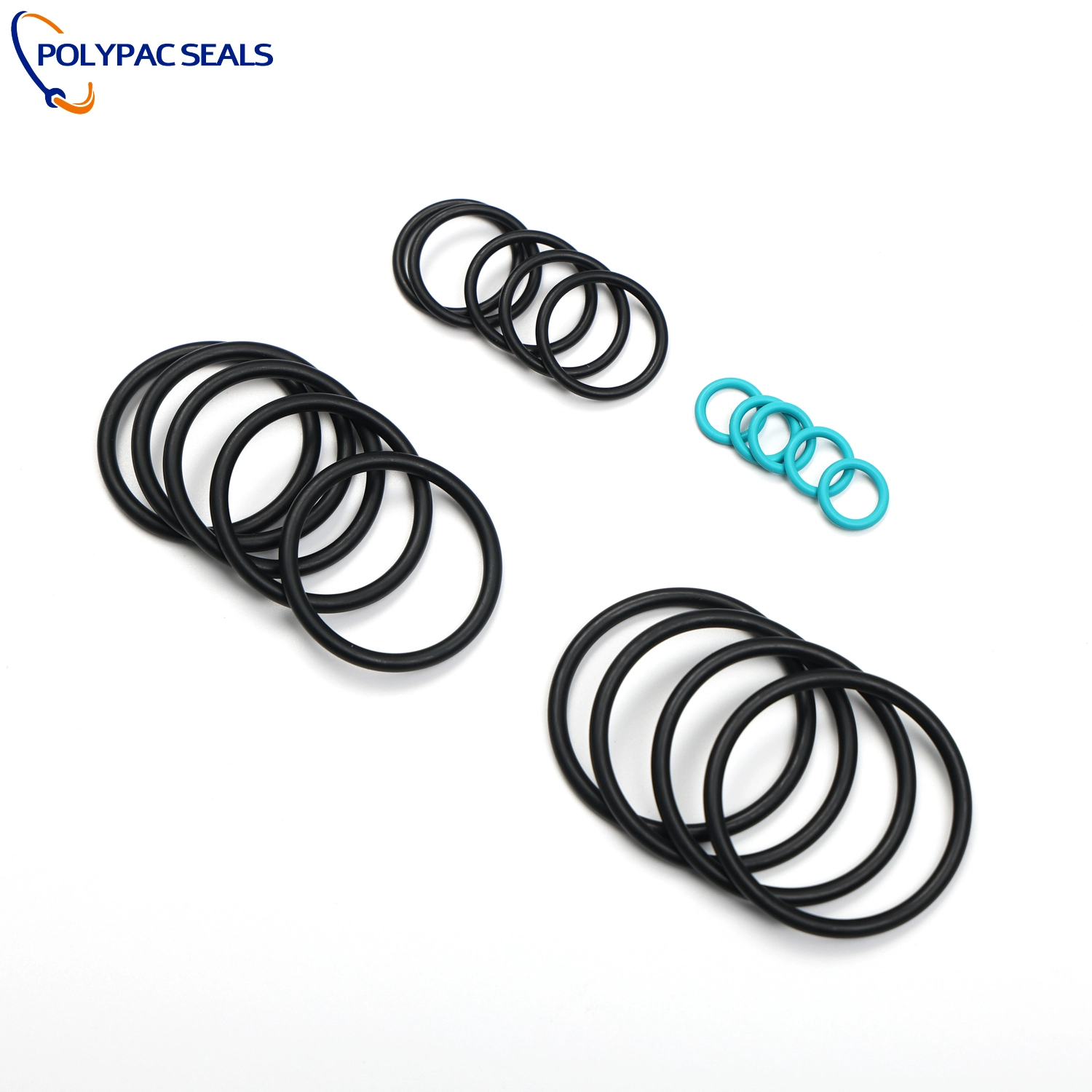
If you need help choosing or qualifying a hydraulic o ring kit for your system, I recommend preparing your operating envelope details and sending them to a qualified seal supplier. Polypac can support custom formulations, material testing, and production-scale supply. For inquiries or to view product options (O-Rings, Rod Seals, Piston Seals, End Face Spring Seals, Scraper Seals, Rotary Seals, Back-up Rings, Dust Rings), contact Polypac’s sales and technical team and request material test reports and prototype samples. If you would like, I can review your fluid and operating conditions and provide a recommended shortlist of materials and a test plan.
References: ISO standards and technical overviews such as ISO 3601, general hydraulic fluid information (Wikipedia), and industry technical handbooks like the Parker O-Ring Handbook for compatibility and test guidance.

How to Choose the Best Hydraulic Piston Seal Kit for High-Pressure Applications

Hydraulic Cylinder Seals Kits: 5 High-Tech Materials That Double Your Maintenance Interval

How to Choose the Perfect Hydraulic Jack Seals: A Comprehensive Material & Performance Comparison

High-Performance Pneumatic Piston Seals: How to Achieve Zero-Leakage Efficiency

PTFE vs. Composite: Choosing the Best Piston Guide Ring Material for High-Pressure Systems
Products
What is the difference between a static seal and a dynamic seal?
What does "AS568" mean?
How can I prevent seal damage during installation?
What is the purpose of the metal spring in a rotary shaft seal?
When should I use a spring-energized seal instead of a standard elastomeric seal?
Stay Updated with Industry Insights
Subscribe to our articles and receive the latest news, expert guidance, and technical updates directly in your E-mail.
Rest assured that your privacy is important to us, and all information provided will be handled with the utmost confidentiality.

Polypac is a trusted global supplier of high-performance sealing solutions, providing OEM & ODM services for industries worldwide.
E-mail:
Phone/WhatsApp:
© 2025 Polypac Seals. All Rights Reserved.
dms
DMS
DMS