












Custom PTFE Seal Manufacturing: Design and Lead Times
As a seal manufacturing consultant with decades of hands-on design and production experience, I describe how custom PTFE seals are specified, the performance trade-offs of different ptfe seal material formulations, and what influences realistic lead times from prototype to full production. I include verifiable references to material properties and industry practice to help procurement engineers and design teams plan cost, testing, and delivery.
Why material selection matters for sealing performance
Understanding PTFE and filled PTFE
Polytetrafluoroethylene (PTFE) is a semicrystalline fluoropolymer known for exceptional chemical resistance, low coefficient of friction, and wide temperature tolerance. The basic PTFE datasheet and polymer overview can be found on Wikipedia for quick reference (PTFE — Wikipedia).
In sealing applications we rarely use unmodified PTFE alone. Filled PTFE formulations—bronze-filled, carbon-filled, glass-filled, graphite-filled and MoS₂-filled—are common because they improve mechanical properties: wear resistance, compressive strength, and extrusion resistance. These composite materials retain PTFE's chemical and thermal advantages while improving dimensional stability under load.
Key material properties to compare
When I evaluate ptfe seal material choices for a custom seal, I focus on:
- Hardness and compressive creep (long-term set)
- Coefficient of friction and wear rate
- Chemical compatibility with process fluids
- Temperature range and thermal stability
- Extrusion resistance and backing (use of back-up rings)
These properties determine seal life more than nominal shore hardness in many PTFE applications because PTFE deforms and creeps differently from elastomers.
Design considerations for custom PTFE seals
Geometry: profile, tolerances, and surface finish
Seal geometry directly affects contact pressures, wear patterns, and leakage. In my projects I prioritize:
- Optimizing cross-section to distribute contact pressure and reduce edge stress
- Defining tolerance zones for groove width/depth and shaft/housing diameters—PTFE tolerances for molded or machined parts are different from elastomers
- Specifying mating surface finish and hardness—PTFE benefits from harder mating surfaces because its low friction can otherwise allow embedding particles
Typical groove tolerances should be documented in the drawing and validated with prototypes. If the seal is dynamic (rod/shaft), surface roughness (Ra) and roundness directly influence leakage and wear.
Fillers and trade-offs
Each filler brings trade-offs:
| Filler | Benefits | Trade-offs |
|---|---|---|
| Bronze | Improved wear resistance, thermal conductivity | Heavier, may cause abrasion on soft mating surfaces |
| Carbon | Low friction, good wear resistance | Slightly reduced chemical resistance vs. virgin PTFE |
| Graphite / MoS₂ | Excellent lubricity, high temp capability | Possible compatibility concerns in oxidizing environments |
| Glass | Improved strength and dimensional stability | Reduced elongation, potential for increased wear of counterface |
Selection must be tied to operating environment: media, pressure, speed, and temperature.
Use of backup rings, spring energizers and hybrid assemblies
PTFE's creep under static load often necessitates mechanical anti-extrusion measures. I commonly specify:
- Back-up rings (PTFE or harder polymers) in high-pressure glands
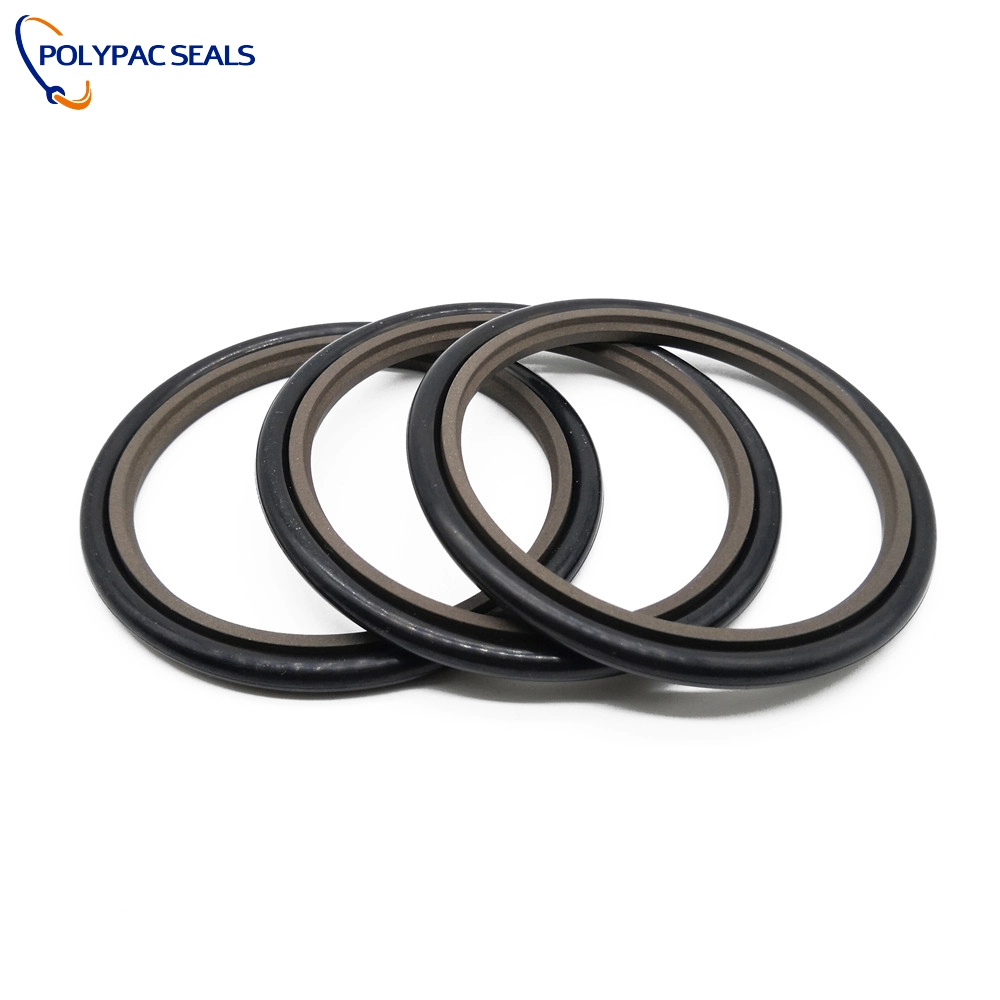
- Spring-energized PTFE seals for dynamic reciprocating or rotary applications where consistent contact force is required
- Hybrid designs combining an elastomer energizer with a PTFE sealing lip to marry flexibility with chemical resistance
These architectures materially change manufacturing complexity and lead time—plan accordingly in early design review stages.
Manufacturing processes and realistic lead times
From prototype to production: process overview
Custom PTFE seals are manufactured by several methods depending on volume and part geometry:
- CNC machining from bar or tube (low to medium volume, high precision)
- Molding (compression or ram extrusion followed by machining) for complex profiles
- Co-molding or assembly for spring-energized or hybrid parts
Each route has different tooling needs and therefore different lead times.
Typical lead-time guideline (industry norms)
Based on manufacturing experience and industry practice, I use the following planning ranges as a baseline. Your exact timing will depend on part complexity, material availability, and test/qualification requirements.
| Stage | Typical Lead Time | Notes |
|---|---|---|
| Material procurement (stock filled PTFE) | 1–3 weeks | Specialty filled grades may add lead time |
| Prototype (CNC machined) | 1–4 weeks | Single or small batches; fastest route for validation |
| Tooling for molded parts | 4–12 weeks | Depends on complexity and whether secondary machining required |
| Initial production run | 2–8 weeks after tooling | Includes QC, inspection, and packaging |
| Qualification & testing | 2–12 weeks | Depends on test matrix (life testing, media exposure, thermal cycling) |
These ranges match my experience working with several seal OEMs and are consistent with production scheduling practices in the fluid sealing industry, as discussed by the Fluid Sealing Association (Fluid Sealing Association).
How to reduce lead times
To shorten time-to-market I recommend:
- Start with a prototype machined from the target filled PTFE to validate form and function before tooling
- Specify standard cross-sections and standard sizes where possible
- Use in-house material stocks or agree blanket purchase orders with suppliers to reduce procurement delay
- Parallelize testing and documentation where regulatory or client audits are required
Qualification, testing and failure modes
Testing methodologies I recommend
For credible qualification I specify a mix of bench and accelerated testing:
- Static compression set and creep testing at expected operating temperature
- Dynamic wear testing (reciprocating or rotary rigs) at representative speeds and pressures
- Media compatibility exposure tests for days or weeks as applicable
- Thermal cycling to reveal differential expansion and loss of contact
Where possible, test protocols should reference consensus standards from recognized bodies such as ISO or relevant ASTM tests. For general guidance on sealing practice see industry resources such as the Fluid Sealing Association (FSA).
Common failure modes and mitigation
From my troubleshooting experience, the common failure modes for PTFE seals are:
- Extrusion and blowout under high pressure — mitigate with back-up rings and optimized groove clearance
- Wear due to abrasive particles — mitigate via filtration, harder mating surfaces, or filled PTFE with wear-resistant fillers
- Creep relaxation leading to leakage — mitigate by selecting filled grades with lower creep and by controlled energization
- Thermal degradation or chemical attack in unusual environments — mitigate through careful material compatibility assessment and testing
Polypac: capabilities, products and why we’re different
Polypac’s manufacturing footprint and technical partnerships
Polypac is a scientific and technical hydraulic seal manufacturer and oil seal supplier specializing in seal production, sealing material development, and customized sealing solutions for special working conditions. Our custom rubber ring and O-ring factory covers an area of more than 10,000 square meters, with a factory space of 8,000 square meters. Our production and testing equipment are among the most advanced in the industry. As one of the largest companies in China dedicated to the production and development of seals, we maintain long-term communication and cooperation with numerous universities and research institutions both domestically and internationally.
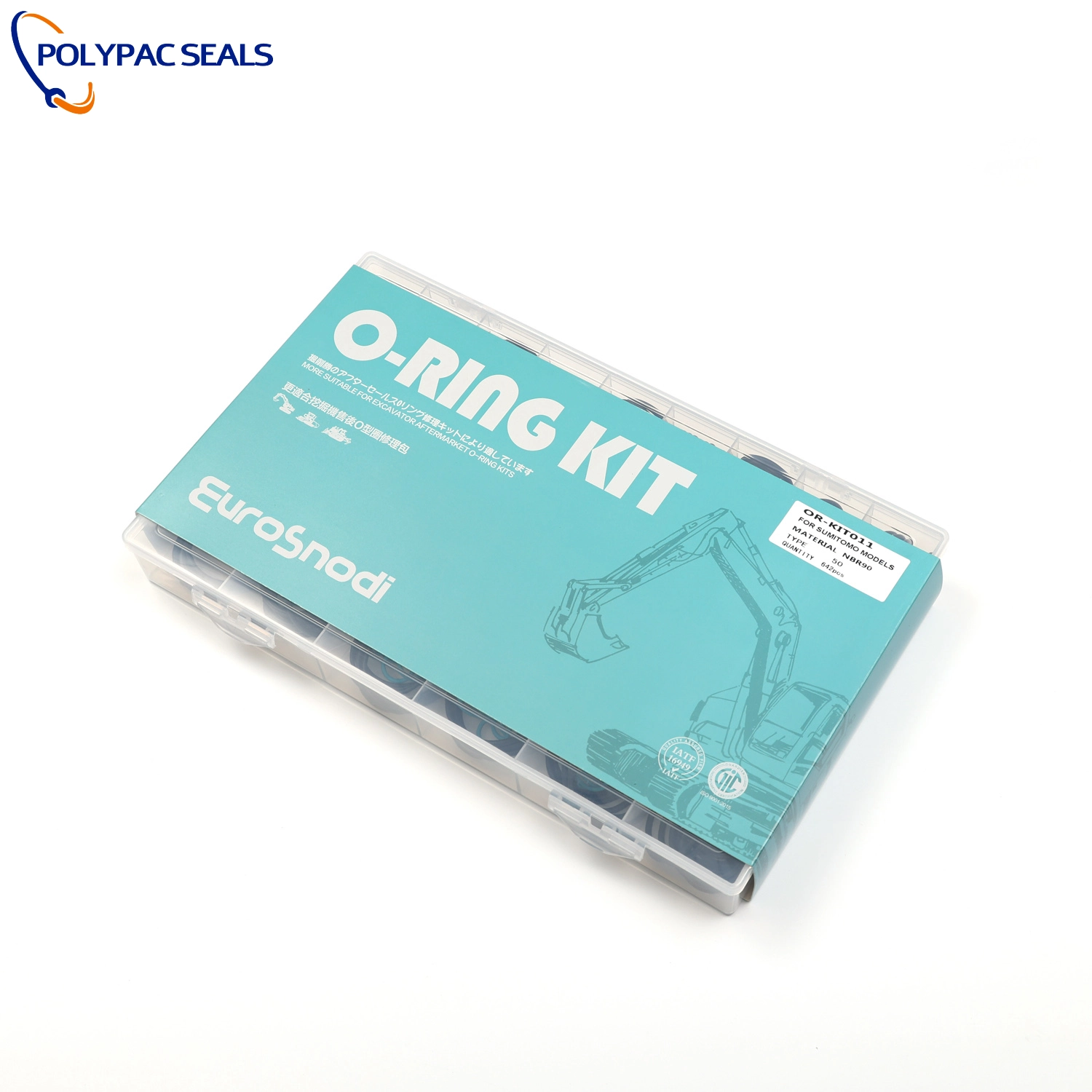
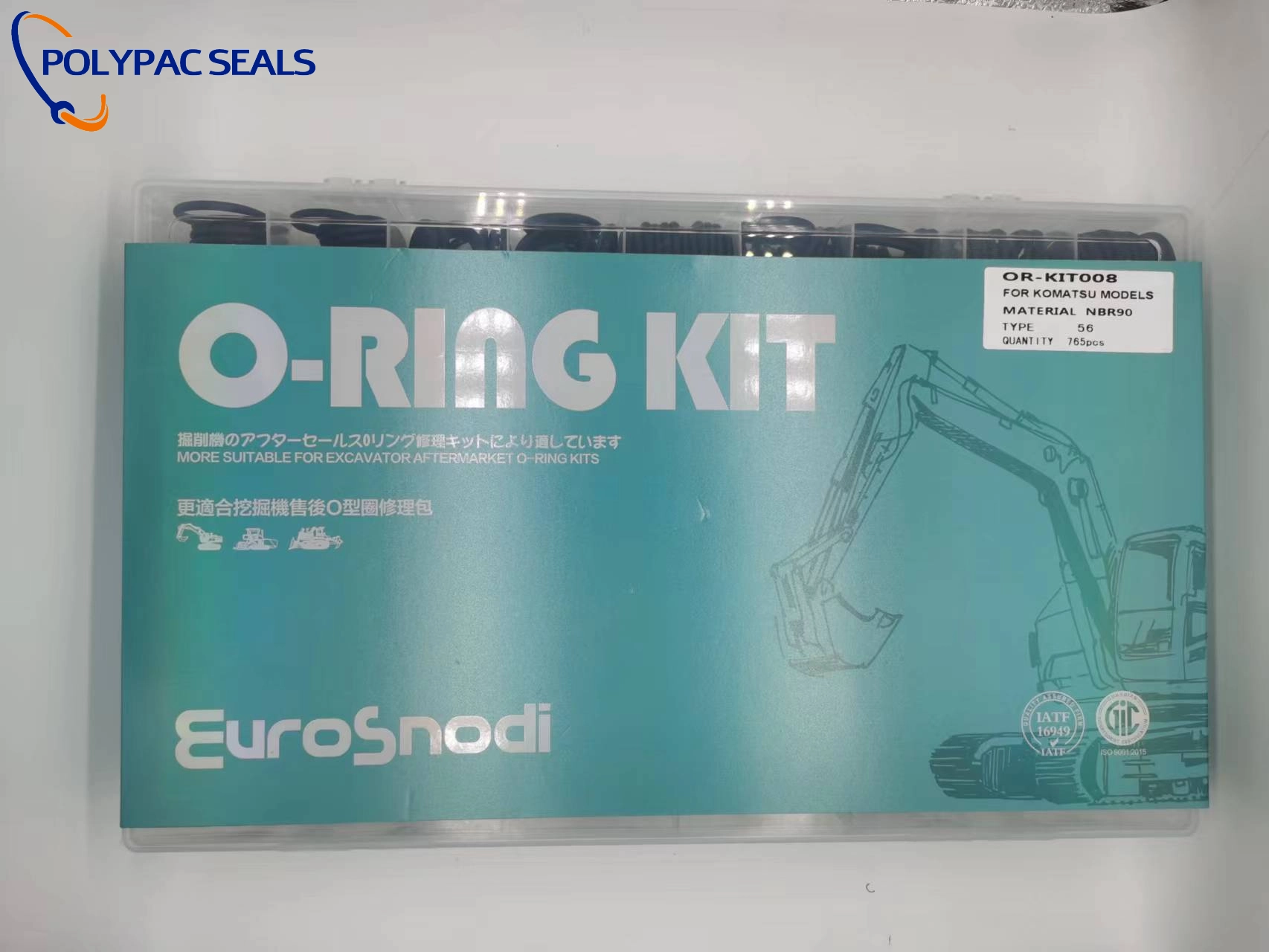
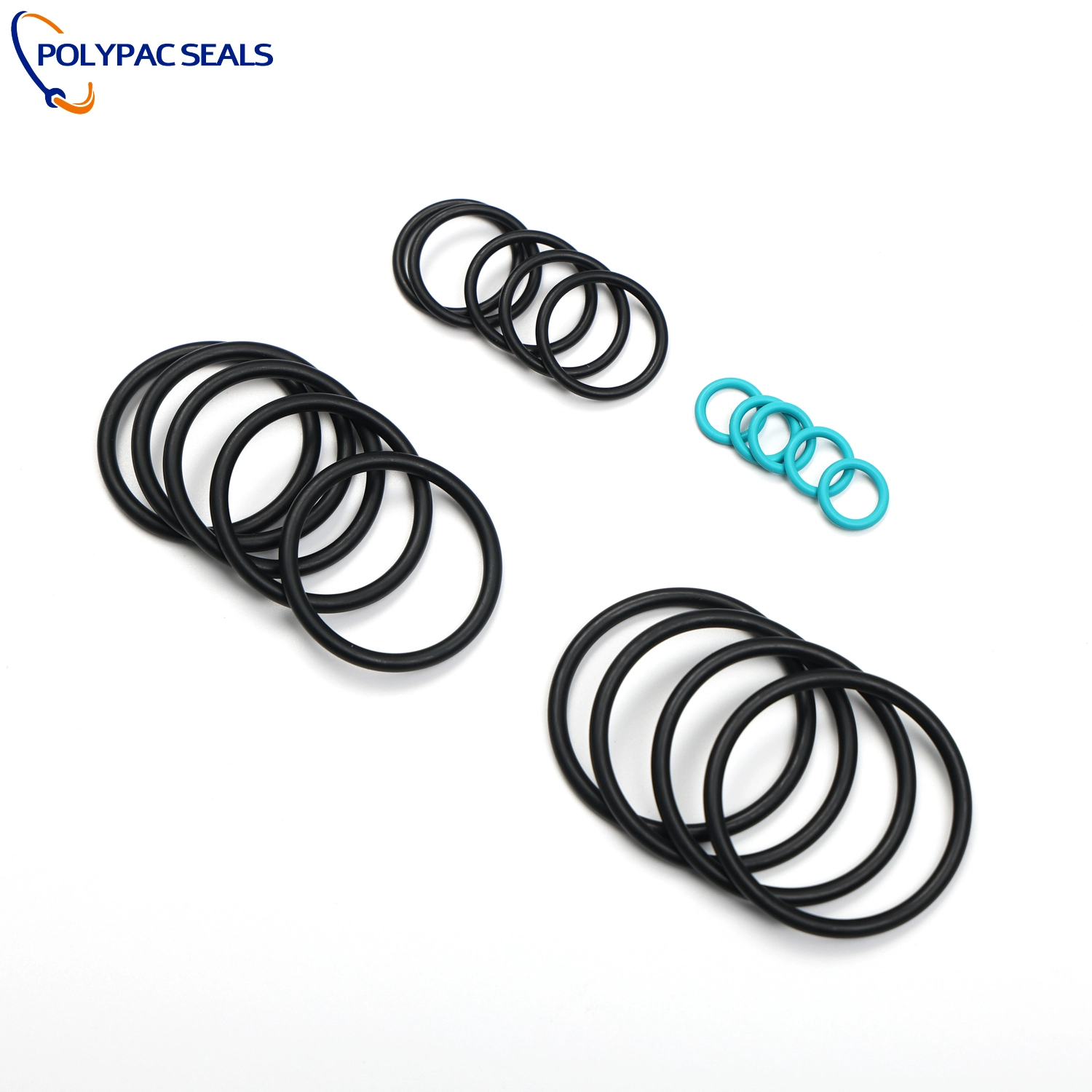
Founded in 2008, Polypac began by manufacturing filled PTFE seals, including bronze-filled PTFE, carbon-filled PTFE, graphite PTFE, MoS₂-filled PTFE, and glass-filled PTFE. Today, we have expanded our product line to include O-rings made from various materials such as NBR, FKM, silicone, EPDM, and FFKM.
Product range and typical applications
Our core products include: O-Rings, Rod Seals, Piston Seals, End Face Spring Seals, Scraper Seals, Rotary Seals, Back-up Rings and Dust Rings. We provide turnkey solutions from material selection to prototype validation and full-scale production. What sets Polypac apart is the combination of:
- Material development capabilities for custom filled PTFE compounds
- Large-scale precision machining and molding capacity to meet both small-batch prototyping and high-volume production
- Integrated testing labs to execute qualification protocols that reference international standards
Competitive advantages and technical credibility
Polypac’s competitive edge lies in R&D partnerships with universities and in-house material science expertise. This translates into faster custom compound development, better predictive life modeling, and fewer iterations during validation. Our long-term presence in the industry (since 2008) and scale of operations mean we can offer competitive pricing while maintaining traceability and quality control.
Frequently Asked Questions (FAQ)
1. What is the best ptfe seal material for high-pressure hydraulic applications?
For high-pressure systems I typically recommend a filled PTFE (bronze or glass-filled) combined with a back-up ring to prevent extrusion. The exact choice depends on fluid compatibility and mating surface hardness; testing is essential.
2. How long does it take to get a custom PTFE seal from concept to first delivery?
Plan for 4–12 weeks for a standard custom seal if you accept CNC-machined prototypes and existing material grades. If new tooling or custom compound development is required, 8–20 weeks is more realistic. See the lead-time table above for typical ranges.
3. Can PTFE seals be used in cryogenic temperatures?
Yes—PTFE retains flexibility at low temperatures. However, fillers and elastomer energizers (if used) must be selected for cryogenic compatibility. Conduct thermal cycling tests to confirm performance.
4. How do I know whether to choose spring-energized or static PTFE seals?
Use spring-energized PTFE seals when dynamic sealing requires constant contact force over long cycles or where temperature/pressure make elastomer energizers impractical. Static applications often use pure PTFE with anti-extrusion measures.
5. Are filled PTFE grades chemically compatible with aggressive media?
Most filled PTFE grades retain excellent chemical resistance, but some fillers (e.g., metal-based) can react in specific environments. Always validate with immersion testing under expected temperature and concentration conditions.
6. How do industry standards apply to PTFE seals?
Standards for seal dimensions, testing and quality systems come from organizations like ISO and ASTM; for general industry guidance see the Fluid Sealing Association (FSA) and polymer references such as the PTFE overview on Wikipedia (PTFE — Wikipedia).
If you need a quote, prototype run, or material compatibility assessment, contact Polypac for a fast technical review and proposal. View product pages or request samples to validate designs: our team can provide detailed lead-time estimates and testing plans tailored to your application. Contact us to start the discussion or to view our catalog of O-Rings, Rod Seals, Piston Seals, End Face Spring Seals, Scraper Seals, Rotary Seals, Back-up Rings and Dust Rings.

Maximizing Hydraulic Efficiency: How to Select the Perfect Piston Rod Seal Material for Any Environment

Back-Up Ring Seal vs. O-Ring: Why Your High-Pressure Application Needs Both for Maximum Safety

Scraper Ring Seals vs. Wiper Seals: The Definitive Comparison for Contamination Control

Metal vs. Composite: Which Hydraulic Guide Ring Increases Cylinder Life by 40%?

Piston Lip Seals vs. U-Cups: Choosing the Right Hydraulic Solution for High-Pressure Systems
Products
What is the purpose of the metal spring in a rotary shaft seal?
How can I prevent seal damage during installation?
How important is surface finish on the metal parts that contact the seal?
What is the difference between a static seal and a dynamic seal?
What does "AS568" mean?
Stay Updated with Industry Insights
Subscribe to our articles and receive the latest news, expert guidance, and technical updates directly in your E-mail.
Rest assured that your privacy is important to us, and all information provided will be handled with the utmost confidentiality.

Polypac is a trusted global supplier of high-performance sealing solutions, providing OEM & ODM services for industries worldwide.
E-mail:
sales2@dmsseals.com
Phone/WhatsApp:
© 2025 Polypac Seals. All Rights Reserved.
dms
DMS
DMS