












Food-Grade PTFE Seals: FDA Compliance and Sanitation Tips

Food-Grade PTFE Seals: FDA Compliance and Sanitation Tips
Why choose a PTFE Seal for food processing equipment
PTFE Seal materials are widely used in food processing because of their outstanding chemical inertness, low friction, and broad temperature tolerance. For engineers and procurement managers seeking reliable sealing solutions, PTFE offers resistance to aggressive cleaning agents, steam, and many food ingredients, which minimizes the risk of contamination and degradation. When specifying seals for hygienic environments, the keyword is stability: PTFE does not absorb water, does not support microbial growth, and remains dimensionally stable under thermal cycling. For hydraulic systems in food plants, a compact bidirectional solution such as Polypac’s GNS Piston Seal provides a low-friction, durable sealing surface that supports reliable piston operation in demanding sanitary settings.
Regulatory landscape: FDA requirements and food contact standards for seals
Manufacturers and food processors must ensure that materials in contact with food comply with applicable regulations. In the United States, PTFE is covered under 21 CFR 177.1550, which outlines conditions for repeated use polymers. Compliance typically requires documented material specifications and, where applicable, migration or extractables testing to demonstrate safety under intended conditions. Globally, EC Regulation 1935/2004 sets the general framework for materials intended to contact food in the EU, and additional regional or industry standards such as NSF/ANSI 51 or 3-A Sanitary Standards may apply depending on equipment and product type. When specifying a PTFE Seal, request written declarations of compliance and traceability from the supplier to satisfy auditors and regulatory bodies.
Design considerations for sanitary PTFE seals in hydraulics
Good hygienic design reduces contamination risk and simplifies cleaning. For seals used on hydraulic cylinders that interact with food-contact environments, consider the following: choose a compact profile to minimize crevices, ensure the seal geometry supports bidirectional sealing to prevent cross-contamination via backflow, and select surface finishes compatible with CIP and SIP. Polypac’s GNS Piston Seal is a compact, bidirectional PTFE Seal engineered for high pressure; its geometry helps ensure reliable sealing while minimizing dead spaces where residues could accumulate. In addition, glands and housing designs should allow easy disassembly, inspection, and replacement without specialized tools whenever possible.
Cleaning and sanitation best practices for PTFE seals
PTFE is chemically resistant to many sanitizers and cleaning agents, but best practice is to verify compatibility with the specific formulation and concentration used in your plant. For CIP (clean-in-place) routines, confirm that cycle temperatures and contact times are within the material limits. Steam-in-place (SIP) is generally acceptable for PTFE, as PTFE tolerates elevated temperatures; however, repeated thermal cycling can stress associated components such as backup rings or energized elements if present. Avoid abrasive cleaning media or wire brushes that can scratch adjoining surfaces and create niches for bacteria. When lubricants are needed during installation or operation, use food-grade lubricants certified for incidental contact and documented by the supplier.
Installation, inspection and maintenance protocols to preserve seal integrity
Correct installation extends seal life and preserves sanitation. For PTFE Seals, protect the sealing lip during installation with a sleeve or plastic protector to prevent nicks. Ensure grooves and piston surfaces are free from burrs and have specified surface finish; excessively rough surfaces can abrade PTFE over time. Periodically inspect seals for signs of wear, extrusion, or deformation. Typical inspection checkpoints include leak behavior under pressure, visual inspection for cuts or deformation, and operational checks for increased friction or stick-slip. Keep installation and replacement records to support traceability and maintenance planning.
Material comparison: PTFE versus common elastomers for food-grade seals
Choosing the right material depends on operating conditions, cleaning regimen, and regulatory needs. The table below summarizes common properties of PTFE, NBR, FKM, and UHMWPE for food applications. This high-level comparison helps justify material selection based on temperature range, chemical resistance, friction, and compliance characteristics.
| Property | PTFE | NBR (Nitrile) | FKM (Viton) | UHMWPE |
|---|---|---|---|---|
| Typical temp range | -200 to 260°C | -40 to 120°C | -20 to 200°C | -150 to 80°C |
| Chemical resistance | Excellent to acids, bases, solvents | Good to oils, moderate to solvents | Very good to oils and many chemicals | Good to many chemicals, limited to some solvents |
| Friction coefficient | Very low | Moderate | Moderate | Low |
| Elasticity and conformity | Low elasticity, needs engineered profile | High elasticity, good conformability | Moderate elasticity | Low elasticity |
| Food contact compliance | Covered under FDA 21 CFR 177.1550; widely accepted | Can meet food contact standards with suitable formulation | Can meet with appropriate formulation and certification | Used in food applications; supplier certification required |
| Typical use cases in food | High-temp, aggressive cleaners, low friction needs | Hydraulic seals with oil exposure at moderate temp | High temp oil systems | Sliding parts with wear resistance |
Sources for table data include material datasheets and regulatory lists; see source list below for references.
Case scenarios: where bidirectional PTFE seals excel in food plants
Practical examples help translate specification into value. In high-speed filling equipment, hydraulic pistons with bidirectional PTFE seals reduce stiction and provide consistent stroke timing under frequent CIP cycles. In thermoforming or packaging presses where hot water and detergents are used, PTFE Seals resist erosion and maintain sealing integrity. For cold-chain compressors and valves, PTFE minimizes frictional heat and helps preserve lubricant life. In all cases, using a seal designed for bidirectional operation avoids orientation errors during installation and enhances reliability.
Why Polypac's GNS Piston Seal is a strong choice for food processing hydraulics
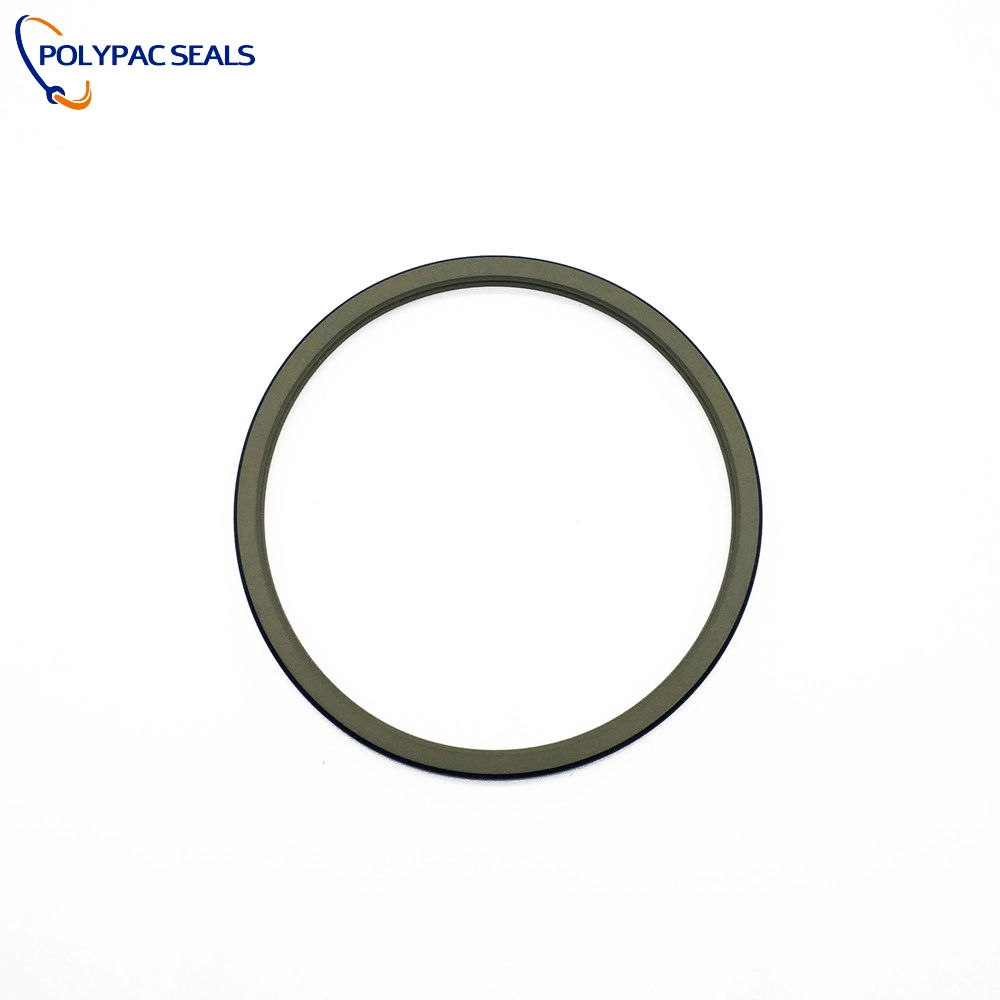
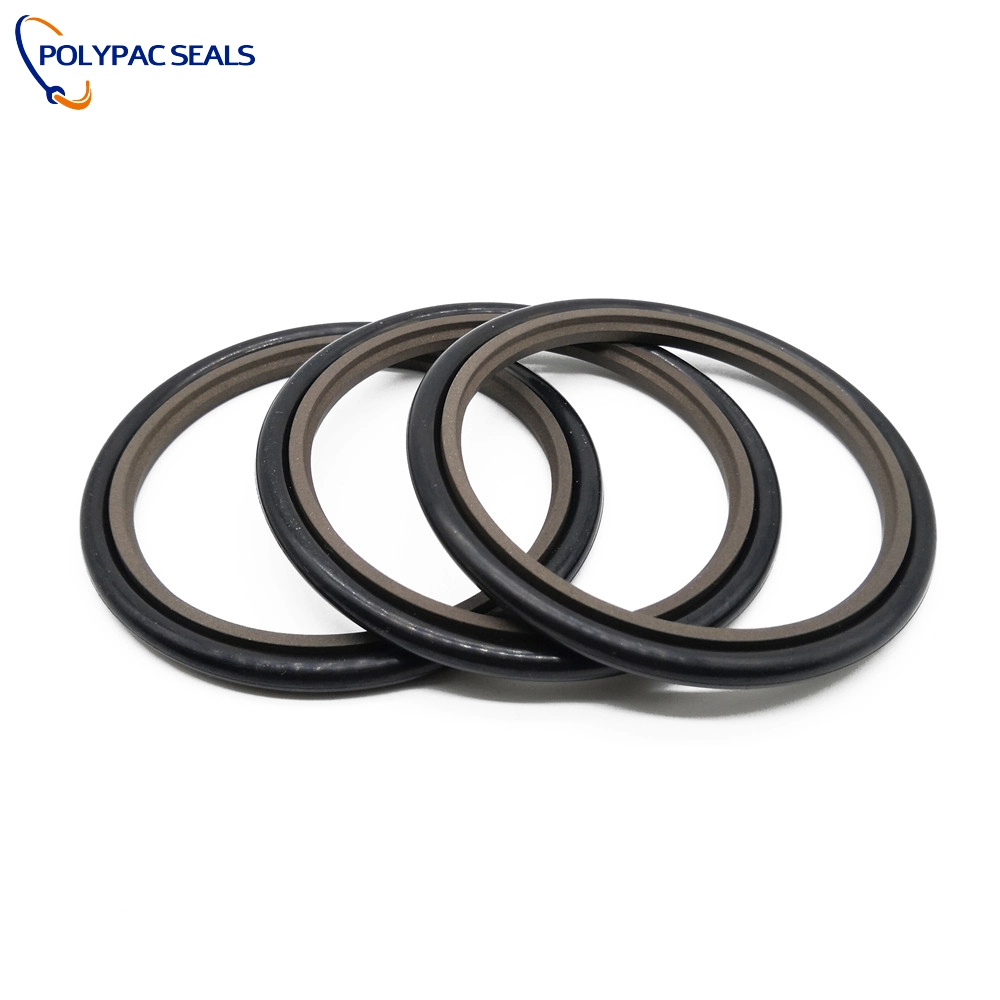
Polypac’s GNS Piston Seal | Bidirectional PTFE Seal for Hydraulic Cylinders combines compact profile design with the chemical and thermal benefits of PTFE. Key advantages include long wear life under high pressure, low coefficient of friction that reduces actuator energy use and wear on cylinder surfaces, and a bidirectional sealing geometry that simplifies installation and reduces risk of misassembly. For food-industry users, Polypac provides documented material specifications and can support compliance documentation request, helping procurement teams meet audit requirements. The product's compact nature also aids hygienic housing designs by minimizing dead space where residues can accumulate.
Procurement and validation: what to request from your supplier
When purchasing PTFE Seals for food applications, ask suppliers for documented declarations of compliance, including reference to 21 CFR 177.1550 or equivalent regional standards. Request material certificates, lot traceability, and, if necessary, migration or extractables testing relevant to your processing conditions. Ensure the supplier can provide dimensional drawings, recommended gland tolerances, and installation guidance for the GNS Piston Seal. For critical applications, arrange a trial with defined acceptance criteria for leakage, cycle life, and sanitation compatibility.
Recommended inspection checklist and replacement triggers for PTFE hydraulic seals
Maintain a simple inspection checklist to catch issues early. Inspect seals monthly for visible cuts, extrusion, or hardening. Log pressure testing results and note any increases in leakage or stick-slip behavior. Replace seals upon detection of surface damage, significant dimensional loss, or when performance does not meet the specified acceptance criteria during routine pressure checks. Keep spare GNS Piston Seal parts in critical areas to reduce downtime during planned maintenance.
Frequently asked questions
Q: Is PTFE compliant with FDA food-contact regulations?
A: PTFE is referenced under 21 CFR 177.1550 and is commonly accepted for food-contact applications when supplied with appropriate documentation. Always request compliance declarations for the specific grade used.
Q: Can Polypac’s GNS Piston Seal withstand CIP and SIP processes?
A: Yes. The PTFE material in the GNS Piston Seal tolerates typical CIP and SIP temperatures and sanitizers. Confirm compatibility with your specific cleaning chemistry and cycle parameters.
Q: How often should PTFE seals be replaced in food hydraulics?
A: Replacement intervals vary with duty cycle, pressure, and cleaning regimen. Use performance-based triggers such as increased leakage or friction, and maintain scheduled inspections. Many facilities track seal life by operating hours and have spares on hand for planned replacement.
Q: What installation practices prevent damage to PTFE seals?
A: Use protective sleeves during installation, ensure piston and groove surfaces meet specified finish tolerances, and avoid sharp edges or contaminants. Apply only approved food-grade assembly lubricants if needed.
Q: Can PTFE seals be used in direct food contact applications?
A: PTFE can be used in many direct and indirect food-contact scenarios if the material grade and any additives are covered by applicable regulations and supplier declarations. Confirm with your regulatory team based on the specific use case.
Contact us and view product
For specification sheets, compliance documentation, or to request a quote for Polypac’s GNS Piston Seal | Bidirectional PTFE Seal for Hydraulic Cylinders, contact our sales team. We can provide dimensional drawings, recommended gland tolerances, and help evaluate compatibility with your cleaning and process conditions. To discuss custom sizes, testing requirements, or delivery timelines, contact us today and secure reliable, food-grade sealing performance for your hydraulic applications.
Sources and references
- U.S. Food and Drug Administration, Title 21 Code of Federal Regulations, Section 177.1550, Polytetrafluoroethylene polymers
- European Parliament and Council, Regulation (EC) No 1935/2004 on materials and articles intended to come into contact with food
- NSF International, NSF/ANSI 51 Food Equipment Materials standards
- Material datasheets and technical references from major PTFE suppliers and MatWeb material database for typical PTFE properties
- Industry guidance on hygienic design and CIP/SIP practices from recognized equipment manufacturers and sanitary engineering literature
For traceability and product-specific certificates related to Polypac’s GNS Piston Seal, request the relevant compliance pack from your Polypac representative.

High-Performance Pneumatic Piston Seals: How to Achieve Zero-Leakage Efficiency

PTFE vs. Composite: Choosing the Best Piston Guide Ring Material for High-Pressure Systems

Mastering O-Ring Gland Design: The Complete Guide for Perfect Sealing Performance

Advanced Back-Up Ring Materials: Beyond PTFE for Extreme Temperature Environments

PTFE vs. Urethane Scrapers: Which Material Truly Prevents Contamination?
Products
What does "AS568" mean?
What is the purpose of the metal spring in a rotary shaft seal?
Why did my O-ring fail prematurely?
How do I choose the right material for my sealing application?
What is the difference between a static seal and a dynamic seal?
Stay Updated with Industry Insights
Subscribe to our articles and receive the latest news, expert guidance, and technical updates directly in your E-mail.
Rest assured that your privacy is important to us, and all information provided will be handled with the utmost confidentiality.

Polypac is a trusted global supplier of high-performance sealing solutions, providing OEM & ODM services for industries worldwide.
E-mail:
Phone/WhatsApp:
© 2025 Polypac Seals. All Rights Reserved.
dms
DMS
DMS