












The Definitive Guide to O-Ring Manufacturers: Expertise, Materials, and Custom Solutions
This article provides an in-depth look at O-ring manufacturing, highlighting the critical role these components play in sealing technology. We explore the differences between standard and custom O-rings, dive into material science covering options like Nitrile, Viton, and EPDM, and discuss the industries that rely on them. Finally, we offer actionable advice on selecting the right manufacturing partner to ensure quality, certification compliance, and supply chain efficiency for your specific application needs.
In the grand scheme of mechanical engineering and industrial design, few components are as seemingly simple yet critically vital as the humble O-ring. These torus-shaped gaskets are the unseen heroes of sealing technology, serving as the first line of defense against leaks, contamination, and pressure loss in millions of applications worldwide. From the deep-sea valves in oil exploration to the precise fuel injectors in automotive engines, the integrity of a system often rests on the reliability of a single rubber seal.
However, not all seals are created equal, and the difference between a successful application and a catastrophic failure often lies in the expertise of the o ring manufacturer. Navigating the complex landscape of rubber o ring manufacturing, o ring specifications, and material science is essential for engineers and procurement specialists alike. This guide explores the capabilities of top-tier industrial suppliers, the vast array of o ring materials, and the importance of custom o rings in solving unique engineering challenges.
What Defines a Leading O-Ring Manufacturer?
Choosing a supplier is about more than just finding a vendor who sells rubber parts; it is about finding a partner with comprehensive capabilities. A leading manufacturer distinguishes itself through a blend of technical expertise, production versatility, and rigorous quality control.
Comprehensive Capabilities
True industry leaders bridge the gap between concept and mass production. They possess the infrastructure to handle everything from initial design consultation and rapid prototyping to high-volume injection or compression molding. This end-to-end capability ensures that a design validated in the prototype phase can be scaled up without unforeseen manufacturing defects.
Material Science Expertise
The core of sealing technology is material science. A top-tier manufacturer employs chemists and engineers who possess in-depth knowledge of elastomeric properties. They understand how different polymers react to heat, cold, chemical aggression, and physical stress. Whether the application requires standard Viton o rings or a proprietary compound, the manufacturer must be able to predict chemical compatibility and longevity accurately.
Quality Assurance and Standards
In industries like aerospace and medical, there is no margin for error. Reliable manufacturers adhere to strict industry standards. Look for certifications such as ISO 9001 for quality management and adherence to dimensional standards like AS568 (Aerospace Standard). These certifications are not just badges; they are guarantees of consistency and traceability.
Customization and Technical Support
Off-the-shelf solutions work for many, but innovation often requires custom o rings. Leading suppliers offer robust customization options, often with reduced tooling charges or flexible minimum order quantities (MOQs). Furthermore, their technical support teams act as an extension of your engineering department, offering guidance on gland design, squeeze percentages, and stretch ratios to optimize performance.
Exploring the Diverse World of O-Ring Types
While the shape may seem uniform, the world of O-rings is categorized by a variety of standards and specialized designs to meet specific o ring specifications.
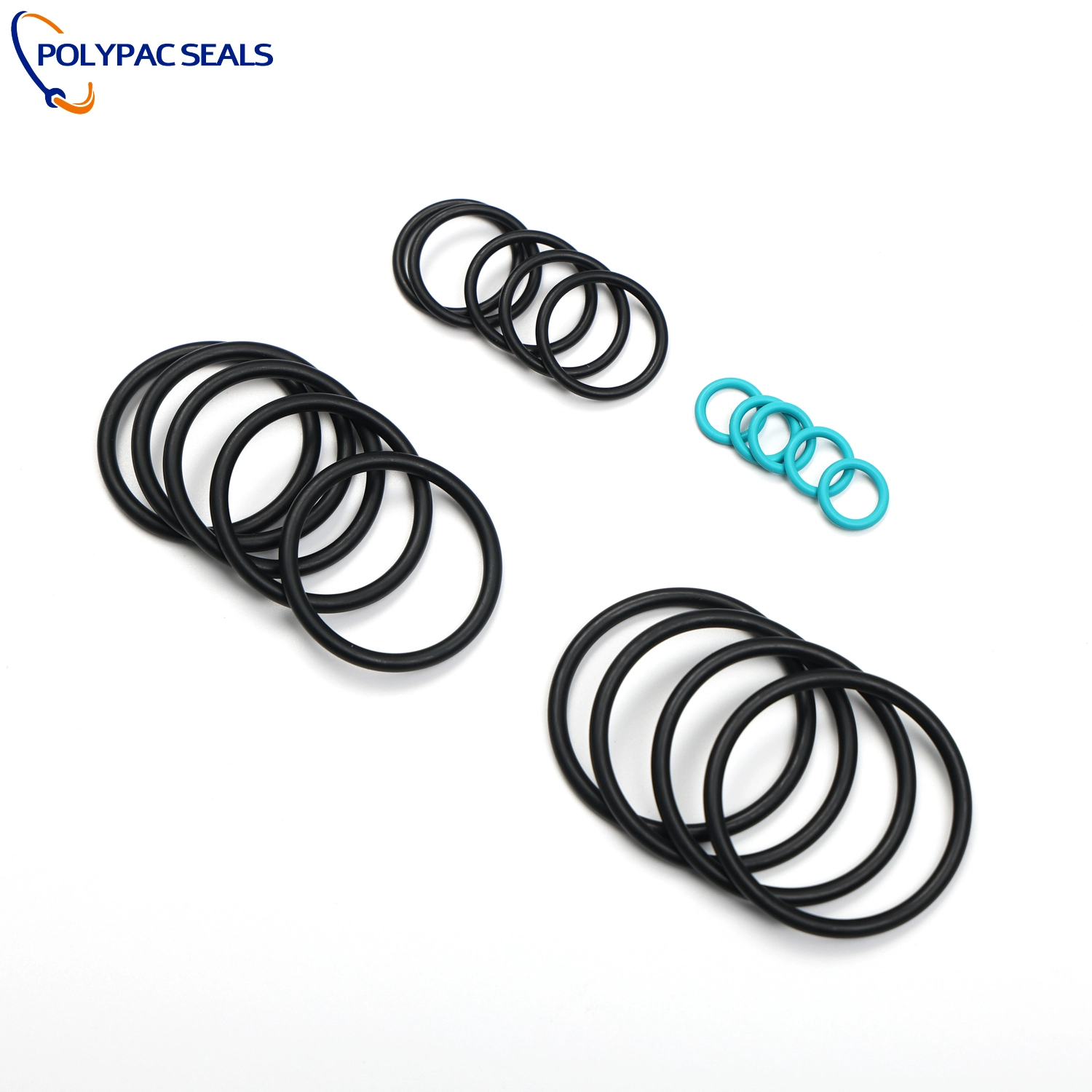
Standard O-Rings
Standardization is key to global supply chain efficiency. Most industrial o ring suppliers stock valid inventories based on international size standards:
- AS568: The standard size chart used in the USA (Aerospace Standard).
- ISO 3601: The global metric standard for fluid power systems.
- JIS B 2401: The Japanese industrial standard.
- Metric Sizes: General metric dimensions used widely across Europe.
Custom O-Rings
When standard sizes fail to fit a unique housing or when non-standard cross-sections are required, custom manufacturing becomes necessary. Precision-engineered custom O-rings are built to unique dimensions and tighter tolerances, ensuring a perfect seal in unconventional hardware configurations.
Specialty Seals
Beyond the traditional donut shape, manufacturers produce specialty seals for enhanced performance:
- Quad-Rings (X-Rings): These have a four-lobed design that provides double the sealing surface and reduces friction, making them ideal for dynamic applications.
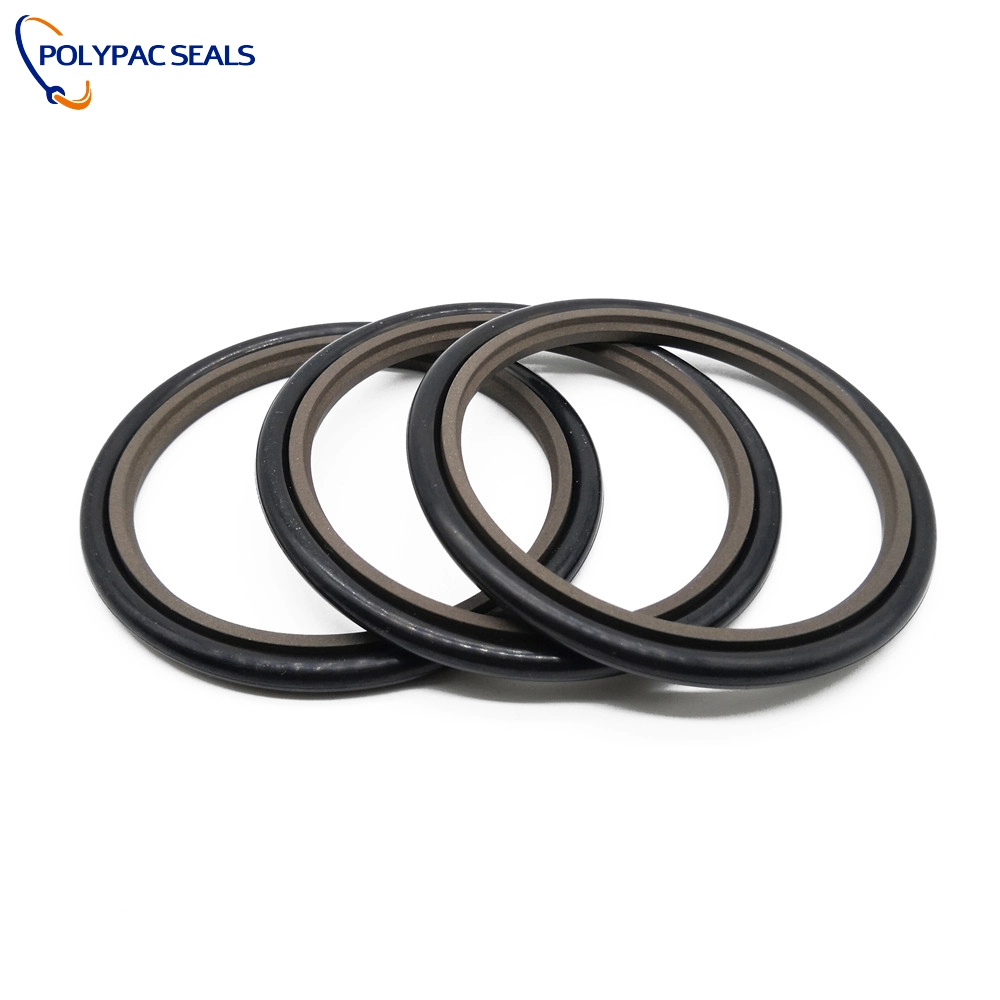
- Backup Rings: Used in conjunction with O-rings in high-pressure applications to prevent the O-ring from extruding into the clearance gap.
- Encapsulated O-Rings: These feature an elastomer core (like Silicone or Viton) encapsulated in a jacket of FEP or PFA (Teflon-like materials), combining mechanical elasticity with near-universal chemical resistance.
A Deep Dive into O-Ring Materials and Their Applications
Selecting the right material is arguably the most critical step in the specification process. O ring materials dictate the temperature range, chemical resistance, and lifespan of the seal.
Nitrile (Buna-N, NBR)
Nitrile is the workhorse of the industry. It offers excellent resistance to petroleum-based oils, fuels, water, and hydraulic fluids. Because of its cost-effectiveness and durability, it is the standard choice for general industrial applications. However, it is not suitable for exposure to ozone, sunlight, or extreme weathering.
Viton (FKM)
Viton o rings are synonymous with high performance. FKM (fluoroelastomer) provides superior resistance to high temperatures (up to 400°F/204°C) and a broad range of chemicals, including oils, acids, silicone fluids, and halogenated hydrocarbons. It is a staple in the automotive, aerospace, and chemical processing sectors.
EPDM (Ethylene Propylene Diene Monomer)
EPDM is the go-to material for outdoor and water-based applications. It boasts outstanding resistance to ozone, UV radiation, weathering, and steam. It is also compatible with glycol-based brake fluids, making it essential in automotive braking systems. However, EPDM is generally incompatible with petroleum-based oils and fuels.
Silicone and Fluorosilicone
Silicone is prized for its immense temperature range, remaining flexible in deep freezing conditions and stable in high heat. It is widely used in medical and food-grade applications due to its cleanliness and inertness. Fluorosilicone offers the same temperature benefits but adds resistance to fuels and oils, making it valuable in aerospace fuel systems.
Perfluoroelastomer (FFKM)
For the most extreme environments, FFKM is the ultimate solution. Materials like Kalrez® or Chemraz® offer the chemical resistance of PTFE with the elasticity of rubber. They can withstand temperatures exceeding 600°F (315°C) and are virtually inert to almost all industrial chemicals. This performance comes at a premium cost, reserved for critical semiconductor and oil & gas applications.
PTFE and Engineered Plastics
While not elastomers, materials like PTFE (Teflon), PEEK, and PVDF are used for seals requiring low friction and absolute chemical inertness. They are often used in static applications or as the jacket in encapsulated O-rings.
Industries That Rely on Precision O-Ring Manufacturing
High-quality O-rings are ubiquitous, supporting the infrastructure of modern society across various sectors.
- Automotive & Aerospace: In these industries, failure is not an option. Seals must withstand aggressive fuels, extreme thermal cycling, and high pressures. Certification to standards like AS9100 is often mandatory.
- Food & Beverage / Medical: Here, material safety is paramount. Manufacturers must provide materials that are FDA compliant, USP Class VI certified, or 3-A Sanitary Standards approved to ensure no contaminants leach into food or medicines.
- Oil & Gas: Downhole tools operate in hellish environments involving high pressure, high temperature (HPHT), and sour gas (H2S). FFKM and specialized Viton grades are essential here.
- Hydraulics & Pneumatics: This sector relies on NBR and Polyurethane seals to maintain fluid power and prevent leakage in cylinders and valves.
- Semiconductor: Microchip manufacturing requires ultra-pure environments. Seals must not outgas or release particles, necessitating the use of high-purity FFKM.
Choosing Your Ideal O-Ring Manufacturing Partner
With so many options available, selecting the right partner is a strategic decision. Here is what to look for:
- Reputation & Experience: Look for established companies with a track record. Long-standing manufacturers have likely solved problems similar to yours before.
- Material Selection & Guidance: A good supplier asks questions about your application before taking your order. They should be able to guide you away from incompatible materials.
- Supply Chain Efficiency: In the era of Just-In-Time (JIT) manufacturing, your supplier needs robust inventory management. Look for services like kitting, special packaging, and global distribution capabilities.
- Quality Certifications: verify that their quality management system aligns with your industry requirements (e.g., ISO 13485 for medical devices).
Conclusion: Sealing Success with the Right Manufacturer
O-rings may be small, but their impact on system reliability is massive. The success of a project often hinges on the quality of its smallest components. By understanding the capabilities of o ring manufacturers, the nuances of o ring materials, and the options for custom o rings, engineers can ensure the longevity and safety of their designs. Partnering with a knowledgeable and certified supplier is not just a purchasing decision—it is an investment in the integrity of your product.
Frequently Asked Questions (FAQ)
What is an O-ring and what is its primary function?
An O-ring is a mechanical gasket in the shape of a torus (doughnut). Its primary function is to create a tight seal between two parts, preventing the leakage of fluids or gases in both static and dynamic applications.
What are the most common materials used for O-rings?
The most common materials include Nitrile (Buna-N) for general oil resistance, Viton (FKM) for high heat and chemicals, EPDM for outdoor and water use, and Silicone for temperature extremes. The choice depends entirely on the application's environment.
How do custom O-rings differ from standard O-rings?
Standard O-rings are manufactured to predefined international specifications like AS568 or ISO 3601. Custom O-rings are specifically engineered with unique dimensions, tolerances, or material formulations to meet the specific needs of a non-standard application.
What certifications should I look for in an O-ring manufacturer?
At a minimum, look for ISO 9001 for general quality management. Depending on your industry, you may also need AS9100 (Aerospace), IATF 16949 (Automotive), or FDA/NSF certifications for food and water safety.
Can O-ring manufacturers provide solutions for extreme temperatures or harsh chemicals?
Yes. Manufacturers utilize high-performance materials like Fluorocarbon (Viton) for high heat and chemicals, and Perfluoroelastomers (FFKM) for the most aggressive environments. Silicone and Fluorosilicone are used for extreme cold and heat ranges.
What services do O-ring manufacturers typically offer beyond production?
Top manufacturers offer engineering design support, material selection consulting, rapid prototyping, custom kitting/packaging, and inventory management programs (like Kanban or JIT) to streamline your supply chain.
How does an O-ring manufacturer ensure product quality?
Quality is maintained through rigorous raw material testing, automated visual inspections, dimensional analysis using coordinate measuring machines, and strict adherence to quality management systems like ISO standards.
Why is material selection critical when choosing an O-ring?
Material selection dictates how the seal reacts to its environment. Using the wrong material can lead to chemical attack (swelling/dissolving), thermal degradation (hardening/cracking), or extrusion, all of which result in seal failure and potential system damage.
References & Industry Standards
- ISO 3601: Fluid power systems — O-rings (International Organization for Standardization).
- AS568: Aerospace Size Standard for O-rings (SAE International).
- ISO 9001: Quality management systems — Requirements.
- AS9100: Quality Management Systems — Requirements for Aviation, Space and Defense Organizations.
- FDA CFR 21.177.2600: Rubber articles intended for repeated use (U.S. Food and Drug Administration).
- NSF/ANSI 51: Food Equipment Materials (NSF International).


Products
What is the purpose of the metal spring in a rotary shaft seal?
Can I reuse a seal?
How can I prevent seal damage during installation?
What is the difference between a static seal and a dynamic seal?
What does "AS568" mean?
Stay Updated with Industry Insights
Subscribe to our articles and receive the latest news, expert guidance, and technical updates directly in your E-mail.
Rest assured that your privacy is important to us, and all information provided will be handled with the utmost confidentiality.

Polypac is a trusted global supplier of high-performance sealing solutions, providing OEM & ODM services for industries worldwide.
E-mail:
Phone/WhatsApp:
© 2025 Polypac Seals. All Rights Reserved.
dms
DMS
DMS