












Top Specifications: Pressure Ratings and Sizes for O-Ring Kits
I often get asked by engineers and maintenance managers which high pressure o ring kit will hold up in demanding hydraulic systems. In this article I summarize how pressure, size standards, material, and gland design interact; I provide verifiable guidance, standard references, and practical selection/installation tips so you can select and validate kits that meet your operational requirements.
Understanding O-ring fundamentals and pressure behavior
O-ring geometry, sealing principle and why pressure matters
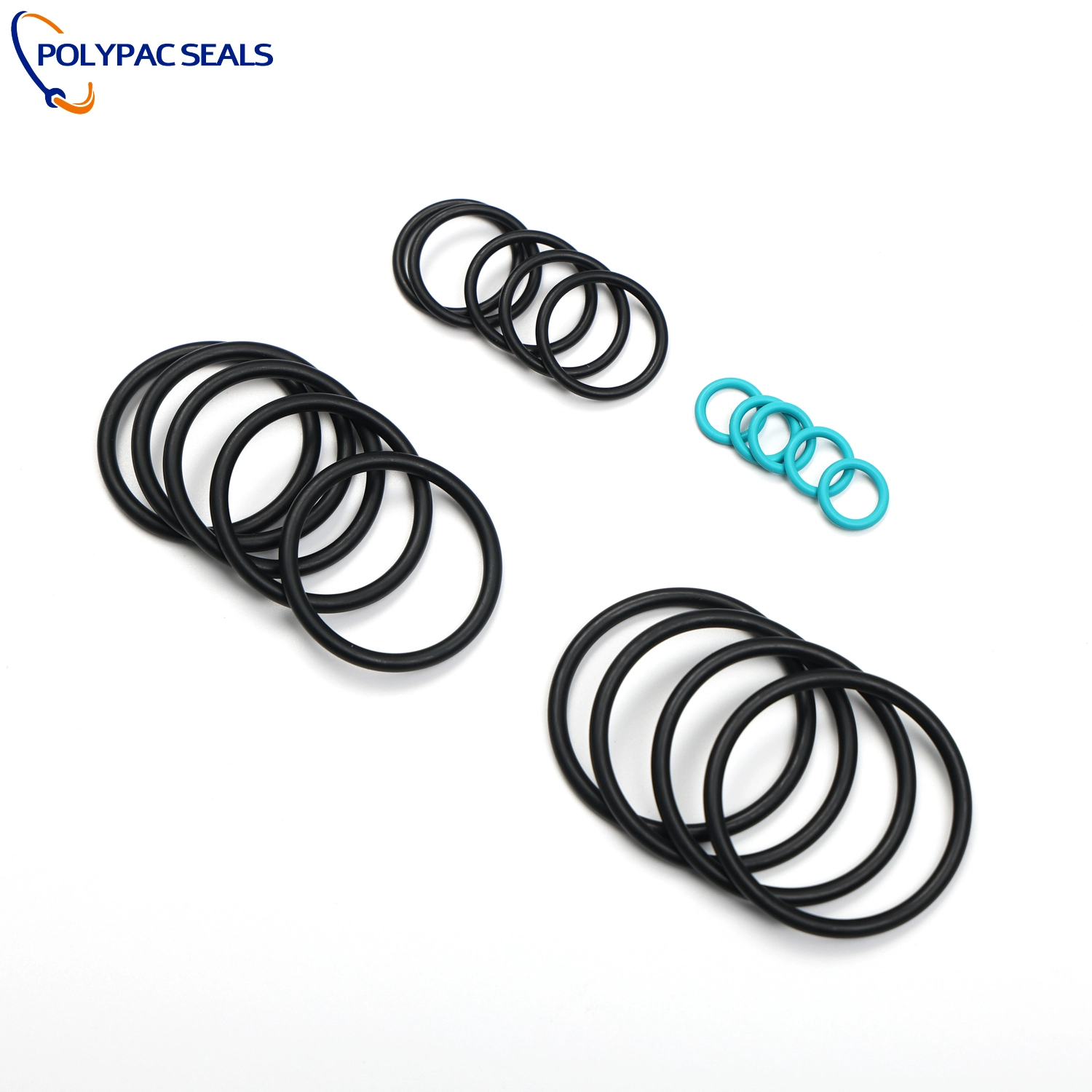
O-rings seal by elastomeric deformation: a round cross-section compressed in a gland creates contact stresses that block fluid flow. That principle works well up to a point — with increasing system pressure, the same elastomer can extrude into clearance gaps, experience increased friction or be forced past the mating face. Rather than a single fixed pressure rating, O-ring performance depends on cross-section, material, gland geometry and use of backup rings. For a practical primer on the basic form and standards, see the O-ring overview on Wikipedia.
Static vs dynamic pressure effects
Static seals (flanges, face seals, threaded joints) are more tolerant to higher pressure when gland design and proper backup rings are used. Dynamic seals (rod or piston) face friction, squeeze-set, heating and wear in addition to pressure-induced extrusion. My guidance: treat static high-pressure applications and dynamic high-pressure applications differently — dynamic seals often require different compounds (low friction FKM or FFKM) and backup strategies.
Pressure ratings: how to evaluate for a high pressure O-ring kit
Industry guidance: there is no single universal psi rating
O-rings are not commonly certified with a single absolute pressure rating by the major standards bodies. Instead, standards and handbooks describe design methods and limits. The ISO 3601 standard defines dimensions and tolerances; manufacturers and technical handbooks (for example, Parker's O-Ring Handbook) provide guidance on extrusion limits, gland design and use of back-up rings for higher pressures. See Parker's detailed handbook for pressure and extrusion guidance: Parker O-Ring Handbook (PDF).
Practical pressure guidance and the role of backup rings
From experience and established practice, an unbacked elastomer O-ring in a properly designed static gland can typically manage pressures up to a few hundred bar (tens of MPa) depending on material & gland. For true high-pressure hydraulic systems (hundreds of bar), designers routinely employ backup rings, lower-clearance glands, or move to specialized seals (bonded seals, metal seals). Backup rings (PTFE, nylon) prevent extrusion into gaps and can raise effective pressure capability substantially.
| Arrangement | Typical safe pressure range* | Notes |
|---|---|---|
| Unbacked O-ring, static, good gland | 0–200 bar (0–2900 psi) | Depends on material, cross-section, clearance; conservative design recommended |
| O-ring + PTFE backup ring, static | 0–700 bar (0–10,150 psi) | Well-designed backup ring can prevent extrusion; material selection crucial |
| Dynamic O-ring (rod/piston) with backup ring | 0–350 bar (0–5,075 psi) | Limited by friction, wear, and heat; lubrication and low-friction compounds advised |
*Values are generalized engineering guidance assembled from industry handbooks and my field experience; consult specific manufacturer data and test for your application.
Sizes and standards: selecting the right O-ring kit dimensions
AS568 and ISO 3601: the two sizing approaches
The most common dimensioning systems are AS568 (widely used in the US) and ISO 3601 (international). AS568 catalogs standard inside diameters and cross-section diameters for elastomer O-rings and is a practical reference when buying standard kits. ISO 3601 defines tolerances and designations for metric sizes. Always verify the required cross-section and bore size for your gland — a common error is ordering by nominal bore alone without confirming cross-section (e.g., 214, 218 sizes for AS568).
How to measure and confirm O-ring size
I advise measuring both the inside diameter (ID) and cross-section (CS) with precise calipers. If you’re converting between metric and imperial, reference the AS568 chart. For replacement kits, matching the exact AS568 dash number eliminates guesswork. Manufacturer catalogs and ISO/AS references are authoritative; for a standards overview see the ISO 3601 reference on Wikipedia.
| Material | Temperature Range (approx.) | Chemical/Fluid Resistance | High-pressure suitability |
|---|---|---|---|
| NBR (Nitrile) | -40°C to 120°C | Good for petroleum oils/hydraulic fluids | Good for general hydraulic use; use backup rings above ~200 bar |
| FKM (Viton) | -20°C to 200°C | Excellent for fuels, oils, high temp | Good high-pressure option for static/dynamic with correct gland and backups |
| EPDM | -50°C to 150°C | Good for steam, water; poor with hydrocarbons | Limited for hydraulic oils—use when compatible fluid and proper backup are present |
| Silicone | -60°C to 200°C | Excellent temp range, poor wear/tear for dynamic hydraulic use | Not ideal for high pressure hydraulics (low mechanical strength) |
| FFKM (Perfluoroelastomer) | -20°C to 300°C | Outstanding chemical and thermal resistance | Good for extreme conditions; high cost but excellent for critical high-pressure applications |
Practical selection, installation, and testing for high-pressure O-ring kits
Checklist for selecting a high pressure O-ring kit
When I select or specify a kit I always verify the following:
- System maximum working pressure and transient/impact pressures (spikes).
- Operating temperature range and fluid compatibility.
- Gland dimensions and clearance tolerances per AS568/ISO 3601 guidance.
- Whether dynamic or static sealing is required (rod/piston vs flange).
- Backup ring requirements (material, placement), and whether PTFE or filled PTFE is needed.
- Availability of test certificates or batch traceability from the supplier.
Installation best practices to prevent extrusion and premature failure
Installation errors cause most seal failures. Key precautions I insist on:
- Clean all mating surfaces; remove burrs and sharp edges or chamfer them.
- Lubricate O-rings with compatible fluid to minimize friction during assembly.
- Fit backup rings first (on pistons, backup ring toward low pressure side where extrusion would occur).
- Use proper stretch limits for ID-mounted rings (generally small stretch; avoid over-stretching).
- Perform a pressure test at slightly above working pressure (controlled) after assembly to validate sealing.
Testing and standards: how to validate a kit
Validate through manufacturer test data, dimensional certificates, and in-situ pressure testing. Reference technical guidance in Parker’s handbook for extrusion testing and material data. For formal standards consult ISO 3601 and supplier certificates. For critical applications, I recommend a witnessed pressure test including pressure cycling and leak rate measurement.
Polypac: manufacturing capability, specialization and how we support high pressure O-ring kits
As a technical consultant and content professional I work closely with suppliers who can back engineering claims with test data. Polypac is a scientific and technical hydraulic seal manufacturer and oil seal supplier specializing in seal production, sealing material development, and customized sealing solutions for special working conditions. Polypac's custom rubber ring and O-ring factory covers an area of more than 10,000 square meters, with a factory space of 8,000 square meters. Our production and testing equipment are among the most advanced in the industry. As one of the largest companies in China dedicated to the production and development of seals, we maintain long-term communication and cooperation with numerous universities and research institutions both domestically and internationally.
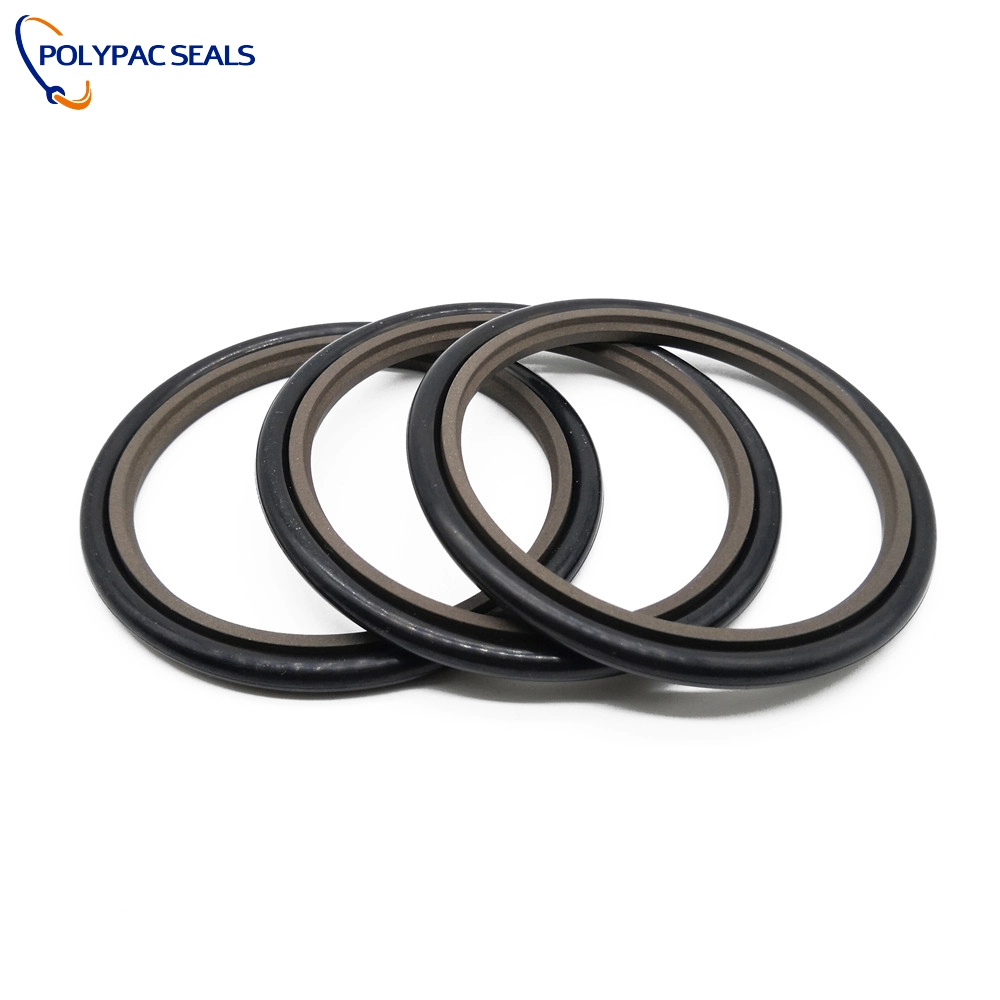
Founded in 2008, Polypac began by manufacturing filled PTFE seals, including bronze-filled PTFE, carbon-filled PTFE, graphite PTFE, MoS₂-filled PTFE, and glass-filled PTFE. Today, we have expanded our product line to include O-rings made from various materials such as NBR, FKM, silicone, EPDM, and FFKM. Polypac's main product portfolio includes O-Rings, Rod Seals, Piston Seals, End Face Spring Seals, Scraper Seals, Rotary Seals, Back-up Rings, and Dust Rings. In my experience Polypac differentiates itself by combining advanced production equipment, material development capabilities, and academic cooperation to provide validated, custom-engineered kits for high-pressure hydraulic applications.
What sets Polypac apart in high-pressure O-ring kits is: manufacturing scale and process control; material R&D (especially filled PTFE and high-performance elastomers); and documented testing/quality control. If your application requires custom compound development, special gland design advice or kit traceability, Polypac can provide engineering support, samples and test reports to qualify seals for demanding environments.
FAQ — Frequently Asked Questions
1. What is the maximum pressure an O-ring can handle?
There is no single maximum pressure for all O-rings. Pressure capability depends on material, cross-section, gland design and whether a backup ring is used. As general guidance, properly backed O-rings can operate in hydraulic pressures ranging into several hundred bar. For absolute values, consult manufacturer data and perform application-specific testing; see Parker's handbook for detailed design guidelines (Parker).
2. Should I buy a standardized AS568 kit or a custom-sized kit?
For common service and maintenance work, an AS568 kit simplifies stocking and replacement. For custom machinery, metric glands or specialized high-pressure applications, a custom kit sized per ISO 3601 and tailored compounds/backups may be required. I usually recommend AS568 for spares and custom kits for machine-specific reliability.
3. When are backup rings mandatory?
Use backup rings when extrusion gaps exist, when system pressures exceed typical elastomer extrusion limits (often above ~200 bar depending on configuration), or when sealing aggressive fluids at high pressure. Backup rings are particularly important for static seals in high-pressure systems.
4. Which elastomer is best for high-pressure hydraulic systems?
NBR and FKM are common for hydraulic oil systems; FFKM is used for extreme chemical or temperature environments. The best choice balances fluid compatibility, temperature, mechanical properties, and cost. For dynamic high-pressure applications, low-friction compounds and backing strategies are critical.
5. How do I verify a high pressure O-ring kit before installation?
Verify dimensions (ID and cross-section), material certificates (compound grade), supplier test reports, and compatibility with your fluid and temperature range. Perform a bench pressure test or pressure-cycle test where possible, and inspect backup ring fit and gland tolerance prior to field installation.
Contact & next steps
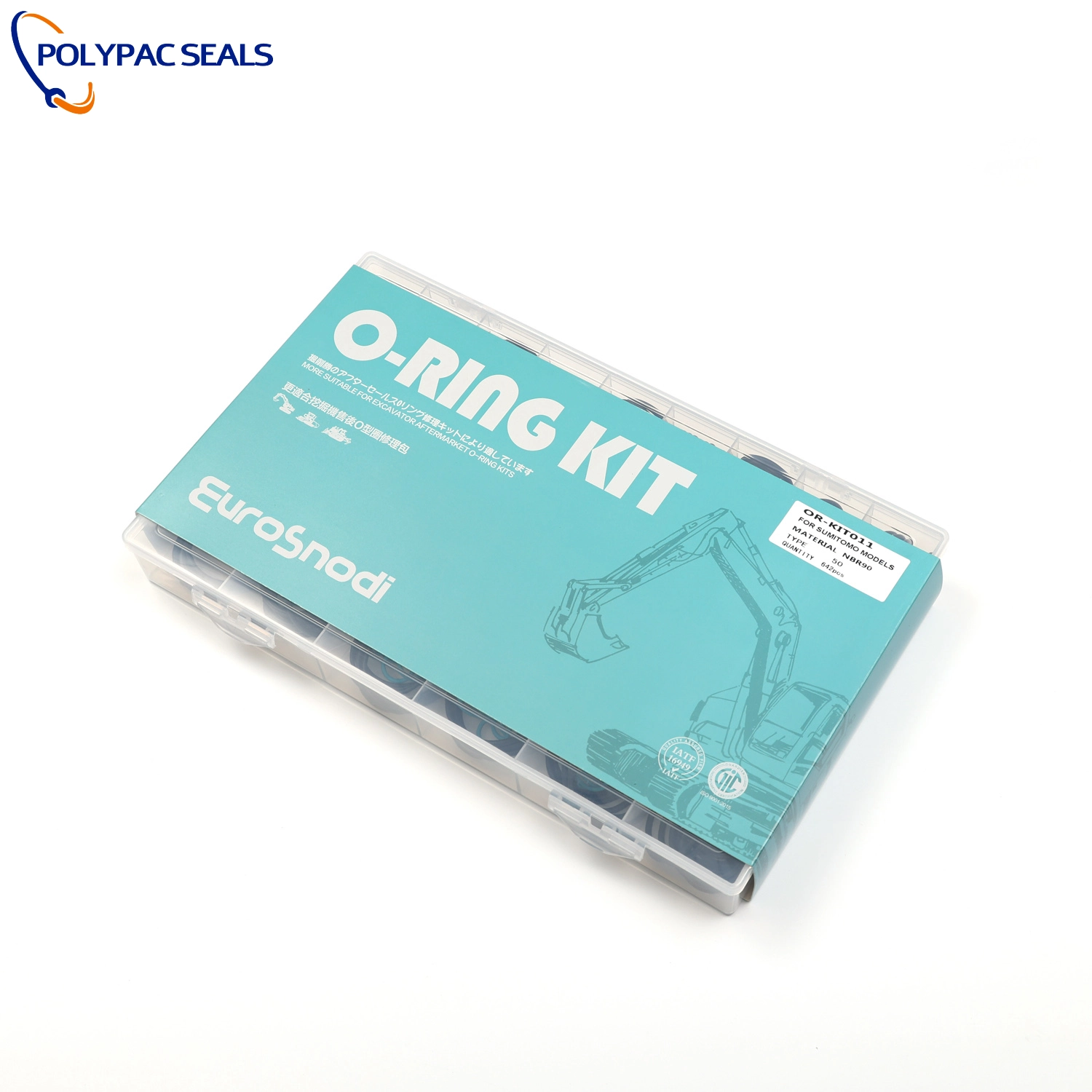
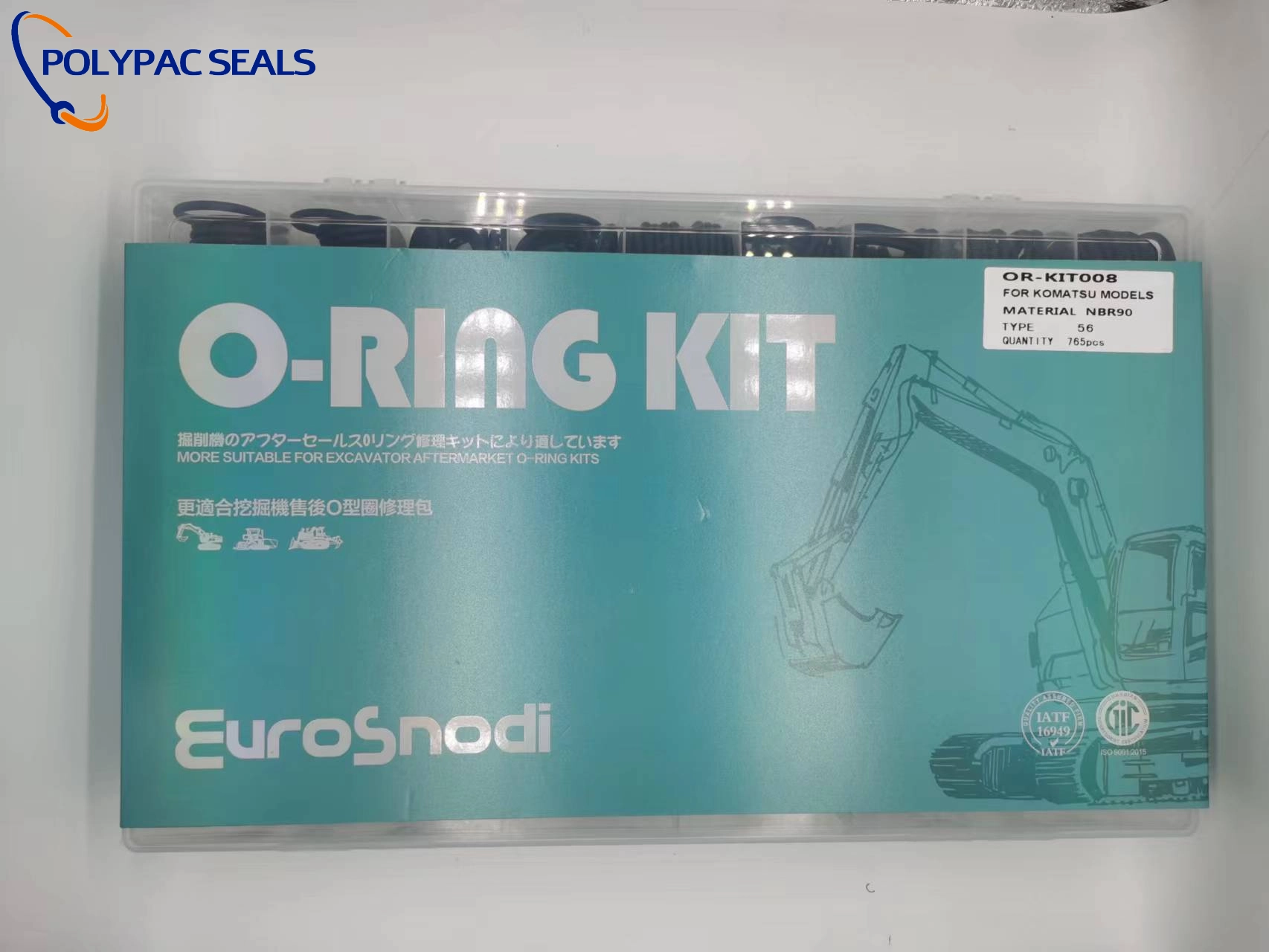
If you need a reliable high pressure o ring kit, I recommend starting with an application review: include max working pressure, fluid type, temperature range, gland drawings and any duty cycles. For custom solutions or validated kits, contact Polypac for technical consultation, samples and test reports. Browse Polypac’s product range including O-Rings, Rod Seals, Piston Seals, End Face Spring Seals, Scraper Seals, Rotary Seals, Back-up Rings and Dust Rings, or request a quote for custom compounds and kit assembly.
Contact Polypac to discuss specifications or request a quotation — we can provide engineering support, drawings, and qualification testing to help you select the correct high pressure o ring kit.

Piston Lip Seals vs. U-Cups: Choosing the Right Hydraulic Solution for High-Pressure Systems

How to Choose the Best Hydraulic Piston Seal Kit for High-Pressure Applications

Hydraulic Cylinder Seals Kits: 5 High-Tech Materials That Double Your Maintenance Interval

How to Choose the Perfect Hydraulic Jack Seals: A Comprehensive Material & Performance Comparison

High-Performance Pneumatic Piston Seals: How to Achieve Zero-Leakage Efficiency
Products
When should I use a spring-energized seal instead of a standard elastomeric seal?
What is the difference between NBR and FKM materials?
How can I prevent seal damage during installation?
What is the difference between a static seal and a dynamic seal?
Can I reuse a seal?
Stay Updated with Industry Insights
Subscribe to our articles and receive the latest news, expert guidance, and technical updates directly in your E-mail.
Rest assured that your privacy is important to us, and all information provided will be handled with the utmost confidentiality.

Polypac is a trusted global supplier of high-performance sealing solutions, providing OEM & ODM services for industries worldwide.
E-mail:
Phone/WhatsApp:
© 2025 Polypac Seals. All Rights Reserved.
dms
DMS
DMS