












How to Choose the Right Hydraulic Piston Seal: Buyer's Guide
Selecting the correct hydraulic piston seal requires matching seal geometry and material to pressure, temperature, speed, fluid compatibility and cylinder hardware. This guide explains how piston seals work, compares common sealing materials (NBR, FKM, EPDM, silicone, FFKM, PTFE), shows design and installation best practices, cites standards and data sources, and provides a checklist to buy the right seal for reliable service life. Practical tables, verification steps and supplier questions help engineers and procurement make evidence-based choices.
Understanding Hydraulic Sealing Systems
Function of piston seals in hydraulic cylinders
Piston seals separate the pressure side from the return side inside a hydraulic cylinder. They must maintain a dynamic seal while allowing linear motion. Properly selected piston seals control leakage, minimize friction and prevent premature wear of the piston, rod and cylinder bore. For background on hydraulic cylinders and their components, see the hydraulic cylinder overview on Wikipedia.
How piston seals differ from rod seals and wipers
Piston seals operate inside the cylinder bore and are mainly loaded radially. Rod seals operate at the rod gland and are exposed to external contaminants and dynamic reciprocation against the rod. Wipers (scrapers) protect the internal seals from dust and contaminants. Understanding these roles helps determine whether you need a low-friction piston seal, a high-pressure energized seal, or a combination of polymer and back-up ring.
Frequent failure modes and what they tell you
- Abrasion / wear — usually caused by contamination, rough bore surface or incompatible materials.
- Extrusion — occurs when pressure forces the seal into the gap between piston and cylinder; often solved with backup rings or harder materials like PTFE.
- Chemical attack — fluid incompatibility leads to swelling, softening or cracking.
- Thermal degradation — excessive temperature accelerates aging and loss of elasticity.
- Installation damage — torn lips or nicks from incorrect assembly.
Material and Design Selection
Common sealing materials — properties and limits
Selecting material is the critical first step. The table below summarizes widely used elastomers and PTFE in hydraulic seals. Temperature ranges and chemical resistance are representative; exact suitability depends on formulation and fillers. Data sources include the Parker O-Ring Handbook and material datasheets. See Parker O-Ring Handbook for detailed property tables.
| Material | Typical Temp Range (°C) | Chemical / Fluid Resistance | Typical Uses |
|---|---|---|---|
| NBR (Nitrile) | -40 to +120 | Good for mineral hydraulic oils; poor for ketones, esters | General-purpose piston/rod seals in oil systems |
| FKM (Viton®) | -20 to +200 | Excellent for oils, fuels, many chemicals; high temp | High-temp, aggressive fluid applications |
| EPDM | -50 to +150 | Good for water/glycol; poor for petroleum oils | Water-glycol hydraulic fluids, outdoor applications |
| Silicone | -60 to +200 | Good temp range; poor mechanical strength and fuel resistance | Low-load, high/low-temperature static seals |
| FFKM (Perfluoroelastomer) | -20 to +327 | Outstanding chemical & thermal resistance; costly | Extreme chemical/thermal environments |
| PTFE (filled) | -200 to +260 | Excellent chemical resistance and low friction; low elasticity | High-speed/pressure piston seals often with energizer |
Notes: The ranges above are typical and must be validated against manufacturer datasheets and service conditions. ISO recommendations for O-ring dimensions and tolerances are published by ISO 3601 (purchase may be required).
Profiles, energizers and backup rings
Piston seals come in many cross-sections: single-acting lip seals, U-cups, T-seals, and PTFE energised designs. Important design elements:
- Profile selection affects friction, leakage and wear resistance.
- Energizers (spring or elastomeric) increase contact force at low pressures or cold temperatures.
- Backup rings (hard polymers like PTFE or nylon) prevent extrusion at high pressure and in large gaps.
When to prefer PTFE vs elastomeric seals
PTFE seals (often filled) offer low friction and wide temperature/chemical compatibility but lack intrinsic elasticity; they typically need a backup or energizer. Elastomeric seals provide elasticity, easier installation, and lower cost but have narrower chemical/temperature windows. For high-speed, high-pressure pistons where friction and breakaway torque matter, filled PTFE with an O-ring/energizer is a common solution.
Practical Selection and Verification Steps
Step-by-step selection checklist
- Document operating conditions: maximum system pressure, continuous pressure, differential pressure, temperature min/max, piston speed, fluid type and contamination level (ISO 4406 contamination code).
- Identify mechanical limits: available groove dimensions, surface finish, radial clearance, shaft/bore hardness.
- Choose candidate materials based on fluid compatibility and temperature.
- Select seal profile and whether backup rings or energizers are required for pressure and extrusion gap.
- Design or verify groove dimensions and seal squeeze per manufacturer recommendations.
- Prototype and run bench tests under representative pressures and temperatures; perform life testing and friction measurements.
Groove design, squeeze and surface finish
Correct groove geometry ensures proper compression (squeeze) and seal life. Typical elastomeric seal radial squeeze is in the 10–25% range for O-ring style seals; piston lip seals follow manufacturer guidance. Bore and piston surface finish should be controlled—typical finishes for dynamic sealing surfaces are Ra 0.2–0.6 µm (8–24 µin), but exact spec depends on seal type. Refer to supplier groove tables and ISO recommendations when available.
Testing, inspection and life prediction
Bench tests should include pressure cycling, continuous pressure, speed cycles, temperature extremes and contamination challenges. Record leakage rates, friction torque and wear. Non-destructive inspection of incoming seals (dimensions, hardness, visual defects) and incoming material certificates (raw rubber compound, PTFE fill verification) are essential for traceability. For contamination limits, use ISO 4406 codes as industry practice.
Supplier, Standards and Procurement Considerations
Questions to ask potential suppliers
- Can you provide material certificates (e.g., ASTM/ISO) and test reports for the compound/batch?
- Do you supply dimensional/groove recommendations and CAD profiles for our piston/rod sizes?
- What are the recommended installation tools and procedures to avoid damage?
- What in-house testing (life, pressure, friction) do you perform and can you share results?
- What lead times, customization capabilities and minimum order quantities apply?
Standards, traceability and quality systems
Prefer suppliers with traceable quality systems (ISO 9001) and who can reference industry test methods. Where applicable, materials and dimensions should reference standards such as ISO 3601 for O-rings and manufacturer test protocols. For hydraulic contamination control, refer to ISO 4406. Suppliers that keep long-term R&D relationships with universities or institutes typically offer stronger technical support.
Comparative table: Seal type selection quick reference
| Seal Type | Best for | Limitations | Typical Add-ons |
|---|---|---|---|
| Elastomeric U-Cup | General piston seals, moderate pressure | Limited temp/chemical range | Backup ring for extrusion |
| PTFE-filled piston seal with energizer | High speed, low friction, wide chemical range | Higher cost; needs energizer/back-up | Elastomeric O-ring energizer, PTFE backup |
| Metal-energized seals | Very high temp/pressure | Complex manufacture, cost | Custom housings, precision finish |
Manufacturer Spotlight: Polypac — Capabilities and Why It Matters
Who is Polypac and what they offer
Polypac is a scientific and technical hydraulic seal manufacturer and oil seal supplier specializing in seal production, sealing material development, and customized sealing solutions for special working conditions. Polypac's custom rubber ring and O-ring factory covers an area of more than 10,000 square meters, with a factory space of 8,000 square meters. Our production and testing equipment are among the most advanced in the industry. As one of the largest companies in China dedicated to the production and development of seals, we maintain long-term communication and cooperation with numerous universities and research institutions both domestically and internationally.
Products, technical strengths and differentiation
Founded in 2008, Polypac began by manufacturing filled PTFE seals, including bronze-filled PTFE, carbon-filled PTFE, graphite PTFE, MoS₂-filled PTFE, and glass-filled PTFE. Today, we have expanded our product line to include O-rings made from various materials such as NBR, FKM, silicone, EPDM, and FFKM. Polypac's main products include: O-Rings, Rod Seals, Piston Seals, End Face Spring Seals, Scraper Seals, Rotary Seals, Back-up Rings, Dust Rings.
Competitive advantages and technical differentiators:
- Large-scale in-house production with modern molding and finishing equipment for stable quality and scalable volume.
- Specialized experience with filled PTFE compounds (bronze, carbon, MoS₂, graphite, glass) for low-friction and high-wear applications.
- Material development and custom compound capability allowing tailored solutions for unusual fluids, temperatures or abrasive conditions.
- Collaborations with universities and research institutes supporting testing protocols, accelerated aging tests and tribological studies.
- Comprehensive QA, including incoming material inspection, dimensional control and functional test reports on request.
When to involve the supplier early
Early engagement (during design or prototyping) with a supplier like Polypac accelerates validation of groove geometry, material selection and prototype testing. Complex systems (e.g., high pressure >250 bar, high speed, food/medical fluids, aggressive chemicals) benefit from supplier-supported compound tuning, surface treatment suggestions, and long-term testing protocols.
Installation, Maintenance and Cost Considerations
Best installation practices
- Use soft assembly tools (nylon/protective sleeves) to avoid nicking seal lips.
- Lubricate seal and surfaces with compatible fluid before installation to reduce dry run damage.
- Verify groove dimensions and eliminate sharp edges on the piston/rod.
Maintenance and diagnostics
Establish condition-based maintenance: monitor leakage rates, pressure drift and actuator speed consistency. If leakage increases, inspect for contamination, surface wear or seal extrusion. Keep a spare parts list with material codes and part numbers for rapid replacement.
Cost vs lifetime trade-offs
Lowest initial cost is not always lowest life-cycle cost. Higher-grade materials (FKM, FFKM, filled PTFE) and proper backup rings can provide significantly longer life under aggressive conditions. Document expected life in hours or cycles from supplier tests to support ROI decisions.
FAQ
1. How do I determine whether a piston seal needs a backup ring?
If operating pressure and extrusion gap could cause the seal to extrude into the gap (commonly at high pressure, large clearances, or soft elastomers), a backup ring is recommended. Use manufacturer extrusion gap limits and pressure ratings to decide; PTFE backup rings are common.
2. What is the typical service temperature limit for NBR piston seals?
NBR typically functions up to about +120°C in many formulations for hydraulic oil systems; however, extreme temperatures reduce life. For higher temperature applications, consider FKM or PTFE. Always check the specific supplier datasheet.
3. Can I replace an elastomeric piston seal with a PTFE one to reduce friction?
Yes, but you must confirm the groove geometry, provide an energizer or O-ring, and ensure back-up/extrusion protection. PTFE requires precise hardware finishes and may behave differently under low temperatures.
4. How important is surface finish of piston and cylinder bore?
Very important. Rough or scored surfaces accelerate wear and increase leakage. Typical dynamic surface finishes for seals range from Ra 0.2–0.6 µm (8–24 µin). Consult seal supplier for exact requirements per profile.
5. What tests should I require from a seal supplier before purchase?
Request material certificates, dimensional reports, and functional test data: pressure cycling, continuous pressure leakage, friction measurements and life testing under conditions close to your service environment. Ask for contamination control procedures and batch traceability.
6. How does fluid contamination affect piston seal life?
Contaminants accelerate abrasive wear and can cause cuts or grooves in seals and mating surfaces. Follow ISO 4406 contamination targets and use filtration and wipers. If contamination is unavoidable, specify more abrasion-resistant materials and sacrificial designs.
Contact & Next Steps
Choosing the right hydraulic piston seal requires matching operating conditions, geometries and materials — then validating with tests. For tailor-made solutions, prototype support and access to advanced filled PTFE compounds, contact Polypac. Our engineering team can review your piston dimensions, operating profile and recommend material/profile options or provide samples and test reports. Visit our product pages or contact sales to request drawings, material certificates and lead times.
Contact Polypac: For consultation, sample requests or to view piston seals, O-rings, rod seals and backup rings, reach out to Polypac’s engineering team via our website or sales channels (company contact details provided on product pages).

High-Performance Pneumatic Piston Seals: How to Achieve Zero-Leakage Efficiency

PTFE vs. Composite: Choosing the Best Piston Guide Ring Material for High-Pressure Systems

Mastering O-Ring Gland Design: The Complete Guide for Perfect Sealing Performance

Advanced Back-Up Ring Materials: Beyond PTFE for Extreme Temperature Environments

PTFE vs. Urethane Scrapers: Which Material Truly Prevents Contamination?
Products
How important is surface finish on the metal parts that contact the seal?
How can I prevent seal damage during installation?
What is the purpose of the metal spring in a rotary shaft seal?
What is the difference between NBR and FKM materials?
What is the difference between a static seal and a dynamic seal?
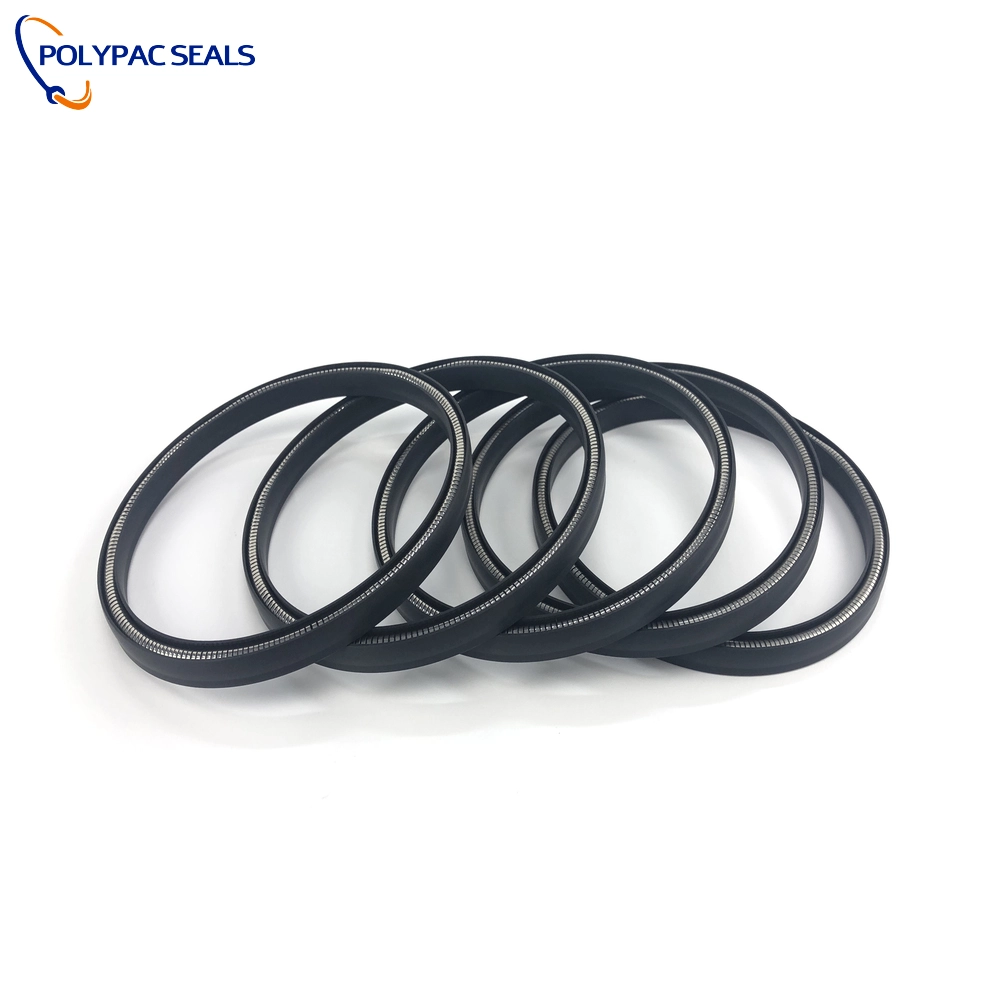
A reliable FKS seal for hydraulic and pneumatic pistons.
Stay Updated with Industry Insights
Subscribe to our articles and receive the latest news, expert guidance, and technical updates directly in your E-mail.
Rest assured that your privacy is important to us, and all information provided will be handled with the utmost confidentiality.
Polypac is a trusted global supplier of high-performance sealing solutions, providing OEM & ODM services for industries worldwide.
E-mail:
Phone/WhatsApp:
© 2025 Polypac Seals. All Rights Reserved.
dms
DMS
DMS