












Hydraulic Piston Seal Selection Guide for High-Pressure Systems
This guide helps engineers, maintenance managers, and procurement teams choose the right hydraulic piston seal for high-pressure systems. It summarizes selection criteria—pressure, temperature, fluid compatibility, extrusion risk, dynamic vs. static conditions—and provides material comparisons, groove and backup-ring guidance, testing recommendations, and service-life optimization strategies to reduce downtime and leakage risks. The recommendations reference industry standards and authoritative technical sources to support specification decisions.
Understanding high-pressure hydraulic systems
What defines high-pressure in hydraulics
Hydraulic systems are commonly considered high-pressure when operating above typical industrial levels (commonly >2500 psi / ~170 bar). Many mobile and industrial hydraulics operate between 1000–3500 psi (70–240 bar); specialty systems can exceed 5000 psi (345 bar). Always refer to system design limits and manufacturer data. For general guidance on hydraulic cylinders and systems see the hydraulic cylinder overview on Wikipedia.
Key failure modes at high pressure
At elevated pressures, seals face accelerated extrusion, increased frictional heating, higher wear rates, and potential chemical degradation from hydraulic fluids. Extrusion through clearances is often the dominant failure mechanism for piston seals; back-up rings and material stiffness are primary countermeasures. Understanding whether the application is dynamic (reciprocating piston) or static (pressurized static cavity) determines material choice and geometry.
High-pressure performance metrics
Designers should track:
- Maximum operating pressure (burst vs. continuous rating)
- Surface speed (m/s) and stroke profile
- Temperature range (ambient and fluid)
- Fluid type and contamination levels
- Acceptable leakage rate and permitted service intervals
Material and seal type selection
Common materials and their suitability
Material selection balances hardness, chemical compatibility, temperature tolerance, and extrusion resistance. Below is a practical comparison used for piston seal selection in high-pressure systems.
| Material | Typical temp range (°C) | Strengths | Limitations | High-pressure suitability |
|---|---|---|---|---|
| NBR (Nitrile) | -30 to 120 | Good oil compatibility, cost-effective | Limited high-temp and ozone resistance | Moderate; suitable for many hydraulic oils up to mid pressures when coupled with mechanical support |
| HNBR | -30 to 150 | Improved heat and oil resistance vs. NBR, good wear | Less flexible at low temps than NBR | Good; commonly used for piston/rod seals in mobile/industrial hydraulics |
| FKM (Viton) | -20 to 200 | Excellent heat and chemical resistance | Higher cost, lower resilience | Good for high-temp, high-pressure systems with aggressive fluids |
| PU (Polyurethane) | -30 to 100 | Very high abrasion resistance and mechanical strength | Sensitivity to certain fluids (e.g., ketones), lower high-temp capability | Excellent for reciprocating pistons under high pressure, widely used as piston seals |
| PTFE (Teflon) & filled PTFE | -200 to 260 (base PTFE) | Low friction, broad chemical resistance | Low elasticity; needs energizers or custom profiles | Excellent extrusion resistance; ideal for very high-pressure applications when combined with elastomer energizers or backup rings |
| FFKM (perfluoroelastomer) | -20 to 250 | Top chemical and temp resistance | Very high cost | Used selectively where extreme chemical/thermal resistance is required |
Sources: material summaries from manufacturer datasheets and material overviews such as Nitrile rubber and PTFE. For practical selection guidance see Parker's O-Ring Handbook (Parker O-Ring Handbook).
Seal types: single-acting piston seals, double-acting, and combined designs
Piston seals are typically single-acting (seal pressure on one side) or double-acting (seal must resist pressure reversals). Common seals for high-pressure pistons include polyurethane piston rings, PTFE composite piston seals, and energized PTFE profiles. Considerations include extrusion gap, energy (friction), and ease of assembly. In double-acting applications, symmetric seals or paired seals with anti-extrusion elements are standard.
When to use backup rings and anti-extrusion devices
Backup rings (often PTFE) are essential when the extrusion gap exceeds the seal material's capability at working pressure. For example, elastomers without backup rings may extrude at pressures above their practical limit. Use backup rings in piston and rod grooves where pressure >200 bar (2900 psi) is expected or where tolerances cannot be tightly controlled. For guideline dimensions and groove recommendations, reference Parker's handbook and relevant ISO standards such as ISO 3601 for O-ring practice and consult manufacturer data for piston-specific standards.
Design details: grooves, tolerances, and installation
Groove geometry and tolerances
Correct groove dimensions control seal compression and extrusion risk. Grooves that are too wide permit extrusion; too shallow increases friction and wear. For O-rings and standard seals, ISO 3601 provides dimensional guidance (ISO 3601). For custom piston seals, engage the seal supplier for CAD-level tolerance sheets; many manufacturers (e.g., Parker) publish recommended groove tables for different materials and hardnesses (Parker O-Ring Handbook).
Surface finish and hardness of mating components
Surface finish (Ra) and hardness influence sealing life. Typical recommendations for dynamic piston seals:
- Surface finish: 0.2–0.8 µm Ra for polished rod/piston surfaces; avoid peaks that cut the seal
- Hardness: 40–60 HRC for metal surfaces is excessive; instead specify carburized or hard-chromed surfaces with hardness appropriate to application and avoid grinding marks that create micro-abrasion
Installation best practices and common mistakes
Always inspect grooves and mating surfaces for burrs. Use assembly tools to avoid cutting seals; lubricate seals with compatible hydraulic fluid during installation; avoid over-stretching O-rings and energizers. Common mistakes include:
- Using elastomers without backup rings at pressures above their extrusion limit
- Incorrect groove depth increasing friction and heat
- Neglecting fluid compatibility leading to swelling or hardening
Testing, verification and lifecycle strategies
Factory and field testing protocols
Specify both bench testing (pressure-hold, leakage, friction torque/speed tests) and field acceptance tests. Pressure-hold tests at 1.1–1.5× maximum operating pressure for a defined period help reveal extrusion or material failures. Dynamic tests should replicate stroke length, speed, temperature, and contamination levels expected in service. Use quantifiable criteria—leakage rate (cc/min), friction force (N), and wear (mm after cycles)—to judge pass/fail. Reference test procedures in supplier data and industry practices.
Monitoring and predictive maintenance
Implement condition-based maintenance where possible: monitor pressure spikes, temperature excursions, and cycle count. Inline filtration to maintain ISO cleanliness classes (e.g., ISO 4406) reduces abrasive wear. Track seal life in the equipment database and use progressive replacement schedules before predicted end-of-life to avoid catastrophic failure.
Case study: improving seal life via material and groove changes
Example (anonymized): a hydraulic press experiencing frequent piston seal extrusion at 280 bar was transitioned from NBR piston rings to filled PTFE composite seals with a concentric backup ring and slightly reduced radial clearance. Post-change, leakage events dropped by 90% and mean time between failures increased from 6 months to >30 months. This demonstrates the combined impact of material choice and mechanical support.
Polypac: capabilities and product relevance for high-pressure piston seals
Company profile and technical strengths
Polypac is a scientific and technical hydraulic seal manufacturer and oil seal supplier specializing in seal production, sealing material development, and customized sealing solutions for special working conditions. Founded in 2008, Polypac began by manufacturing filled PTFE seals (bronze-filled PTFE, carbon-filled PTFE, graphite PTFE, MoS₂-filled PTFE, glass-filled PTFE). Today Polypac's product line includes O-rings in NBR, FKM, silicone, EPDM, and FFKM, alongside piston seals, rod seals, and a comprehensive suite of sealing components suitable for high-pressure applications.
Production scale, R&D and quality assurance
Polypac's custom rubber ring and O-ring factory covers more than 10,000 square meters, with a factory space of 8,000 square meters. The production and testing equipment are among the most advanced in the industry. As one of China's largest companies dedicated to seal production and development, Polypac maintains long-term collaborations with universities and research institutions domestically and internationally. This industrial scale and technical collaboration underpin reliable quality control, repeatable material formulations, and advanced testing protocols for high-pressure piston seals.
Relevant product range and competitive advantages
Polypac manufactures and supplies:
- O-Rings
- Rod Seals
- Piston Seals
- End Face Spring Seals
- Scraper Seals
- Rotary Seals
- Back-up Rings
- Dust Rings
Practical selection checklist
Step-by-step pre-spec checklist
- Record maximum and continuous operating pressure, including spikes.
- Define temperature extremes and thermal cycling.
- Identify hydraulic fluid type and contamination levels.
- Decide dynamic vs. static operation and typical surface speeds.
- Specify permissible leakage and friction constraints.
- Confirm groove geometry and allowable tolerances; consult seal supplier.
- Design for anti-extrusion: select backup rings or PTFE-filled profiles as needed.
- Plan bench and field testing protocol and acceptance criteria.
When to consult a specialist
Engage an experienced seal supplier or engineering consultant when: pressures exceed standard catalog limits, aggressive fluids are used, temperature cycles are extreme, or when lifecycle costs and downtime are critical. A supplier like Polypac can provide material testing, customized compounds, and drawing-level design support for piston seal assemblies.
Reference and standards for further reading
Key references:
- Parker O-Ring Handbook — practical design and groove guidance (link).
- ISO 3601 — O-rings and standard practice (information page: ISO 3601).
- Hydraulic cylinder overview and basic behavior: Wikipedia.
- Material references: Nitrile rubber (link), PTFE (link).
FAQ — Common questions about hydraulic piston seal selection
1. What is the best material for a piston seal in a 300 bar hydraulic cylinder?
There is no single best material; common approaches for 300 bar include using polyurethane piston rings for abrasion resistance or filled PTFE composite piston seals with a resilient elastomer energizer plus backup rings for extrusion control. Consider temperature, fluid type, and groove tolerances before finalizing.
2. Do I always need a backup ring for high-pressure seals?
Not always, but backup rings are recommended when the extrusion gap and pressure make elastomer extrusion likely. For pressures above ~200–250 bar, or where machining tolerances cannot be tightly controlled, backup rings are a prudent design choice.
3. How do I choose between PTFE and polyurethane for dynamic pistons?
Polyurethane offers superior abrasion resistance and elasticity for many dynamic applications at moderate temperature ranges. PTFE (especially filled grades) provides lower friction and exceptional extrusion resistance at very high pressures, but requires an energizer to maintain sealing and may be less forgiving in rough-surface conditions. Often a hybrid PTFE + elastomer solution or composite piston seal is optimal.
4. What tests should be specified to verify a piston seal design?
Specify pressure-hold (1.1–1.5× maximum operating pressure), dynamic cycling tests replicating operating speed and stroke, temperature chamber testing across the service range, and wear measurements after defined cycle counts. Include acceptance criteria for leakage, friction, and dimensional wear.
5. How does contamination affect seal life and what can be done?
Contamination accelerates abrasive wear and can cause early leakage. Implementing proper filtration (to an appropriate ISO 4406 cleanliness class), using magnetic or centrifugal particle separators, and designing seals with dirt-exclusion features (scrapers/dust rings) significantly extend service life.
Contact and product inquiry
If you need application-specific advice, custom seal design, or product samples for high-pressure piston seals, contact Polypac’s technical team for consultation and drawings review. Polypac supplies O-Rings, Rod Seals, Piston Seals, End Face Spring Seals, Scraper Seals, Rotary Seals, Back-up Rings, and Dust Rings and can support custom compounds and PTFE-filled solutions for extreme working conditions. For inquiries and product details, contact Polypac to discuss specifications, testing protocols, and lead times.

Top 5 Piston Seal Ring Materials Compared: Which One Actually Stops Leaks?

O-Ring Working Principle: The Science Behind Simple, Reliable Sealing

Stop the Leaks: How a Pro-Grade Hydraulic O-Ring Kit Saves You Thousands in Downtime

Maximize Efficiency and Reliability: Why O-Ring Rubber Seals Are Critical for Preventing Leaks and Boosting Industrial System Performance

Protection and Efficiency: The Critical Role of Rod Scraper Seals in Hydraulic Systems
Products
How can I prevent seal damage during installation?
What is the difference between NBR and FKM materials?
What is the difference between a static seal and a dynamic seal?
Can I reuse a seal?
Why did my O-ring fail prematurely?
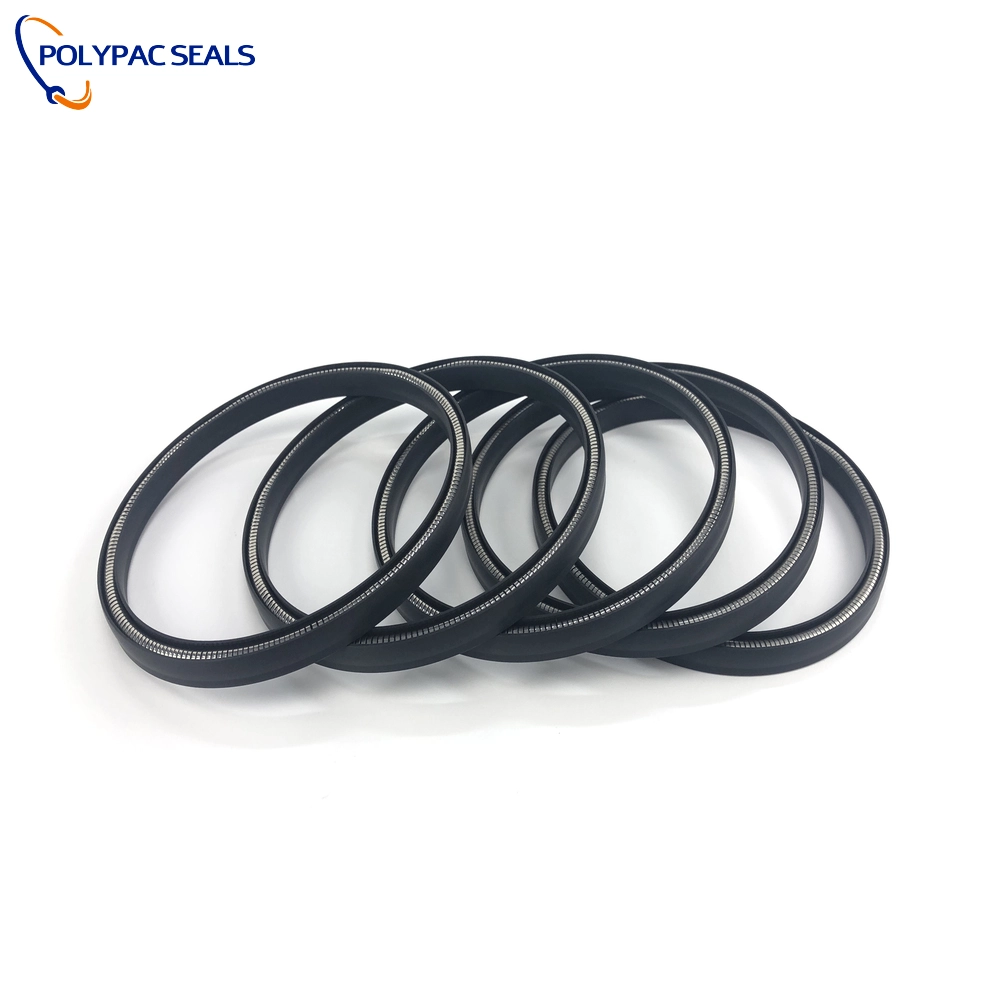
A reliable FKS seal for hydraulic and pneumatic pistons.
Stay Updated with Industry Insights
Subscribe to our articles and receive the latest news, expert guidance, and technical updates directly in your E-mail.
Rest assured that your privacy is important to us, and all information provided will be handled with the utmost confidentiality.

Polypac is a trusted global supplier of high-performance sealing solutions, providing OEM & ODM services for industries worldwide.
E-mail:
Phone/WhatsApp:
© 2025 Polypac Seals. All Rights Reserved.
dms
DMS
DMS