












Maintenance Tips for PTFE Seals in Industrial Equipment
Why PTFE Seals Matter in Modern Industry
PTFE seals are widely used because of their low friction, wide temperature range and chemical resistance — characteristics that make ptfe sealing solutions a preferred choice in demanding hydraulic, pneumatic and rotary applications. Understanding how PTFE behaves in service conditions helps maintenance teams extend seal life, reduce downtime and choose appropriate replacement strategies.
Understanding PTFE Materials and Filled PTFE Variants
Not all PTFE sealing solutions are identical. Virgin PTFE offers excellent chemical resistance and a low coefficient of friction but relatively low mechanical strength and higher cold flow (creep). Filled PTFE compounds (bronze, carbon, graphite, MoS2, glass) are engineered to reduce wear, improve thermal conductivity and decrease cold flow. Selecting the correct PTFE compound for the operating pressure, temperature and media is the first maintenance decision: correct material selection reduces replacement frequency and failure risk.
Comparative Properties of Common Filled PTFE
| Fill Type | Primary Benefit | Typical Applications | Notes on Maintenance |
|---|---|---|---|
| Bronze-filled PTFE | Improved thermal conductivity, higher strength | High-speed rotary, moderately loaded hydraulics | Less creep; verify compatibility with abrasive particulates |
| Carbon-filled PTFE | Good wear resistance, lower friction | Reciprocating seals, dynamic rod seals | Good all-round; inspect for abrasive wear on mating surfaces |
| Graphite-filled PTFE | High-temperature stability, improved lubricity | High-temp valves, steam service | Inspect for oxidation and particulate contamination |
| MoS₂-filled PTFE | Very low friction under boundary lubrication | Severe friction environments, start/stop operations | Best for dry starts; check for surface scoring |
| Glass-filled PTFE | Higher stiffness, dimensional stability | High-load static and slow-moving seals | Careful with brittle failure modes; inspect edges |
Reference tables like this help maintenance planners choose ptfe sealing solutions suited to the plant's operating envelope.
Common Failure Modes of PTFE Seals and Detection
Maintenance teams should know typical failure modes to spot issues early. Common modes include extrusion and cold flow, abrasive wear, cutting (due to rough surfaces or particulates), thermal degradation (oxidation of fillers), and installation damage (nicks, twisting). Regularly monitoring leak rates, pressure stability, and unusual noise or vibration helps detect ptfe sealing solutions trending toward failure.
Routine Inspection and Recommended Maintenance Schedule
Establishing an inspection cadence for ptfe sealing solutions depends on duty cycle and criticality. Recommended baselines (adjust to site conditions):
- Critical hydraulic systems: visual daily/operational checks, functional pressure checks weekly, detailed inspection quarterly.
- Moderate-duty systems: visual weekly, functional monthly, detailed semi-annually.
- Low-use or static seals: visual monthly, detailed annually.
Cleaning, Lubrication and Chemical Compatibility
Cleaning is a routine but critical maintenance action for ptfe sealing solutions. PTFE resists most chemicals, but fillers and mating materials can be sensitive. Use compatible cleaners (isopropyl alcohol, mild detergents) and avoid aggressive solvents on any adjacent elastomeric components. When lubrication is needed for assembly or to reduce start-up friction, choose lubricants compatible with the process fluid and the PTFE compound (e.g., machine oils for dynamic seals, food-grade lubricants for sanitary systems). Always confirm that the lubricant will not attract abrasive particles or cause swelling of neighboring elastomers.
Chemical Compatibility Quick Guide
| Chemical Group | PTFE Response | Notes for Fillers |
|---|---|---|
| Acids and Bases | Generally resistant | Fillers typically unaffected; verify corrosion on metal components |
| Solvents (ketones, esters) | Mostly resistant | Some fillers may cause differential swelling on adjacent elastomers |
| Halogenated Solvents | PTFE resistant, but check system materials | Aggressive cleaning may affect seals’ mating surfaces |
Installation Best Practices to Maximize Service Life
Proper installation reduces early-life failures of ptfe sealing solutions. Key steps:
- Inspect gland and mating components for burrs, nicks, and surface finish anomalies before fitting.
- Use assembly aids (installers, cones, chamfers) to avoid twisting or rolling the PTFE seal.
- Ensure correct squeeze and gland geometry; excessive compression increases friction and wear, while insufficient compression allows extrusion.
- Verify that backup rings, where required, are installed correctly to prevent extrusion at high pressures.
Gland Design and Surface Finish Recommendations
Gland design is part of preventive maintenance. Recommended surface finish for mating metal components when using ptfe sealing solutions is typically in the range of 0.4–1.6 μm Ra (16–63 μin); hardness and roundness tolerances also matter. For high-pressure or reciprocating applications, a polish coupled with engineered backup rings can significantly extend seal life. These values are standard industry guidance; always consult the specific compound datasheet and supplier recommendations.
Troubleshooting and On-site Repair Strategies
When a ptfe sealing solution fails in service, follow a structured troubleshooting process:
- Collect evidence: operating pressure/temperature, process fluid, photos of the failed seal and mating surfaces.
- Classify failure: leakage (start/steady), wear pattern (abrasive, adhesive), mechanical damage (cutting, extrusion), or thermal damage.
- Short-term repairs: clean and refit with a spare seal only if the mating surfaces and gland are undamaged; otherwise, shutdown and repair.
- Long-term corrective actions: change compound (filled variant), alter gland/guidance to reduce extrusion, add filtration to reduce particulate ingress, or adjust operating conditions.
Testing and Quality Verification for PTFE Sealing Solutions
Quality checks confirm field reliability. Typical tests used in maintenance and QA include leak tests (bubble, pressure decay), dimensional verification, hardness checks for filled PTFE (where applicable), and surface roughness checks for mating parts. For critical applications, consider accelerated wear testing or lab analysis of a failed seal to determine wear mechanisms. Documenting test conditions and results helps suppliers and R&D teams recommend improved ptfe sealing solutions.
Polypac: Custom PTFE Sealing Solutions and Manufacturing Strength
Polypac is a scientific and technical hydraulic seal manufacturer and oil seal supplier specializing in seal production, sealing material development, and customized sealing solutions for special working conditions. Polypac's custom rubber ring and O-ring factory covers an area of more than 10,000 square meters, with a factory space of 8,000 square meters. Our production and testing equipment are among the most advanced in the industry. As one of the largest companies in China dedicated to the production and development of seals, we maintain long-term communication and cooperation with numerous universities and research institutions both domestically and internationally.
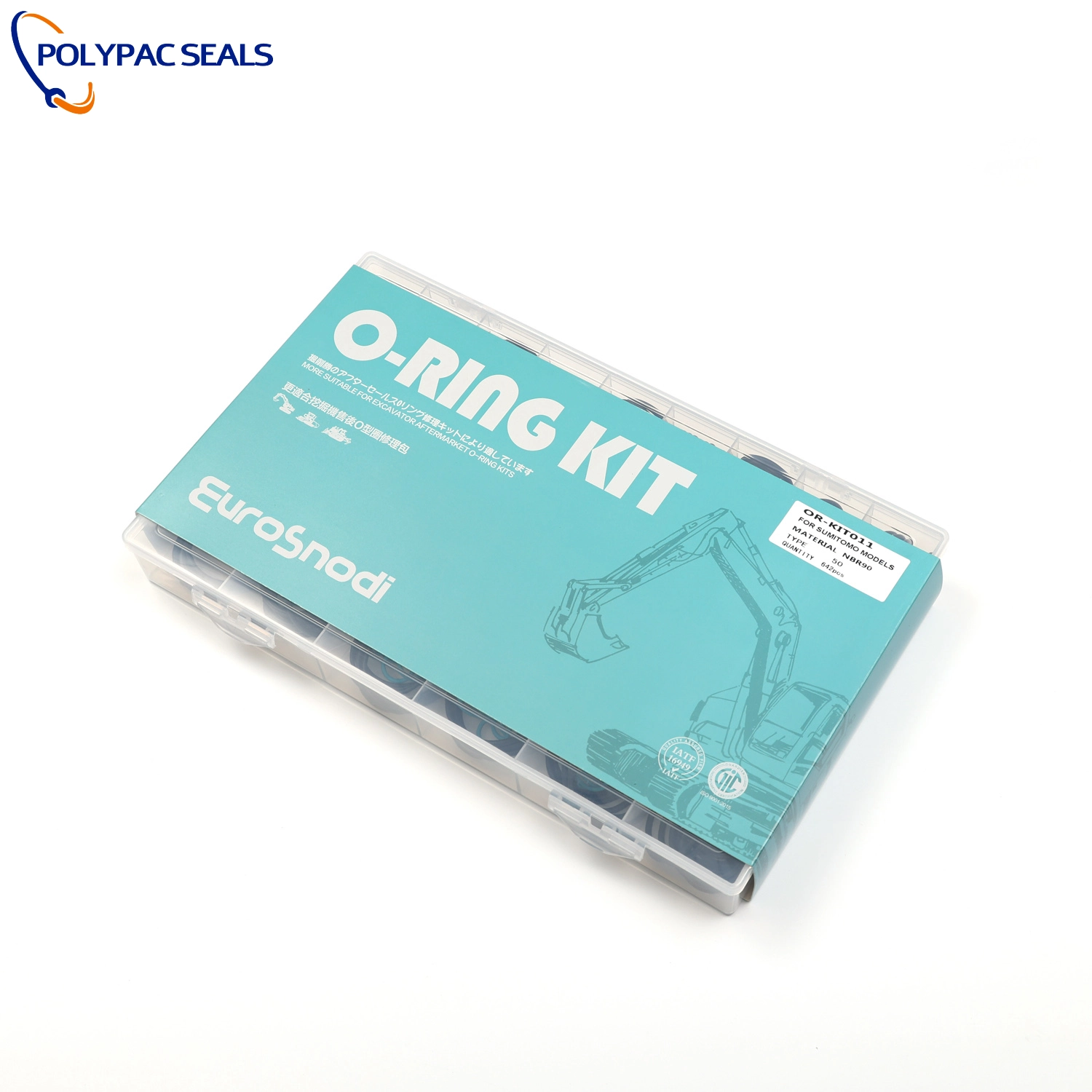
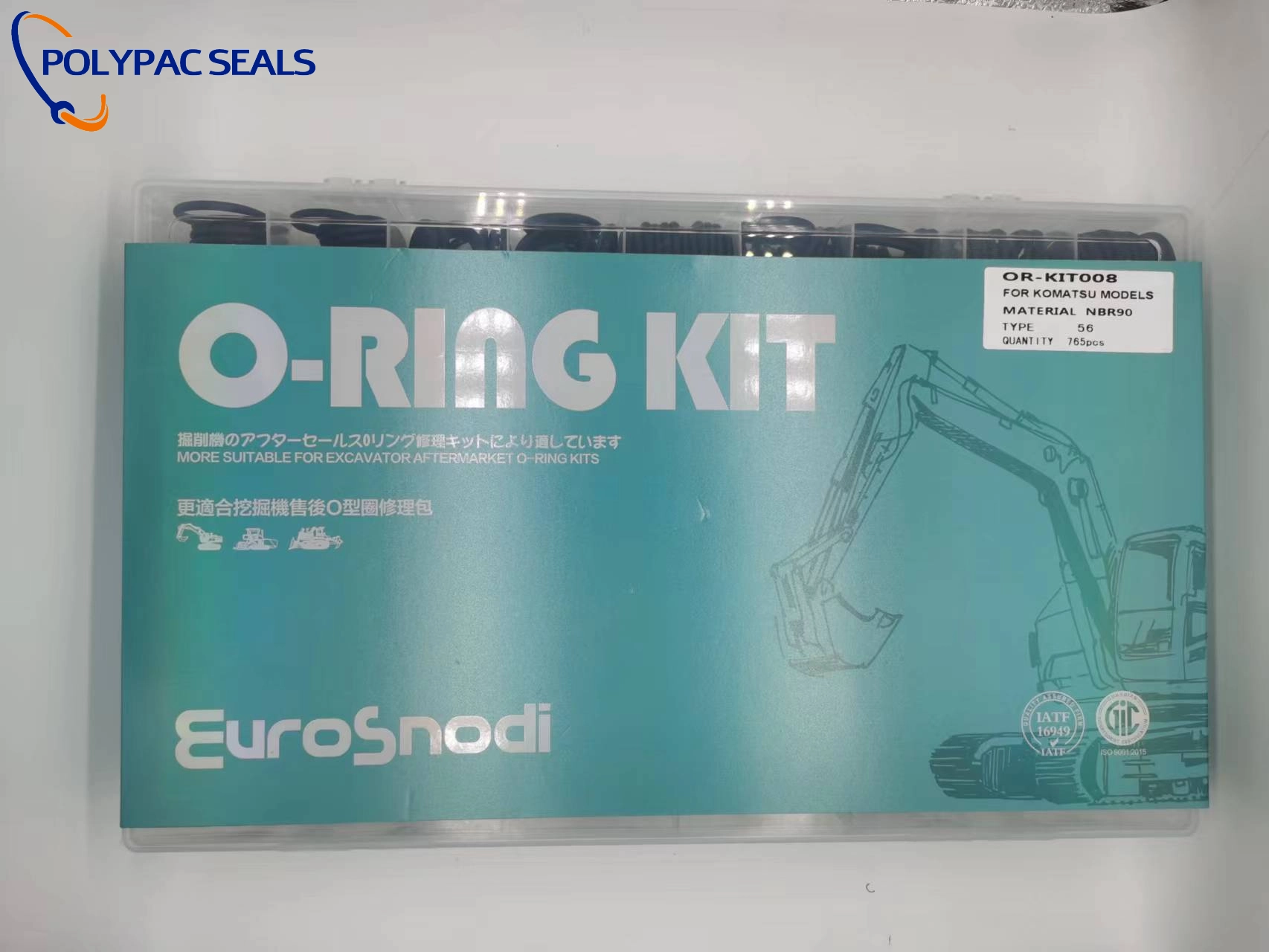
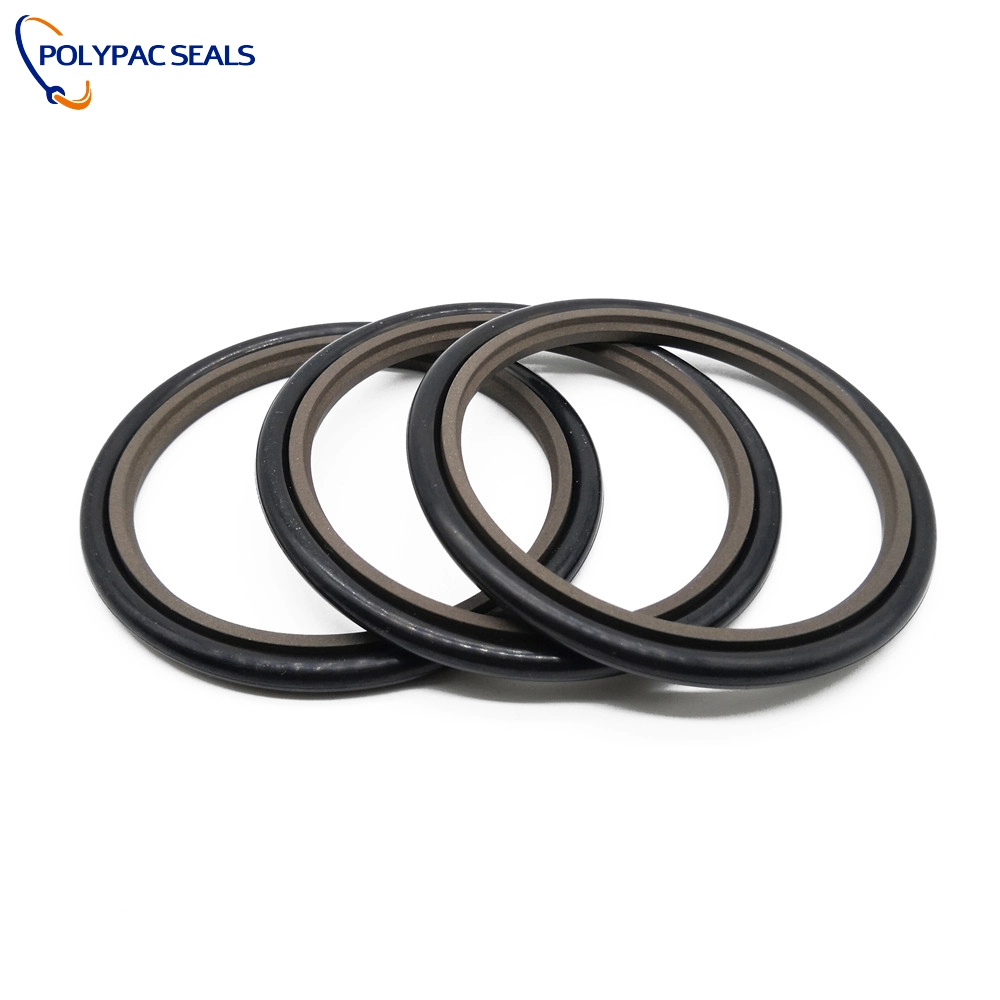
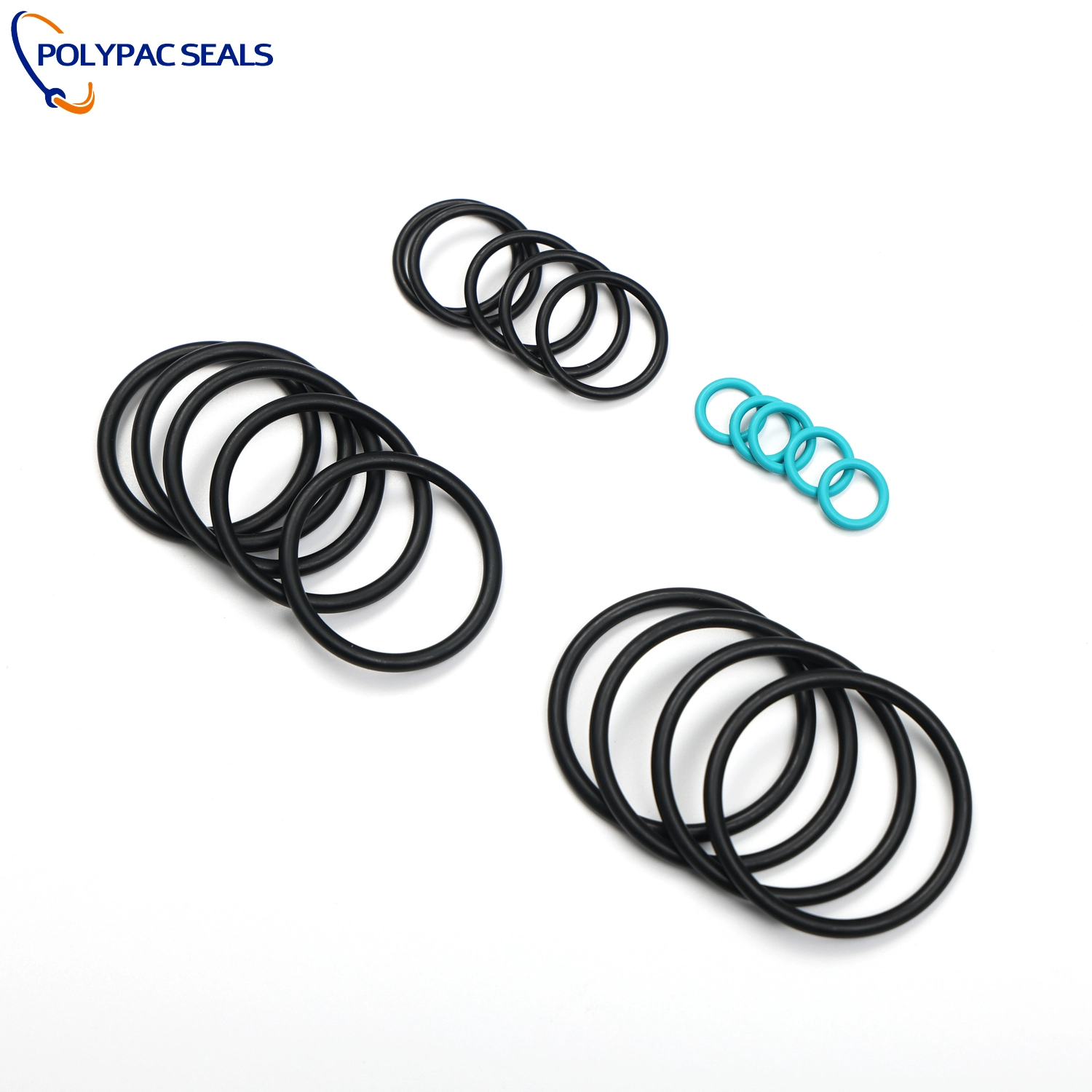
Founded in 2008, Polypac began by manufacturing filled PTFE seals, including bronze-filled PTFE, carbon-filled PTFE, graphite PTFE, MoS₂-filled PTFE, and glass-filled PTFE. Today, we have expanded our product line to include O-rings made from various materials such as NBR, FKM, silicone, EPDM, and FFKM. Polypac's core products and advantages include O-Rings, Rod Seals, Piston Seals, End Face Spring Seals, Scraper Seals, Rotary Seals, Back-up Rings, and Dust Rings. Polypac differentiates itself by advanced material development, custom compound formulation, robust in-house testing, and large-scale production capacity — enabling tailored ptfe sealing solutions for high-pressure, high-temperature, and contamination-prone environments.
Concluding Maintenance Checklist for PTFE Sealing Solutions
Use this checklist as a working template in your maintenance program:
- Verify material selection against operating conditions (pressure, temperature, fluid).
- Inspect mating surfaces for finish, roundness and hardness during every major service.
- Follow documented inspection intervals and record trends.
- Use correct assembly tools and lubricants; avoid twisting the seal during installation.
- Maintain filtration and cleanliness to minimize abrasive wear.
- Retain failed seals and send to supplier for failure analysis when patterns repeat.
FAQ — Common Questions About PTFE Seals and Maintenance
1. How often should PTFE seals be inspected in hydraulic equipment?
Inspection frequency depends on criticality. For critical systems, perform daily operational checks, weekly pressure checks, and quarterly detailed inspections. For less critical systems, monthly to semi-annual detailed inspections may suffice. Always adapt to duty cycle and process conditions; these recommendations assume standard industrial environments where ptfe sealing solutions are used.
2. Which cleaning agents are safe for PTFE seals?
PTFE itself is chemically inert and tolerates most solvents; safe general-purpose cleaners include isopropyl alcohol and mild detergents. Avoid aggressive abrasive cleaning on filled seals and always consider compatibility with adjacent elastomers or coatings when choosing a cleaner for ptfe sealing solutions.
3. Can PTFE seals be used without lubrication?
PTFE has a low coefficient of friction and in many applications can operate with minimal lubrication. However, for start/stop conditions or to reduce wear during installation, a compatible lubricant is recommended. Filled PTFE compounds like MoS₂-filled variants perform particularly well in boundary-lubrication or low-lubricity conditions as part of ptfe sealing solutions.
4. What are the signs of PTFE seal extrusion and how do I prevent it?
Signs include material protruding into clearances or progressive leakage under pressure. Prevention strategies: correct gland design, use of back-up rings, selecting a filler that reduces cold flow, and ensuring correct compression of the ptfe sealing solutions.
5. How do filled PTFE variants differ in maintenance needs?
Different fillers change wear behavior, thermal tolerance and stiffness. For example, bronze-filled PTFE improves thermal dissipation but may show different wear with abrasive particles; carbon-filled PTFE offers better wear resistance in reciprocating motion. Choose the compound that minimizes maintenance cycles for your operating profile when specifying ptfe sealing solutions.
6. Is on-site repair of a damaged PTFE seal recommended?
Temporary on-site repairs can be made only if the damage is minor and mating surfaces are intact. For major damage or repeated failures, replace the seal and rectify root causes (surface finish, contamination, improper gland). Sending failed parts for lab analysis often yields corrective design or material changes for future ptfe sealing solutions.
7. Where can I get custom PTFE sealing solutions for unusual conditions?
Specialized manufacturers such as Polypac provide custom compound development and geometry solutions for high-temperature, high-pressure or contaminated environments. Work with a supplier that offers testing, prototyping and documented material properties to ensure the chosen ptfe sealing solutions meet your application requirements.
For more detailed advice, application-specific recommendations, or to view product specifications, contact Polypac's technical sales team or request a sample for in-line testing. Discover our product range and support: request consultation or view products now.
References and Further Reading
- Polytetrafluoroethylene (PTFE) — Wikipedia. https://en.wikipedia.org/wiki/Polytetrafluoroethylene (accessed 2025-12-16)
- Engineering Toolbox — PTFE (Teflon) Properties. https://www.engineeringtoolbox.com/ptfe-d_1822. (accessed 2025-12-16)
- Parker O-Ring Handbook and Seal Design Guides — Parker Hannifin (general reference for gland design and surface finish recommendations). https://www.parker.com (accessed 2025-12-16)
- ISO 3601 — Fluid power systems — O-rings (for sealing standard references). https://www.iso.org/standard/37102. (accessed 2025-12-16)
- Polypac company and product materials — internal technical资料 (Polypac product and factory details provided by company, 2008–present) (company materials accessed 2025-12-16)

High-Performance Pneumatic Piston Seals: How to Achieve Zero-Leakage Efficiency

PTFE vs. Composite: Choosing the Best Piston Guide Ring Material for High-Pressure Systems

Mastering O-Ring Gland Design: The Complete Guide for Perfect Sealing Performance

Advanced Back-Up Ring Materials: Beyond PTFE for Extreme Temperature Environments

PTFE vs. Urethane Scrapers: Which Material Truly Prevents Contamination?
Products
When should I use a spring-energized seal instead of a standard elastomeric seal?
What does "AS568" mean?
How do I choose the right material for my sealing application?
How can I prevent seal damage during installation?
How important is surface finish on the metal parts that contact the seal?
Stay Updated with Industry Insights
Subscribe to our articles and receive the latest news, expert guidance, and technical updates directly in your E-mail.
Rest assured that your privacy is important to us, and all information provided will be handled with the utmost confidentiality.

Polypac is a trusted global supplier of high-performance sealing solutions, providing OEM & ODM services for industries worldwide.
E-mail:
Phone/WhatsApp:
© 2025 Polypac Seals. All Rights Reserved.
dms
DMS
DMS