











OEM vs Aftermarket Piston Rubber Seals: Risks and Savings
This article provides a focused, search-engine-friendly overview of OEM vs aftermarket piston rubber seals, emphasizing practical decision factors for maintenance engineers, purchasing managers and designers. It explains how piston rubber seals work, common failure modes, measurable differences between OEM and aftermarket parts, and a reproducible economic model to evaluate short-term savings against long-term costs. The guidance below integrates industry references and procurement best practices to help you reduce leakage, downtime and total cost of ownership.
Understanding Piston Seal Function and Failure Modes
What piston rubber seals do
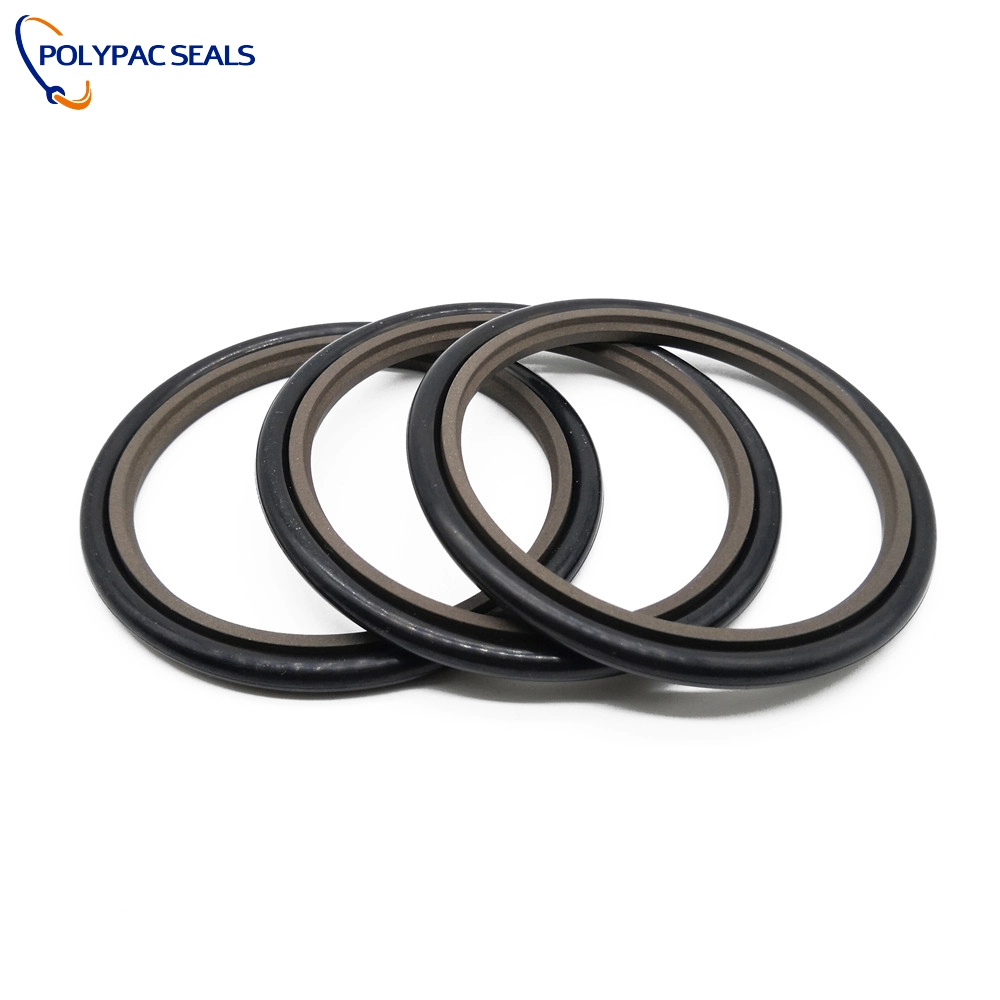
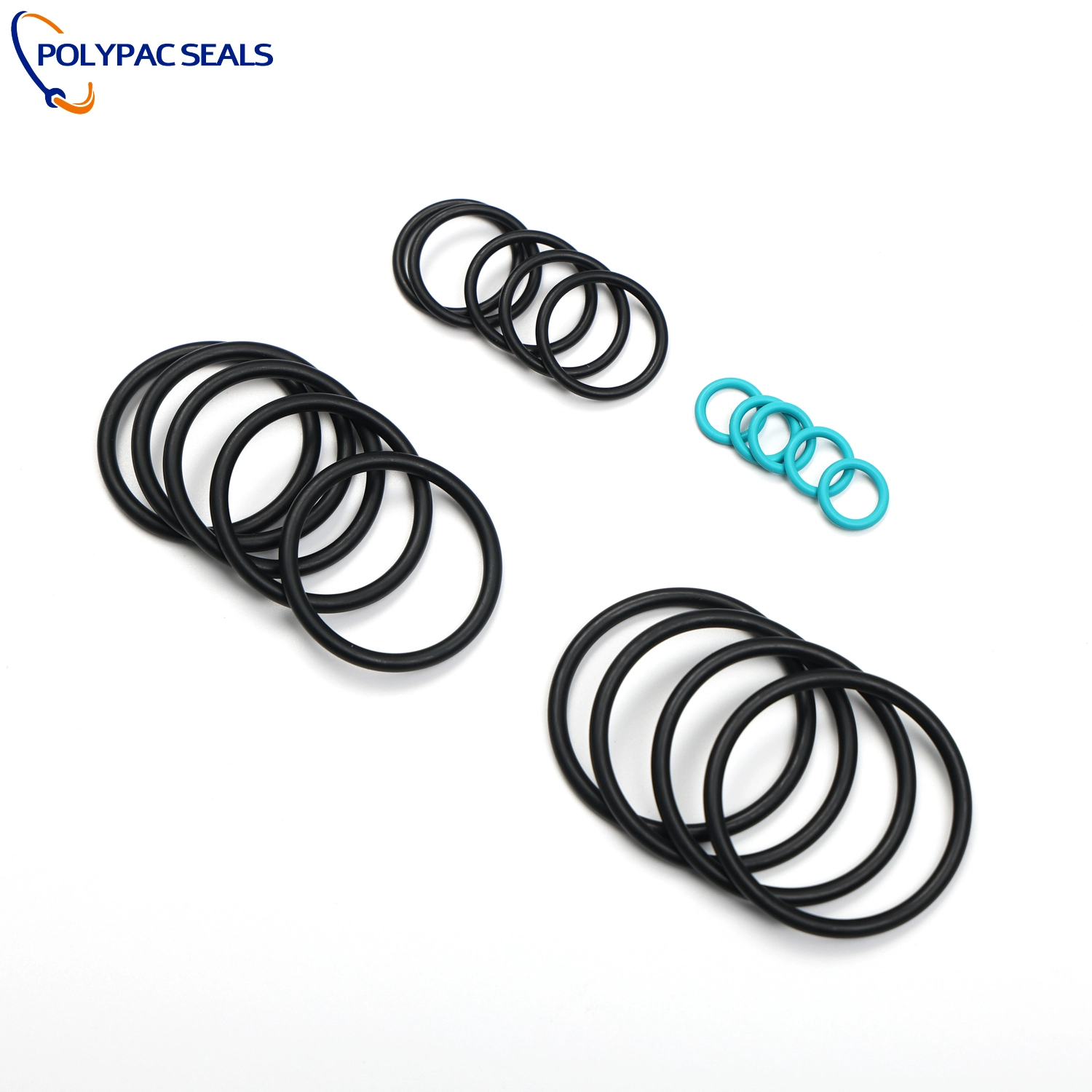
Piston rubber seals (often used in hydraulic and pneumatic cylinders) form a dynamic sealing interface between a piston and its bore to retain hydraulic fluid or compressed gas and to transmit pressure forces without leakage. They are engineered to handle reciprocating motion, pressure differentials, temperature swings, and fluid-compatibility constraints. Common seal types in piston assemblies include piston seals, rod seals, U-cups, O-rings and back-up rings; materials include NBR (nitrile), FKM (fluoroelastomer), EPDM, silicone and specialty filled PTFE composites for low friction.
Typical failure modes and diagnostics
Failure modes for piston rubber seals are well-documented: extrusion and cutting (due to high pressure and poor groove design), abrasion (from contaminant particles), chemical swelling or hardening (due to incompatible hydraulic fluids or additives), thermal degradation, compression set and static or dynamic leakage. Diagnosing the root cause requires inspection of the seal surface, groove condition, piston rod finish and fluid analysis. For general background on seal types and functions see Mechanical seal - Wikipedia.
Material and design factors that govern life
Key variables that determine seal life include base elastomer chemistry (NBR vs FKM vs FFKM), filler type (carbon, MoS2, glass-filled PTFE), durometer (hardness), lip geometry, finish of the mating surfaces (Ra), operating pressure, speed and temperature. For O-rings and general elastomer selection guidance, industry handbooks such as the Parker O-Ring Handbook remain authoritative references (Parker O-Ring Handbook).
OEM vs Aftermarket: Technical and Operational Differences
Manufacturing tolerances and material traceability
OEM seals are typically produced to the original equipment manufacturer's dimensional drawings and material specifications, with traceability of compound batches and controlled molding processes. Aftermarket seals range from high-quality equivalents produced to match OEM specs to lower-cost copies with looser tolerances and undocumented compounds. Tight tolerances reduce extrusion risk and ensure proper interference fit and squeeze on dynamic lips.
Design validation, testing and quality control
OEM suppliers are often contractually obliged to perform acceptance testing, endurance runs and batch-level QC. Reputable aftermarket vendors also run tests, but smaller producers may not perform long-duration endurance tests under representative conditions. Look for documented tests (compression set, hardness, tensile, aging, extrusion resistance) and traceable certificates of conformity when comparing suppliers.
Compatibility and interchangeability risks
Even minor differences in cross-sectional geometry, lip angle, or material hardness can affect sealing performance and wear patterns. Substituting an aftermarket piston rubber seal that fits nominally but has a slightly different lip geometry can increase leakage, accelerate wear or change friction characteristics — leading to unpredictable downtime. When pressure, temperature or safety-critical function is involved, interchangeability must be demonstrated experimentally or with validated supplier data.
Economic Analysis: Real Savings vs Hidden Costs
Direct cost comparison and long-term ownership
Procurement decisions often focus on per-part unit price. However, total cost of ownership (TCO) should include installation labor, shipping, inventory, downtime for replacement and potential collateral damage (e.g., contaminated hydraulic fluid causing pump wear). The table below summarizes typical differences encountered in industry practice (values indicative and dependent on size, material and application):
| Criteria | OEM | Aftermarket (budget) | Aftermarket (High Quality equivalent) |
|---|---|---|---|
| Unit price (relative) | Baseline (100%) | 50–80% of OEM | 85–100% of OEM |
| Material traceability | High | Low | Medium–High |
| Tolerance & QC | Documented | Variable | Often documented |
| Warranty/Support | Usually provided | Limited | Variable |
| Typical service life | Baseline (depends on spec) | Can be shorter by 20–60% | Comparable if matched spec |
Sources for material and testing practices: Parker O-Ring Handbook and general seal manufacturing industry guidance (Parker).
Sample TCO calculation (illustrative)
Assumptions (per cylinder over 3 years):
- OEM seal cost: $40 each; aftermarket budget seal: $20 each.
- Expected life: OEM 24 months; aftermarket 12 months (due to lower material & QC).
- Replacement downtime cost: $2,000 per unscheduled repair (labor, lost production).
- Installation labor and parts handling: $120 per service event.
| Item | OEM (3 years) | Aftermarket budget (3 years) |
|---|---|---|
| Number of seal replacements | 2 (every 24 months) | 3 (every 12 months) |
| Parts cost | $80 | $60 |
| Labor cost | $240 | $360 |
| Downtime cost | $4,000 | $6,000 |
| Total 3-year cost | $4,320 | $6,420 |
Interpretation: In this illustrative example the aftermarket budget seal appears cheaper per unit but produces higher total cost because of more frequent replacements and associated downtime. Your actual numbers will depend on application-criticality and local labour costs; always run a simple TCO calculation as above before bulk substitutions.
When aftermarket seals make sense
Aftermarket seals can be appropriate when: the application is non-critical (low pressure, low speed), cost sensitivity is high, the aftermarket supplier provides full material documentation and testing, or when OEM lead times are prohibitive. For safety-critical or high-pressure hydraulic systems, OEM or vetted High Quality aftermarket equivalents with documented testing are recommended.
Specification, Testing and Procurement Best Practices
How to specify piston rubber seals for reliability
Create a specification checklist that includes: operating pressure, speed, temperature range, compatible fluids, expected lifetime, required standards (e.g., ISO 3601 for O-rings — ISO 3601), material compound (NBR, FKM, FFKM, PTFE-filled), durometer, surface finish (Ra), extrusion gap and recommended backup ring if needed. Provide cross-sections and tolerances, and include acceptance test criteria in purchase orders.
Testing and acceptance criteria to demand
Typical tests to require from suppliers: hardness (ASTM D2240), tensile and elongation (ASTM D412), compression set (ASTM D395), accelerated aging (ASTM D573), dimensional inspection (CMM reports), and batch certificates of conformity. For dynamic sealing, insist on leakage or endurance test reports if the supplier claims life equivalence. Refer to standard test methods and industry handbooks such as Parker for test descriptions.
Supplier qualification and procurement strategy
Qualify suppliers using a tiered approach: sample testing, pilot runs, factory audits, and review of R&D capabilities. Maintain a dual-source strategy for critical SKUs — one OEM/brand-authorized and one vetted aftermarket source — to control cost without exposing operations to single-source risk. Negotiate warranties that include failure analysis responsibilities and corrective action plans.
Polypac: technical seal manufacturing and capabilities
Polypac is a scientific and technical hydraulic seal manufacturer and oil seal supplier specializing in seal production, sealing material development, and customized sealing solutions for special working conditions. Founded in 2008, Polypac began by manufacturing filled PTFE seals (bronze-filled PTFE, carbon-filled PTFE, graphite PTFE, MoS2-filled PTFE, and glass-filled PTFE). Today, Polypac's product line includes O-rings and piston rubber seals in materials such as NBR, FKM, silicone, EPDM and FFKM.
Factory and capacity: Polypac's custom rubber ring and O-ring factory covers more than 10,000 square meters with an 8,000 square meter production space. Their production and testing equipment are among the more advanced in the industry. As one of China's larger companies focused on seals, Polypac maintains long-term cooperation with universities and research institutions domestically and internationally — enabling continual improvement in compound development and tribological performance.
Key products and competencies: O-Rings, Rod Seals, Piston Seals, End Face Spring Seals, Scraper Seals, Rotary Seals, Back-up Rings, Dust Rings. Polypac positions itself on technical competency: customized compound formulation, PTFE-filled low-friction solutions, and tailored geometries for extrusion control and long life. For urgent projects, Polypac can provide rapid prototyping, drawing-based manufacturing and documented test reports to support OEM-equivalent performance claims.
Why consider a technical partner like Polypac: engineering collaboration to optimize seal geometry and compound for your specific fluid and duty cycle; access to specialty filled PTFE and high-performance FFKM compounds for aggressive media; and the capacity to deliver production volumes with traceability and QC documentation.
Making the Choice: Practical Decision Flow
Decision checklist
- Is the application pressure- or safety-critical? If yes — prefer OEM or a qualified High Quality aftermarket supplier.
- Can you obtain full material and QC documentation from the aftermarket supplier? If yes — consider pilot testing.
- Perform a TCO calculation including downtime cost, not just part price.
- Require sample life testing or a small field trial before full-scale replacement.
Audit and field validation
Run field trials on a controlled subset of equipment. Monitor leakage rates, replacement frequency, friction/loading characteristics and fluid contamination over a representative duty cycle. Require the supplier to provide cross-reference documentation and acceptance criteria prior to series procurement.
When to escalate to OEM
Escalate to OEM replacement when field trials reveal higher-than-expected leakage, accelerated wear, or when seal failure correlates to collateral system damage (pumps, valves). In warranty situations or regulatory environments, OEM parts can reduce liability exposure.
Frequently Asked Questions (FAQ)
1. Are aftermarket piston rubber seals always lower quality than OEM?
No. Aftermarket quality varies widely. Some aftermarket manufacturers produce high-quality, fully-documented equivalents that match OEM material and tolerances. Others produce lower-cost alternatives with variable quality. Evaluate suppliers by requesting certificates of conformity, test reports and trial samples.
2. How can I tell if a piston rubber seal failure was caused by the seal or the system?
Root-cause analysis should include inspection of the failed seal (abrasion, chemical attack, extrusion), groove dimensions, surface finish of mating components, fluid analysis (contamination or degradation), and operating logs (pressure spikes, temperature excursions). Documentation of failure patterns helps determine if the seal or system design caused the issue.
3. What tests should I require from a supplier to accept aftermarket seals?
Require hardness (ASTM D2240), tensile/elongation (ASTM D412), compression set (ASTM D395), accelerated aging (ASTM D573), dimensional inspection reports and, if possible, endurance/leakage test reports under representative pressures and temperatures. For O-rings, reference ISO 3601 for dimensional standards (ISO 3601).
4. Can upgrading material (e.g., NBR to FKM) solve premature failures?
Often yes, if failure is due to chemical incompatibility or high temperature. FKM (fluoroelastomer) offers superior chemical and high-temperature resistance compared with NBR, but it is more expensive and can be stiffer. Material upgrades should be validated with compatibility tests and field trials.
5. How do I estimate downtime cost to include in TCO?
Estimate downtime cost as lost production value per hour plus labor and any expedited shipping or priority recovery costs. If precise data is unavailable, use conservative industry estimates or historical downtime records to model impact. Use that figure in simple TCO tables like the example above to compare options.
6. Where can I get trusted guidance on seal selection?
Technical handbooks (e.g., Parker O-Ring Handbook), standards bodies (ISO) and reputable seal manufacturers with published test data are good starting points. Manufacturer application engineers can assist with compound selection and geometry design for your specific fluid and duty cycle.
Contact & CTA: For technical consultation, customized prototypes or to review Polypac's piston rubber seal and O-ring product lines, contact Polypac at info@polypac.com or visit https://www.polypac.com. Our engineering team can provide material data sheets, sample testing and TCO analyses tailored to your equipment and operating conditions.
References and further reading: Mechanical seals overview (Wikipedia); Parker O-Ring Handbook (Parker); ISO standard listing for O-rings (ISO 3601).

High-Performance Pneumatic Piston Seals: How to Achieve Zero-Leakage Efficiency

PTFE vs. Composite: Choosing the Best Piston Guide Ring Material for High-Pressure Systems

Mastering O-Ring Gland Design: The Complete Guide for Perfect Sealing Performance

Advanced Back-Up Ring Materials: Beyond PTFE for Extreme Temperature Environments

PTFE vs. Urethane Scrapers: Which Material Truly Prevents Contamination?
Products
How important is surface finish on the metal parts that contact the seal?
What is the difference between a static seal and a dynamic seal?
What is the difference between NBR and FKM materials?
How can I prevent seal damage during installation?
When should I use a spring-energized seal instead of a standard elastomeric seal?
Stay Updated with Industry Insights
Subscribe to our articles and receive the latest news, expert guidance, and technical updates directly in your E-mail.
Rest assured that your privacy is important to us, and all information provided will be handled with the utmost confidentiality.
Polypac is a trusted global supplier of high-performance sealing solutions, providing OEM & ODM services for industries worldwide.
E-mail:
Phone/WhatsApp:
© 2025 Polypac Seals. All Rights Reserved.
dms
DMS
DMS