












Oil hub seal corrosion resistance and material guide
Understanding sealing challenges in oil hubs
Oil hub seals (oil hub seal) serve as critical components in rotating and stationary assemblies where lubrication control and contamination exclusion directly affect bearing life and equipment reliability. Choosing the correct seal material and design is not just a matter of matching geometry — corrosion, chemical attack from lubricants and contaminants, abrasive particulate ingress, temperature extremes, and installation practices all influence service life. This guide helps engineers, maintenance managers and procurement specialists identify root causes of seal failure, select appropriate materials, and adopt practical installation and inspection strategies to minimize downtime and lifecycle cost.
Corrosion mechanisms and environmental drivers for oil hub seal failure
Electrochemical and chemical corrosion affecting seals and mating surfaces
Corrosion in oil hubs occurs both on metallic components (hubs, shafts, housings, back-up rings) and indirectly impacts seals. Electrochemical corrosion (galvanic and crevice corrosion) can change mating surface geometry, creating leak paths; chemical corrosion from acids, alkaline contaminants or oxidized lubricant breakdown products can degrade elastomers. Understanding the hydrocarbon environment, water ingress, salt, and acidic by-products is critical for material selection.
Contaminants, abrasive wear and their interaction with corrosion
Particulate contaminants (dust, metal debris, sand) accelerate abrasive wear on both seals and shafts. Corrosion products themselves (rust) are abrasive. Seal materials that are soft enough to tolerate micro-mismatch can avoid scoring, but may swell or harden when attacked chemically. In oily environments, water and dissolved salts significantly increase corrosion rates and alter lubricant chemistry, creating a combined wear-corrosion problem.
Operating conditions that drive degradation
Temperature cycles, pressure spikes, shaft misalignment, and extrusion gaps all stress seals. Elevated temperatures accelerate chemical attack and polymer ageing; low temperatures reduce elastomer flexibility and increase the risk of hardening and cracking. Seals in marine or road-salt environments must prioritize corrosion resistance for both polymer and metallic components.
Material selection guide for oil hub seals
Key material classes and typical uses
Common materials for oil hub seals include NBR (nitrile butadiene rubber), FKM (fluoroelastomer), EPDM, Silicone, FFKM (perfluoroelastomer), PTFE and filled PTFE variants. Each offers trade-offs in oil compatibility, chemical resistance, temperature capability, abrasion resistance and cost. For demanding corrosion or chemical exposure, PTFE, filled PTFE, and FFKM typically outperform standard elastomers, while correctly compounded FKM can meet many automotive and industrial oil applications at a lower cost.
Material comparison: corrosion resistance, temperature and typical suitability
The table below summarizes typical properties. Values and qualitative ratings are industry-typical ranges — consult material datasheets and compatibility charts for specific fluids and temperatures before final selection.
| Material | Typical Temp Range (°C) | Hydrocarbon/Oil Resistance | Resistance to Acids/Alkalis & Solvents | Abrasion/Hardness | Notes |
|---|---|---|---|---|---|
| NBR (Nitrile) | -40 to +120 | Good | Poor to fair (not for strong acids/solvents) | Good abrasion resistance | Cost-effective for general oil hub seals; sensitive to ozone and some fuels |
| FKM (Fluoroelastomer) | -20 to +200 | Very good | Good; resistant to many chemicals | Good | Widely used where higher temperature and chemical resistance required |
| EPDM | -50 to +150 | Poor (swells in petroleum oils) | Excellent for steam, hot water, acids | Moderate | Not recommended for oil hub seals exposed to hydrocarbons |
| Silicone | -60 to +200 | Fair to poor | Good to fair | Poor (lower abrasion resistance) | Used when wide temperature flexibility required but not ideal with dynamic oil sealing |
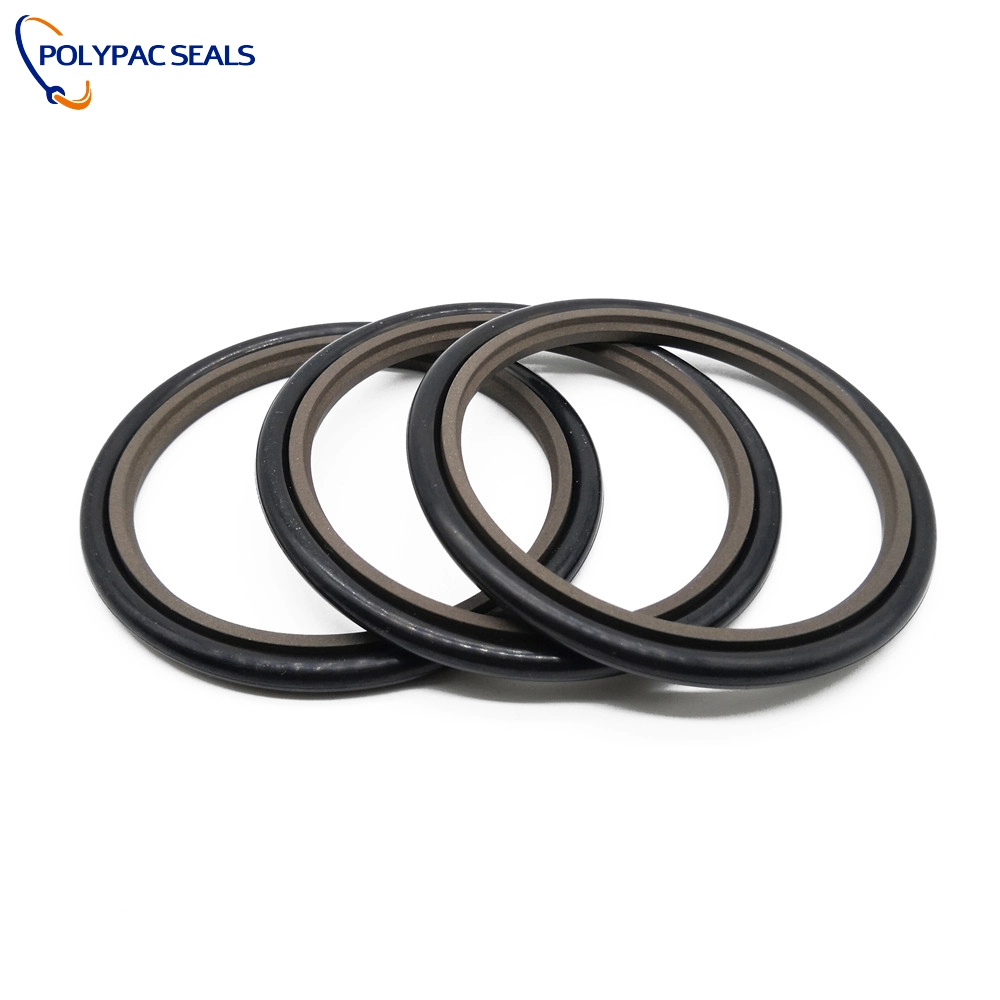
| PTFE / Filled PTFE (carbon, bronze, MoS2) | -200 to +260 | Excellent | Excellent | Excellent (depending on filler) | Low friction, excellent chemical resistance; needs careful design for elasticity (often PTFE is used with energizing elastomer) |
| FFKM (Perfluoroelastomer) | -20 to +260 | Excellent | Excellent (broad chemical resistance) | Good | High Quality cost; used in extreme chemical or temp environments |
Data sources: manufacturer datasheets and industrial handbooks. Always validate with specific lubricant/contaminant compatibility lists (see references).
Choosing between elastomeric seals and PTFE-based seals
Elastomers (NBR, FKM) provide resilience and lip sealing ability with modest extrusion resistance. PTFE and filled PTFE excel at chemical and corrosion resistance and low friction, but lack inherent elasticity — they are often used in spring-energized or composite seals where an elastomer or metal energizer provides radial preload. For oil hubs exposed to aggressive chemicals, salt water, or frequent thermal cycling, PTFE-based seals or FFKM may deliver the best lifecycle value despite higher upfront cost.
Design, installation and maintenance best practices
Design considerations to reduce corrosion-driven failures
Design seals with appropriate extrusion gaps and select back-up rings (PTFE or hard plastics) when high pressure or extrusion risk exists. Use seal geometries that shed contaminants and avoid crevice traps where water and salt can accumulate. If dissimilar metals are present, specify coatings or isolation to prevent galvanic corrosion; design for ease of inspection and replacement.
Installation tips to avoid damage and premature leaks
Clean mating surfaces thoroughly, remove burrs and corrosion before installation, and apply compatible assembly lubricant sparingly. Use the correct installation tools — stretching, twisting or nicking a seal during installation is a common cause of early failure. Torque specifications for flanges and hub fasteners should be followed to avoid distortion that opens leakage paths.
Inspection, monitoring and maintenance routines
Structured inspection intervals should include visual checks for extrusion, hardening, swelling, and seepage. Monitor lubricant condition (water content, acidity, particulate contamination) and the presence of corrosion products. Record seal wear patterns and replace seals proactively when wear approaches defined thresholds rather than waiting for catastrophic failure.
| Condition | Inspection frequency | Action threshold |
|---|---|---|
| High-speed rotating hub in contaminated environment | Monthly | Any sign of extrusion, persistent leakage or abrasion |
| Standard industrial application | Quarterly | Visible wear, hardening, or lubricant contamination |
| Low-duty stationary hub | Bi-annually | Cracks, irreversible deformation, seepage |
Corrosion protection strategies: coatings, materials and lubrication
Protective coatings and surface treatments
For metallic hubs and shafts, consider sacrificial coatings (zinc, cadmium where permitted), hard chrome plating, nitriding, or conversion coatings (e.g., phosphate) to reduce corrosion and improve wear resistance. When coatings are used, ensure compatibility with seal materials — some coatings can increase friction or create roughness that accelerates seal wear.
Seal-side measures: back-up rings, dust lips and sacrificial elements
Use non-metallic back-up rings to prevent extrusion and metal-to-seal contact. Design dust lips or labyrinth features to keep contaminants away from the primary sealing lip. In heavily corrosive environments, consider replaceable sacrificial rings that take most of the abrasion and are simple to replace.
Lubrication and corrosion inhibitors
Maintain lubrication quality with regular analysis. Water in the lubricant is a primary driver of corrosion; effective dehydration and proper filtration extend both lubricant and seal life. When compatible, use corrosion inhibitors formulated for the lubricant base — verify compatibility with seal elastomers and PTFE where applicable.
| Protection Method | Primary Benefit | Limitations |
|---|---|---|
| Hard chrome plating / nitriding | Improved wear and corrosion resistance | Cost; environmental/regulatory considerations for plating |
| Non-metal back-up rings | Prevent extrusion; reduce metal contact | Thermal limits; material selection critical |
| Corrosion inhibitors in lubricant | Reduce electrochemical attack | Compatibility with seals must be verified |
Polypac: technical capabilities, product lineup and FAQs
Polypac capabilities and why choose us
Polypac is a scientific and technical hydraulic seal manufacturer and oil seal supplier specializing in seal production, sealing material development, and customized sealing solutions for special working conditions. Polypac's custom rubber ring and O-ring factory covers an area of more than 10,000 square meters, with a factory space of 8,000 square meters. Our production and testing equipment are among the most advanced in the industry. As one of the largest companies in China dedicated to the production and development of seals, we maintain long-term communication and cooperation with numerous universities and research institutions both domestically and internationally.
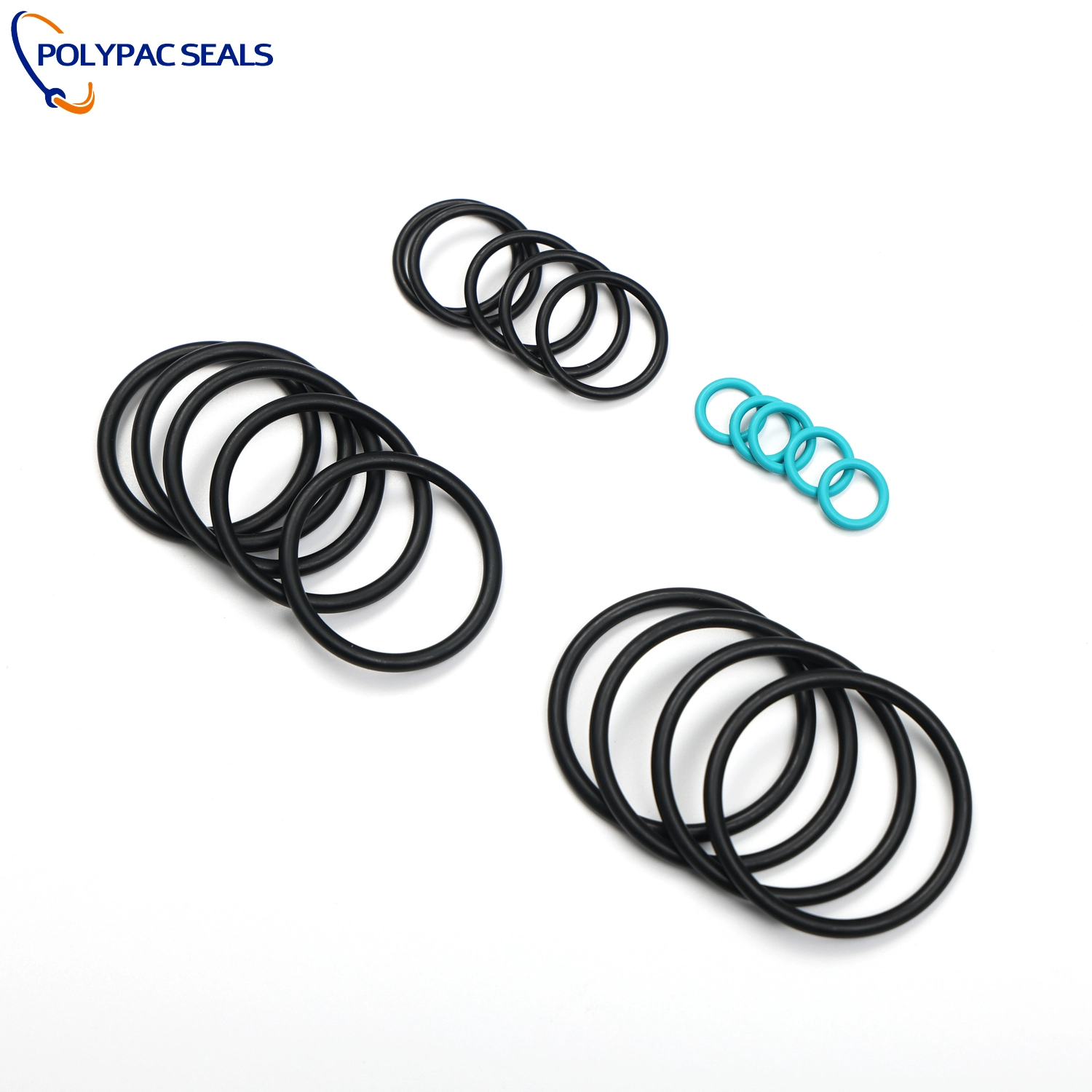
Founded in 2008, Polypac began by manufacturing filled PTFE seals, including bronze-filled PTFE, carbon-filled PTFE, graphite PTFE, MoS₂-filled PTFE, and glass-filled PTFE. Today, we have expanded our product line to include O-rings made from various materials such as NBR, FKM, silicone, EPDM, and FFKM. Polypac's main products and advantages include:
- Product range: O-Rings, Rod Seals, Piston Seals, End Face Spring Seals, Scraper Seals, Rotary Seals, Back-up Rings, Dust Rings.
- Material expertise: filled PTFE, advanced elastomer compounds, FFKM for extreme service, and customized blends.
- Technical strength: R&D partnerships with universities and research institutes, advanced testing capabilities, and custom sealing solutions for special working conditions.
- Manufacturing scale: large factory area, automated production, and rigorous quality control.
Frequently asked questions
Below are practical answers to common queries from engineers and procurement teams considering oil hub seals.
Q1: Which material is best for an oil hub seal exposed to saltwater and road salts?
A: For environments with saltwater exposure, PTFE or filled PTFE seals, or FFKM where budget allows, are the most corrosion-resistant choices for the sealing element. Metallic components should be protected with corrosion-resistant coatings or stainless alloys. Elastomers such as FKM may be acceptable in some cases, but NBR and EPDM are generally less suitable.
Q2: Can I use standard NBR seals for high-temperature oil hub applications?
A: Standard NBR is typically rated up to ~120 °C for intermittent service. For continuous higher-temperature operation (above 120 °C), FKM or PTFE-based seals are recommended. Verify specific compound temperature ratings with the manufacturer.
Q3: How do I reduce corrosion caused by water ingress?
A: Implement dehydration and water separation in the lubrication system, use seals with effective dust lips, apply corrosion inhibitors compatible with the lubricant and seal materials, and ensure rapid drainage and minimal crevices where water can collect.
Q4: What inspection signs indicate impending seal failure due to corrosion?
A: Look for rust or corrosion products near the seal, discoloration or hardening of the elastomer, increased leakage, uneven wear patterns on the sealing lip, and increased particulate content in the lubricant analysis.
Q5: When should I choose a PTFE-filled seal over a high-grade elastomer?
A: Choose PTFE-filled seals when you need exceptional chemical resistance, very low friction, minimal permeability, and excellent thermal stability. When dynamic sealing is required and elasticity is needed for lip contact, select a composite design (PTFE sealing element with elastomer energizer) or spring-energized PTFE seals.
Q6: How does Polypac support custom seal development for corrosion-prone hubs?
A: Polypac provides material selection guidance, custom compound development, prototype production, and laboratory testing. Their collaborations with research institutions enable tailored solutions such as specialized filled PTFE compounds and custom elastomer blends optimized for specific lubricant chemistries and contaminants.
Contact, samples and product inquiry
For consultation, material testing or to request samples and quotations for oil hub seals, contact Polypac's technical sales team. We provide engineered sealing solutions including custom O-rings, PTFE-filled seals and complete sealing assemblies. Visit our product pages or request a technical review for your application to accelerate correct material selection and reduce field failures.
Contact Polypac for a technical consultation, sample request or product quote — optimize your oil hub seal material and design today to reduce downtime and maintenance cost.
Note: This guide provides industry-typical guidance. Always confirm material compatibility with the specific lubricant, contaminant profile and dynamic conditions in your application. Polypac can assist with compatibility testing and custom solutions.
References and sources (accessed 2025-12-31):
- Parker Hannifin — O-Ring Handbook. Parker Seal Group. https://www.parker.com/literature/Seals%20and%20Shield%20Products%20Division%20Literature/O-Ring%20Handbook.pdf (accessed 2025-12-31).
- SKF — Seals product and technical information. https://www.skf.com/ (accessed 2025-12-31).
- NACE International / AMPP — Corrosion resources and best practices. https://www.nace.org/ (accessed 2025-12-31).
- Wikipedia — O-ring. https://en.wikipedia.org/wiki/O-ring (accessed 2025-12-31).
- Wikipedia — Polytetrafluoroethylene (PTFE). https://en.wikipedia.org/wiki/Polytetrafluoroethylene (accessed 2025-12-31).
- The Engineering Toolbox — Elastomers: Properties and temperature ranges. https://www.engineeringtoolbox.com/elastomers-d_1462. (accessed 2025-12-31).
- MatWeb — Materials database (PTFE and elastomer datasheets). https://www.matweb.com/ (accessed 2025-12-31).

Rubber Seals: The Complete Guide to Elastomeric Sealing Solutions

PU (Polyurethane): The High-Performance Elastomer for Extreme Wear & Durability | Polypac

X-Rings (Quad Rings): The Advanced Seal for Low Friction & Reliability | Polypac

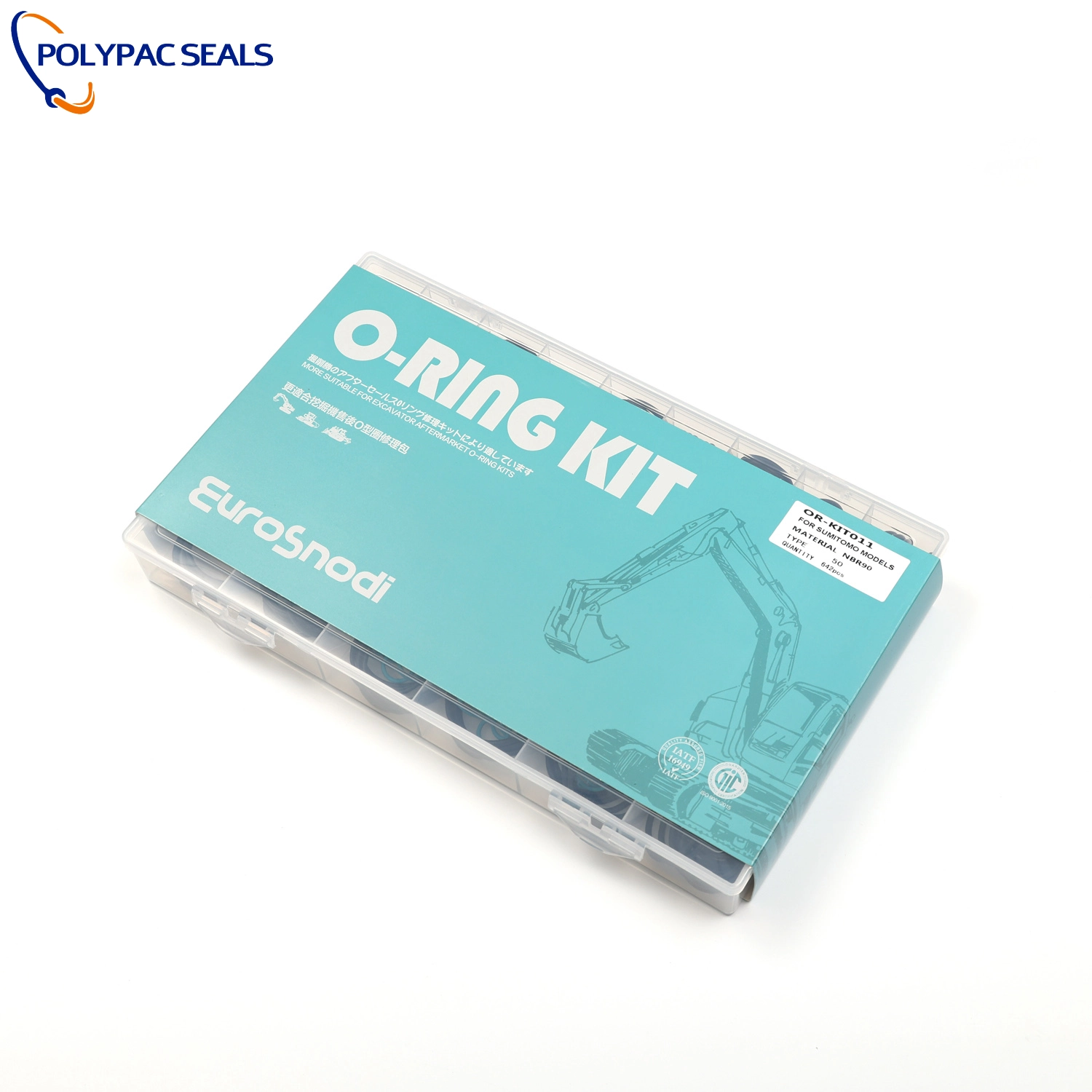
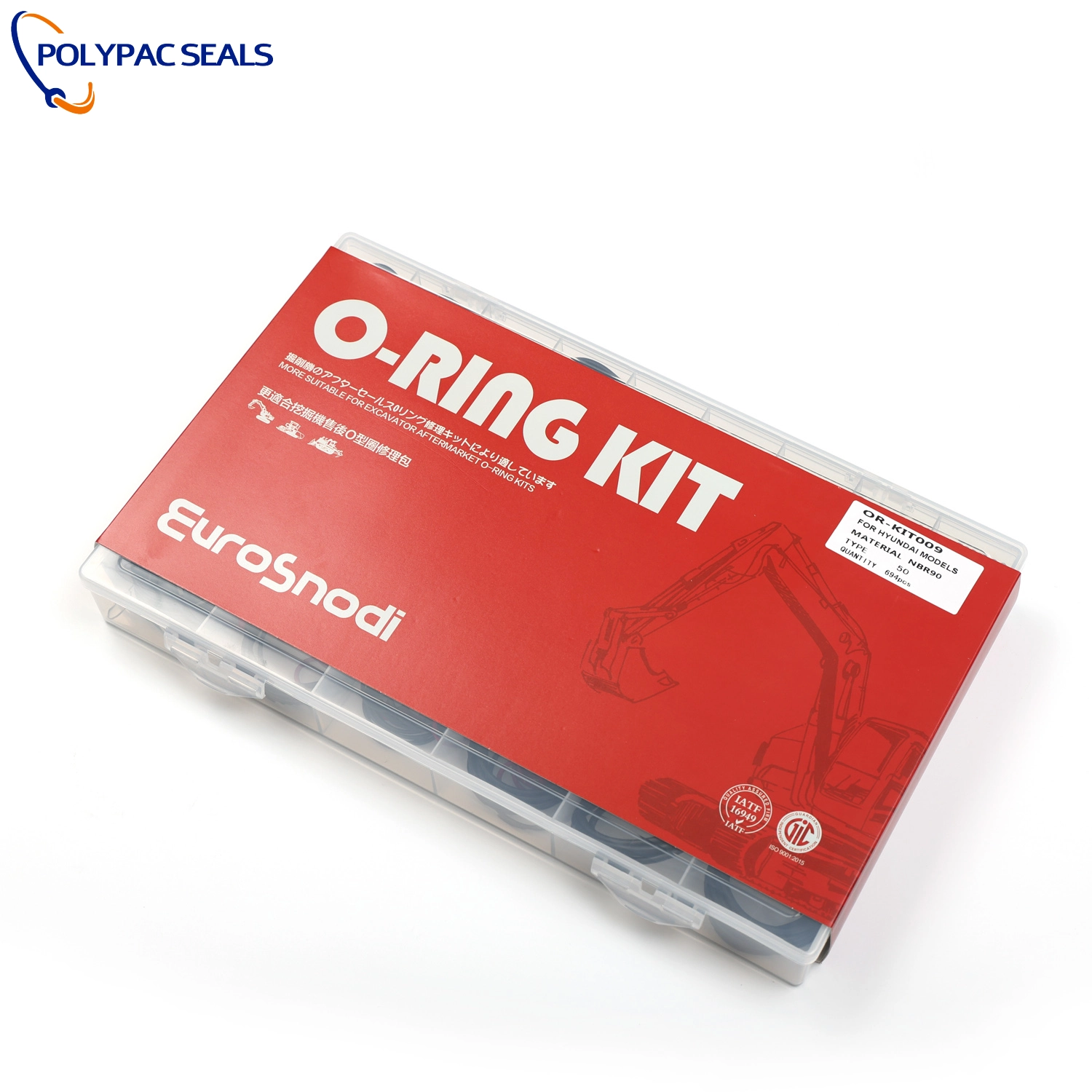
O-Ring Kits: The Essential Tool for Efficient Maintenance & Repair | Polypac

FKM: The Complete Guide to High-Temperature & Chemical-Resistant Sealing | Polypac
Products
How can I prevent seal damage during installation?
Why did my O-ring fail prematurely?
What is the difference between NBR and FKM materials?
How important is surface finish on the metal parts that contact the seal?
What does "AS568" mean?
Stay Updated with Industry Insights
Subscribe to our articles and receive the latest news, expert guidance, and technical updates directly in your E-mail.
Rest assured that your privacy is important to us, and all information provided will be handled with the utmost confidentiality.

Polypac is a trusted global supplier of high-performance sealing solutions, providing OEM & ODM services for industries worldwide.
E-mail:
Phone/WhatsApp:
© 2025 Polypac Seals. All Rights Reserved.
dms
DMS
DMS