












Piston Rod Seal Solutions for Food and Pharmaceutical Equipment
Effective piston rod seal solutions are critical to ensure hygienic operation, product purity and regulatory compliance in food and pharmaceutical equipment. This article explains design choices, material selection, installation and maintenance practices that reduce leakage and contamination risk—helping OEMs, MRO teams and procurement professionals choose the right sanitary piston rod seals and trusted suppliers.
Key requirements for piston rod seals in food & pharmaceutical equipment
Regulatory and hygienic drivers
Equipment used in food and pharmaceutical processing must meet multiple regulatory and hygienic standards. Common requirements include materials that are safe for incidental food contact (FDA 21 CFR), compatibility with clean-in-place (CIP) and steam-in-place (SIP) procedures, and design features that avoid product entrapment (EHEDG, 3-A Sanitary Standards). Seal materials often also need to meet USP Class VI or similar biocompatibility criteria for pharmaceutical contact.
Performance expectations: leakage, lifespan, cleanability
Piston rod seals must reliably control pressurized media, prevent ingress of contaminants, and tolerate frequent thermal and chemical cycles. Key performance targets: zero product contamination, minimal leakage under rated pressure, resistance to abrasion from particulates (e.g., solids in sauces), and predictable service life to support preventive maintenance programs.
: procurement and custom solutions
When specifying piston rod seals, buyers often search to buy piston rod seal, custom sanitary seal, or piston rod seal supplier. Successful procurement balances cost, compliance (material certifications and test reports), lead time, and supplier capabilities such as molding, machining, and clean-room packaging.
Materials and coatings: choosing the right compound
Common elastomers and polymers for sanitary pistons
Typical materials used for piston rod seals include PTFE (and filled PTFE grades), FKM (fluoroelastomer), EPDM, HNBR, and silicone. Selection depends on temperature limits, chemical exposure, abrasion resistance, and regulatory acceptance for food/pharma contact.
Material comparison (properties and suitability)
| Material | Temp range (approx.) | Chemical/Cleaning resistance | Sanitary suitability |
|---|---|---|---|
| PTFE (virgin/filled) | -200°C to +260°C | Excellent chemical and steam resistance; low friction | High (often used for pharma; needs proper molding and certification) |
| EPDM | -40°C to +150°C | Good resistance to hot water, steam, alkalis; poor to hydrocarbons | Good for aqueous food processes and CIP/SIP |
| FKM (Viton) | -20°C to +200°C | Excellent to oils, solvents; variable steam resistance | Used selectively; verify food-grade certification |
| Silicone | -60°C to +200°C | Good thermal stability, limited mechanical wear resistance | Common in pharmaceutical due to biocompatibility (USP) |
Data ranges are approximate; verify manufacturer datasheets for application-specific limits.
Special coatings and surface treatments
Low-friction coatings or textured surfaces (e.g., glass-filled PTFE, moly/PTFE blends) reduce wear and stick-slip on polished rods. Electropolishing of stainless steel rods and application of food-grade lubricants or hydrophilic surface treatments can improve seal life and cleanability for CIP/SIP regimes.
Seal types and design choices for piston rods
Single lip vs double lip vs tandem arrangements
Single-lip seals provide simple dynamic sealing but offer limited contamination protection. Double-lip seals add a dust/exclusion lip to block external contaminants. Tandem (two seals in series) or staged seals with a drain/pressurization chamber between them provide higher protection and leakage monitoring—important for aseptic or high-risk processes.
Static backup and rod finish considerations
Proper shaft/rod finish (Ra typically 0.2-0.8 µm for dynamic seals, depending on material) and hardness affect wear and sealing performance. Static backup rings or PTFE backup rings prevent extrusion at high pressures and extend seal life in oversized clearances.
Design for CIP/SIP and aseptic lines
For CIP/SIP compatibility, select seals and gland designs that avoid dead legs and crevices. Sanitary glands and cartridge seals that allow easy inspection and replacement reduce downtime and contamination risk. Materials must tolerate repeated exposure to caustic cleaners, acids, and 121°C steam where required.
Common failure modes and maintenance best practices
Typical failure causes and diagnostics
Common causes of piston rod seal failure include abrasion from particulates, extrusion from pressure spikes, chemical attack, thermal degradation, improper rod finish, misalignment, and inadequate lubrication. Diagnostics should include visual inspection, leak rate measurements, and review of CIP/SIP cycles and chemical exposure logs.
Maintenance strategies: preventive and predictive
Implement scheduled inspections, seal life tracking, and root-cause analyses for failures. Use vibration and leak sensors where continuous monitoring is necessary. Maintain spares inventory for critical lines; prefer cartridge seals for rapid in-field replacement that reduces downtime.
Installation tips and torque/clearance control
Ensure correct gland geometry, torque values for retaining hardware, and rod runout/alignment within manufacturer tolerances. Clean, deburr and apply light assembly lubrication to the rod. Record batch and material certificates with the installed seal for traceability.
Selecting suppliers and demonstrating compliance
What to ask potential suppliers
Request: material certificates (FDA 21 CFR compliance, USP Class VI where applicable), test reports for CIP/SIP cycles, traceable production batch IDs, manufacturing process controls (e.g., cleanroom molding), and references from food/pharma OEMs. Ask about lead times, MOQ, custom molding capability, and shelf-life/packaging for sterile packaging if required.
Comparing off-the-shelf vs custom seals
Off-the-shelf seals reduce cost and lead time; custom seals allow optimization of sealing profiles, materials and housings for specific processes. Use a decision matrix that balances compliance needs, unique operating conditions (temperature, pressure, particulates), and anticipated volumes.
Cost of noncompliance and business case
The cost of contamination incidents, product recalls, or unscheduled downtime usually far exceeds incremental investment in certified seals and qualified suppliers. Create a simple ROI model that includes downtime reduction, reduced scrap, and avoided regulatory fines when justifying High Quality sanitary seals.
Practical selection checklist (quick guide)
- Confirm media compatibility and temperature/pressure ranges.
- Verify material certifications: FDA, USP, and 3-A/EHEDG guidance.
- Specify rod finish and hardness; confirm gland geometry and clearance limits.
- Decide single vs staged seals based on contamination risk.
- Request lifecycle and CIP/SIP testing data from supplier.
- Plan spare parts, installation procedures, and maintenance schedules.
Frequently Asked Questions (FAQ)
1. What materials are safest for piston rod seals in food contact?
Materials with documented food-contact approvals—PTFE (food-grade), EPDM and certain silicones with FDA 21 CFR and USP Class VI certifications—are commonly used. Always obtain supplier declarations and test reports for the specific compound and manufacturing lot.
2. Can piston rod seals survive repeated CIP/SIP cycles?
Yes, if the selected material and design are specified for CIP/SIP. EPDM, PTFE and some silicones tolerate frequent hot-water and steam cycles; FKM may be less suitable for prolonged steam exposure. Demand test evidence for the number of cycles and chemical concentrations used in your process.
3. How do I reduce stick-slip and friction on a piston rod?
Options include selecting low-friction materials (PTFE blends), improving rod surface finish (polish and electropolish), using suitable static/dynamic lubrication (food-grade), and optimizing sealing pressure via profile design.
4. When should I specify a tandem or staged sealing arrangement?
Use tandem seals when product contamination risk is high (aseptic pharmaceutical lines, high-value products) or when a monitored barrier/drainage chamber is required to detect or capture leakage before it contaminates product.
5. How often should piston rod seals be inspected or replaced?
Inspection frequency depends on operating conditions. For typical food processing, quarterly visual inspections plus leak checks are common; critical aseptic lines may require monthly checks. Replace proactively based on manufacturer life data, operating hours, or any observed degradation.
Contact / Product Inquiry
For technical evaluations, custom sealing design, or to request product datasheets and certifications, contact our engineering team. View our sanitary piston rod seals and request a quote to evaluate compatible materials and gland designs for your equipment.
References
- U.S. Food and Drug Administration – Food (accessed 2026-01-12)
- 3-A Sanitary Standards (accessed 2026-01-12)
- EHEDG – Hygienic Engineering & Design (accessed 2026-01-12)
- The United States Pharmacopeia (USP) (accessed 2026-01-12)
- Parker Hannifin – Sealing Solutions (technical resources) (accessed 2026-01-12)
- SKF – Sealing Technology (accessed 2026-01-12)

How to Choose the Best Hydraulic Piston Seal Kit for High-Pressure Applications

Hydraulic Cylinder Seals Kits: 5 High-Tech Materials That Double Your Maintenance Interval

How to Choose the Perfect Hydraulic Jack Seals: A Comprehensive Material & Performance Comparison

High-Performance Pneumatic Piston Seals: How to Achieve Zero-Leakage Efficiency

PTFE vs. Composite: Choosing the Best Piston Guide Ring Material for High-Pressure Systems
Products
How important is surface finish on the metal parts that contact the seal?
What does "AS568" mean?
How can I prevent seal damage during installation?
What is the purpose of the metal spring in a rotary shaft seal?
Why did my O-ring fail prematurely?
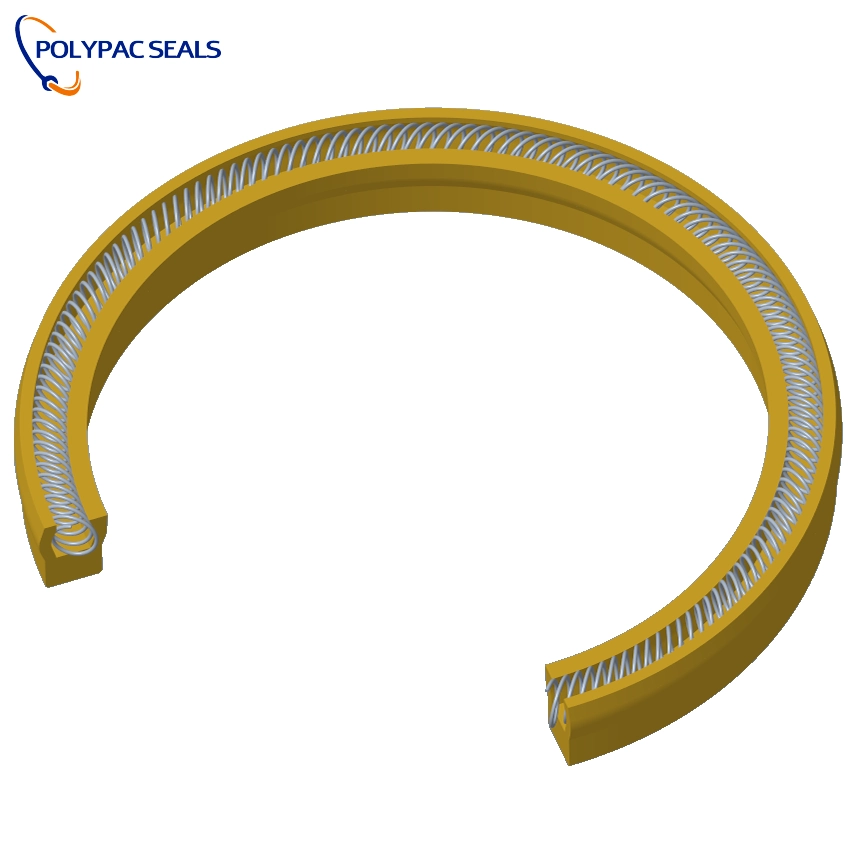

Polypac RSJ Seals: Single-acting piston rod seal designed for hydraulic systems. Featuring a durable dust lip, it ensures reliable sealing and protection against contaminants. Ideal for hydraulic applications requiring high-performance RSJ seals and piston rod sealing solutions.
Stay Updated with Industry Insights
Subscribe to our articles and receive the latest news, expert guidance, and technical updates directly in your E-mail.
Rest assured that your privacy is important to us, and all information provided will be handled with the utmost confidentiality.

Polypac is a trusted global supplier of high-performance sealing solutions, providing OEM & ODM services for industries worldwide.
E-mail:
Phone/WhatsApp:
© 2025 Polypac Seals. All Rights Reserved.
dms
DMS
DMS