












Ensuring Food Safety: The Essential Guide to FDA Compliant Food Grade O-Rings by Polypac
Tuesday, January 20, 2026
Polypac delves into the critical importance of FDA compliant food grade O-rings for maintaining hygiene and operational integrity in food processing. Explore our diverse range, designed for unmatched safety and performance.
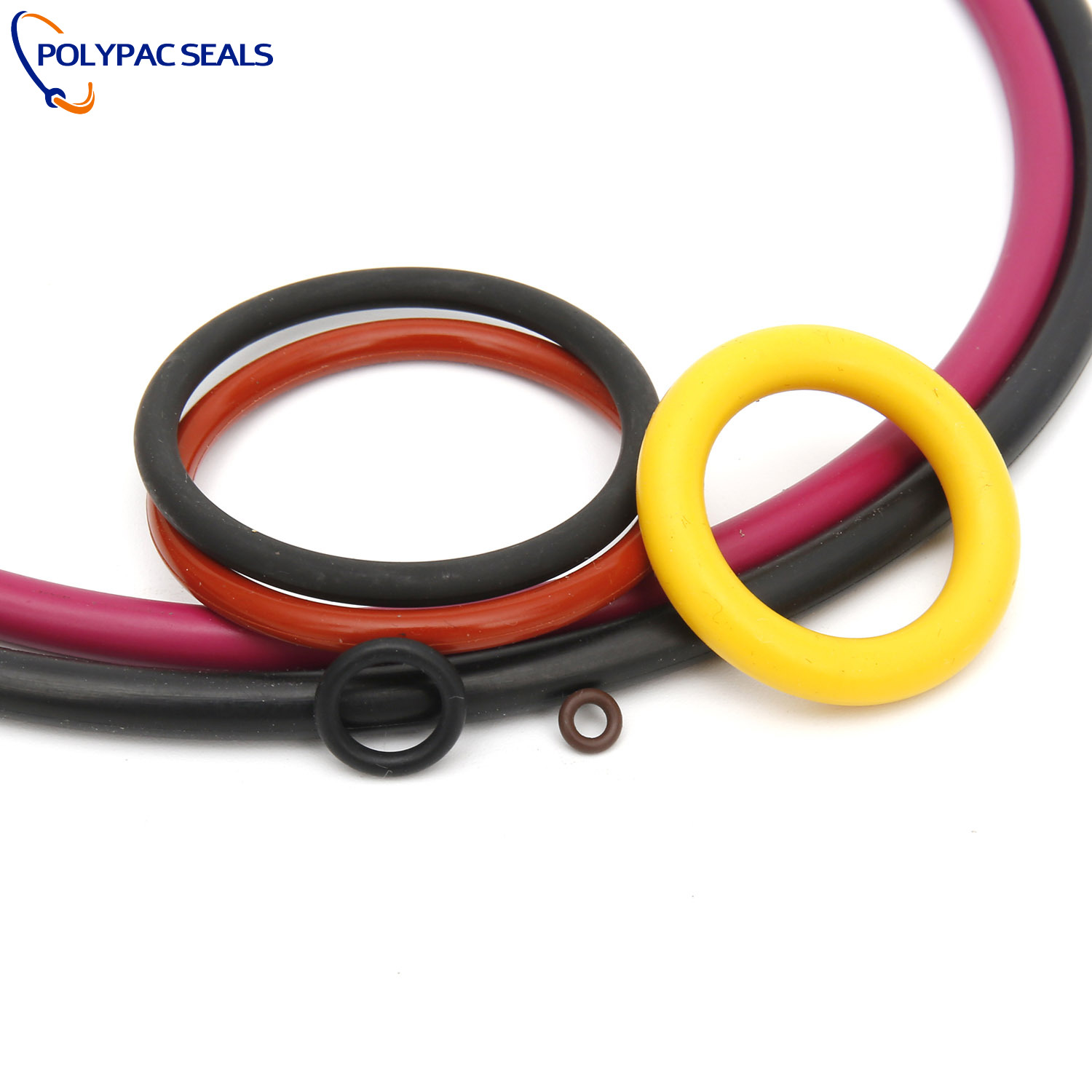
The Indispensable Role of FDA Compliant Food Grade O-Rings
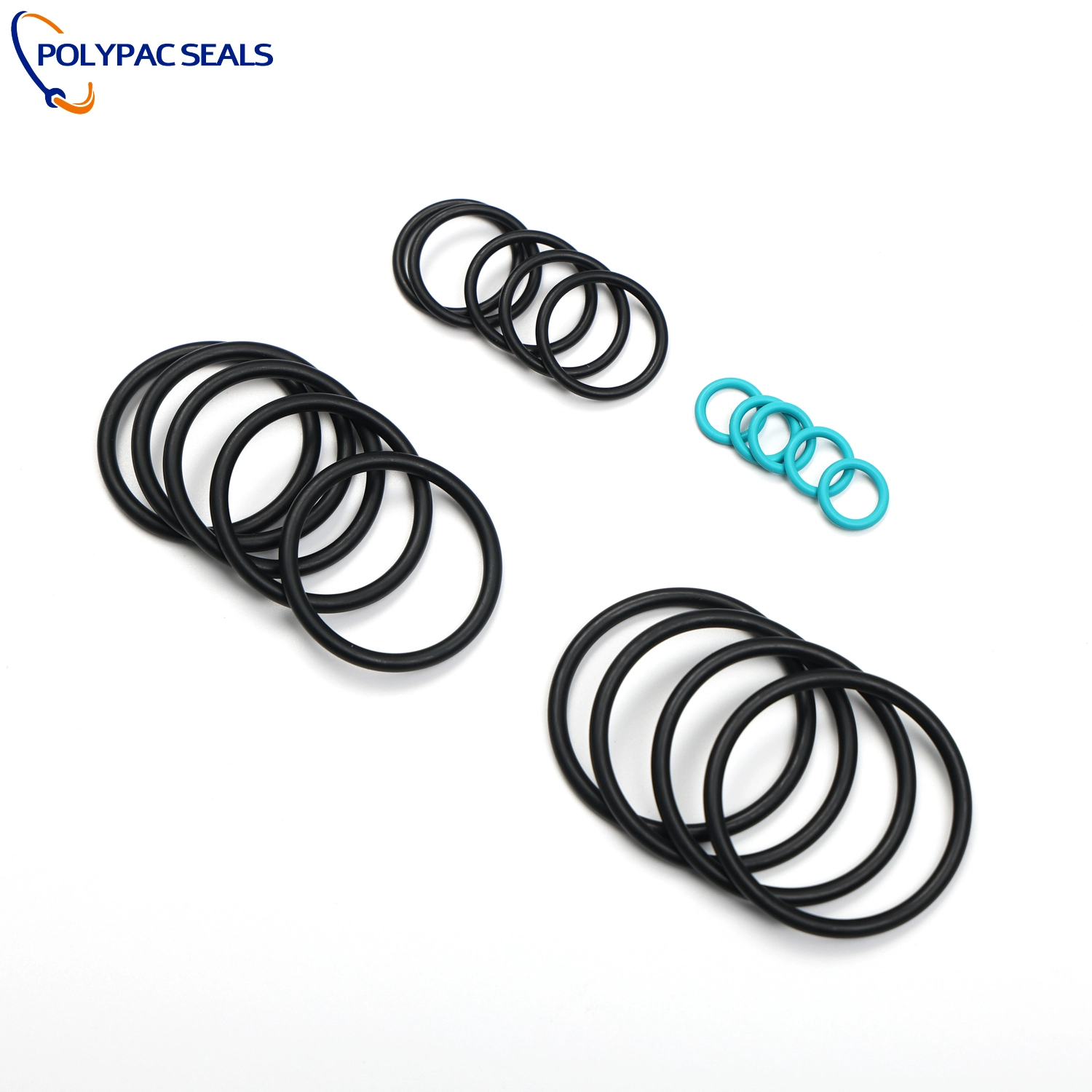
Our image perfectly illustrates the diverse world of O-rings – an array of sizes and colors, each hinting at specialized functions. In the critical realm of food and beverage processing, these seemingly simple components are the unsung heroes, safeguarding product purity and operational efficiency. At Polypac, a leader in seal manufacturing, we understand that when it comes to food contact applications, only the highest standards will suffice. This is where food grade O-rings FDA compliant become not just an option, but a non-negotiable requirement for consumer safety and industry integrity. Trust Polypac to deliver sealing solutions that meet and exceed these vital demands.What Defines an FDA Compliant Food Grade O-Ring?
Adhering to Stringent Food Safety Regulations
For an O-ring to be considered ‘food grade’ and FDA compliant, it must adhere to strict regulations set forth by the U.S. Food and Drug Administration, specifically FDA 21 CFR 177.2600. These regulations dictate that materials in contact with food must be non-toxic, inert, and not impart any harmful substances, tastes, or odors into the food product. This ensures that the seals do not contaminate the consumables, protecting both consumer health and your brand’s reputation. Polypac’s meticulous manufacturing processes ensure our seals are designed with these critical food safety standards in mind.Material Science Behind Hygienic Sealing Solutions
The vibrant array of colors seen in our product image – black, red, yellow, pink, and even a tiny brown O-ring – isn't just for aesthetics. These variations often signify different elastomer materials, each possessing unique properties tailored for specific food processing environments. For instance, Silicone (VMQ) often comes in translucent, red, or white, offering excellent temperature resistance. EPDM is known for its resistance to steam and water, while certain grades of Nitrile (NBR) and FKM (Viton) provide robust resistance against oils and chemicals used in cleaning-in-place (CIP) and sterilization-in-place (SIP) processes. Polypac provides a comprehensive selection of food grade elastomer materials, ensuring optimal hygienic sealing performance and complete material compatibility for any application.
Tags
NBR O-ring bulk kit wholesale pack
NBR O-ring bulk kit wholesale pack
piston guide ring for seals
piston guide ring for seals
Nitrile O-Ring Kits
Nitrile O-Ring Kits
rod seal repair kit
rod seal repair kit
Extreme Service Rod Seal
Extreme Service Rod Seal
Viton O-Ring Kits
Viton O-Ring Kits
Recommended for you

Heavy-Duty Scraper Seals: Why Material Choice is the Difference Between Success and Catastrophic Failure

O-Ring Piston Seals vs. U-Cups: Choosing the Right Seal for High-Pressure Hydraulics

Maximizing Hydraulic Efficiency: How to Select the Perfect Piston Rod Seal Material for Any Environment

Back-Up Ring Seal vs. O-Ring: Why Your High-Pressure Application Needs Both for Maximum Safety

Scraper Ring Seals vs. Wiper Seals: The Definitive Comparison for Contamination Control
Prdoucts Categories
Question you may concern
Products
How do I choose the right material for my sealing application?
Material selection depends on four key factors:
Media: What fluid or gas will the seal contact? (e.g., petroleum oil, water, chemicals, steam)
Temperature: What is the minimum and maximum operating temperature?
Pressure: What is the system's operating pressure? Are there pressure spikes?
Application: Is it a static, dynamic, or rotary seal?
Example: NBR (Buna-N) is excellent for standard hydraulic oil, while FKM (Viton®) is needed for high temperatures or aggressive chemicals.
When should I use a spring-energized seal instead of a standard elastomeric seal?
Consider a spring-energized seal (e.g., GSF, SPN types) for demanding applications involving:
Extreme Temperatures (below -30°C or above +200°C)
Aggressive Chemicals that elastomers can't handle
Very Low Leakage or "Zero Leakage" requirements
Poor Lubricity or dry running conditions
The internal spring maintains constant sealing force, compensating for wear and system variables.
How important is surface finish on the metal parts that contact the seal?
Extremely important. A rough surface will abrade and wear out the seal quickly, causing leaks. A finish that is too smooth can prevent a lubricating film from forming. A typical recommended surface finish for dynamic applications is 0.2 to 0.8 μm (8-32 μin) Ra.
How can I prevent seal damage during installation?
Use Tools: Always use dedicated installation tools (e.g., picks, cones, guides).
Lubricate: Always lubricate the seal and the contact surface.
Protect Sharp Edges: Cover sharp threads and edges with tape or use an installation sleeve.
Check the Groove: Ensure the installation groove is clean, deburred, and undamaged.
What is the purpose of the metal spring in a rotary shaft seal?
The garter spring in a shaft seal (e.g., FSKR, SPGO types) provides a constant radial force on the sealing lip. This ensures consistent contact with the rotating shaft, compensating for minor wear, eccentricity, and vibration to prevent lubricant leakage.
You may also like
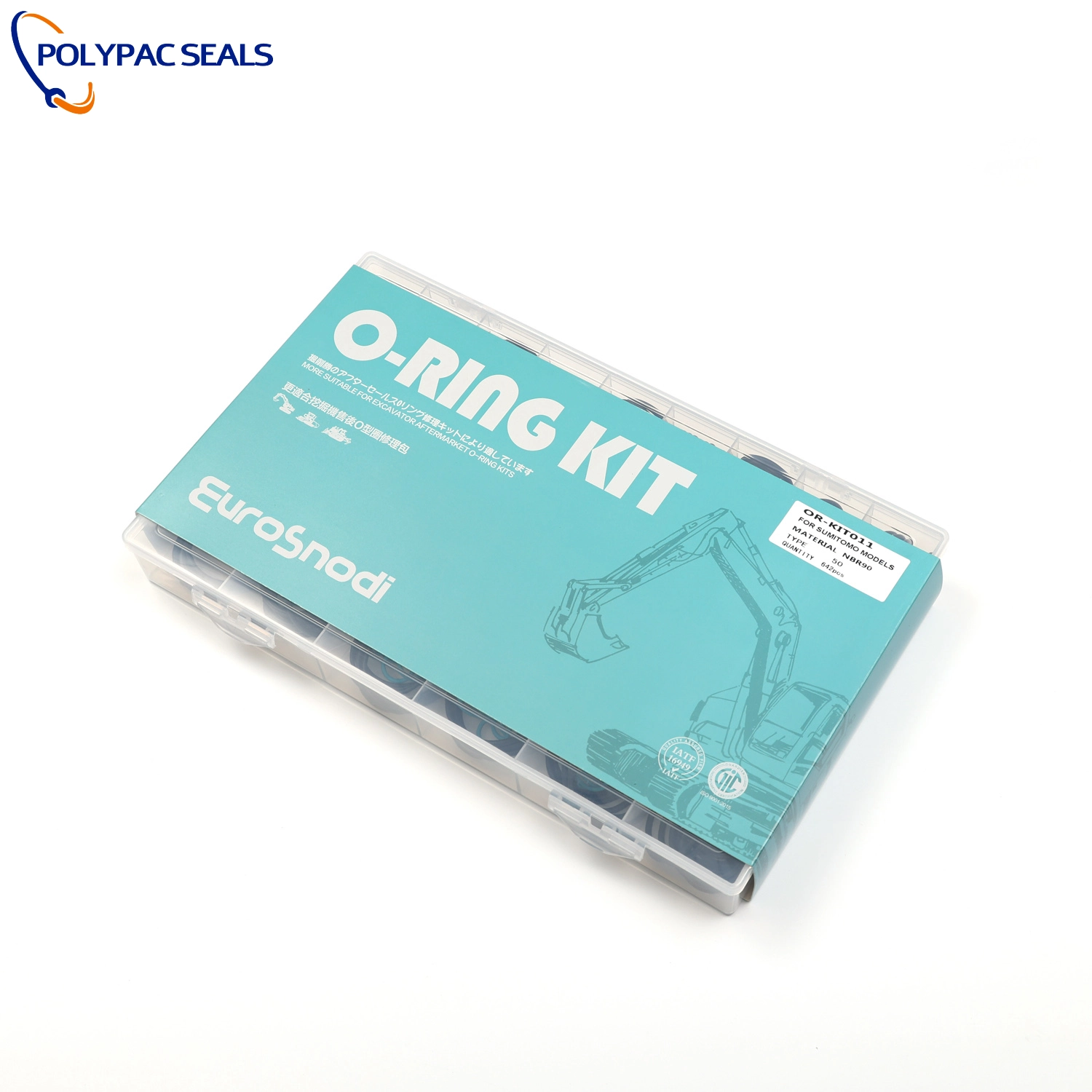
Mini O-Ring Kits-011 SUMITOM | Compact Assortments for Electronics, RC Models & Small Appliances
Polypac Mini O-Ring Kits-011 SUMITOM offer compact assortments of high temperature, chemical resistant O-rings. Ideal for electronics, RC models, and small appliances, these durable kits ensure reliable sealing performance in demanding environments. Perfect for precision repairs and maintenance.
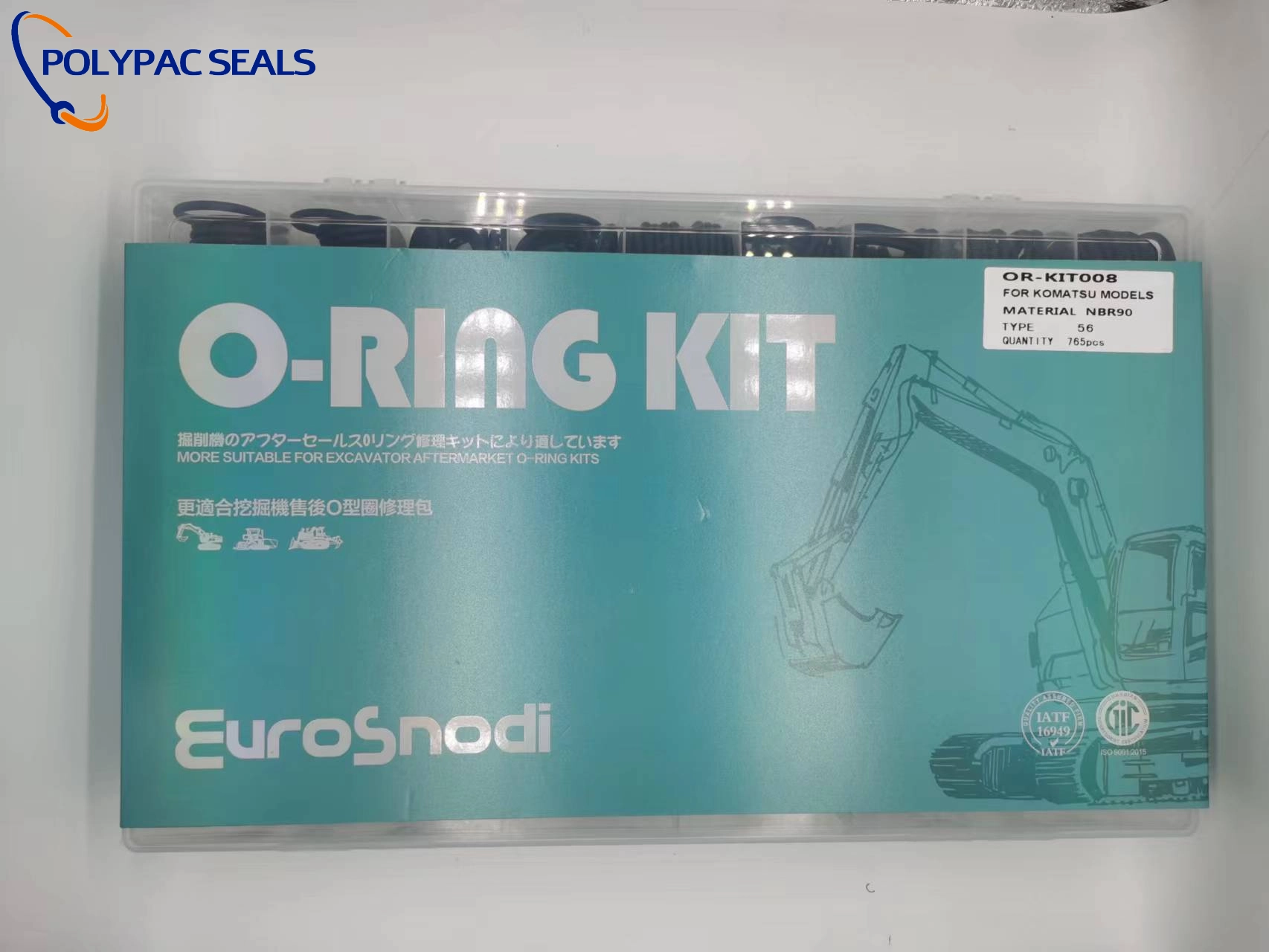
Buna-N (Nitrile) O-Ring Kits-008 KOMATSU | Oil Resistant Seal Assortments for General Purpose Use
Polypac Buna-N (Nitrile) O-Ring Kits-008 KOMATSU offer durable, oil-resistant seals ideal for hydraulic and pneumatic applications. These versatile O-ring assortments ensure reliable sealing performance for general-purpose use, enhancing equipment efficiency and longevity.
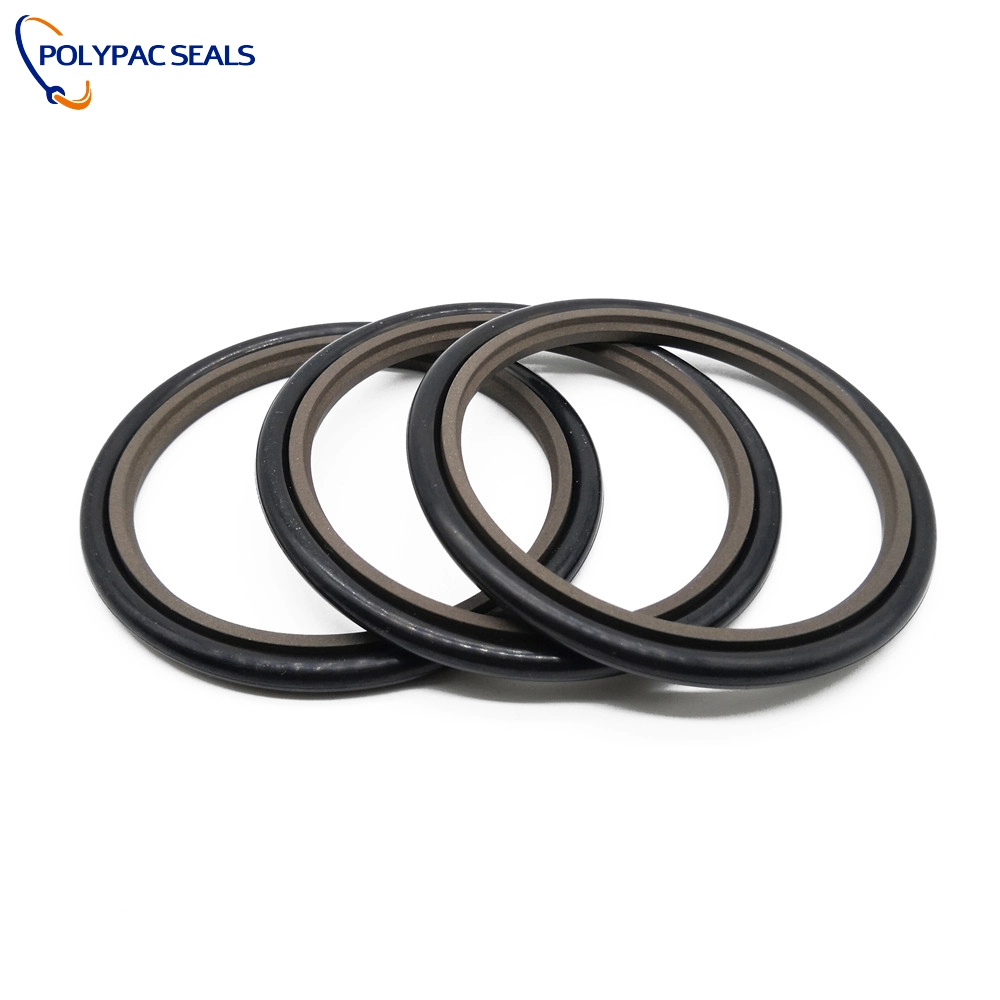
GSJ-801 Rod Seal | High-Performance Piston Rod Seal for Exact OEM Replacement
The Polypac GSJ-801 Rod Seal is a high-performance piston rod seal designed for exact OEM replacement. Ideal for cylinder seal kit components and pump rod seals, it ensures superior durability and leak prevention, enhancing hydraulic system efficiency in industrial applications. Trust Polypac quality.
Plumbing & HVAC O-Ring Kits012 HITACHI | Assortments for Water, Refrigerant & Gas Connections
Polypac Plumbing & HVAC O-Ring Kits012 HITACHI offer High Quality vacuum and FDA-grade O-Ring assortments for water, refrigerant, and gas connections. Trusted for durability and leak-proof sealing, ideal for plumbing and HVAC systems requiring reliable, high-performance seals.
Stay Updated with Industry Insights
Subscribe to our articles and receive the latest news, expert guidance, and technical updates directly in your E-mail.
Rest assured that your privacy is important to us, and all information provided will be handled with the utmost confidentiality.

Polypac is a trusted global supplier of high-performance sealing solutions, providing OEM & ODM services for industries worldwide.
E-mail:
sales2@dmsseals.com
Phone/WhatsApp:
© 2025 Polypac Seals. All Rights Reserved.
dms
DMS
DMS