












PTFE Seal Benefits and Typical Industrial Applications
Why Engineers Choose PTFE Seals for Demanding Applications
Overview: What a PTFE Seal Is and Why It Matters for Industrial Sealing
PTFE (polytetrafluoroethylene) seals are polymer-based sealing elements used across industries where chemical resistance, wide temperature ranges, low friction, and long service life are priorities. The term PTFE Seal includes pure PTFE components and filled PTFE variants (bronze, carbon, graphite, MoS2, glass) engineered to improve wear, creep resistance, or thermal conductivity. For equipment designers and maintenance teams, understanding PTFE seals' benefits, limitations, and application fit is critical for reliability, lifecycle cost reduction, and regulatory compliance.
Key Material Benefits of PTFE Seals: Performance Characteristics and Engineering Value
PTFE seals offer an unusual combination of properties that map directly to common industrial needs:
- Excellent chemical inertness: resistant to most acids, bases, solvents and fuels — improves compatibility range and reduces downtime for seal failure due to chemical attack.
- Wide service temperature: usable roughly from -200°C to +260°C (application-dependent), enabling use in cryogenic and high-temperature processes.
- Exceptionally low friction coefficient: reduced stick-slip and wear in reciprocating and rotary applications; improves energy efficiency and reduces heat generation.
- Low moisture absorption and electrical insulation properties: beneficial in electrical and wet/damp environments.
- Long-term dimensional stability and low compression set for filled grades: filled PTFE addresses pure PTFE’s tendency for cold flow (creep) under sustained load.
These attributes frequently translate into extended mean time between repairs (MTBR) and lower total cost of ownership when PTFE is correctly specified.
Filled PTFE Seal Variants: Trade-offs and Typical Use Cases
Filled PTFE grades are produced by adding fibers or powders to the PTFE matrix to tailor properties. Typical variants and their engineering trade-offs include:
- Bronze-filled PTFE: improved thermal conductivity and wear resistance; common in dynamic seals and bearings where heat dispersion is helpful.
- Carbon-filled PTFE: improved wear and lower friction; used where low wear and friction are paramount but metallic fillers are undesirable.
- Graphite or MoS2-filled PTFE: enhanced lubricity and high-temperature performance.
- Glass-filled PTFE: improved dimensional stability and stiffness; used where compressive strength and creep resistance are needed.
PTFE Seal vs Elastomer Seals: Practical Comparison for Selection
Choosing between PTFE and elastomer seals (NBR, FKM, EPDM, silicone) requires weighing sealing mechanics against environment and service conditions. The table below summarizes typical performance differences.
| Property | PTFE Seal (pure/filled) | Elastomer Seal (NBR/FKM/EPDM) |
|---|---|---|
| Chemical resistance | Very high (most chemicals) | Variable; good for oils (NBR), fuels/high temp (FKM), weather/steam (EPDM) |
| Temperature range | -200°C to +260°C (grade dependent) | -40°C to +200°C typically (grade dependent) |
| Friction & wear | Very low friction; filled grades improve wear | Higher friction; good resilience and sealing contact |
| Elastomeric sealing ability | Limited inherent conformity; often requires spring-loaded or energized designs | Excellent conformity and static sealing at low loads |
| Compression set & creep | Pure PTFE prone to cold flow; filled PTFE improves creep resistance | Elastomers exhibit compression set but are engineered for resilience |
| Typical applications | Chemical processing, cryogenics, high-temp, reciprocating/rotary equipment | Hydraulics, pneumatics, static seals, general-purpose sealing |
Source data are approximate; consult manufacturer datasheets and application testing for final selection.
Typical Industrial Applications for PTFE Seals (By Sector)
PTFE seals are used broadly where compatibility, temperature stability, and low friction are required. Representative sectors and examples:
- Chemical processing: pumps, mixers, reactors where aggressive media or solvents are present.
- Oil & gas: valves, downhole equipment and high-temperature pipelines where chemical and thermal stability matter.
- Pharmaceutical and food processing: PTFE’s inertness and cleanability make it suitable for hygienic systems (ensure food-grade certification where required).
- Automotive and aerospace: high-temperature engine components, actuators, and systems requiring low friction and long life.
- Semiconductor and electronics: ultra-pure environments and vacuum chambers where outgassing and contamination must be minimized.
- Cryogenics and liquefied gas systems: PTFE's low-temperature flexibility and stability are advantageous.
Design Considerations When Specifying a PTFE Seal for Your Equipment ( Keywords: PTFE Seal selection, PTFE Seal supplier)
To maximize reliability and performance, address these design points before ordering or retrofitting PTFE seals:
- Dynamic vs static sealing: PTFE excels in dynamic low-friction applications but often needs a spring-energized design or backing ring for static sealing.
- Operating pressure and gland design: pure PTFE can creep; choose filled grades or use anti-extrusion back-up rings for high pressure.
- Shaft speed and surface finish: because of low friction, PTFE works well at higher speeds but requires appropriate surface finish to avoid abrasive wear.
- Temperature and chemical exposure: match the PTFE grade to the maximum process temperature and chemical compatibility chart.
- Installation tolerances and groove design: PTFE parts may require tighter tolerances or energized seals to ensure immediate sealing on installation.
Failure Modes, Troubleshooting and Maintenance Tips for PTFE Seals
Common failure modes and practical mitigations:
- Creep/Cold flow leading to leakage: use glass- or bronze-filled PTFE or design with backup rings; reduce gland stress.
- Abrasion or wear in reciprocating service: select wear-resistant filled grades (carbon, bronze) and confirm shaft hardness and finish.
- Thermal decomposition from exceedance of temperature limits: verify transient and continuous temperature ratings; consider higher-grade fillers or alternate materials for sustained high temps.
- Installation damage and wrinkling: train fitters on PTFE handling; use tooling and proper lubrication during installation.
Cost and Lifecycle Considerations: When PTFE Makes Economic Sense (Keywords: PTFE Seal cost, PTFE Seal lifespan)
Unit cost for PTFE seals is typically higher than basic elastomers, but total lifecycle costs can be lower due to extended service life, reduced downtime, and fewer change-outs in harsh environments. A simple decision framework:
- Compare replacement frequency: if elastomer replacements are frequent due to chemical attack or temperature extremes, PTFE often reduces lifecycle cost.
- Consider downtime costs: process-critical systems justify High Quality materials to avoid production loss.
- Evaluate repairability: PTFE seals in modular assemblies (spring-energized cartridges, segmented rings) can be replaced faster in the field, reducing MTTR.
Polypac: Capabilities, History and Seal Products (Brand Integration — : PTFE Seal manufacturer, custom seals)
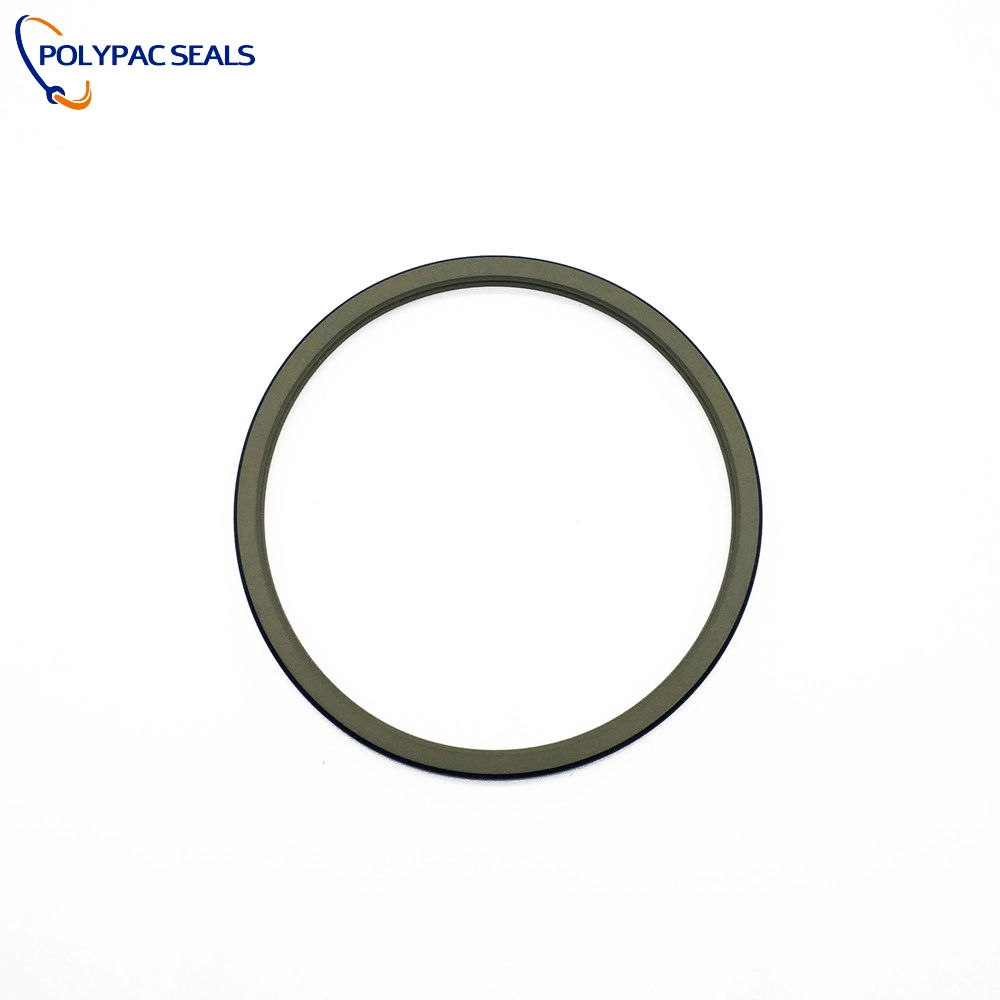
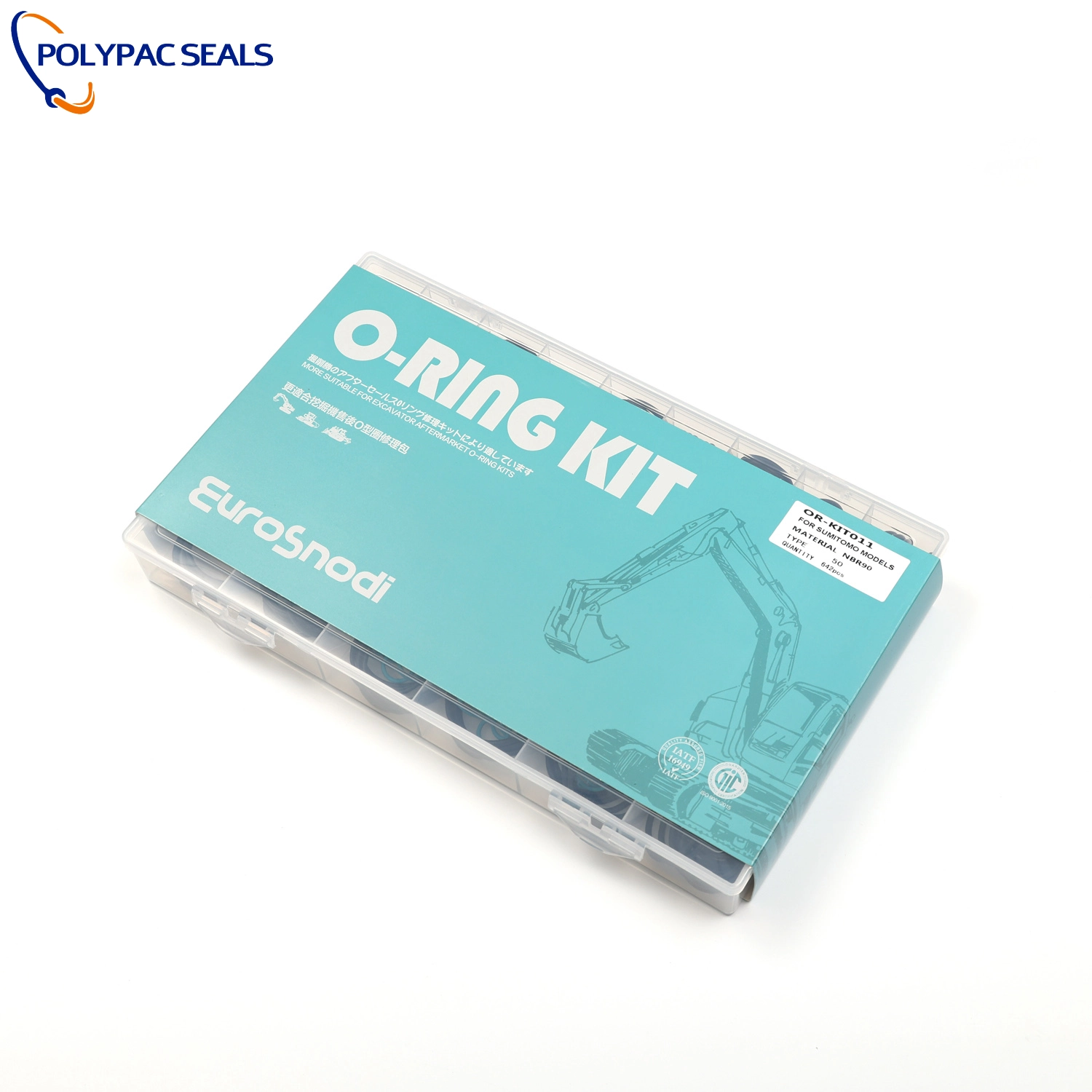
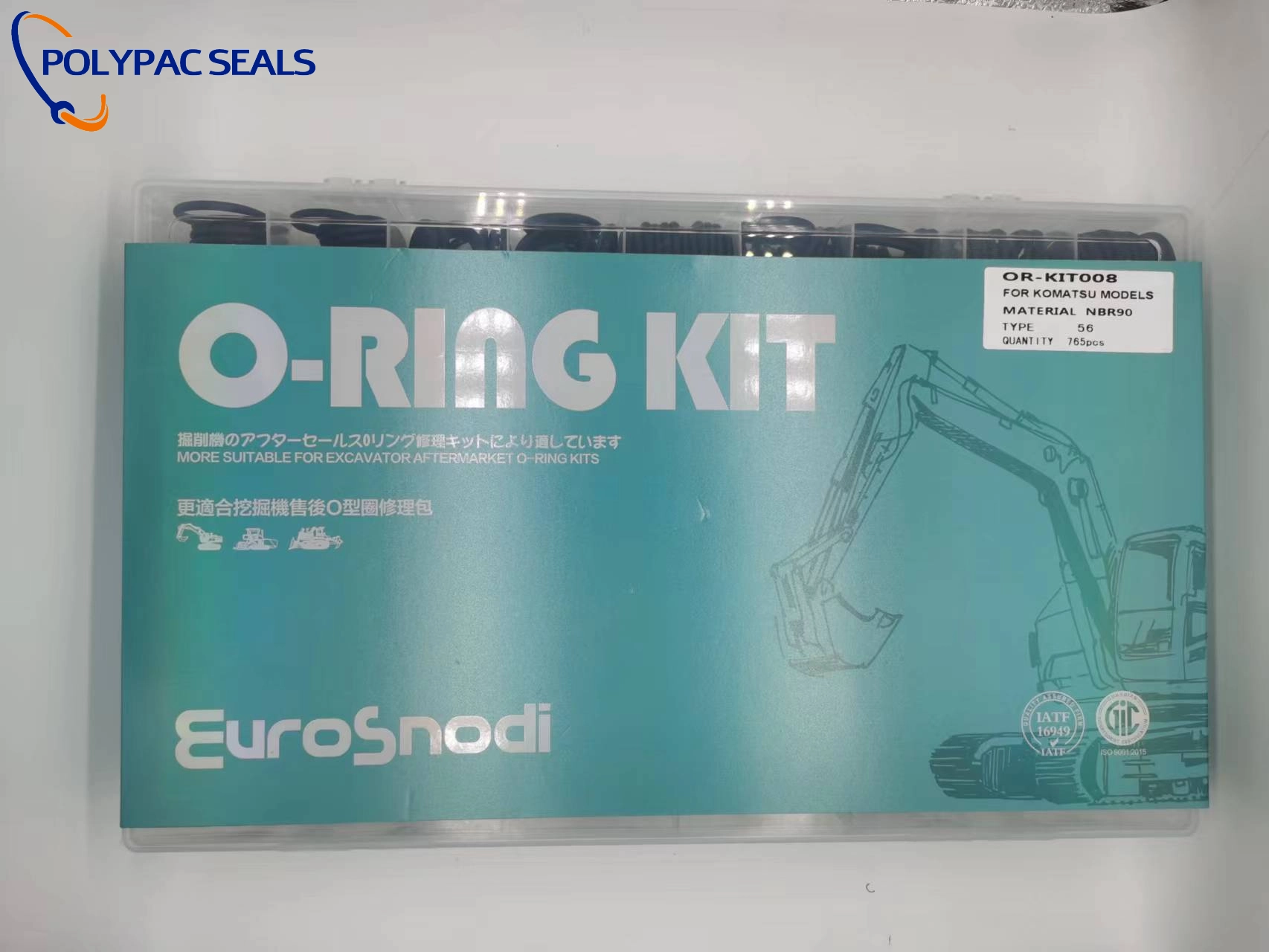
Polypac is a scientific and technical hydraulic seal manufacturer and oil seal supplier specializing in seal production, sealing material development, and customized sealing solutions for special working conditions. Founded in 2008, Polypac began by manufacturing filled PTFE seals, including bronze-filled PTFE, carbon-filled PTFE, graphite PTFE, MoS2-filled PTFE, and glass-filled PTFE. Today, Polypac has expanded its product line to include O-rings made from NBR, FKM, silicone, EPDM, and FFKM.
Polypac's custom rubber ring and O-ring factory covers an area of more than 10,000 square meters, with a factory space of 8,000 square meters. Production and testing equipment are among the most advanced in the industry. As one of China’s largest companies dedicated to seal production and development, Polypac maintains long-term collaboration with multiple universities and research institutions domestically and internationally.
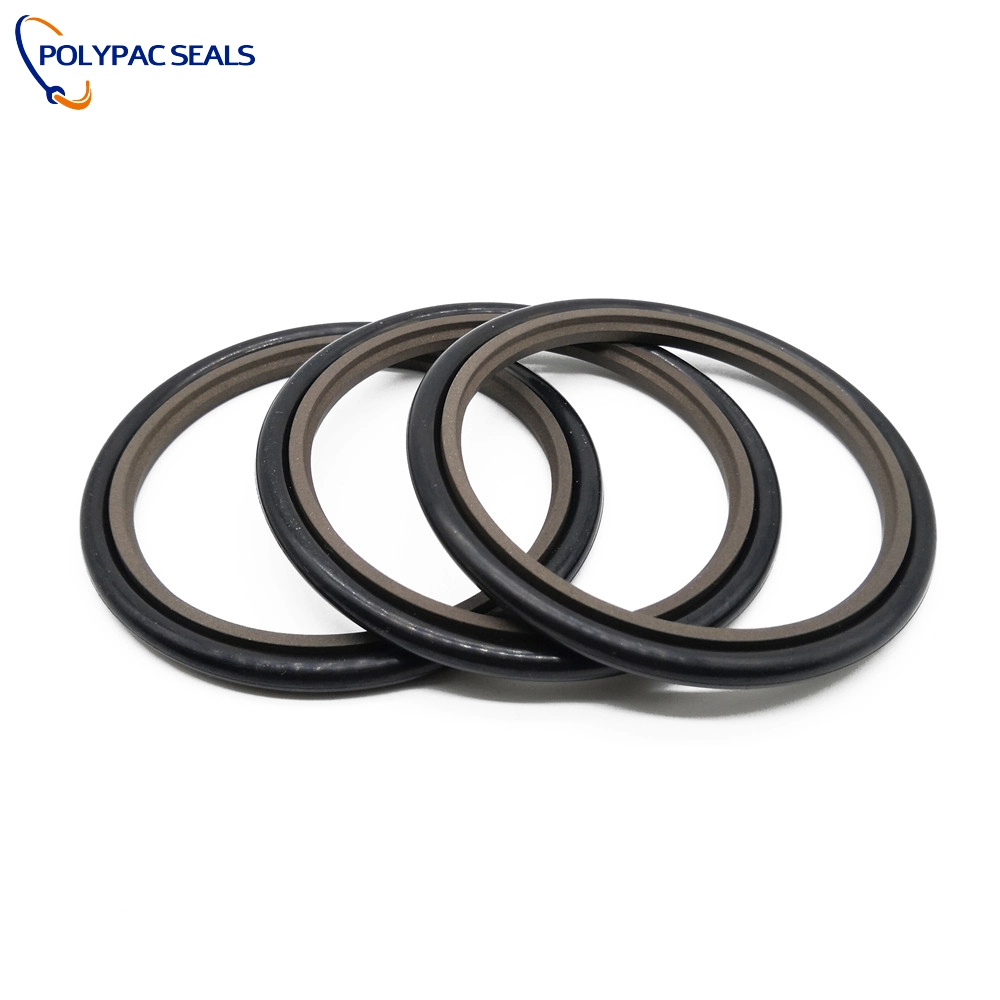
Main products and strengths include: O-Rings, Rod Seals, Piston Seals, End Face Spring Seals, Scraper Seals, Rotary Seals, Back-up Rings, and Dust Rings. Polypac differentiates by offering deep expertise in filled PTFE formulations, custom material development, and rapid prototyping/testing for special working conditions. Their combined capabilities in materials science and production scale make them a competitive supplier for OEMs and aftermarket customers seeking durable PTFE sealing solutions.
Application Examples and Case Studies (: buy PTFE Seal, PTFE Seal supplier)
Representative, anonymized application snapshots where PTFE seals provided measurable benefit:
- Chemical pump retrofit: replaced NBR lip seals with bronze-filled PTFE rod seals; observed a 6x extension in service interval and elimination of chemical-induced swell failures.
- High-speed actuator: switched to carbon-filled PTFE rotary seals, reducing friction torque by ~30% and lowering power consumption for the actuator.
- Cryogenic valve stems: implemented glass-filled PTFE seals, preserving dimensional stability at low temperatures and preventing leaks during thermal cycling.
How to Work with Suppliers and What to Ask (Keywords: PTFE Seal supplier, custom PTFE Seal)
Questions to ask prospective PTFE seal suppliers to validate capability and fit:
- Can you provide material certificates and chemical compatibility charts for the PTFE grade?
- Do you offer filled PTFE variants and custom compound development for specific wear or thermal needs?
- What testing capabilities do you have (e.g., dynamic test rigs, thermal cycling, accelerated chemical exposure)?
- Can you provide case studies or references in my industry?
- What are the lead times and MOQ for custom sizes and materials?
Frequently Asked Questions (FAQ)
Q1: What is the operating temperature range of PTFE seals?
A: PTFE typically performs from around -200°C up to +260°C. Exact usable range depends on the grade and presence of fillers — always confirm with the manufacturer's datasheet.
Q2: Are PTFE seals better than rubber seals for all applications?
A: Not for all applications. PTFE excels in chemical resistance and temperature extremes but may require energization or backup rings for static sealing. Elastomers remain preferable for low-cost static seals and where high conformability is needed at low loads.
Q3: Can PTFE seals be used in high-pressure hydraulic systems?
A: Yes, particularly filled PTFE with anti-extrusion backup rings or spring-energized designs. Proper gland design and extrusion control are essential.
Q4: How do I prevent cold flow/creep in PTFE seals?
A: Select filled PTFE grades (glass, bronze, carbon) with better creep resistance, use backup rings, and design appropriate gland tolerances to reduce long-term deformation.
Q5: Do PTFE seals require lubrication?
A: PTFE inherently has low friction; however, certain dynamic applications benefit from compatible lubricants during installation or operation to minimize initial wear and ease assembly. Confirm lubricant compatibility with the process fluid.
Q6: How do I get a custom PTFE seal for unusual dimensions or media?
A: Contact a specialist PTFE seal manufacturer (such as Polypac) that offers material development, prototyping, and testing. Provide operating conditions (temperature, pressure, speed, chemical exposure) and desired life expectancy to get accurate recommendations.
Contact and Next Steps — Request a Quote or Consult on PTFE Seal Selection
If you need a tailored PTFE seal solution, Polypac offers custom formulation, prototype runs, and application testing. For technical consultations, sample requests or a quote on O-Rings, Rod Seals, Piston Seals, End Face Spring Seals, Scraper Seals, Rotary Seals, Back-up Rings, and Dust Rings, contact Polypac’s technical sales team to discuss your working conditions and performance targets.
References
- Polytetrafluoroethylene (PTFE) — Wikipedia. Available: https://en.wikipedia.org/wiki/Polytetrafluoroethylene (accessed 2025-11-20)
- Chemours - Teflon PTFE Product Information. Available: https://www.chemours.com/en/brands/teflon (accessed 2025-11-20)
- SKF — Sealing solutions technical information. Available: https://www.skf.com/group/products/seals (accessed 2025-10-15)
- Cole-Parmer — Chemical Resistance Guide and Material Compatibility (general reference). Available: https://www.coleparmer.com (accessed 2025-10-01)
- ISO 3601 — Fluid power — Seal terminology and O-ring standards (reference to industry standard). Available: https://www.iso.org/standard/ (search ISO 3601) (accessed 2025-10-10)
For detailed material datasheets, testing protocols, or customized recommendations, request product datasheets and test reports from suppliers like Polypac, and perform application-specific validation testing prior to installation.
Last updated: 2025-11-20

High-Performance Pneumatic Piston Seals: How to Achieve Zero-Leakage Efficiency

PTFE vs. Composite: Choosing the Best Piston Guide Ring Material for High-Pressure Systems

Mastering O-Ring Gland Design: The Complete Guide for Perfect Sealing Performance

Advanced Back-Up Ring Materials: Beyond PTFE for Extreme Temperature Environments

PTFE vs. Urethane Scrapers: Which Material Truly Prevents Contamination?
Products
Can I reuse a seal?
How can I prevent seal damage during installation?
How do I choose the right material for my sealing application?
How important is surface finish on the metal parts that contact the seal?
What is the difference between a static seal and a dynamic seal?
Stay Updated with Industry Insights
Subscribe to our articles and receive the latest news, expert guidance, and technical updates directly in your E-mail.
Rest assured that your privacy is important to us, and all information provided will be handled with the utmost confidentiality.

Polypac is a trusted global supplier of high-performance sealing solutions, providing OEM & ODM services for industries worldwide.
E-mail:
Phone/WhatsApp:
© 2025 Polypac Seals. All Rights Reserved.
dms
DMS
DMS