












Machining and Fabrication Techniques for PTFE Seals
Innovations in PTFE Seal Machining and Fabrication
PTFE sealing solutions are widely used where chemical resistance, low friction, and wide temperature ranges are required. However, PTFE's unique properties—high coefficient of thermal expansion, low modulus, and cold flow—make machining and fabrication more complex than metals or engineering thermoplastics. This article provides practical, experience-driven guidance for engineers, purchasing managers, and shop-floor technicians on selecting materials, optimizing machining and fabrication processes, and validating finished PTFE seals for reliable field performance.
Understanding PTFE Material Behavior for Reliable PTFE Sealing Solutions
Before choosing a machining route, it is critical to understand how PTFE behaves under mechanical and thermal loads. Key characteristics affecting fabrication include near-zero surface energy, excellent chemical inertness, very low friction, high creep (cold flow), and a melting point around 327°C. Filled PTFE compounds (bronze, carbon, graphite, MoS2, glass) add stiffness and reduce cold flow at the expense of some chemical resistance or temperature limit.
| Material Type | Primary Benefit | Typical Application |
|---|---|---|
| Virgin PTFE | Maximum chemical resistance, lowest friction | Static seals, chemical processing |
| Bronze-filled PTFE | Improved wear resistance and thermal conductivity | Dynamic rod/piston seals, reciprocating service |
| Carbon-filled PTFE | Better stiffness, reduced cold flow | High pressure seals, low wear |
| Graphite/MoS2-filled | Enhanced lubricity and high-temp stability | High temperature sliding faces |
| Glass-filled PTFE | Higher mechanical strength | Dimensional critical applications |
Sources: Material property summaries from MatWeb and PTFE literature (see references).
Implications for PTFE sealing solutions
Because PTFE deforms under constant load, design and post-machining treatments (annealing) are essential. Fillers help, but they can change abrasion characteristics and may require different tooling. Machining strategies must therefore be adapted to the exact PTFE compound intended for the seal.
Common Machining Methods and Best Practices for PTFE Seals
Typical fabrication routes include CNC turning, milling, skiving for thin profiles, and molding (compression and injection) for high-volume items. For custom or low-volume rings and special geometries, CNC lathe turning with carefully selected tooling and feeds is the predominant choice for PTFE sealing solutions.
Tooling, speeds, and feeds
Recommendations based on industry practice and supplier guidance:
- Use sharp carbide or PCD tooling to minimize frictional heating and create clean chips.
- Employ moderate feed rates to avoid both rubbing (which increases heat) and overly large chips (which cause tearing).
- Prefer higher spindle speeds with light cuts for PTFE to encourage continuous chip formation and smoother surfaces.
- Air blast or vacuum chip extraction helps prevent re-cutting chips that can mar the finish.
Note: exact speeds and feeds depend on compound and machine rigidity—conduct process trials and document optimal parameters.
Addressing PTFE-Specific Machining Challenges in PTFE Sealing Solutions
Major challenges include thermal distortion, chip control, and achieving consistent surface finish. Practical countermeasures:
- Pre-anneal larger blanks to reduce internal stress and post-process annealing to stabilize dimensions and relieve machining-induced stresses.
- Clamp designs should distribute force to avoid inducing local creep; use soft jaws or form-fit fixtures when possible.
- Control ambient temperature in the machine shop—PTFE expands and contracts more than metals, affecting dimensional control.
- When machining thin sealing lips or thin-walled geometries, consider skiving or specialized turning holders to minimize deformation.
Surface finish and sealing performance
Sealing performance is strongly influenced by surface roughness (Ra) and presence of tool marks. For dynamic seals, aim for an Ra typically in the range of 0.2–0.8 µm; static seals tolerate slightly higher roughness. Filled PTFE often machines to better finishes due to reduced stringiness, but try to minimize subsurface damage and avoid lap marks that can promote leakage paths.
Fabrication Techniques: Molding, Post-Processing, and Assembly for PTFE Sealing Solutions
Molding (compression or injection) is often preferred for large volumes because it reduces material wastage and achieves near-net shapes. Machining remains essential for tight-tolerance rings, specialty geometries, and prototypes.
| Technique | Advantages | Limitations |
|---|---|---|
| Compression Molding | Good for large cross-sections, lower tooling cost | Longer cycle times, may need post-machine for tolerances |
| Injection Molding | Excellent repeatability, low unit cost at volume | Higher tooling cost; not ideal for heavily filled compounds |
| CNC Machining | High precision, flexible for low volumes and prototypes | Material waste and longer cycle per part |
| Skiving | Efficient for thin profiles, low scrap | Limited to certain geometries and compounds |
After fabrication, common post-process steps that improve PTFE seal lifetime include annealing (stress relief), cryogenic treatments are generally not used for PTFE, and ultrasonic cleaning to remove machining debris and lubricants. For dynamic assemblies, lubrication strategies and the use of back-up rings to prevent extrusion are typical.
Machining Filled PTFE Compounds for Specialized PTFE Sealing Solutions
Filled PTFE types reduce cold flow and improve wear, but each filler imposes different machining considerations:
- Bronze-filled: better thermal conductivity—reduces local heating; abrasive to tools—monitor tool wear.
- Carbon-filled: improved stiffness and lower creep; tends to produce finer chips.
- Graphite or MoS2-filled: good for dry-running surfaces; keep coolant minimal to avoid washout of lubricating filler at the surface.
- Glass-filled: highest stiffness but more abrasive; require robust tooling and may need surface grinding for fine finish.
Tool life and process capability should be validated for every compound and geometry combination. Maintain records linking batch numbers to machining parameters for traceability.
Tolerances and dimensional stability
Realistic tolerance targets for machined PTFE seals are typically between ±0.05 mm to ±0.2 mm depending on diameter and cross-section; very tight tolerances are achievable with controlled annealing and multiple light finishing passes. Stability over time depends on operating temperature, pressure, and the compound’s filler content.
Testing, Inspection, and Quality Control for PTFE Sealing Solutions
Quality control must combine dimensional inspection, surface roughness measurement, and functional leak and endurance testing. Recommended practices include:
- Use calibrated micrometers and roundness gauges for critical diameters.
- Measure Ra with a profilometer and record values against seal function (dynamic/static).
- Perform pressure-leak testing for high-pressure seals per customer specifications.
- Conduct accelerated wear testing on representative hardware when possible.
Adopt ISO 9001-style traceability for materials and process records to support continuous improvement and customer audits.
Application Guide: Choosing the Right PTFE Sealing Solutions
| Application | Recommended PTFE Type | Notes |
|---|---|---|
| Static chemical seals | Virgin PTFE | Maximize chemical compatibility |
| Reciprocating hydraulic seals | Bronze or carbon-filled PTFE | Improved wear and dimensional stability |
| High-temperature sliding faces | Graphite/MoS2-filled PTFE | Retains lubricity at elevated temps |
| High-pressure sealing with thin cross-section | Glass-filled PTFE with backup rings | Reduces extrusion risk |
Polypac: Capabilities and PTFE Sealing Solutions by Design
Polypac is a scientific and technical hydraulic seal manufacturer and oil seal supplier specializing in seal production, sealing material development, and customized sealing solutions for special working conditions. With a custom rubber ring and O-ring factory covering more than 10,000 square meters and 8,000 square meters of factory space, Polypac operates advanced production and testing equipment and collaborates closely with universities and research institutions domestically and internationally.
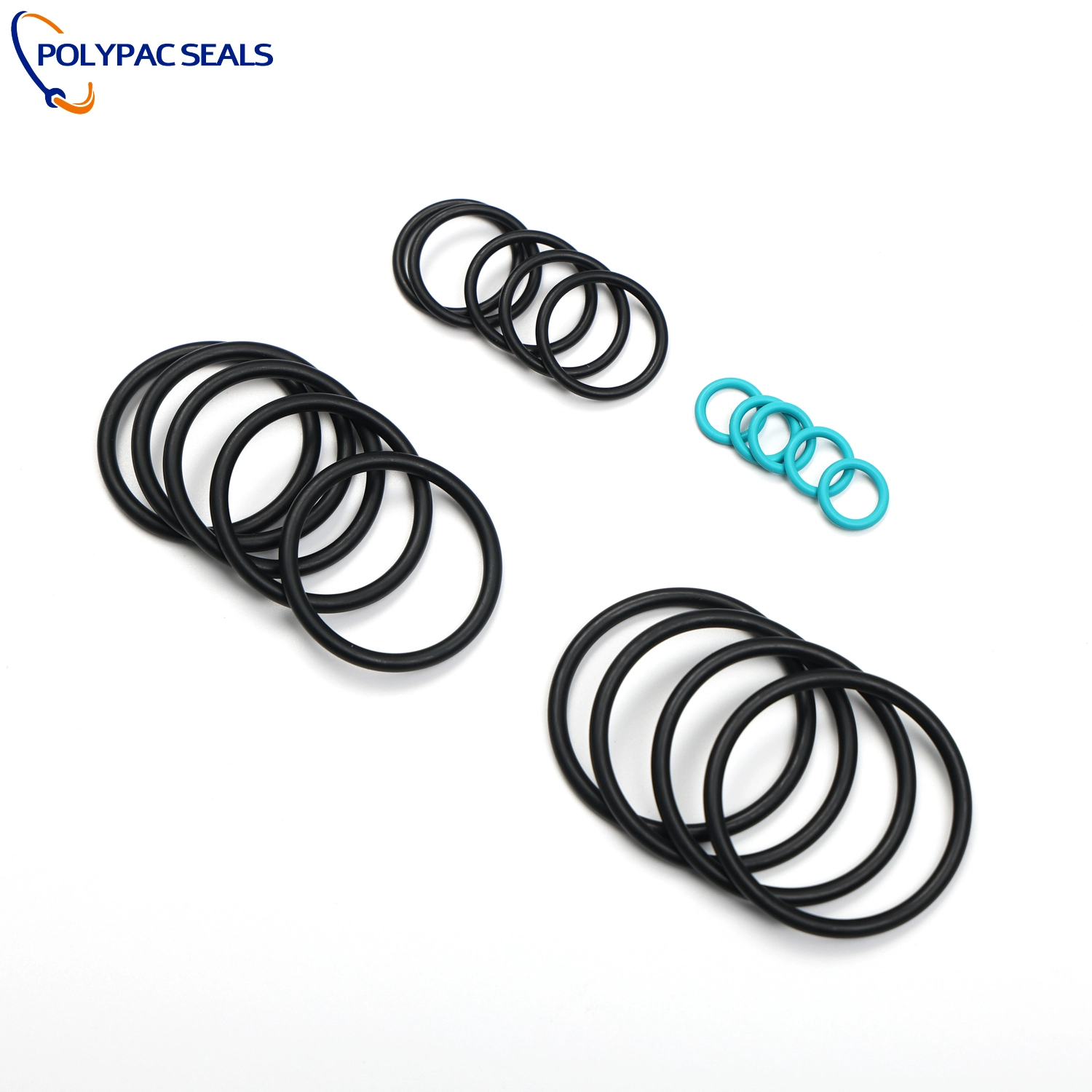
Founded in 2008, Polypac began by manufacturing filled PTFE seals, including bronze-filled PTFE, carbon-filled PTFE, graphite PTFE, MoS2-filled PTFE, and glass-filled PTFE. Today, the product range includes O-rings made from NBR, FKM, silicone, EPDM, and FFKM. Core products and strengths include:
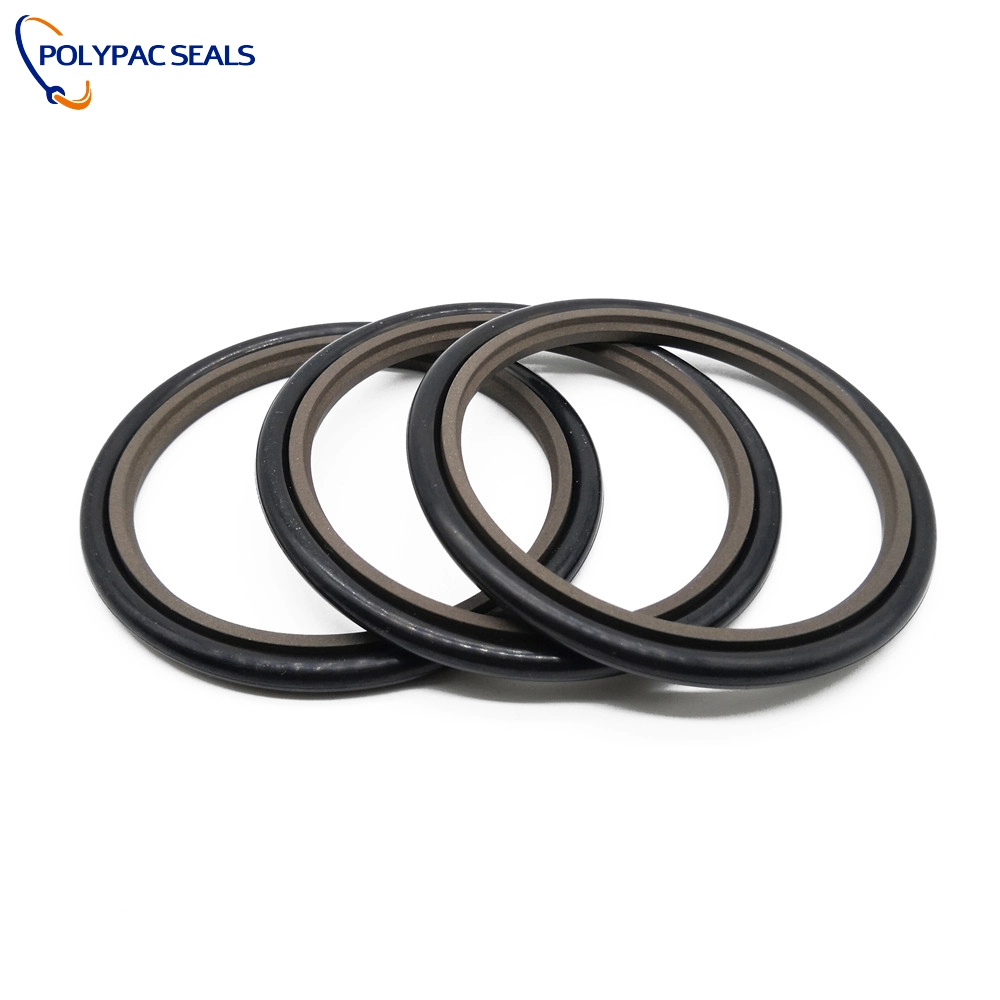
- O-Rings, Rod Seals, Piston Seals, End Face Spring Seals, Scraper Seals, Rotary Seals, Back-up Rings, Dust Rings
- Expertise in filled PTFE compounds for demanding dynamic and static sealing environments
- Advanced quality control systems and long-term R&D cooperation with academic partners
- Custom formulation and machining capabilities for special working conditions
Polypac's competitive advantages are its deep specialization in PTFE sealing solutions, in-house material development, large-scale production infrastructure, and ability to deliver both molded and precision-machined seals to international quality expectations.
Best Practices Checklist for Machining and Fabricating PTFE Seals
- Select the correct PTFE compound for the operating environment (chemical, temp, pressure).
- Pre-anneal blanks for critical parts and perform post-machining anneal when needed.
- Use sharp carbide or PCD tools; monitor tool wear and change tools proactively for filled materials.
- Design fixtures that minimize localized clamping stress and allow for thermal expansion.
- Define realistic tolerances, verify with functional testing, and maintain material batch traceability.
FAQ — Frequently Asked Questions about PTFE Sealing Solutions
1. What are the advantages of filled PTFE over virgin PTFE for seals?
Filled PTFE (bronze, carbon, graphite, MoS2, glass) generally offers better dimensional stability, reduced cold flow (creep), and improved wear resistance compared to virgin PTFE. The trade-offs can include slightly reduced chemical resistance and potential for increased tool abrasion during machining.
2. Can PTFE seals be machined to tight tolerances?
Yes. With controlled annealing, multiple light finishing passes, and appropriate fixtures, machined PTFE seals can achieve tolerances in the range of ±0.05 mm for many applications. The achievable tolerance depends on compound, part size, and required post-process stabilization.
3. Is coolant required when machining PTFE?
In most cases, dry machining or minimal air blast is preferred to avoid trapping moisture and to allow clean chip evacuation. Some shops use light misting or specialty lubricants in specific situations, but this must be validated for the compound and downstream cleaning requirements.
4. How should PTFE seals be tested for leak performance?
Leak testing methods include pressure-hold tests, bubble tests for low-pressure systems, and helium or gas-based leak detection for high-sensitivity requirements. Tests should reflect the real service conditions (pressure, temperature, fluid media).
5. What causes PTFE extrusion and how can it be prevented?
Extrusion occurs under high differential pressure with thin seal cross-sections and soft materials. Prevention strategies include using filled PTFE or harder compounds, adding back-up rings, reducing extrusion gaps, and designing for lower compression where possible.
6. How does temperature affect PTFE seal selection?
PTFE has a wide usable temperature range, but filler types can limit upper temperature performance. For high-temperature sliding seals, graphite or MoS2-filled PTFE variants are often preferred. Always validate the compound’s continuous use temperature with supplier data sheets.
Contact and Product Inquiry
If you need customized PTFE sealing solutions—prototype machining, filled PTFE compounds, or large-volume molded seals—contact Polypac to discuss materials, tolerances, and testing requirements. View product catalogs or request a quote for O-Rings, Rod Seals, Piston Seals, End Face Spring Seals, Scraper Seals, Rotary Seals, Back-up Rings, and Dust Rings.
References
- Polytetrafluoroethylene (PTFE) — Wikipedia. https://en.wikipedia.org/wiki/Polytetrafluoroethylene (accessed 2025-06-01)
- MatWeb Material Property Data — PTFE (polytetrafluoroethylene) and filled compounds. https://www.matweb.com (search: PTFE) (accessed 2025-06-01)
- ISO 9001 — Quality management systems. https://www.iso.org/iso-9001-quality-management. (accessed 2025-06-01)
- Technical literature and manufacturer datasheets for filled PTFE compounds (example suppliers include Chemours, Daikin, and specialty PTFE compounders). See supplier technical pages for specific compound properties (accessed 2025-06).

High-Performance Pneumatic Piston Seals: How to Achieve Zero-Leakage Efficiency

PTFE vs. Composite: Choosing the Best Piston Guide Ring Material for High-Pressure Systems

Mastering O-Ring Gland Design: The Complete Guide for Perfect Sealing Performance

Advanced Back-Up Ring Materials: Beyond PTFE for Extreme Temperature Environments

PTFE vs. Urethane Scrapers: Which Material Truly Prevents Contamination?
Products
When should I use a spring-energized seal instead of a standard elastomeric seal?
What is the difference between NBR and FKM materials?
What does "AS568" mean?
Can I reuse a seal?
What is the purpose of the metal spring in a rotary shaft seal?
Stay Updated with Industry Insights
Subscribe to our articles and receive the latest news, expert guidance, and technical updates directly in your E-mail.
Rest assured that your privacy is important to us, and all information provided will be handled with the utmost confidentiality.

Polypac is a trusted global supplier of high-performance sealing solutions, providing OEM & ODM services for industries worldwide.
E-mail:
Phone/WhatsApp:
© 2025 Polypac Seals. All Rights Reserved.
dms
DMS
DMS