












Rod Scraper Seals Buyer's Guide: Choose the Right Seal
Summary for : Rod scraper seals (rod scraper or wiper seals) are critical components that protect hydraulic cylinders by scraping off contaminants and retaining lubricant at the rod entry. In this guide I explain how scraper seals differ from rod seals, how to select materials and designs for specific operating conditions, practical installation and maintenance steps, common failure modes and measurable inspection criteria, and how to evaluate suppliers based on testing capability, material development, and custom manufacturing. I reference industry standards and authoritative resources to support recommendations.
Understanding Rod Scraper Seal Functionality
What rod scraper seals do
I begin with fundamentals: rod scraper seals—often called wiper seals or dust ring scrapers—are designed primarily to keep contaminants (dirt, water, abrasive particles) out of the hydraulic cylinder while allowing the rod to pass through the gland with minimal friction. Unlike primary pressure-retaining rod seals or piston seals, scrapers are a protective barrier located at the rod entry which extends service life of pressure seals by preventing abrasive ingress.
Common sealing challenges in the field
In my experience, the majority of premature hydraulic seal failures originate from external contamination and poor installation. Typical challenges include abrasive dust in off-road equipment, chemical attack in industrial environments, rod surface corrosion or pitting, and misalignment that creates edge loading. Understanding the root cause is the first step to specifying the right rod scraper seals.
Materials and basic design features
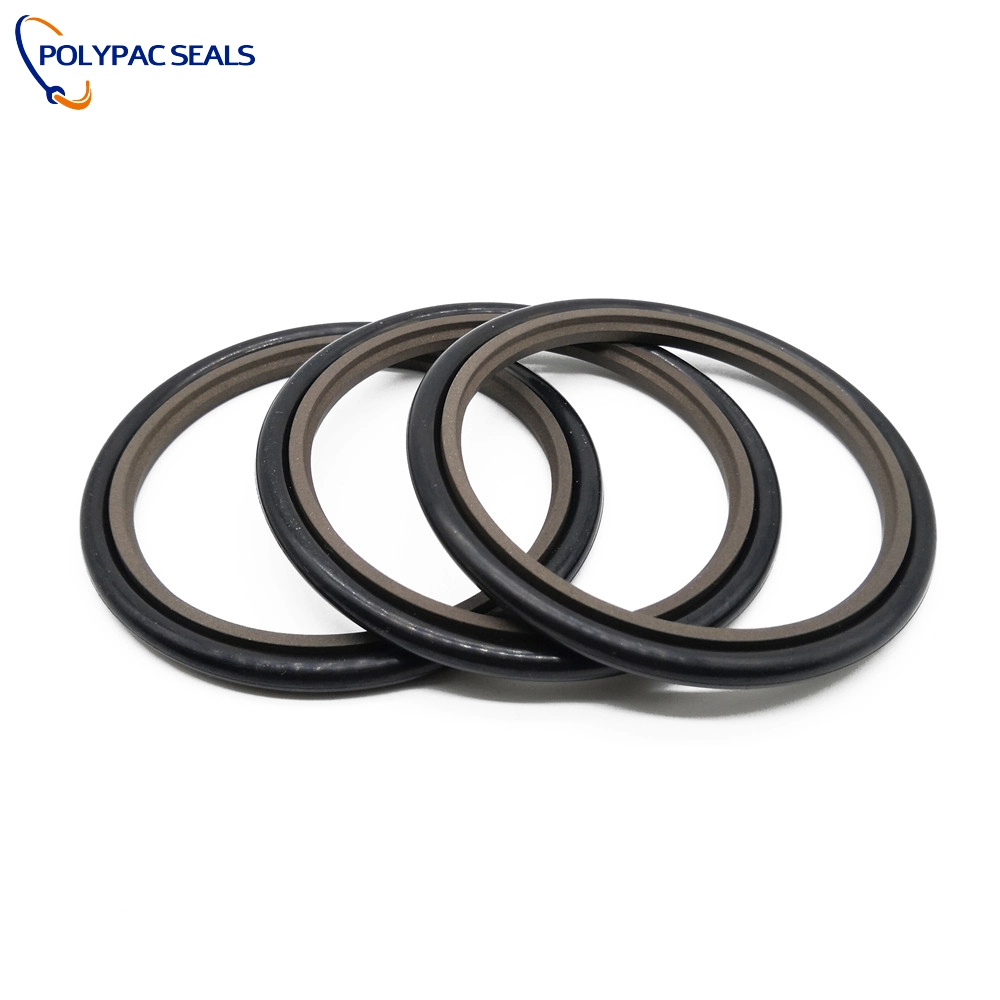
Scraper seals are commonly made from elastomers (NBR, FKM/Viton, EPDM, silicone) or PTFE and PTFE-composites when very low friction and broad temperature resistance are required. A typical scraper features a flexible wiping lip, sometimes combined with a metal casing or a backup ring for installation stability. For abrasive environments, dual-lip designs or seals with integrated dust lips provide better protection. For material properties, see PTFE characteristics on Wikipedia and elastomer classes such as NBR and FKM on their respective resources.
Selecting the Right Rod Scraper Seal
Assess operating conditions
I always start by mapping the complete service environment: operating temperature range, presence of chemicals (hydraulic fluids, solvents, acids), rod speed, frequency of rod cycling, maximum pressure at the gland, and type/amount of external contaminants. These parameters determine acceptable materials and friction limits. For example, NBR is economical and suitable for mineral-oil hydraulics at -40°C to ~120°C; for higher temperatures or aggressive fluids, FKM or FFKM may be required. Reference: general O-ring materials and performance at Wikipedia.
Material selection: pros and cons
Here I summarize typical options and when I choose them:
- NBR (Nitrile): Good abrasion resistance, cost-effective for mineral-oil systems. Limited high-temperature/chemical resistance.
- FKM (Viton): Better heat and chemical resistance—suitable where hydraulic fluids and elevated temperatures are present.
- EPDM: Excellent weathering and water-glycol resistance; avoid with mineral oil systems.
- PTFE / filled-PTFE: Very low friction and wide temperature range (-200 to +260°C), excellent chemical resistance; more expensive and requires careful gland design due to lower elasticity. See PTFE properties on Wikipedia.
Design & dimensional considerations
When specifying scraper seals I check: gland dimensions (bore, groove depth), rod surface finish (Ra target typically 0.2–0.8 µm for many seals), rod hardness (ensure plating or hard chrome to reduce wear), and clearance. Misfit between rod and scraper lip can either allow contaminants in or cause excessive friction. Where possible, use manufacturer dimensional drawings or ISO-based groove standards as reference; ISO standards for sealing components include guidance on O-ring dimensions (see ISO 3601).
Installation, Maintenance and Troubleshooting
Correct installation practices
I've observed many installations fail due to improper handling. Best practices I follow and recommend:
- Inspect rod surface and repair pitting/corrosion before installation.
- Clean parts and use protective grease compatible with seal material.
- Use installation tools to avoid nicking the lip; do not roll the seal onto the rod.
- Verify correct orientation—most wipers have a specific direction (outward lip toward contaminants).
Inspection & maintenance schedule
I set preventive checks based on duty cycle: daily visual checks for external damage or fluid seeping; weekly inspections for mobile equipment under heavy contamination; comprehensive inspections every 3–6 months including rod measurement (surface finish and diameter), gland check, and replacement planning. For high-value or high-risk systems I recommend logging seal life and failure modes to define realistic replacement intervals.
Troubleshooting common failures
Common failure symptoms and what they typically indicate:
- Excessive external leakage: sealing lip damaged or wrong orientation.
- Rapid lip wear: abrasive particles or incompatible rod finish; consider PTFE or a protective scraper with a sealing lip profile change.
- Hardening/cracking: chemical attack or thermal degradation—verify material compatibility and operating temperatures.
- Seal extrusion or rolling: insufficient gland support or excessive pressure spikes; add backup rings or revise groove design.
Comparisons, Data and Supplier Selection
Comparing seal types (table)
The table below compares common rod-entry sealing options to help you choose based on function and environment.
| Seal Type | Primary Function | Typical Materials | Typical Temp Range | Best Use / Limitations |
|---|---|---|---|---|
| Rod Scraper / Wiper | Exclude contaminants; retain lubricant at rod entry | NBR, FKM, EPDM, PTFE | NBR -40–120°C; FKM -20–200°C; PTFE -200–260°C | General duty; select material per fluid/temperature |
| Rod Seal (pressure) | Pressure retention inside cylinder | NBR, FKM, PU, PTFE comps | Varies by material | Primary pressure sealing; requires strong backup support |
| Dust Ring | Light contamination exclusion; low friction | EPDM, NBR | Varies | Good for light duty and weather protection |
Sources for material temperature ranges and properties: material datasheets and general references such as PTFE and FKM articles.
Evaluating manufacturers and suppliers
When I evaluate a seal supplier I look for these concrete capabilities:
- Material development and testing labs (compound formulation, aging, chemical compatibility).
- Advanced manufacturing and quality systems (ISO 9001, traceability, clean assembly areas).
- Custom engineering support—ability to produce special geometries and prototypes, run lab and field tests.
- References and long-term partnerships with OEMs or research institutions.
Why Polypac is a strong partner for scraper seals
As an example of a capable supplier, Polypac is a scientific and technical hydraulic seal manufacturer and oil seal supplier specializing in seal production, sealing material development, and customized sealing solutions for special working conditions. Polypac's custom rubber ring and O-ring factory covers an area of more than 10,000 square meters, with a factory space of 8,000 square meters. Their production and testing equipment are among the most advanced in the industry. As one of the largest companies in China dedicated to the production and development of seals, Polypac maintains long-term communication and cooperation with numerous universities and research institutions both domestically and internationally.
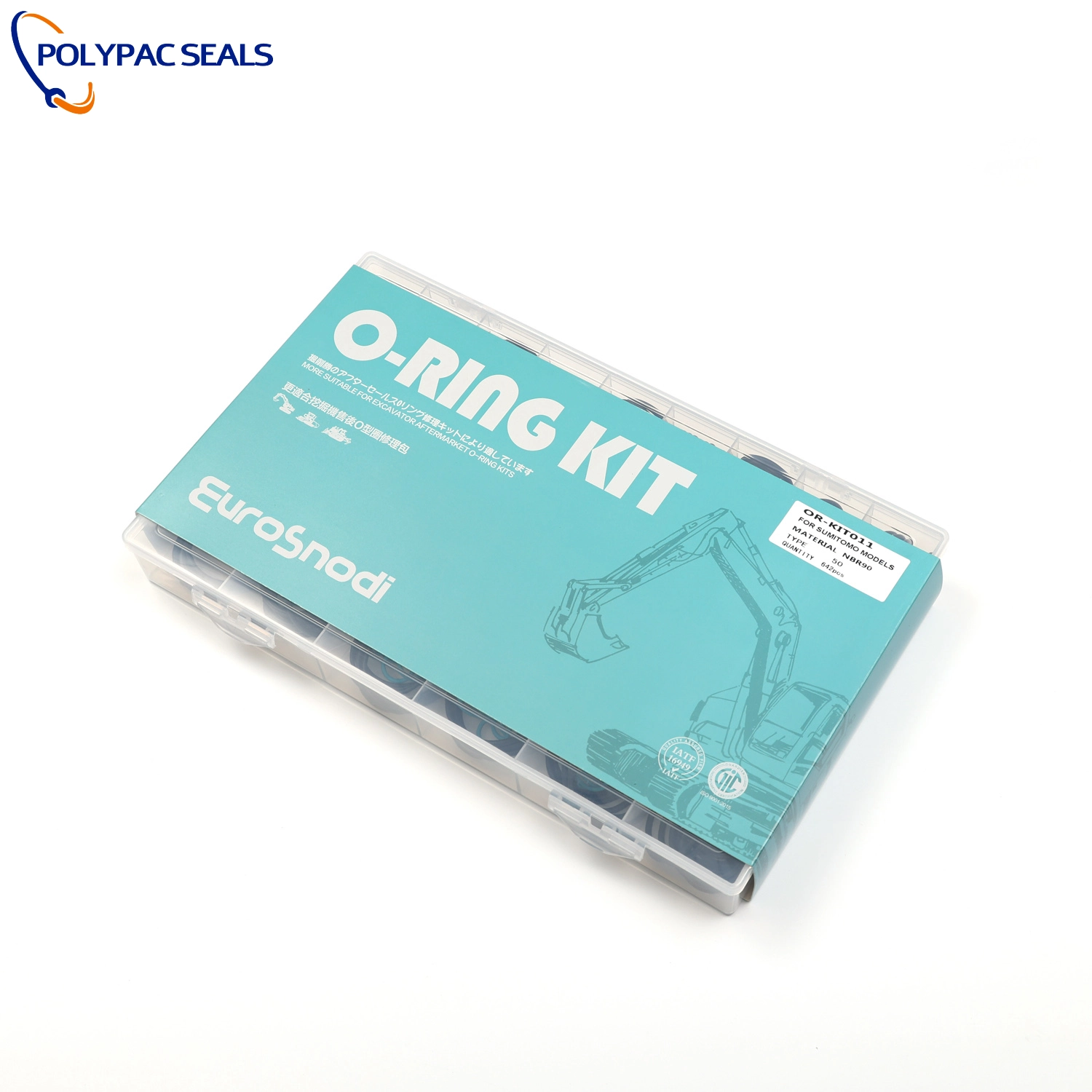
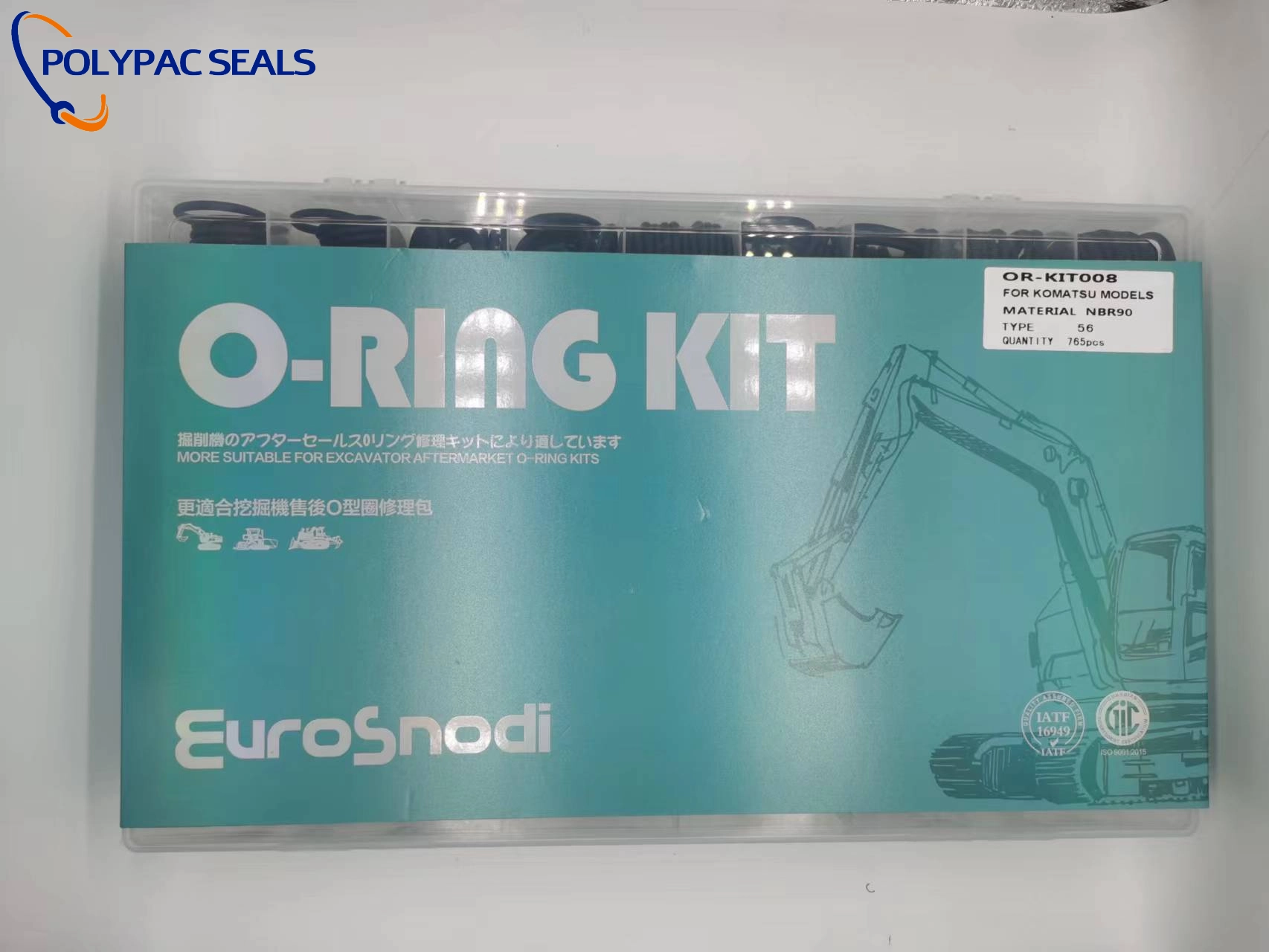
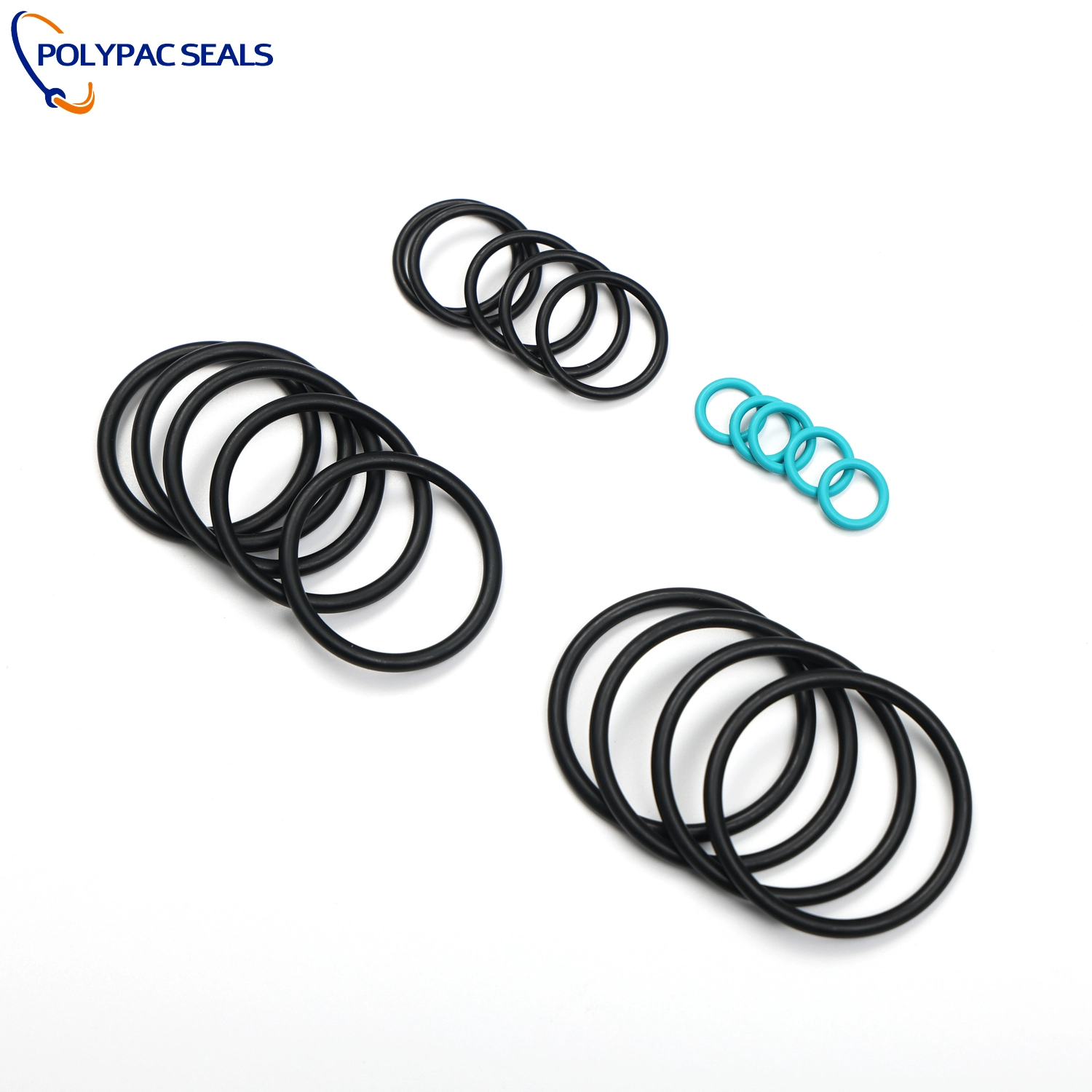
Founded in 2008, Polypac began by manufacturing filled PTFE seals, including bronze-filled PTFE, carbon-filled PTFE, graphite PTFE, MoS₂-filled PTFE, and glass-filled PTFE. Today, they have expanded their product line to include O-rings made from various materials such as NBR, FKM, silicone, EPDM, and FFKM. Polypac's main products relevant to hydraulic rod protection include O-Rings, Rod Seals, Piston Seals, End Face Spring Seals, Scraper Seals, Rotary Seals, Back-up Rings, and Dust Rings.
Their competitive strengths I find notable are: in-house material formulation (reduces lead time for custom compounds), large-scale clean manufacturing (consistent quality), and collaborative R&D ties with academic and industry labs (which accelerates validated solutions for extreme conditions). If you need custom geometries or specialty compounds (for example, filled PTFE scrapers for abrasive slurry service), a supplier with Polypac's scale and test capability is advantageous.
Practical Recommendations and Final Checklist
My step-by-step selection checklist
Follow this checklist I use in procurement to reduce risk:
- Document operating conditions: temperatures, fluids, contaminants, speed, pressure.
- Inspect rod surface and gland geometry; measure roughness and diameters.
- Shortlist materials based on fluid compatibility and temperature band.
- Request supplier data: material datasheets, wear test results, dimensional drawings.
- Ask for prototypes and run a field trial with logging of leakage and wear rates.
- Verify supplier quality systems and after-sales support for long-term supply.
Cost vs longevity analysis
Low initial cost seals can increase lifecycle costs through more frequent replacements and downtime. I therefore weigh initial part cost against expected lifetime, maintenance access difficulty, and downtime cost. For heavily contaminated or safety-critical systems, I typically prioritize higher-grade materials (e.g., filled-PTFE or FFKM where needed) and robust supplier testing capability.
When to consult sealing specialists
If you face any of the following, get specialist advice:
- Repeated failures after correct installation
- Use with aggressive chemicals, extreme temperatures, or very high speed
- Requirement for custom seal geometries or compound development
FAQ — Frequently Asked Questions
1. What is the difference between a rod scraper seal and a rod seal?
A rod scraper (wiper) primarily blocks external contaminants and keeps lubricant inside; a rod seal (pressure seal) is designed to withstand hydraulic pressure and prevent fluid leakage. Both are typically used together at the rod gland for full protection.
2. Which material is best for scraper seals used in dusty, outdoor environments?
For dusty outdoor environments I often specify NBR for general mineral-oil systems due to good abrasion resistance and cost-effectiveness. If exposure to ozone, high heat or aggressive fluids is expected, EPDM or FKM may be more appropriate. For severe abrasion, a filled-PTFE lip can dramatically reduce wear.
3. How often should scraper seals be replaced?
Replacement intervals depend on duty cycle and contamination load. For light-duty systems, annual inspection and replacement as needed may suffice. For heavy contamination, plan for more frequent checks (monthly/quarterly) and schedule replacement based on measured lip wear, not purely time-in-service.
4. Can I retrofit a different type of scraper into an existing gland?
Sometimes yes, but only after verifying groove geometry, radial clearance and rod finish. Some scrapers require different gland depth or a supporting metal housing. Always confirm dimensions and run a field test before full retrofit.
5. What are measurable signs that a scraper seal is failing?
Measurable signs include increased external contamination entering the cylinder, visible lip wear beyond design allowance, sudden increase in internal contamination (seen in filter analysis), and higher-than-normal lubricant consumption. Rod surface damage or corrosion near the gland also indicates failure.
6. Where can I find standards or references for seal dimensions and testing?
Useful references include ISO standards for sealing components (for example ISO 3601 for O-rings) and material property references. Manufacturer technical handbooks (e.g., seal division guides) and peer-reviewed tribology literature provide test methodologies.
If you'd like, I can evaluate your application and recommend a specific rod scraper seal geometry and material. For ready-made and custom solutions, consider Polypac — they supply a wide range of seals including O-Rings, Rod Seals, Piston Seals, End Face Spring Seals, Scraper Seals, Rotary Seals, Back-up Rings, and Dust Rings and have proven R&D and manufacturing capability.
Contact & Next Steps: To get a tailored recommendation, request samples, or view product datasheets, contact Polypac’s technical team for consultation and to review product options and testing reports. I can assist in specifying the correct scraper seal for your environment and arranging trial parts.

High-Performance Pneumatic Piston Seals: How to Achieve Zero-Leakage Efficiency

PTFE vs. Composite: Choosing the Best Piston Guide Ring Material for High-Pressure Systems

Mastering O-Ring Gland Design: The Complete Guide for Perfect Sealing Performance

Advanced Back-Up Ring Materials: Beyond PTFE for Extreme Temperature Environments

PTFE vs. Urethane Scrapers: Which Material Truly Prevents Contamination?
Products
Can I reuse a seal?
How important is surface finish on the metal parts that contact the seal?
How do I choose the right material for my sealing application?
What does "AS568" mean?
When should I use a spring-energized seal instead of a standard elastomeric seal?
Stay Updated with Industry Insights
Subscribe to our articles and receive the latest news, expert guidance, and technical updates directly in your E-mail.
Rest assured that your privacy is important to us, and all information provided will be handled with the utmost confidentiality.

Polypac is a trusted global supplier of high-performance sealing solutions, providing OEM & ODM services for industries worldwide.
E-mail:
Phone/WhatsApp:
© 2025 Polypac Seals. All Rights Reserved.
dms
DMS
DMS