











Guiding Elements:The Unsung Heroes of Cylinder Performance & Longevity | Polypac
Guiding Elements: The Critical Foundation for Reliable Cylinder Operation
In the world of hydraulic and pneumatic cylinders, components like piston seals and rod seals rightly receive significant attention for their role in containing pressure. However, there is a family of components working silently in the background that is absolutely essential for their success: guiding elements.
Also known as wear rings, guide bands, or bearing strips, these components are the unsung heroes that ensure smooth, efficient, and long-lasting cylinder operation. At Polypac, we understand that a high-performance sealing system is only as good as the foundation it rests upon. This guide will explore the indispensable role of guiding elements and why they are a critical part of any sealing solution.
What are Guiding Elements?
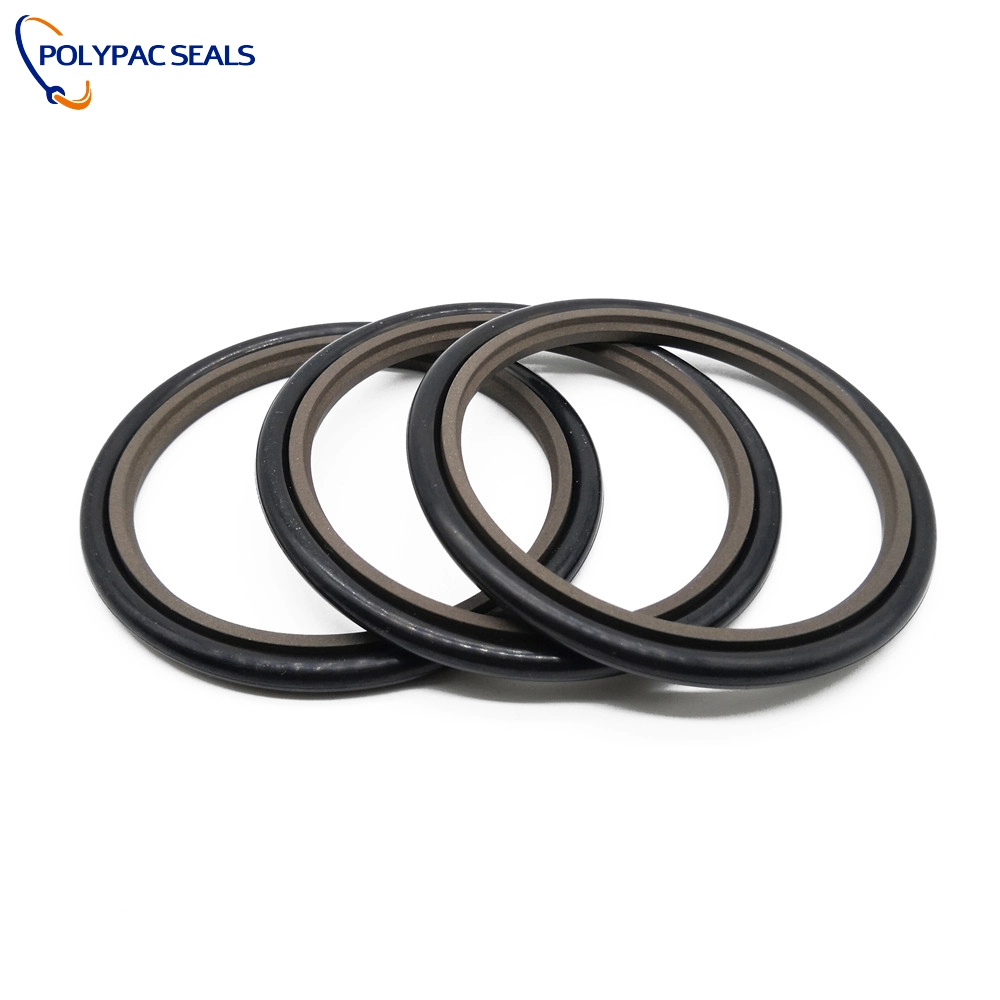
Guiding Elements are non-metallic, low-friction components installed on the piston and/or rod of a hydraulic or pneumatic cylinder. Their primary function is to guide the moving parts (piston and rod) within the cylinder tube and gland, ensuring perfect alignment and preventing metal-to-metal contact.
Think of them as the precision bearings of the linear motion world. Without them, the piston and rod would wobble and scrape against the cylinder wall, leading to rapid seal failure, component damage, and inefficient operation.
The Vital Functions of Guiding Elements
The role of a guiding element is multi-faceted and crucial for system health:
- Radial Load Support: They absorb the radial forces acting on the piston and rod, which can be caused by side loads or misalignment. This protects the delicate sealing lips from uneven wear and extrusion.
-
Prevention of Metal-to-Metal Contact: By maintaining a precise clearance, they prevent the steel piston from contacting the steel cylinder bore, thus avoiding galling, scoring, and catastrophic damage.
-
Ensuring Alignment: They keep the piston and rod centered within the cylinder, which is a prerequisite for the piston seal and rod seal to function correctly and achieve their rated service life.
-
Reducing Friction & Wear: Made from engineered polymers with excellent low-friction properties, they minimize resistance to movement, improving efficiency and reducing wear on themselves and the cylinder bore.
Common Types and Materials of Guiding Elements
Polypac offers a range of guiding elements to meet diverse application requirements:
- Piston Wear Rings: Mounted on the piston, these are typically full or split rings that guide the entire assembly within the cylinder tube.
- Rod Guide Rings: Located in the cylinder gland, these support and guide the rod as it extends and retracts, combating side loads that could bend the rod.
- Composite Guide Strips: Often used in large-bore cylinders, these are strips of guiding material that are inserted into grooves on the piston.
- Key materials we specialize in include:
- PTFE (Teflon®) Composites: Filled with bronze, glass, or other materials, these offer the lowest coefficient of friction and excellent chemical resistance. Ideal for high-performance applications.
- Thermoplastic Polyesters (e.g., PETP): Materials like Polypac's engineered thermoplastics provide outstanding strength, wear resistance, and low moisture absorption, making them a robust and reliable choice for most industrial applications.
- Nylon and Cast Polyurethane: Used for specific requirements where toughness and impact resistance are prioritized.
The Consequences of Guiding Element Failure
Ignoring the Guiding Elements can lead to a cascade of failures in your cylinder:
- Seal Failure: Misalignment and rod whip caused by worn guides lead to uneven, rapid wear and premature failure of the expensive piston seals and rod seals.
- Cylinder Scoring: Metal-to-metal contact will score the cylinder bore and piston rod, rendering the entire cylinder assembly damaged and often beyond repair.
- Erratic Movement: Increased friction and binding can cause the cylinder to jerk or stick, leading to poor system control and performance.
- Catastrophic Breakdown: A completely failed guide can allow the piston to skew severely, potentially leading to a bent rod or a seized cylinder, resulting in significant downtime and repair costs.
Engineer Superior Performance with Polypac's Guiding Systems
At Polypac, we don't just see a wear ring; we see a fundamental component of a holistic sealing system.
- Material Science Expertise: Our development of advanced polymer compounds ensures our Guiding Elements offer an optimal balance of low friction, high wear resistance (low PV value), and long-term dimensional stability.
- Precision Engineering for Load & Speed: We calculate the required bearing surface and clearances to ensure our guides can handle the specific dynamic loads and continuous operating speeds of your application.
- Integrated Sealing Kits: For the best results, we often recommend and supply integrated kits that include the guiding elements, piston seal, rod seal, and scraper seal, all designed to work in perfect harmony for maximum cylinder life and performance.
- Certified Quality for Global Standards: Our ISO 9001 & IATF 16949 certified manufacturing guarantees that every guide ring we produce meets the precise dimensional and material specifications required for reliable, trouble-free operation.


Products
How do I choose the right material for my sealing application?
Can I reuse a seal?
How important is surface finish on the metal parts that contact the seal?
What is the purpose of the metal spring in a rotary shaft seal?
When should I use a spring-energized seal instead of a standard elastomeric seal?
Stay Updated with Industry Insights
Subscribe to our articles and receive the latest news, expert guidance, and technical updates directly in your E-mail.
Rest assured that your privacy is important to us, and all information provided will be handled with the utmost confidentiality.
Polypac is a trusted global supplier of high-performance sealing solutions, providing OEM & ODM services for industries worldwide.
E-mail:
Phone/WhatsApp:
© 2025 Polypac Seals. All Rights Reserved.
dms
DMS
DMS