












Troubleshooting oil hub seal noise and vibration issues
Diagnosing Noise and Vibration from Wheel and Hub Seals
How oil hub seals relate to noise and vibration
Oil hub seals (often simply called oil seals) keep lubricant in the bearing/hub assembly and keep contaminants out. When these seals fail or are improperly installed, consequences include lubricant loss, ingress of dirt/water, bearing contamination, and mechanical misalignment — each of which can generate noise and vibration. Understanding whether the seal is the root cause or an aggravating factor is the first step in troubleshooting.
Initial inspection checklist
Begin with a visual and tactile inspection: check for lubricant leaks (wetness, streaking), torn or deformed sealing lips, hard or cracked rubber, missing spring elements, corrosion of the seal housing or shaft, and evidence of heat or abrasion on the lip. Also confirm hub runout and bearing play; many times what appears as a seal problem is actually a bearing or hub issue.
Key measurements to make early
Use these key checks to qualify the problem quickly:
- Shaft/hub runout: dial indicator, tolerance typically within 0.05–0.2 mm depending on design.
- Seal radial interference: measure shaft diameter and housing bore; compare to seal drawing/specifications.
- Vibration spectrum: handheld vibration analyzer or accelerometer to identify bearing frequencies vs other sources.
- Temperature profile: infrared thermometer or thermocouple to detect localized heating at the seal or bearing.
Common Causes of Oil Hub Seal Noise and Vibration
Installation errors and mechanical damage
Improper press fitting, tilted installation, or damage to the sealing lip during assembly are frequent causes. A nicked or folded lip causes scraping noise and uneven contact pressure, producing vibration at rotational speed. Using wrong installation tools or applying localized force to the lip instead of the seal case is a typical culprit.
Wear, aging, and material incompatibility
Rubber elastomers harden and crack with age, leading to loss of conformity and leakage. Chemical incompatibility with lubricants (e.g., incompatibility between some synthetic fluids and certain NBR compounds) can cause swelling or softening of the seal and altered dynamic behavior, which may result in noise.
Contamination and lubrication problems
Ingress of grit or water leads to abrasive wear on the lip and shaft, producing rough surfaces that generate vibration. Conversely, over-lubrication or lubricant loss causes metal-to-metal contact or dry running, creating high-frequency noise and rapid wear.
Systematic Troubleshooting Workflow
Step 1 — Isolate the source
Use the process of elimination. Run the vehicle or machine at idle and at varying speeds while listening and using a vibration analyzer. Correlate frequency peaks to shaft speed and bearing/fault frequencies using bearing geometry (inner/outer race, ball passing frequencies). If vibration frequency scales with wheel/hub rpm and localizes near the seal, the seal or adjacent bearing is likely involved.
Step 2 — Visualize and measure
Remove the seal area cover and inspect the hub and bearing condition. Measure shaft surface roughness (Ra), diameter, and runout. Examine the seal lip for scoring, hardening, embedded particles, or separation from the metal case. Check for missing or deformed garter spring if applicable.
Step 3 — Short-term fixes and validation
If contamination is minor and the bearing and shaft are within limits, a controlled cleaning and re-lubrication plus installing a new correct-spec oil hub seal may resolve noise quickly. After replacement, re-test vibration and temperature under load to validate the fix.
Repair vs Replacement: Decision Criteria and Limits
When to repair components
Minor shaft surface damage (light scoring, Ra within tolerance) can sometimes be smoothed (polishing) and a new seal fitted if runout and concentricity are acceptable. Bearings that show minimal wear and pass vibration and clearance tests can be re-used in controlled cases.
When to replace seals, shafts, or bearings
Replace seals if rubber is hardened, cracked, torn, or if the garter spring is missing. Replace shafts or hubs if runout exceeds design limits, if there is deep scoring or pitting, or if re-lubrication cannot restore clean surfaces. Replace bearings that register abnormal vibration signatures, excessive play, or overheating.
Practical acceptance table: causes, indicators, actions
| Root cause | Common indicators | Recommended action |
|---|---|---|
| Seal lip damage (cut/tear) | Visible nicks, oil streaks, scraping noise | Replace seal; inspect shaft for scoring; install with correct tools |
| Shaft runout/excessive eccentricity | Periodic vibration at 1×rpm, uneven lip wear | Measure and correct hub/shaft; replace if beyond tolerance |
| Contamination ingress | Abrasive wear, embedded particles | Clean assembly; replace seal and contaminated lubricant; consider improved sealing geometry |
| Lubricant degradation/loss | High temperature, metal-to-metal noise | Top up or replace fluid; identify leak path; replace seals |
| Material incompatibility | Swollen/soft or cracked elastomer | Select compatible elastomer (NBR, FKM, FFKM) and replace seal |
Technical Considerations: Materials, Design and Testing
Selecting seal materials for oil hub applications
Material selection affects noise, wear rate, and lifetime. Typical elastomers include NBR (good general-purpose oil resistance), FKM (high temperature and chemical resistance), silicone (low temp flexibility but limited oil resistance), EPDM (not suitable for hydrocarbon oils), and FFKM (perfluoroelastomer for extreme chemical resistance). Filled PTFE (e.g., carbon- or bronze-filled PTFE) is used for highly abrasive or high-temperature environments; it provides low friction and high wear resistance but requires precise housing tolerances.
Design features that reduce noise and vibration
Key design elements: proper interference fit to control lip pressure, garter springs to maintain lip contact, multi-lip designs for staged sealing, and dust lips to exclude contaminants. Low-friction coatings or PTFE backup rings can reduce stick-slip and high-frequency noise. Ensure shaft surface finish and hardness meet seal manufacturer recommendations (e.g., Ra often 0.2–0.8 μm, hardness > 45 HRC in severe cases, but always follow specific seal datasheets).
Recommended test methods and acceptance criteria
- Vibration analysis: compare to baseline; look for bearing characteristic frequencies (ISO 10816 and ISO 15243 provide guidance on vibration diagnosis).
- Leak rate testing: static leak checks after assembly; use pressure decay or dye methods.
- End-of-line dynamic run-in: run assembled hub at controlled rpm and measure temperature and vibration ramp-up.
Polypac — Capabilities and How We Solve Oil Hub Seal Problems
Who Polypac is and our technical strengths
Polypac is a scientific and technical hydraulic seal manufacturer and oil seal supplier specializing in seal production, sealing material development, and customized sealing solutions for special working conditions. Founded in 2008, Polypac started with filled PTFE seals (bronze-filled, carbon-filled, graphite PTFE, MoS₂-filled PTFE, glass-filled PTFE) and now produces O-rings and a wide range of elastomer seals (NBR, FKM, silicone, EPDM, FFKM).
Factory scale, equipment, and R&D collaborations
Polypac's custom rubber ring and O-ring factory covers more than 10,000 square meters with 8,000 square meters of production space. Our production and testing equipment are among the most advanced in the industry. As one of China’s largest dedicated seal producers, Polypac maintains long-term collaboration with universities and research institutions domestically and internationally to validate materials and designs under real-world conditions.
Product lines relevant to oil hub seals
Polypac supplies a broad range of sealing products suitable for oil hub applications, including:
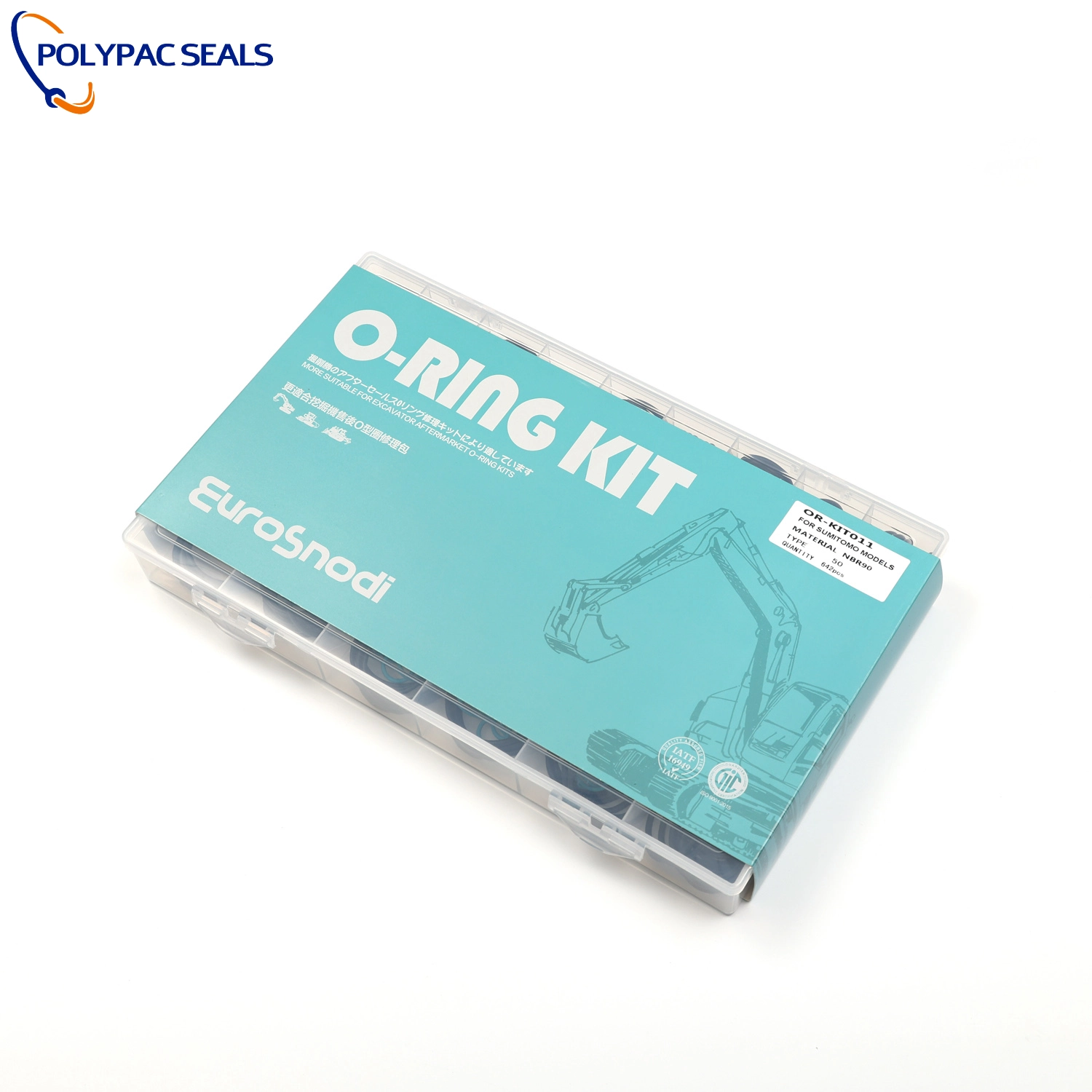
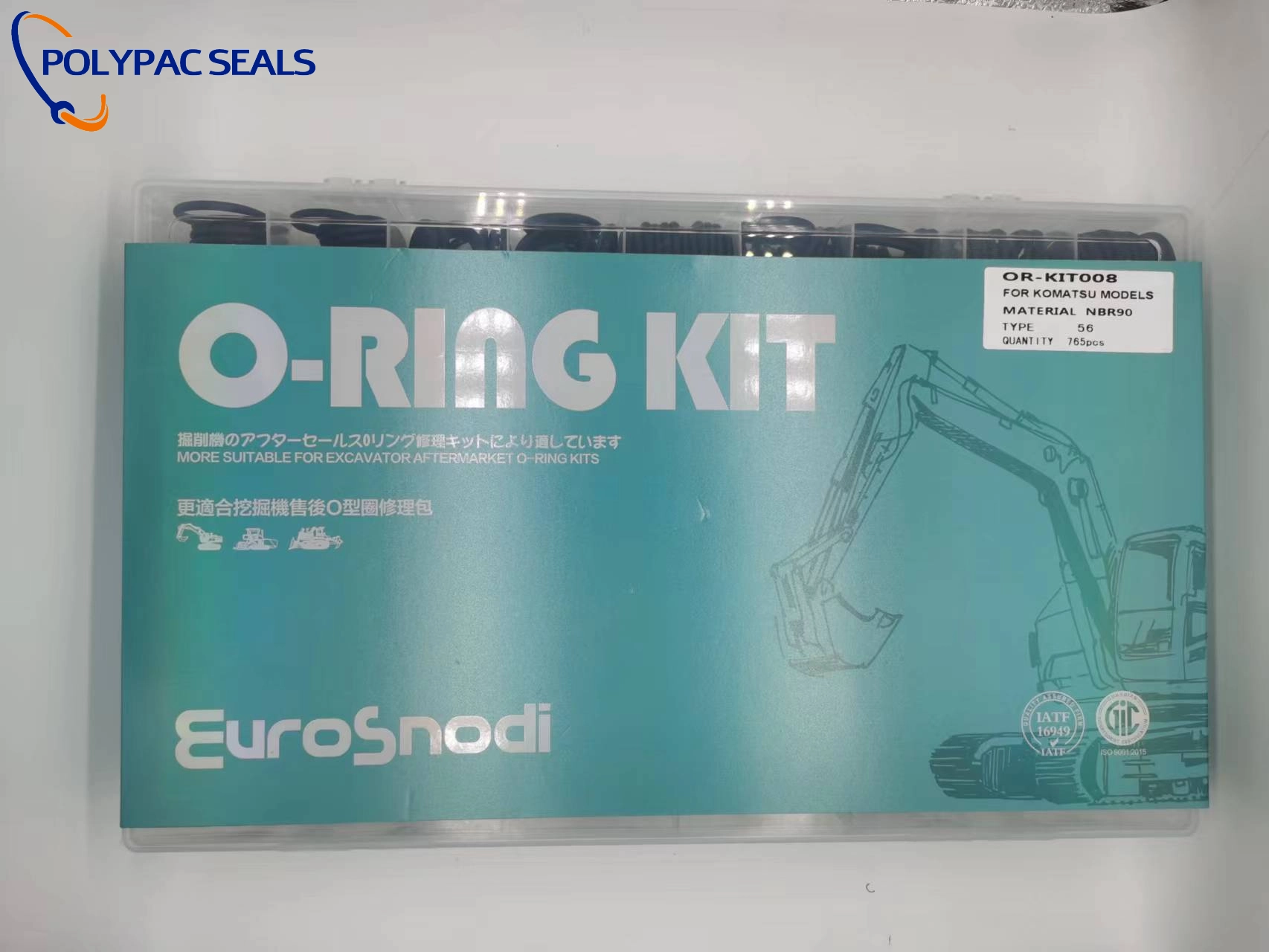
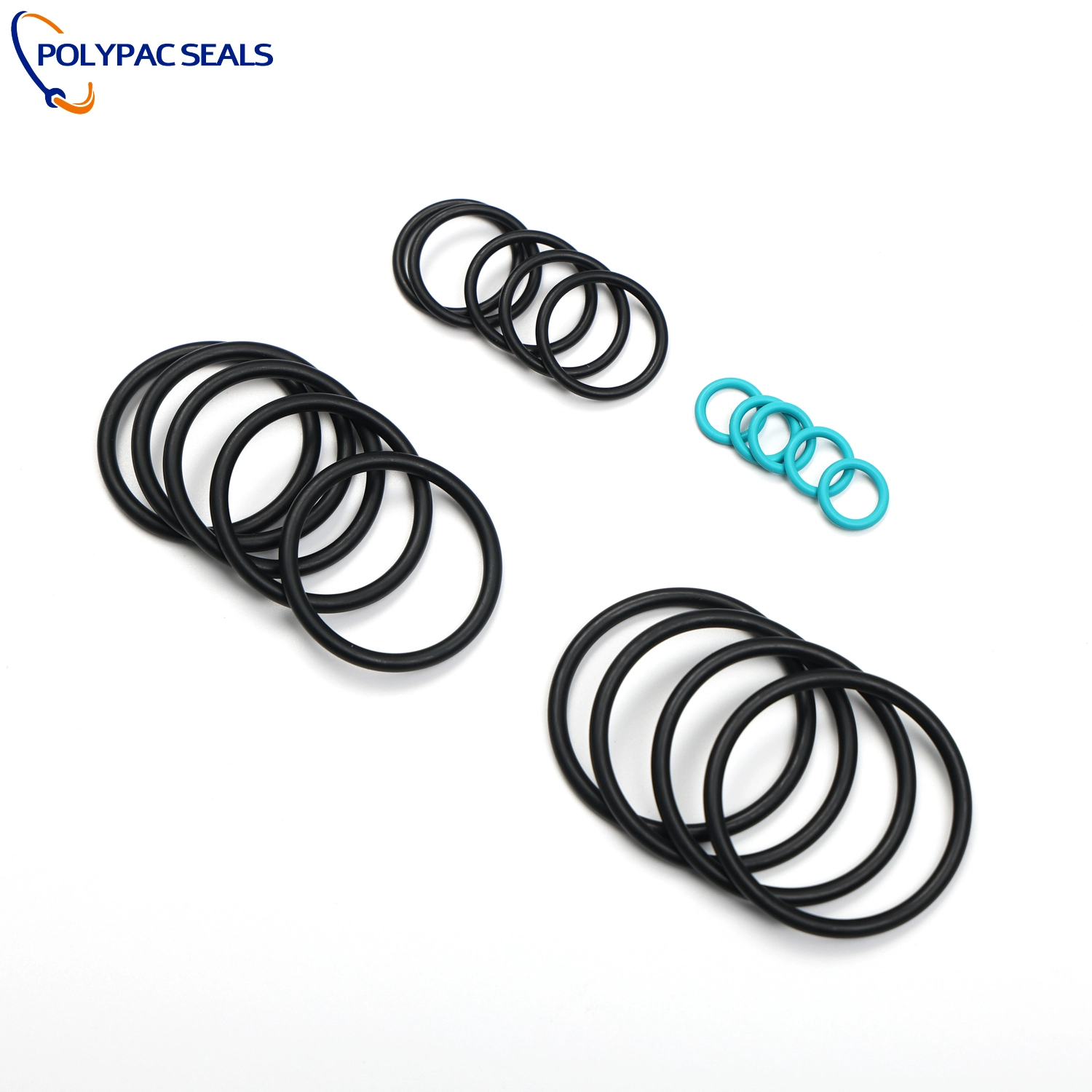
- O-Rings
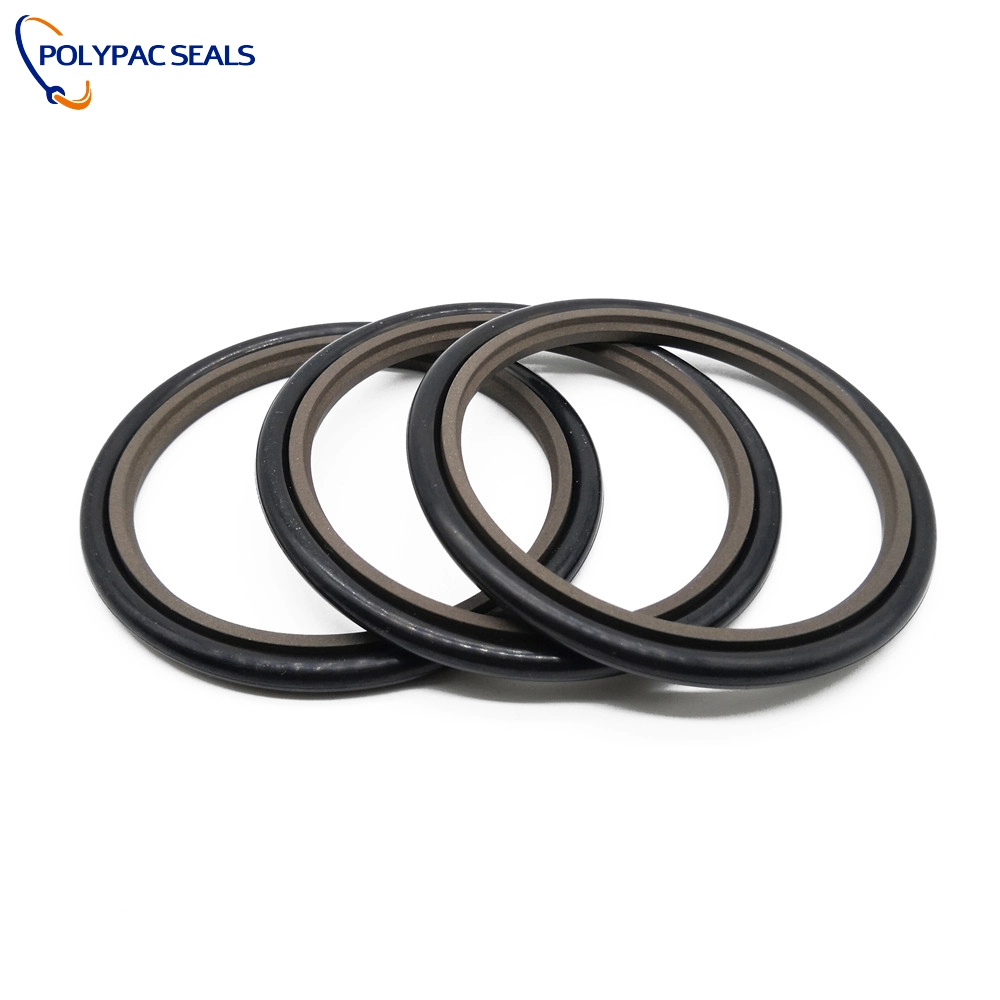
- Rod Seals and Piston Seals
- End Face Spring Seals
- Scraper Seals
- Rotary Seals
- Back-up Rings
- Dust Rings
Polypac’s experience with filled PTFE and multi-material O-rings helps address difficult noise and wear problems by specifying low-friction, wear-resistant materials and tailored lip geometries that reduce stick-slip and maintain stable lubrication films.
Best Practices to Prevent Noise and Vibration from Oil Hub Seals
Assembly and installation
Use recommended installation tools to avoid deforming the seal lip. Ensure housing bores and shaft diameters are within tolerance and free of burrs. Apply the recommended lubricant to the sealing lip prior to installation to prevent dry running on first rotation.
Maintenance and monitoring
Implement routine inspection intervals: check for leaks, lubricant condition, seal aging, and bearing vibration. Maintain records so that trends (e.g., increasing vibration or leak rates) are visible and actionable. Implement a proper torque and preload specification for bearings to avoid misloads that accelerate seal wear.
Design upgrades where recurring issues occur
When a site has recurring seal-related noise or vibration, evaluate upgrades such as optimized lip geometry, PTFE composites, labyrinth/dust lip combinations, or improved shaft hardening/coatings. Consider applying corrosion-resistant coatings or using shafts with improved surface finish to increase seal life and reduce noise.
Frequently Asked Questions (FAQ)
1. Can a worn oil hub seal alone cause vibration?
Yes — a badly worn or deformed seal can produce uneven contact that manifests as periodic vibration at shaft speed. However, more often seals are a symptom of an underlying issue (bearing wear, runout, contamination) rather than the sole cause.
2. How do I quickly determine if the seal or bearing is the noise source?
Use a vibration analyzer to map frequency components while varying speed. Bearing faults have distinct bearing characteristic frequencies. A localized scrape or whine at 1×rpm often indicates seal-lip contact. Physical inspection after partial disassembly provides confirmation.
3. What seal materials are best for hot, contaminated environments?
For high temperature and chemically aggressive oils, FKM or FFKM are usually preferred. For abrasive contamination, filled PTFE (e.g., carbon- or bronze-filled) can be the best choice due to low friction and wear resistance.
4. Is there a measurement tolerance for shaft finish for oil hub seals?
Yes. Typical recommendations for many dynamic seals are an Ra between 0.2 and 0.8 μm. Always confirm with the specific seal manufacturer’s datasheet for the seal geometry and material used.
5. How much does improper installation contribute to premature seal failure?
Improper installation is a leading cause of premature seal failure. Damage during fitting, incorrect interference, and neglecting lubrication at installation account for a significant portion of early-life failures observed in field studies.
6. What routine checks will most reliably prevent seal-related noise?
Regular checks for leaks, lubricant condition, bearing vibration, and visual seal inspection during planned maintenance provide the best prevention. Address minor contaminants quickly and maintain proper lubrication levels.
Contact & Products
If you need assistance diagnosing persistent oil hub seal noise or vibration, or require custom seal solutions, contact Polypac for technical consultation, material selection advice, and advanced seal manufacturing. Explore our product range (O-Rings, Rod Seals, Piston Seals, End Face Spring Seals, Scraper Seals, Rotary Seals, Back-up Rings, Dust Rings) and request samples or technical drawings for your specific hub application. For product inquiries and technical support, contact Polypac through our sales or technical channels.
References and Further Reading
- Oil seal — Wikipedia. https://en.wikipedia.org/wiki/Oil_seal (accessed 2026-01-01)
- SKF — Sealing solutions and product information. https://www.skf.com/group/products/seals (accessed 2026-01-01)
- Parker Hannifin — Sealing Technology overview. https://www.parker.com/portal/site/PARKER/menuitem.c17ed9969261c6310b6f4f431b3b4a66/?vgnextoid=2f1a2c6c13e0c210VgnVCM10000048021dacRCRD (accessed 2026-01-01)
- ISO 10816 — Mechanical vibration — Evaluation of machine vibration by measurements on non-rotating parts. (summary) https://www.iso.org/standard/70314. (accessed 2026-01-01)
- Polypac company profile and capabilities — internal technical brief provided by manufacturer (Polypac). (accessed 2026-01-01)
For direct technical assistance, to request material datasheets or to order custom seals tailored to reduce noise and vibration in your oil hub applications, contact Polypac today.

High-Performance Pneumatic Piston Seals: How to Achieve Zero-Leakage Efficiency

PTFE vs. Composite: Choosing the Best Piston Guide Ring Material for High-Pressure Systems

Mastering O-Ring Gland Design: The Complete Guide for Perfect Sealing Performance

Advanced Back-Up Ring Materials: Beyond PTFE for Extreme Temperature Environments

PTFE vs. Urethane Scrapers: Which Material Truly Prevents Contamination?
Products
What is the purpose of the metal spring in a rotary shaft seal?
How important is surface finish on the metal parts that contact the seal?
What is the difference between NBR and FKM materials?
Why did my O-ring fail prematurely?
What is the difference between a static seal and a dynamic seal?
Stay Updated with Industry Insights
Subscribe to our articles and receive the latest news, expert guidance, and technical updates directly in your E-mail.
Rest assured that your privacy is important to us, and all information provided will be handled with the utmost confidentiality.

Polypac is a trusted global supplier of high-performance sealing solutions, providing OEM & ODM services for industries worldwide.
E-mail:
Phone/WhatsApp:
© 2025 Polypac Seals. All Rights Reserved.
dms
DMS
DMS