











When should you use a piston seal vs a rod seal? | Insights by Polypac

Monday, November 24, 2025
Understanding the distinct roles of piston seals and rod seals is crucial for optimizing hydraulic and pneumatic systems. This article explores their differences, applications, and selection criteria to assist procurement professionals in making informed decisions.

What Are Piston Seals and Rod Seals?

Piston seals and rod seals are integral components in hydraulic and pneumatic systems, each serving specific functions to ensure system efficiency and longevity.

Piston Seals:

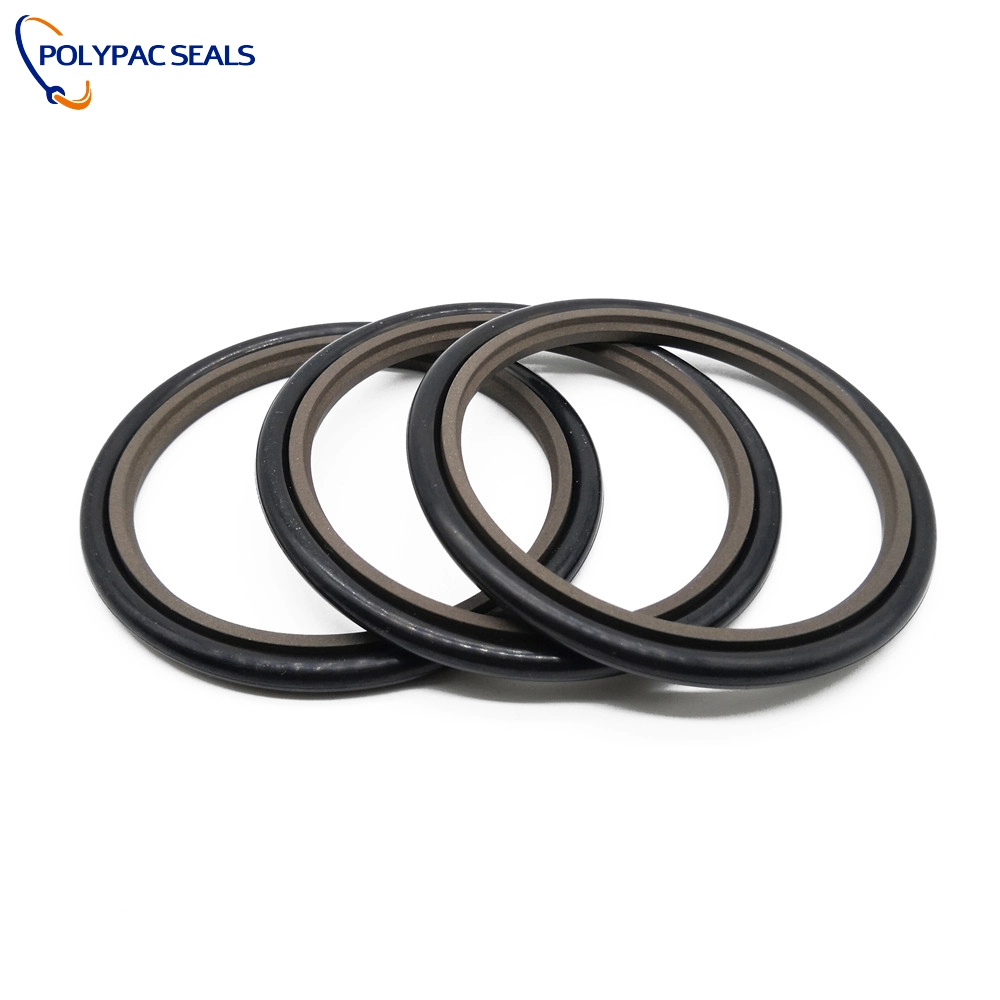
Piston seals are installed between the piston and the cylinder wall, effectively isolating the high-pressure chamber from the low-pressure chamber. Their primary function is to prevent fluid from bypassing the piston, thereby maintaining pressure and facilitating controlled movement within the cylinder.

Rod Seals:

Rod seals are positioned between the piston rod and the cylinder head or gland. They serve a dual purpose: preventing external fluid leakage and blocking contaminants from entering the system. This ensures that the internal pressure is maintained and that the moving rod operates smoothly without external interference.

Key Differences Between Piston Seals and Rod Seals

Understanding the distinctions between piston seals and rod seals is essential for selecting the appropriate seal for your application.

Location and Function:

  • Piston Seals: Located within the cylinder bore, piston seals manage the pressure differential across the piston, preventing internal fluid leakage and ensuring efficient actuation.

  • Rod Seals: Situated at the cylinder head, rod seals prevent external fluid leakage and protect the system from contaminants, maintaining internal pressure and facilitating smooth rod movement.

Design and Materials:

  • Piston Seals: Typically feature U-cup or O-ring designs and are made from materials like PTFE, polyurethane, or polyoxymethylene, chosen for their wear resistance and compatibility with various fluids.

  • Rod Seals: Often incorporate lip seals or multi-element designs, utilizing materials such as fluorocarbon rubber (FKM), polyurethane, or PTFE composites to withstand environmental exposure and rod abrasion.

Operational Considerations:

  • Piston Seals: Subjected to high internal pressures and bidirectional forces, requiring materials and designs that resist extrusion and wear under continuous dynamic cycling.

  • Rod Seals: Exposed to rod surface abrasion, temperature extremes, and contamination, necessitating designs that accommodate dynamic rod movement and pressure fluctuations.

When to Use a Piston Seal vs a Rod Seal

Selecting the appropriate seal depends on the specific requirements of your application.

Piston Seals:

Use piston seals when you need to:

  • Maintain pressure between chambers within the cylinder.

  • Prevent internal fluid leakage to ensure efficient actuation.

  • Operate in systems with bidirectional pressure, such as double-acting cylinders.

Rod Seals:

Opt for rod seals when you need to:

  • Prevent external fluid leakage along the rod.

  • Protect the system from external contaminants like dirt and moisture.

  • Ensure smooth rod movement in dynamic applications.

Polypac's Advantages

Polypac offers a comprehensive range of high-quality piston and rod seals tailored to meet diverse industrial needs. Our products are designed for durability, efficiency, and reliability, ensuring optimal performance in various applications. By choosing Polypac, you benefit from:

  • Expertise in seal manufacturing with a focus on quality and precision.

  • A wide selection of materials and designs to suit different operational conditions.

  • Commitment to customer satisfaction through responsive support and tailored solutions.

References

  • FPE Seals. (n.d.). Piston Seals vs Rod Seals: Key Differences Explained.

  • Hengoseal. (2025, March 6). Piston Seal Vs Rod Seal: Key Differences & Best Materials (2025 Guide).

  • Seal Manufacturer. (n.d.). Difference Between Piston Seals and Rod Seals Explained.

  • TYS Seals. (2024, July 30). Rod Seal VS Piston Seal.

  • Linde Polymer. (2024, August 22). Difference between piston seal and piston rod seal.

  • JIOrings. (2024, February 14). What is the difference between a piston seal and a rod seal?

  • Guangzhou Jinbond Seal Technology Co., Ltd. (2025, January 15). The Differences Between Piston Seal And Piston Rod Seal.

  • Artizono. (2024, May 15). Understanding And Comparing Hydraulic Cylinder Seals.

  • Feiyun Oil Seal Factory. (2025, April 21). What is the Difference Between Piston Seal and Rod Seal?

  • Gopal Study Studio. (2023, November 4). Difference b/w Rod seal vs. piston seal#basic# techniques.

when-should-you-use-a-piston-seal-vs-a-rod-seal

When Should You Use a Piston Seal vs a Rod Seal?

Learn the key differences between piston seals and rod seals, their applications, and how to choose the right one for your hydraulic and pneumatic systems.

piston seal, rod seal, hydraulic seals, pneumatic seals, seal selection, industrial seals, Polypac

when-should-you-use-a-piston-seal-vs-a-rod-seal

Recommended for you
Pneumatic Seals: The Ultimate Guide to High-Efficiency, Low-Friction Sealing for Air Systems
PTFE Tubes: The Ultimate Guide to High-Performance, Chemically Inert Tubing Solutions
Scraper Seals: The Ultimate 2026 Guide to Selection, Types, and System Longevity
PTFE Oil Seals: The Definitive Guide to High-Performance Sealing for 2026
FAQ
Products
Why did my O-ring fail prematurely?
Common causes of O-ring failure include: Chemical Incompatibility: Swelling, softening, or cracking due to fluid exposure. Improper Sizing: Using an incorrect size leads to over-compression or inadequate sealing force. Abrasion: Wear and tear from rough surface finishes or contaminated fluid. Extrusion: The seal is forced into the gap between metal parts under high pressure. Installation Damage: Nicks, cuts, or twists during assembly.
When should I use a spring-energized seal instead of a standard elastomeric seal?
Consider a spring-energized seal (e.g., GSF, SPN types) for demanding applications involving: Extreme Temperatures (below -30°C or above +200°C) Aggressive Chemicals that elastomers can't handle Very Low Leakage or "Zero Leakage" requirements Poor Lubricity or dry running conditions The internal spring maintains constant sealing force, compensating for wear and system variables.
What is the difference between a static seal and a dynamic seal?
A Static Seal is used between two surfaces that do not move relative to each other (e.g., pipe flanges, end caps). O-rings and gaskets are common static seals. A Dynamic Seal is used between surfaces that do move (e.g., piston and cylinder, rotating shaft). Rod seals, piston seals, and rotary shaft seals are designed for this purpose.
What is the difference between NBR and FKM materials?
NBR (Nitrile/Buna-N): A general-purpose, cost-effective material with excellent resistance to petroleum-based oils and fuels. It has a standard temperature range of -30°C to +100°C (-22°F to +212°F). FKM (Fluoroelastomer/Viton®): A premium material with excellent resistance to high temperatures (up to 200°C+), chemicals, and oils. It is used in more severe environments but is more expensive than NBR.
How can I prevent seal damage during installation?
Use Tools: Always use dedicated installation tools (e.g., picks, cones, guides). Lubricate: Always lubricate the seal and the contact surface. Protect Sharp Edges: Cover sharp threads and edges with tape or use an installation sleeve. Check the Groove: Ensure the installation groove is clean, deburred, and undamaged.
You may also like
Buna-N (Nitrile) O-Ring Kits-008 KOMATSU | Oil Resistant Seal Assortments for General Purpose Use
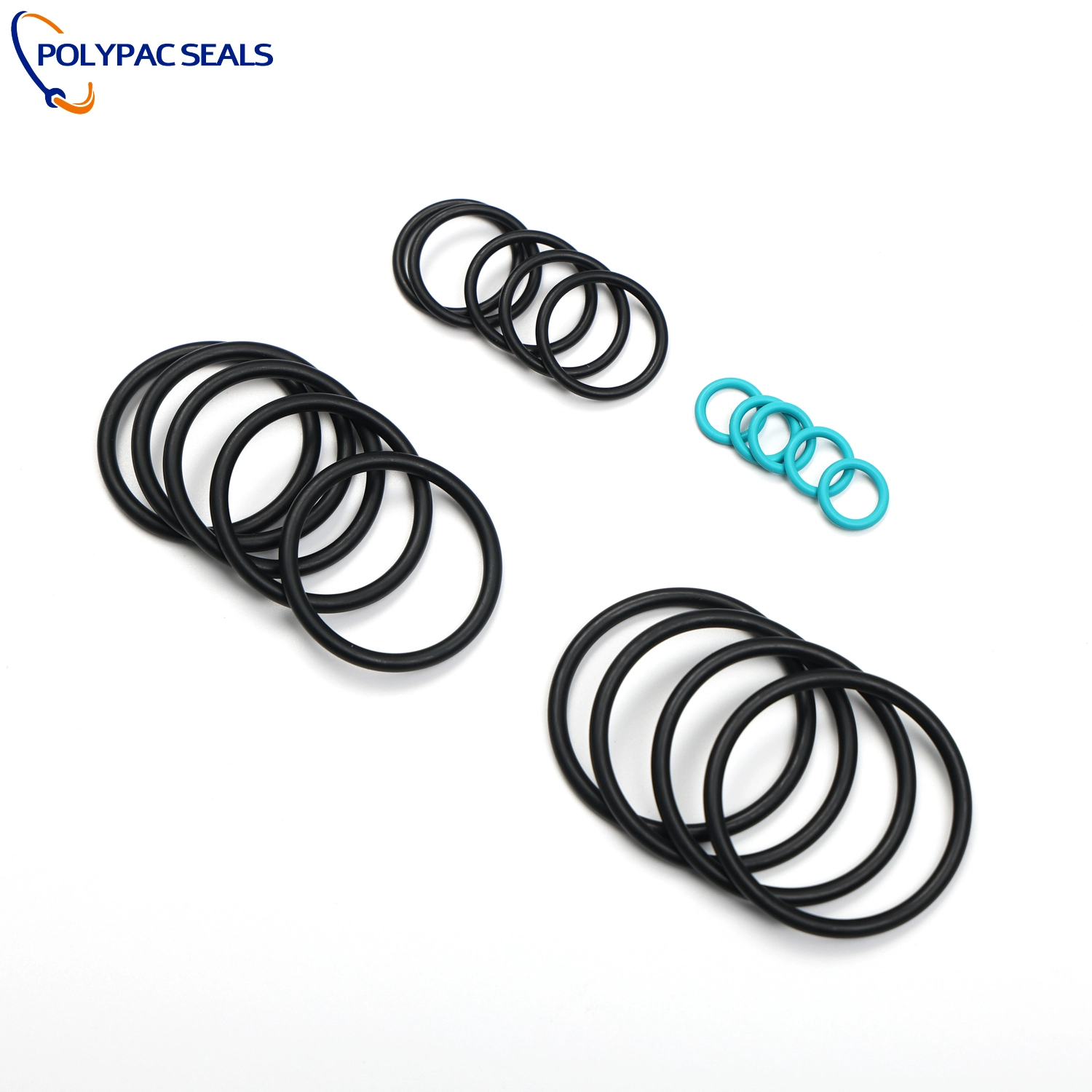
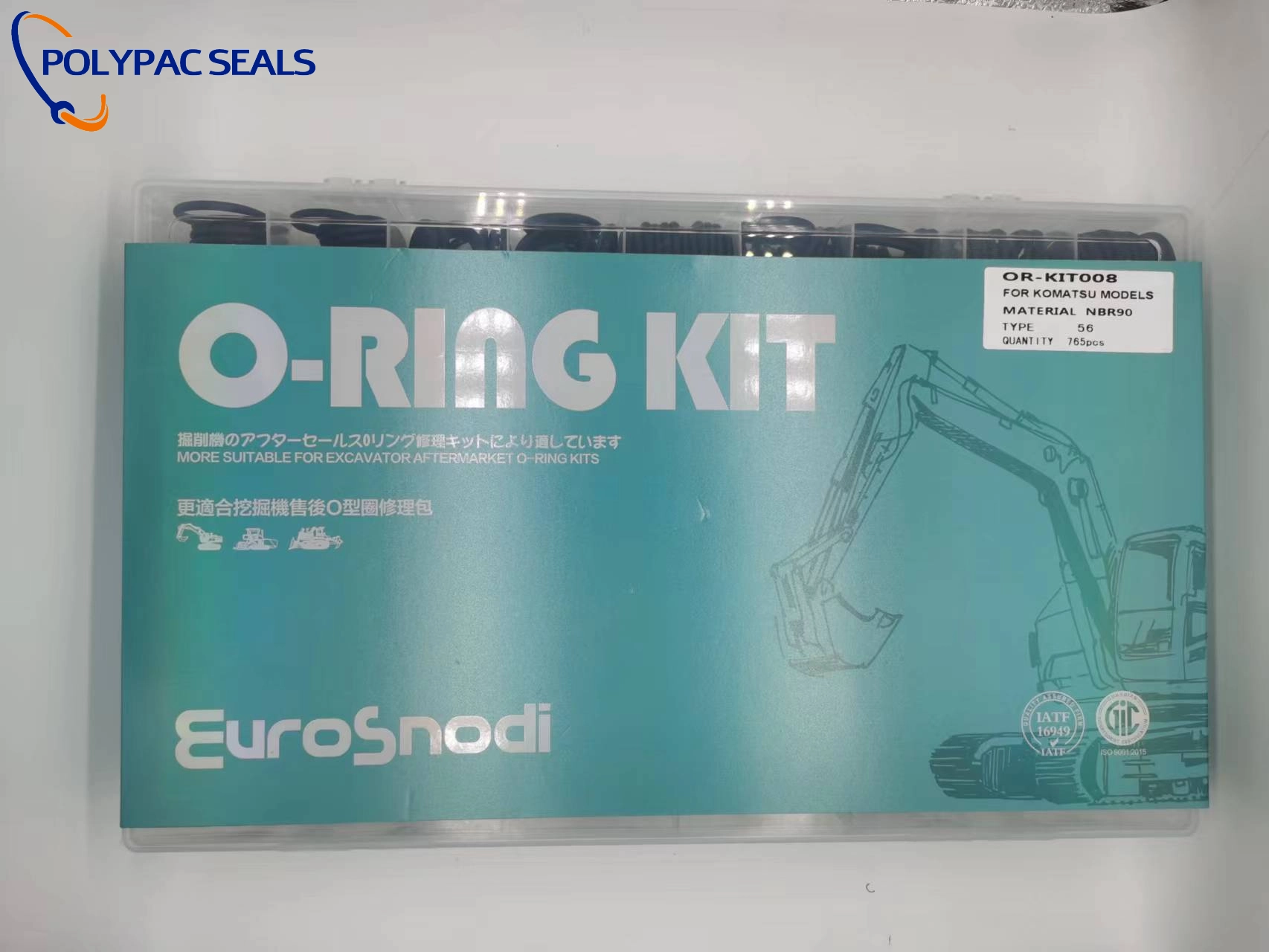
Polypac Buna-N (Nitrile) O-Ring Kits-008 KOMATSU offer durable, oil-resistant seals ideal for hydraulic and pneumatic applications. These versatile O-ring assortments ensure reliable sealing performance for general-purpose use, enhancing equipment efficiency and longevity.
Buna-N (Nitrile) O-Ring Kits-008 KOMATSU | Oil Resistant Seal Assortments for General Purpose Use
GSJ-801 Rod Seal | High-Performance Piston Rod Seal for Exact OEM Replacement
The Polypac GSJ-801 Rod Seal is a high-performance piston rod seal designed for exact OEM replacement. Ideal for cylinder seal kit components and pump rod seals, it ensures superior durability and leak prevention, enhancing hydraulic system efficiency in industrial applications. Trust Polypac quality.
GSJ-801 Rod Seal | High-Performance Piston Rod Seal for Exact OEM Replacement
Plumbing & HVAC O-Ring Kits012 HITACHI | Assortments for Water, Refrigerant & Gas Connections
Polypac Plumbing & HVAC O-Ring Kits012 HITACHI offer High Quality vacuum and FDA-grade O-Ring assortments for water, refrigerant, and gas connections. Trusted for durability and leak-proof sealing, ideal for plumbing and HVAC systems requiring reliable, high-performance seals.
Plumbing & HVAC O-Ring Kits012 HITACHI | Assortments for Water, Refrigerant & Gas Connections
Mini O-Ring Kits-011 SUMITOM | Compact Assortments for Electronics, RC Models & Small Appliances
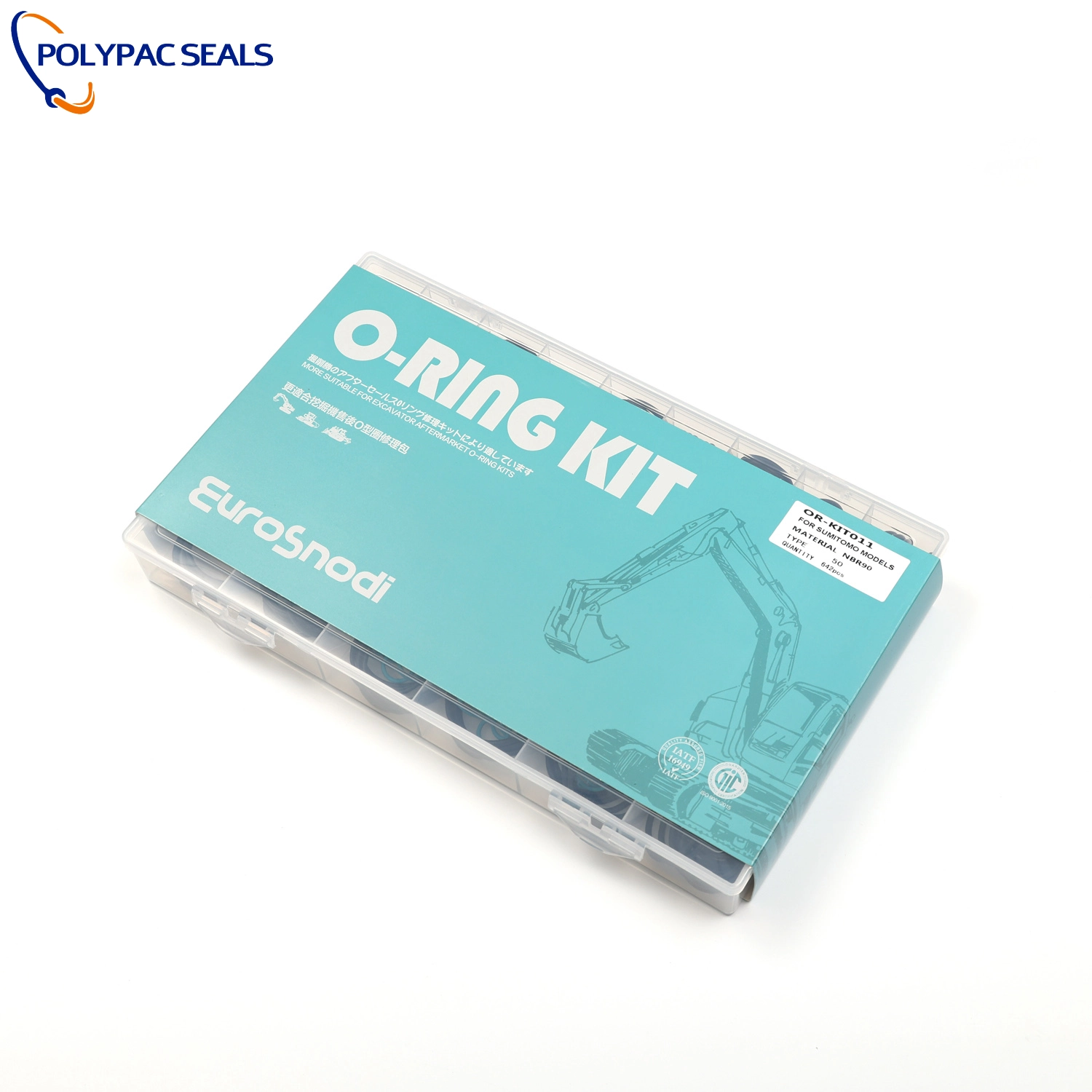
Polypac Mini O-Ring Kits-011 SUMITOM offer compact assortments of high temperature, chemical resistant O-rings. Ideal for electronics, RC models, and small appliances, these durable kits ensure reliable sealing performance in demanding environments. Perfect for precision repairs and maintenance.
Mini O-Ring Kits-011 SUMITOM | Compact Assortments for Electronics, RC Models & Small Appliances

Stay Updated with Industry Insights

Subscribe to our articles and receive the latest news, expert guidance, and technical updates directly in your E-mail.

Please enter your name not exceed 100 characters
The email format is not correct or exceed 100 characters, Please reenter!
Please enter a valid phone number!
Please enter your field_1188 not exceed 150 characters
Please enter your content not exceed 3000 characters

Rest assured that your privacy is important to us, and all information provided will be handled with the utmost confidentiality.
Contact customer service
×
Please enter your name not exceed 100 characters
The email format is not correct or exceed 100 characters, Please reenter!
Please enter a valid phone number!
Please enter your field_1188 not exceed 150 characters
Please enter your content not exceed 3000 characters

Request Your Custom Sealing Solution

Fill in your requirements and our team will provide a tailored solution with a quick response.

Your privacy matters to us. We handle your data securely, in compliance with international quality and safety certifications.

With over 10 years of sealing expertise, we are ready to provide you with reliable solutions.

×

Request Your Custom Sealing Solution

Fill in your requirements and our team will provide a tailored solution with a quick response.

Please enter your name not exceed 100 characters
The email format is not correct or exceed 100 characters, Please reenter!
Please enter a valid phone number!
Please enter your field_1188 not exceed 150 characters
Please enter your content not exceed 3000 characters

Your privacy matters to us. We handle your data securely, in compliance with international quality and safety certifications.

With over 10 years of sealing expertise, we are ready to provide you with reliable solutions.

×
Please enter your name not exceed 100 characters
The email format is not correct or exceed 100 characters, Please reenter!
Please enter a valid phone number!
Please enter your field_1188 not exceed 150 characters
Please enter your content not exceed 3000 characters

How Can We Help You?

Whether you need product details, technical support, or a custom solution, we’re here to assist.

Your privacy matters to us. We handle your data securely, in compliance with international quality and safety certifications.

With over 10 years of sealing expertise, we are ready to provide you with reliable solutions.

×

How Can We Help You?

Whether you need product details, technical support, or a custom solution, we’re here to assist.

Please enter your name not exceed 100 characters
The email format is not correct or exceed 100 characters, Please reenter!
Please enter a valid phone number!
Please enter your field_1188 not exceed 150 characters
Please enter your content not exceed 3000 characters

Your privacy matters to us. We handle your data securely, in compliance with international quality and safety certifications.

With over 10 years of sealing expertise, we are ready to provide you with reliable solutions.

×

📩 Looking for sealing solutions?

Start a chat and get quick answers.

Have questions about our products or services? Let’s chat and find the best solution for you.

Please enter your name not exceed 100 characters
The email format is not correct or exceed 100 characters, Please reenter!
Please enter a valid phone number!
Please enter your field_1188 not exceed 150 characters
Please enter your content not exceed 3000 characters

Your privacy matters to us. We handle your data securely, in compliance with international quality and safety certifications.

With over 10 years of sealing expertise, we are ready to provide you with reliable solutions.