












Back-up Rings for O-Rings: Essential Protection Against Extrusion | Polypac
Back-up Rings for O-Rings: The Critical Defense Against High-Pressure Failure
In hydraulic and pneumatic systems, O-Rings are celebrated for their reliable sealing. However, when system pressures climb into the high and ultra-high range, a hidden threat emerges: extrusion. This is where a dedicated guardian becomes essential—the back-up ring for O-Rings. This simple yet brilliant component is the difference between a durable, long-lasting seal and a premature, catastrophic failure. It doesn't seal itself but ensures the primary O-Ring can perform its job flawlessly under extreme conditions.
At Polypac, with our deep expertise in engineered sealing systems for special working conditions, we understand that true reliability in high-pressure applications is achieved through system thinking. This guide explains why a back-up ring is non-negotiable for your high-pressure O-Ring applications and how to select the right one.
What is a Back-up Ring for an O-Ring?
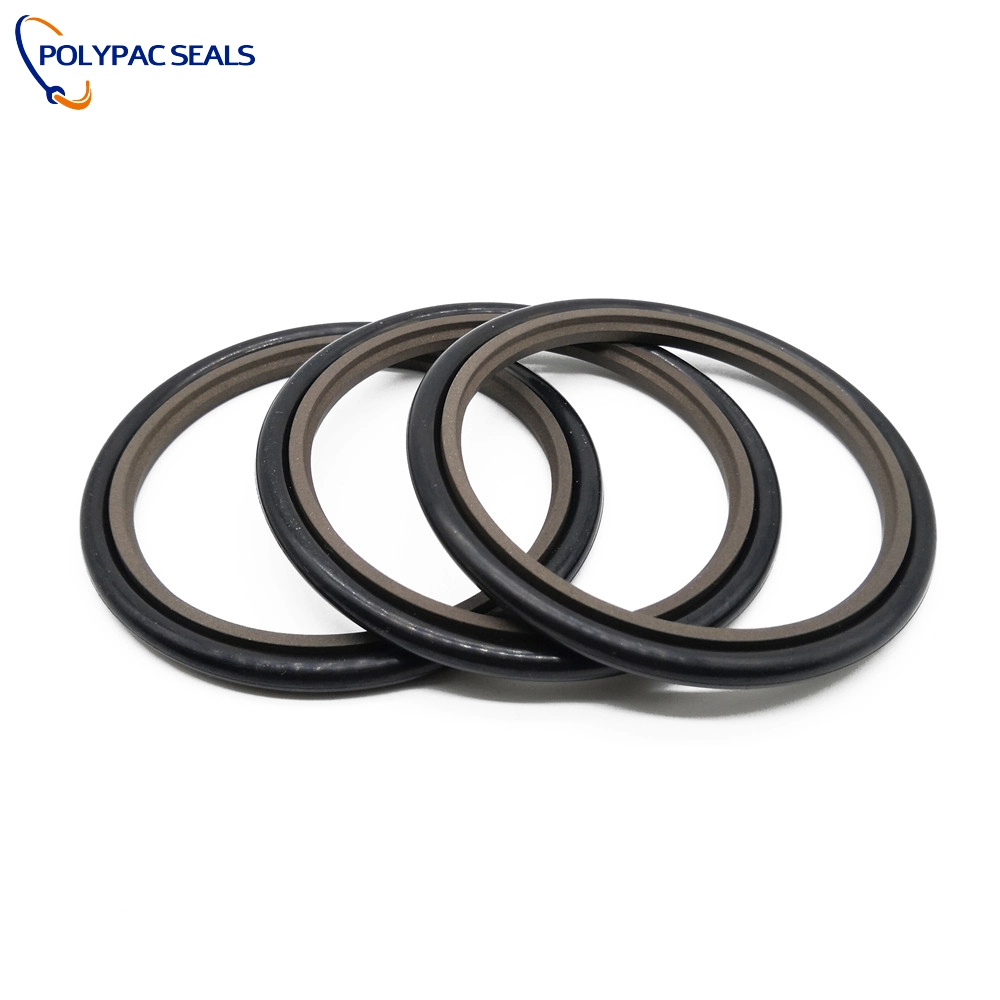
A back-up ring for O-Rings (also called an anti-extrusion ring) is a rigid or semi-rigid ring, typically made from hard plastics like PTFE, installed in the gland directly adjacent to an O-Ring. It is always placed on the low-pressure side of the O-Ring.
Its singular, critical purpose is to prevent O-Ring extrusion. Under high pressure, the soft elastomer of the O-Ring can be forced into the tiny clearance gap between the piston and cylinder (or rod and gland). The back-up ring acts as a physical barrier, blocking this gap and providing solid support that the O-Ring can push against without being deformed or sheared off.
The Extrusion Problem: Why You Need a Back-up Ring
To understand the value of a back-up ring, you must understand the failure it prevents:
-
The Gap: All dynamic systems have a radial clearance—a small space between moving parts.
-
High-Pressure Attack: Under high pressure, hydraulic force deforms the O-Ring, pushing it toward this gap.
-
Extrusion & Failure: Without a barrier, part of the O-Ring gets squeezed into the gap. When pressure cycles, this extruded "nib" is sheared off, permanently damaging the seal and causing leakage. This cycle repeats, leading to rapid failure.
Consequences: Fluid leaks, loss of system pressure and efficiency, contamination from sheared seal particles, and costly unscheduled downtime.
Key Benefits of Using a Back-up Ring
-
Enables Higher Pressure Ratings: Allows standard O-Rings to function reliably in pressures exceeding 1500 psi, where they would normally fail.
-
Extends Seal Life: Prevents the nibbling and cutting that destroy O-Rings, dramatically increasing service intervals.
-
Protects Equipment: Prevents debris from damaged O-Rings from contaminating and damaging pumps, valves, and other sensitive components.
-
Cost-Effective Reliability: A low-cost back-up ring protects the more valuable O-Ring and the vastly more expensive system from failure.
Types of Back-up Rings
The design affects ease of installation and performance.
1. Spiral Back-up Rings
-
Design: Made from a coiled PTFE profile. Flexible and easy to install.
-
Best For: Applications where installation access is difficult or in groove configurations where a continuous ring cannot be installed. A good general-purpose choice.
2. Miter-Cut (Butt-Cut) Back-up Rings
-
Design: A solid PTFE ring cut once at a 45-degree angle. More rigid than a spiral ring.
-
Best For: Applications requiring more robust support than a spiral ring can provide, with better resistance to unraveling. Offers more uniform support.
3. Heavy-Duty (Solid/Snap-In) Back-up Rings
-
Design: A solid, one-piece ring with no cut, or a ring with a proprietary snap feature.
-
Best For: The most demanding high-pressure and high-cycle applications. Provides the most uniform support and highest resistance to extrusion. Requires installation from the end of a shaft or into a specially designed groove.
Critical Material Selection: Why PTFE is King
Back-up rings are predominantly made from PTFE (Polytetrafluoroethylene) or filled PTFE compounds because of their ideal properties:
-
Low Friction: Minimizes drag on the moving component.
-
High Compressive Strength: Resists deformation under extreme pressure.
-
Chemical Inertness: Compatible with virtually all hydraulic fluids and chemicals.
-
Wide Temperature Range: Performs from cryogenic to high temperatures.
-
Fillers (Glass, Bronze, Carbon): Added to PTFE to improve wear resistance, reduce cold flow, and increase hardness for even higher pressure capability.
The Polypac Advantage: Engineered Support Systems
We provide more than just a part; we provide a validated sealing solution.
-
Precision Manufacturing: Our back-up rings are machined to exact tolerances. Proper clearance between the back-up ring and the groove/dynamic surface is critical—too tight causes binding, too loose fails to protect.
-
Material Expertise: We offer various filled PTFE grades to match your specific pressure, temperature, and media requirements.
-
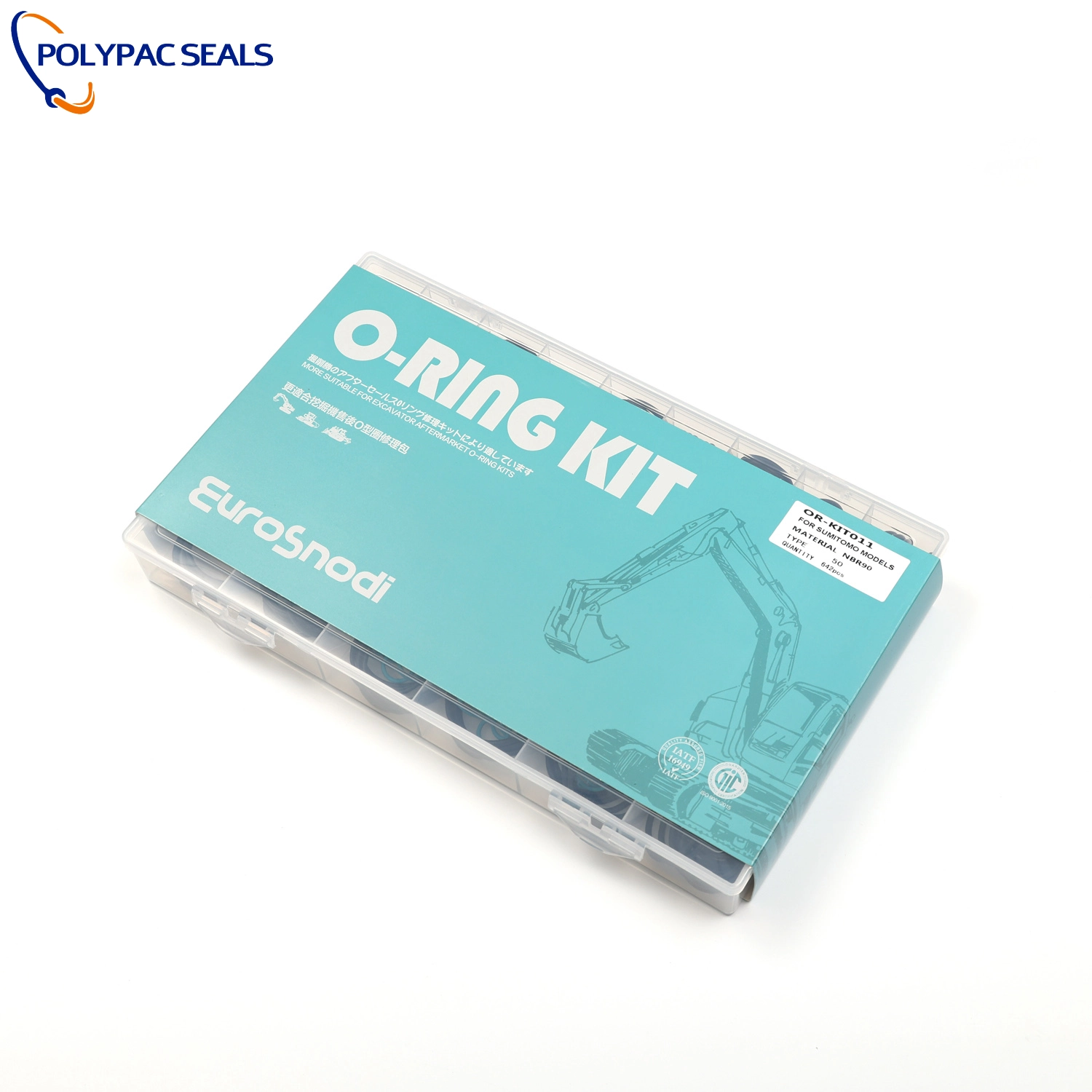
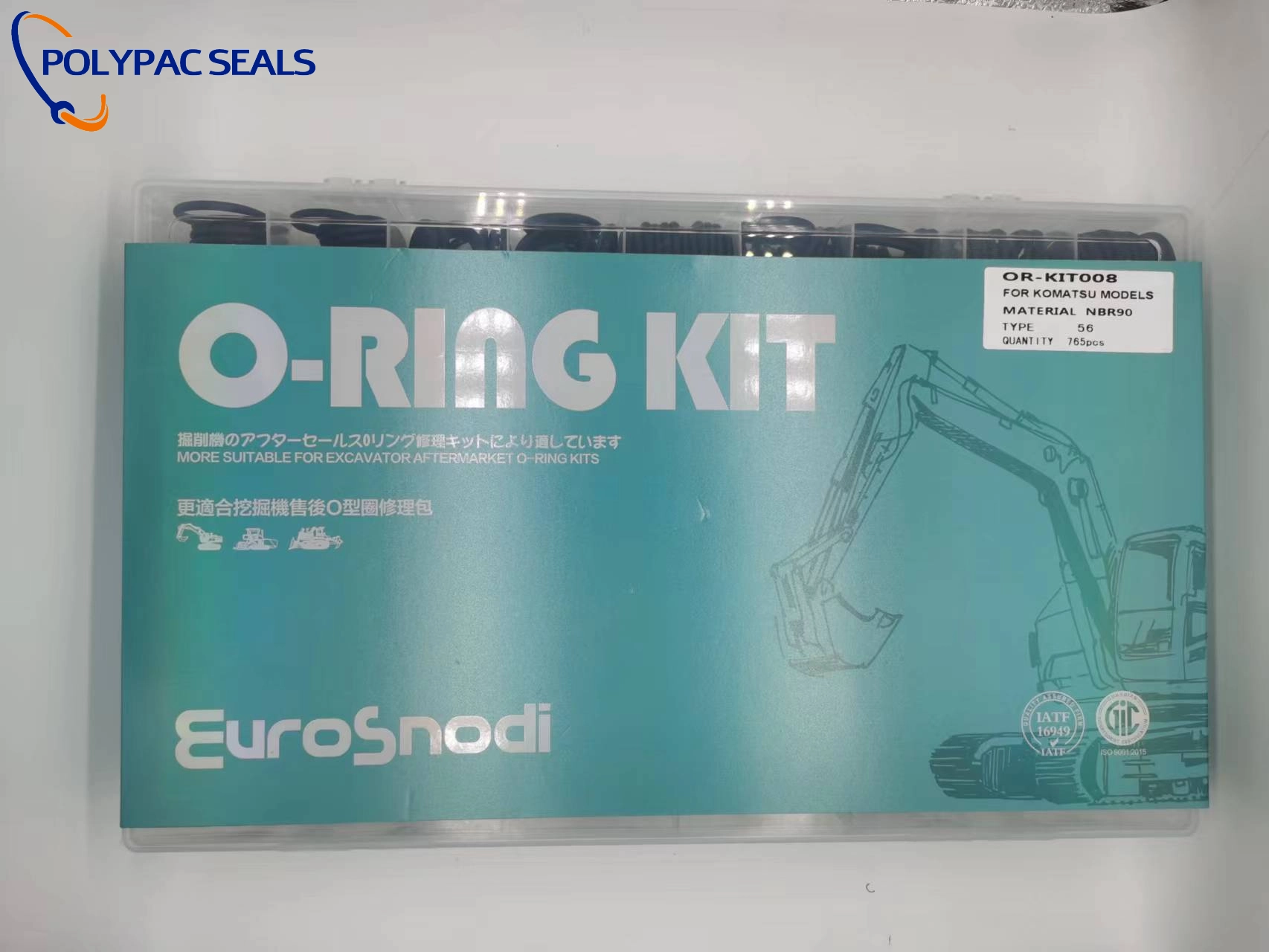
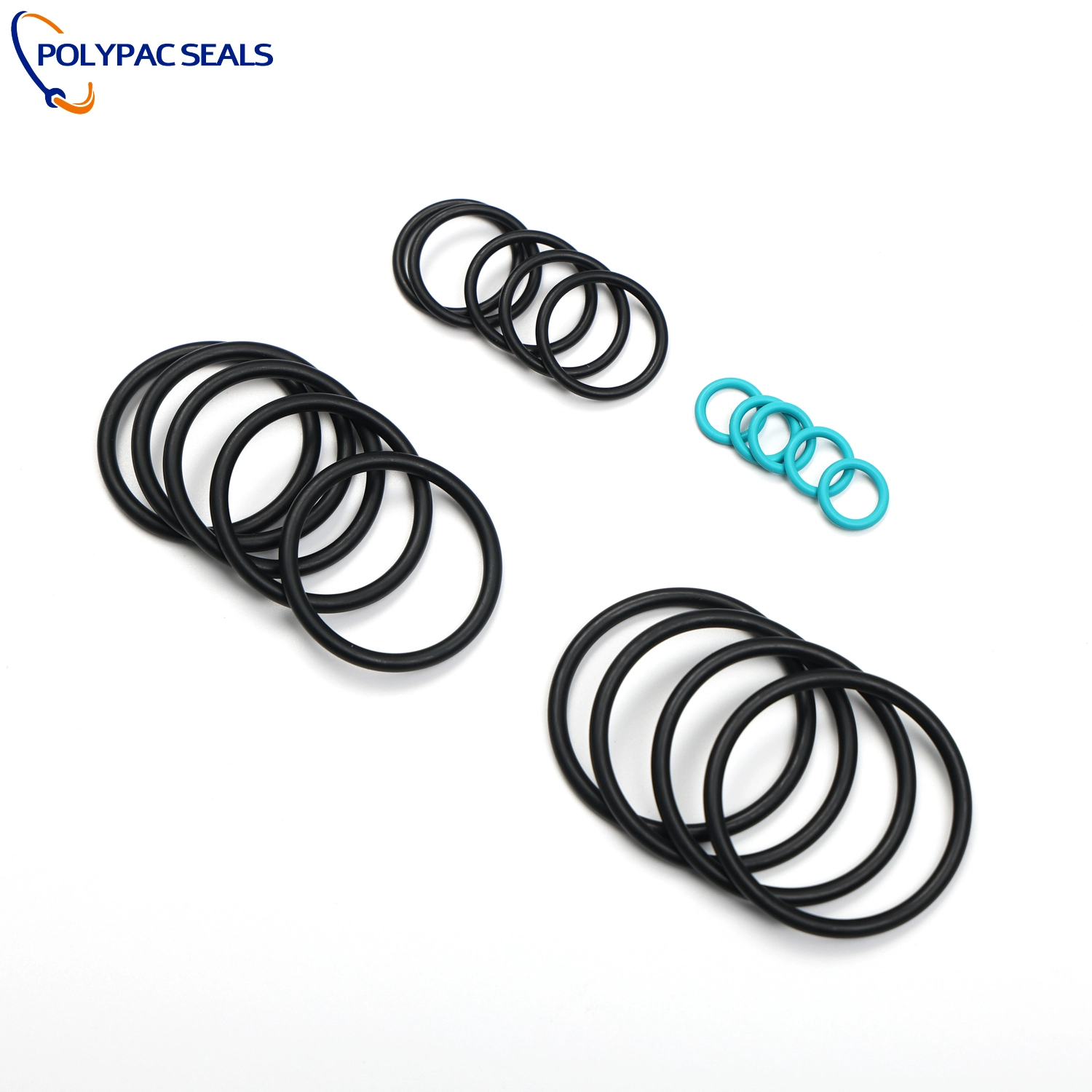
System Integration: We often recommend and supply O-Ring and Back-up Ring Kits. This ensures perfect compatibility between the O-Ring's elasticity and the back-up ring's hardness and dimensions for optimal performance.
-
Technical Guidance: Our engineers can help determine if your application needs a back-up ring and specify the correct type, size, and material based on your pressure, gap clearance, and dynamic conditions.
Installation Guidelines: Doing it Right
-
Correct Placement: Install the back-up ring on the low-pressure side of the O-Ring. Installing it on the high-pressure side will cause it to be ineffective.
-
Proper Sizing: The back-up ring must fit the gland properly. Its axial width and radial thickness are designed to fill the clearance gap without being over-compressed.
-
Handling Spiral & Miter Rings: For spiral and miter rings, ensure the ends are properly butted together during installation without overlapping or leaving a large gap.
When is a Back-up Ring Mandatory?
Consider a back-up ring essential if your application has:
-
System pressures above 1500 psi.
-
Large radial clearances due to manufacturing tolerances or wear.
-
Frequent pressure spikes or shock loads.
-
A requirement for zero leakage and maximum reliability.
Conclusion
A back-up ring for O-Rings is the epitome of a proactive engineering solution—a small, inexpensive component that prevents a major failure. It unlocks the high-pressure potential of the versatile O-Ring, transforming it into a robust sealing solution for the most demanding applications.
Ignoring the need for a back-up ring in high-pressure systems is an invitation for premature failure. Specifying one is an investment in predictable, reliable, and leak-free operation.
Designing for high pressure? Don't let extrusion be your failure mode. Contact Polypac's technical team to specify the correct O-Ring and back-up ring combination for your application, or to explore our range of pre-assembled kits.


Products
What does "AS568" mean?
What is the purpose of the metal spring in a rotary shaft seal?
What is the difference between NBR and FKM materials?
When should I use a spring-energized seal instead of a standard elastomeric seal?
Can I reuse a seal?
Stay Updated with Industry Insights
Subscribe to our articles and receive the latest news, expert guidance, and technical updates directly in your E-mail.
Rest assured that your privacy is important to us, and all information provided will be handled with the utmost confidentiality.

Polypac is a trusted global supplier of high-performance sealing solutions, providing OEM & ODM services for industries worldwide.
E-mail:
Phone/WhatsApp:
© 2025 Polypac Seals. All Rights Reserved.
dms
DMS
DMS