












Bidirectional Seals: Mastering Sealing in Both Directions | Polypac
Bidirectional Seals: The Engineered Solution for Pressure from Any Direction
In the dynamic world of hydraulic and pneumatic systems, force and motion are rarely one-way streets. Cylinders extend and retract, pressures alternate, and equipment must perform reliably regardless of the direction of force. This is where standard, single-acting seals can fall short. Bidirectional seals are precision-engineered components specifically designed to provide effective, reliable sealing when pressure is applied from either side. They are fundamental to the efficiency and compact design of double-acting cylinders and other applications where sealing direction is variable.
At Polypac, with our ISO 9001 & IATF 16949 certified focus on sealing solutions for special working conditions, we engineer bidirectional seals that deliver consistent performance and longevity, ensuring your equipment operates smoothly in both directions of its cycle. This guide explores the technology, advantages, and critical applications of these versatile seals.
What is a Bidirectional Seal?
A bidirectional seal is a sealing element designed to contain fluid pressure effectively regardless of which side of the seal is pressurized. Unlike a single-acting seal, which has a distinct high-pressure and low-pressure side, a bidirectional seal features a symmetrical or pressure-responsive geometry that activates sealing forces equally well when pressure comes from the left or the right.
These seals are essential for the core function of double-acting systems, where they perform a critical role:
-
Pressure Containment in Both Strokes: Sealing during both the extension and retraction of a cylinder.
-
Internal Leakage Prevention: Ensuring no fluid bypasses the piston, which is crucial for maintaining force, precision, and efficiency.
-
System Simplification: Often allowing for a more compact and simpler cylinder design compared to using two opposing single-acting seals.
How Bidirectional Seals Work
The effectiveness of a bidirectional seal lies in its intelligent design, which utilizes system pressure to its advantage:
1. Symmetrical Geometry
The most common design principle. The seal profile (like a symmetrical U-cup) is identical on both sides. When pressure (P) is applied, it deforms the flexible lips outward, forcing them against the cylinder bore with equal effectiveness, regardless of the pressure's direction.[P] --> [Seal Lips Engage Bore] <-- [P]
2. Pressure-Activated Sealing
The seal is designed so that the applied hydraulic pressure itself energizes the sealing lips. Higher pressure creates greater sealing force against the mating surface. This self-compensating feature ensures optimal performance across a wide pressure range.
3. Controlled Clearance Management
Advanced bidirectional seals often incorporate integral anti-extrusion elements or are used in conjunction with robust guide rings to minimize the clearance gap, protecting the seal from damage during pressure spikes from either direction.
Common Types of Bidirectional Seals
1. Symmetrical U-Cup Seals
-
Design: The classic and widely used bidirectional seal. Features a U-shaped cross-section with identical sealing lips on both sides.
-
Advantages: Excellent sealing in both directions, good contamination tolerance, and cost-effectiveness.
-
Applications: General-purpose hydraulic and pneumatic pistons and rods in double-acting cylinders.
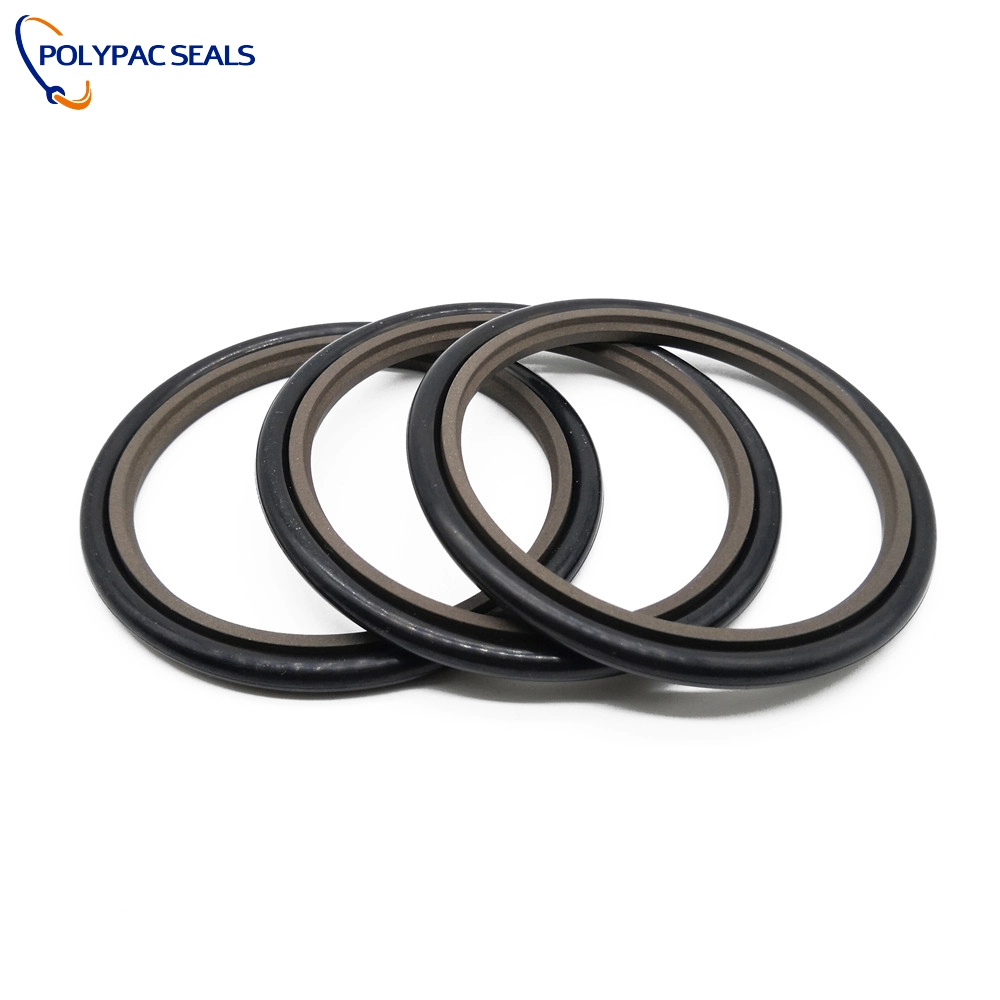
2. Double-Acting Piston Seals (e.g., Glyd Rings, Step Seals)
-
Design: More complex profiles that may combine multiple sealing elements. These are often PTFE-based or polyurethane seals with symmetrical, low-friction designs.
-
Advantages: Superior extrusion resistance, very low friction, excellent for high-pressure and high-speed applications.
-
Applications: High-performance hydraulic cylinders, precision industrial automation, and heavy machinery.
3. O-Rings in Symmetrical Glands
-
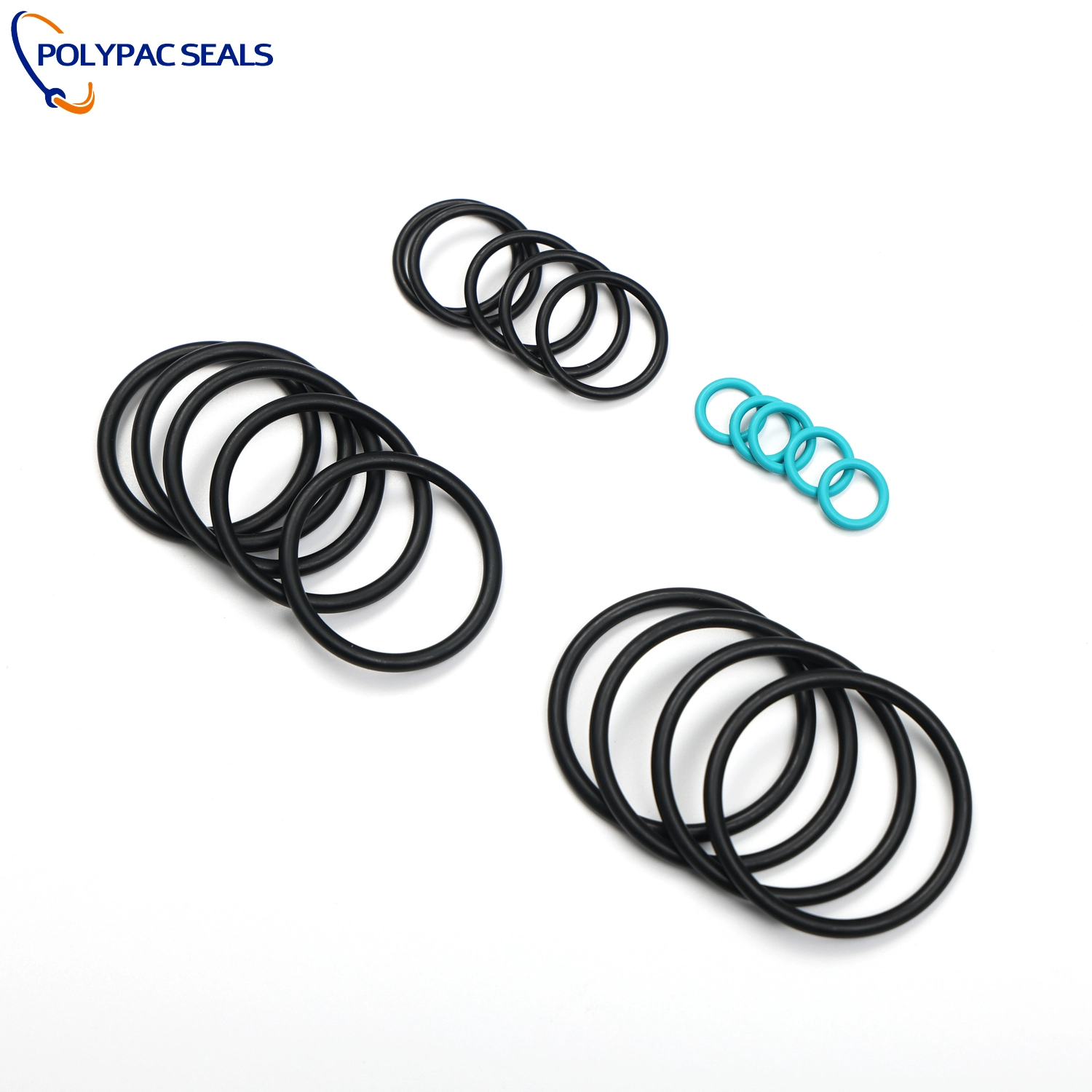
Design: While an O-ring itself is symmetrical, it functions as a bidirectional seal only when installed in a properly designed symmetrical gland (e.g., a radial seal). Its simplicity makes it effective for many static and low-pressure dynamic bidirectional applications.
Key Advantages of Bidirectional Seals
-
Simplified Cylinder Design: Eliminates the need for multiple, directional-specific seals, reducing part count and assembly complexity.
-
Consistent Performance: Uniform sealing characteristics ensure predictable friction, wear, and leakage control in both directions of travel.
-
Space Efficiency: Their symmetrical nature often allows for more compact piston and gland designs.
-
Reduced Inventory: One seal type covers both sealing directions, simplifying maintenance and spare parts management.
The Polypac Advantage in Bidirectional Sealing Technology
1. Material Science for Durability
We select and formulate materials to meet the specific demands of bidirectional motion:
-
Abrasion-Resistant Polyurethane (PU): For tough, high-wear environments.
-
Low-Friction PTFE Compounds: For applications requiring minimal stick-slip and high-speed capability.
-
High-Temperature FKM: For demanding thermal conditions.
2. Precision Engineering & Simulation
-
Finite Element Analysis (FEA): We use advanced modeling to optimize seal geometry for stress distribution, lip force, and extrusion resistance under pressure from both sides.
-
Prototype Testing: Validating performance in conditions that simulate real-world bidirectional cycling.
3. Complete System Support
We provide more than just a seal. Our technical support ensures the bidirectional seal integrates perfectly with your cylinder's guide rings, surface finishes, and tolerances for optimal system life.
Critical Applications for Bidirectional Seals
-
Double-Acting Hydraulic Cylinders: The primary application—in construction equipment (excavator arms), industrial presses, and material handlers.
-
Pneumatic Actuators: In automation and robotics where compact, efficient cylinders are key.
-
Hydraulic Motors and Rotary Actuators: Certain designs utilize bidirectional seals on vanes or pistons.
-
Reciprocating Shafts and Rods: Where a seal must contain pressure on both sides of a partition.
Conclusion
Bidirectional seals are a cornerstone of efficient and reliable fluid power design. Their ability to handle pressure from any direction simplifies systems, saves space, and ensures consistent performance. Choosing the right bidirectional seal—with the correct geometry and material for the application's pressure, speed, and environment—is crucial for maximizing cylinder life and minimizing downtime.
For engineers designing or maintaining double-acting systems, partnering with a sealing expert like Polypac ensures access to advanced bidirectional sealing technology and the engineering support to implement it successfully.
Designing a double-acting system or troubleshooting inconsistent cylinder performance? Choose the reliability of engineered bidirectional seals. Contact Polypac's technical team today to specify the perfect solution for your application.


Products
What is the difference between NBR and FKM materials?
How can I prevent seal damage during installation?
What is the purpose of the metal spring in a rotary shaft seal?
When should I use a spring-energized seal instead of a standard elastomeric seal?
How do I choose the right material for my sealing application?
Stay Updated with Industry Insights
Subscribe to our articles and receive the latest news, expert guidance, and technical updates directly in your E-mail.
Rest assured that your privacy is important to us, and all information provided will be handled with the utmost confidentiality.

Polypac is a trusted global supplier of high-performance sealing solutions, providing OEM & ODM services for industries worldwide.
E-mail:
Phone/WhatsApp:
© 2025 Polypac Seals. All Rights Reserved.
dms
DMS
DMS