











How to Choose the Best Hydraulic Piston Seal Kit for High-Pressure Applications
A comprehensive technical guide on selecting hydraulic piston seal kits for high-pressure applications. It covers material science (TPU vs. PTFE), the S.T.A.M. selection protocol, extrusion resistance strategies, and common failure modes to avoid.
When a hydraulic cylinder fails under high pressure, the cost isn't just the replacement part—it's the downtime of an excavator, a press, or a critical injection molding machine. Selecting the correct hydraulic cylinder repair kit selection is an engineering decision that balances fluid dynamics, material science, and precise tolerancing. At Polypac Industrial Technology Co., Ltd., we leverage over 15 years of R&D and a 10,000-square-meter facility to engineer seals that withstand these extreme forces.
Quick Summary: Selecting the Right Seal Kit
- Material Hardness: Prioritize high-durometer materials (Shore 55D+) for systems exceeding 400 bar.
- Fluid Compatibility: Verify if your system runs on mineral oil, water-glycol, or biodegradable fluids.
- Gap Analysis: Measure the extrusion gap accurately; high pressure requires tighter tolerances or backup rings.
- Profile Choice: Use double-acting profiles for heavy-duty cycling to ensure leak-free performance in both directions.
What is a hydraulic piston seal kit?
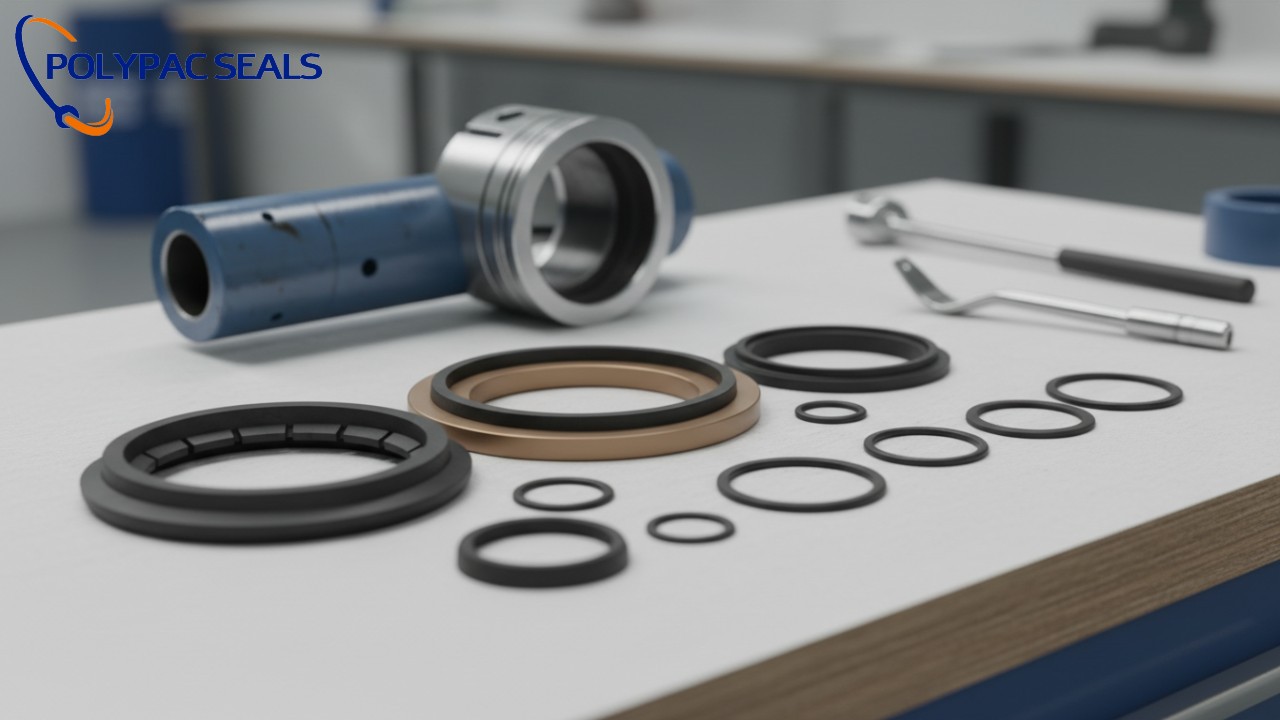
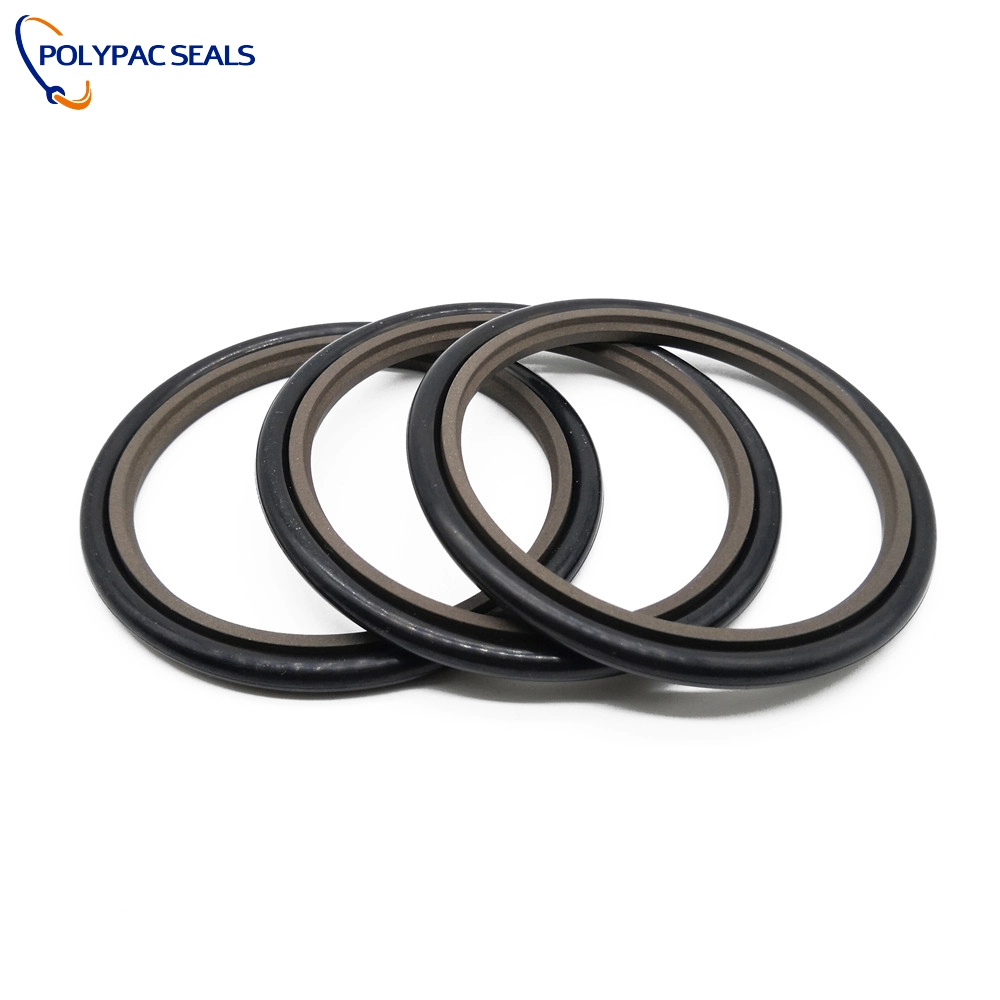
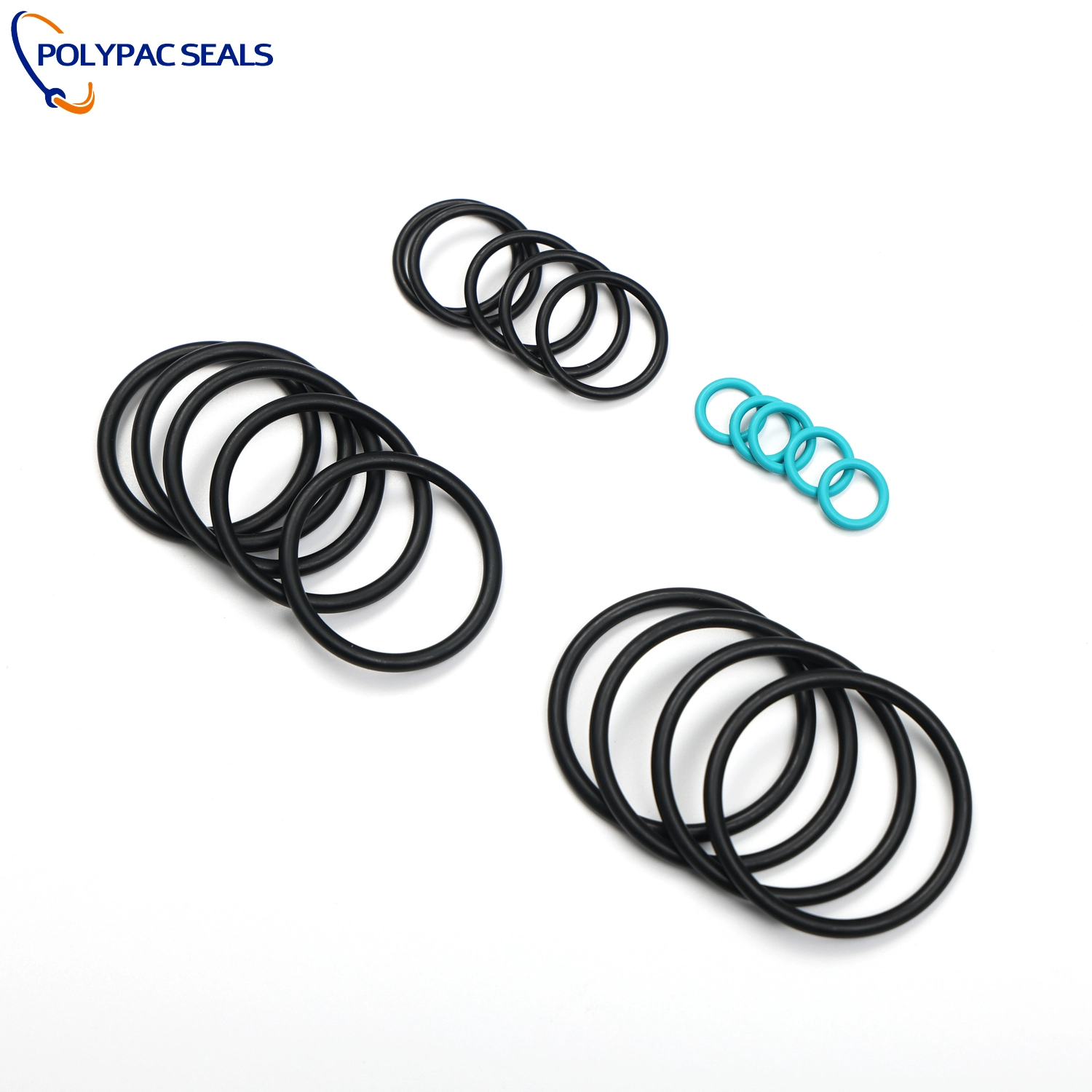
A hydraulic piston seal kit is a curated assembly of dynamic seals, static O-rings, and anti-extrusion rings designed to prevent fluid bypass across the cylinder head while maintaining system pressure.
Unlike rod seals, which prevent fluid from leaking out of the system, high-pressure hydraulic cylinder seals on the piston are responsible for the cylinder's ability to hold a load. In high-pressure applications (often exceeding 5,000 PSI or 350 bar), these kits must include advanced components such as
- Piston Slide Rings: Usually PTFE or high-grade polyurethane to reduce friction.
- Energizers: Elastomeric elements (O-rings or quad rings) that push the slide ring against the bore.
- Wear Bands (Guide Rings): To prevent metal-to-metal contact between the piston and the cylinder wall.
- Back-up Rings: To prevent the seal from extruding into the clearance gap.
Key Selection Criteria: The S.T.A.M. Protocol
The S.T.A.M. protocol is the industry-standard framework for seal selection, standing for Speed, Temperature, Application (Pressure), and Media.
To ensure you choose the correct kit, you must map your system's operating conditions against these four variables:
- Speed (Velocity): High-velocity pistons (>0.5 m/s) generate significant frictional heat. This requires low-friction materials like filled PTFE to effectively dissipate heat and prevent seal hardening.
- Temperature: Identify the operational range. Standard NBR fails above 100°C, whereas FKM (Viton) can handle up to 200°C. Cold environments require specialized compounds to prevent the seal from becoming brittle.
- Application (Pressure): Does the system experience shock loads? Excavators and pile drivers create pressure spikes far above the nominal rating, requiring seals with high extrusion resistance.
- Media: Confirm chemical compatibility. Using a standard urethane seal in a fire-resistant water-glycol fluid can lead to hydrolysis, where the seal disintegrates chemically.
Material Science: Polyurethane vs PTFE Seals
Thermoplastic Polyurethane (TPU) is generally the superior choice for high-pressure resistance and toughness, while PTFE is essential for applications requiring low friction and high speed.
Understanding the trade-off between polyurethane vs. PTFE seals is critical for longevity:
- Thermoplastic Polyurethane (TPU): Polypac’s advanced TPU compounds offer exceptional abrasion resistance and tear strength. They are the "gold standard" for holding heavy loads because they resist deformation under pressure better than almost any other elastomer.
- Filled PTFE (Teflon): Pure PTFE is too soft for high pressure, so it is reinforced with bronze, carbon, or glass. These fillers increase compressive strength. PTFE is vital for preventing "stick-slip"—the jerky movement of a cylinder caused by static friction.
According to machine design, minimizing stick-slip is crucial for precise control in hydraulic applications, as the erratic motion can induce vibration and premature wear on both the seal and the cylinder bore.
Seal Profiles: Single-Acting vs. Double-Acting
Double-acting seals are designed to hold pressure from both directions (extend and retract), making them the standard for most heavy-duty mobile machinery and industrial presses.
Choosing the right profile is as important as the material:
- Double-Acting Piston Seal Profiles: These typically feature a slide ring with a central energizer. They are efficient because they share a single groove, saving space on the piston head.
- Single-Acting Seals: These seal pressure in one direction only. They are often used in gravity-return cylinders (like a dump truck hoist). Using a single-acting seal in a double-acting application will result in immediate bypass on the return stroke.
Sizing and Gap Analysis: Preventing Extrusion
Piston seal extrusion resistance is determined by the hardness of the seal material relative to the size of the extrusion gap and the system pressure.
Extrusion is the most common failure mode in high-pressure hydraulics. It occurs when the pressure forces the seal material into the small gap between the piston and the cylinder bore. As the piston moves, this extruded material is sliced off, eventually causing catastrophic failure.
To prevent this, you must adhere to strict housing design standards. As outlined in ISO 5597:2018, the allowable extrusion gap decreases as system pressure increases. For example:
- At 100 Bar: A gap of 0.4mm might be acceptable.
- At 400 Bar: The gap must be reduced to less than 0.15 mm, or anti-extrusion (back-up) rings must be used.
Steps to ensure proper fit:
- Measure the cylinder bore diameter accurately.
- Measure the piston groove diameter.
- Calculate the clearance (Bore - Piston OD) / 2.
- If the gap exceeds manufacturer limits for your pressure, choose a kit with robust back-up rings.
Expert Tips: 3 Common Selection Mistakes to Avoid
- Ignoring Pressure Spikes: Selecting a seal based on nominal pressure (e.g., 3000 PSI) rather than peak shock pressure (e.g., 5000 PSI) leads to premature blow-out.
- Overlooking Surface Finish: High-pressure seals need a specific surface roughness (Ra 0.1–0.4 µm). If the bore is too smooth, it won't retain an oil film (causing friction); if too rough, it acts like a file against the seal.
- Mixing OEM and Aftermarket Parts: Mismatched tolerances between a new seal and a worn cylinder groove can cause immediate failure. Polypac ensures aftermarket kits meet or exceed OEM specifications for fitment.
Frequently Asked Questions (FAQ)
What is the best material for high-pressure hydraulic piston seals?
- High-grade Thermoplastic Polyurethane (TPU) is generally best for high-pressure resistance due to its toughness and ability to resist extrusion.
- Bronze-filled PTFE is excellent for high-pressure applications requiring low friction and high speed.
- The choice ultimately depends on the specific pressure rating (bar/PSI) and fluid type.
How do I know if I need a single-acting or double-acting seal kit?
- If your hydraulic cylinder powers both extension and retraction strokes, you absolutely need a double-acting seal.
- If gravity or a spring returns the cylinder to its resting position, a single-acting seal is sufficient.
- Check the piston design; double-acting pistons usually have a distinct profile for sealing in both directions.
What causes hydraulic piston seals to fail under high pressure?
- Extrusion: The seal material is forced into the clearance gap due to excessive pressure or large gaps.
- Heat Degradation: Friction generates heat that hardens the seal, leading to cracking.
- Diesel Effect: Air bubbles compressed inside the cylinder detonate, burning the seal material.
Can I use an O-ring instead of a piston seal?
- No, O-rings alone are generally not suitable for dynamic high-pressure piston sealing.
- They are prone to rolling and spiraling in the groove, which destroys them instantly.
- O-rings are typically used as static seals (e.g., under the piston head) or as energizers for PTFE piston seals.
How often should hydraulic piston seal kits be replaced?
- It depends on the duty cycle, but typically every 3,000 to 5,000 hours of operation.
- Replace immediately if you notice cylinder drift (the load slowly dropping) or external leakage.
- Preventative maintenance schedules often dictate replacement during major overhauls.
Conclusion
Selecting the right hydraulic piston seal kit for high-pressure applications requires balancing material science, pressure ratings, and precise sizing. Investing in high-quality, hydrolysis-resistant materials prevents costly downtime and ensures safety in heavy-duty machinery. Always verify the extrusion gap and temperature range before finalizing your kit choice.
Contact Polypac Industrial Technology Co., Ltd. today to discuss your specific needs and leverage our 15+ years of sealing expertise.


Products
Can I reuse a seal?
What does "AS568" mean?
What is the difference between NBR and FKM materials?
How do I choose the right material for my sealing application?
How can I prevent seal damage during installation?
Stay Updated with Industry Insights
Subscribe to our articles and receive the latest news, expert guidance, and technical updates directly in your E-mail.
Rest assured that your privacy is important to us, and all information provided will be handled with the utmost confidentiality.

Polypac is a trusted global supplier of high-performance sealing solutions, providing OEM & ODM services for industries worldwide.
E-mail:
Phone/WhatsApp:
© 2025 Polypac Seals. All Rights Reserved.
dms
DMS
DMS