












The Ultimate EPDM O-Ring Guide: Properties, Applications & Selection Tips for 2026
A comprehensive 2026 guide to EPDM O-rings, covering chemical composition, sulfur vs. peroxide curing, detailed resistance properties, industry applications, and selection criteria, including FDA/NSF compliance. Includes troubleshooting and storage best practices.
Introduction to EPDM O-Rings: The Versatile Sealing Solution
Ethylene Propylene Diene Monomer seals, commonly known as EPDM O-rings, represent a cornerstone of modern industrial sealing technology. Renowned for their exceptional resilience in outdoor and high-temperature aqueous environments, these elastomers have evolved from niche chemical-resistant components to a universal standard in automotive, HVAC, and water treatment sectors.
Unlike general-purpose rubbers that degrade rapidly under environmental stress, EPDM offers a unique molecular structure designed for longevity. As industries in 2026 demand higher efficiency and sustainability, understanding the nuanced "why" behind EPDM rubber properties is critical for engineers and procurement specialists alike. This guide serves as your definitive resource for navigating the complexities of material selection, ensuring you choose the precise seal for your application's demands.
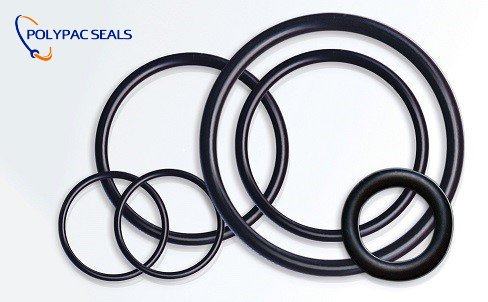
Understanding EPDM Chemistry: EPR vs. EPDM and Curing Systems
To select the right seal, one must first understand the material's chemical backbone.
EPR vs. EPDM: The Diene Difference
The terms EPDM and EPR are often used interchangeably, but they are distinct. Ethylene Propylene Rubber (EPR) is a copolymer consisting solely of ethylene and propylene. While it offers excellent chemical resistance, it can only be cured with peroxides. EPDM, however, incorporates a third monomer—a diene—which introduces unsaturated sites into the polymer chain. As explained by industry sources like Wikipedia, this diene component allows for cross-linking via sulfur vulcanization, providing manufacturers with greater flexibility in tailoring the material's mechanical properties.
The Critical Choice: Peroxide vs. Sulfur Curing
The curing system used during manufacturing fundamentally alters the O-ring's performance characteristics. This is a vital consideration often overlooked in basic O-ring material selection guides.
Sulfur Cured EPDM:
Pros: Generally more cost-effective, offers higher tensile strength, and superior tear resistance. It is easier to process for molding complex shapes.
Cons: Limited heat resistance (typically up to 120°C/250°F) and prone to "hardening" or embrittlement over time. It can also exhibit "bloom" (a powdery residue) and may cause staining.
Best For: Standard commercial applications, static sealing in moderate temperatures, and dynamic applications where tear strength is paramount.
Peroxide Cured EPDM:
Pros: Superior heat resistance (up to 150°C/300°F or higher), significantly lower compression set (better elastic memory), and enhanced chemical resistance to steam and chloramines.
Cons: Higher production cost and more difficult to mold.
Best For: High-temperature water/steam systems, drinking water applications (often required for NSF/FDA compliance), and brake fluid systems.
Core Properties of EPDM O-Rings: Strengths & Limitations
Mastering EPDM rubber properties requires a deep dive into its resistance profile. EPDM is an M-Class rubber under ASTM D1418, defined by a saturated chain of the polymethylene type.
Exceptional Resistance Profile
· Weathering & UV: EPDM is virtually immune to the degrading effects of sunlight, ozone, and oxygen, making it the premier choice for outdoor weather stripping and automotive exterior seals.
· Water & Steam: Especially when peroxide-cured, EPDM exhibits outstanding hydrolytic stability. It remains flexible and intact in boiling water and high-pressure steam where other rubbers like Nitrile (NBR) would harden and fail.
· Chemical Compatibility: It demonstrates excellent resistance to polar solvents. This includes ketones (MEK, Acetone), alcohols, and glycol-based brake fluids (DOT 3 and DOT 4).
EPDM Temperature Range
The operational EPDM temperature range is broad, typically spanning from -55°C to +150°C (-67°F to +302°F) for standard peroxide-cured grades. Special formulations can extend this range, but users must verify the specific compound's datasheet against ASTM D2000 specifications.
Key Limitations: The "Achilles Heel"
Despite its versatility, EPDM O-ring chemical resistance has a major blind spot. EPDM is strictly incompatible with petroleum-based oils, fuels, mineral oils, and hydrocarbon solvents. As highlighted in technical bulletins by manufacturers like Milwaukee Valve, exposure to hydrocarbons causes rapid swelling, softening, and catastrophic failure of the seal. For oil-based applications, materials like NBR or FKM (Viton) are required.
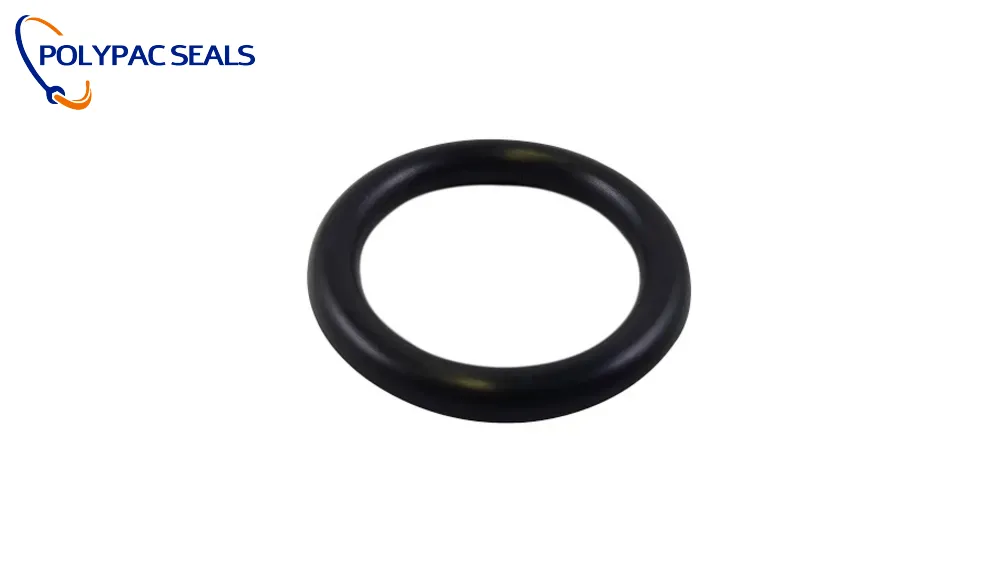
Diverse Applications: Where EPDM O-Rings Excel
Automotive Systems
EPDM is the industry standard for braking systems due to its compatibility with glycol-based fluids. It is also ubiquitous in cooling systems (hoses, gaskets) and weather stripping.
Water Treatment & Plumbing
In the water sector, EPDM O-ring applications are critical. From faucet seals to massive municipal butterfly valves, EPDM's resistance to chloramines and bacterial growth makes it ideal. Compliance with standards like NSF-61 (USA), WRAS (UK), and KTW (Germany) is mandatory for potable water.
HVAC & Steam
Heating systems rely on peroxide-cured EPDM for radiator valves and boiler seals, where resistance to steam and hot water cycles is non-negotiable.
Comparison: EPDM vs. Nitrile O-rings
A frequent dilemma in engineering is choosing between EPDM vs Nitrile O-rings.
|
Feature |
EPDM |
Nitrile (NBR) |
|
Primary Strength |
Weather, Ozone, Steam, Glycols |
Petroleum Oils, Fuels, Hydraulic Fluids |
|
Temperature Max |
~150°C (Peroxide Cured) |
~100°C-120°C |
|
Outdoor Use |
Excellent |
Poor (Degrades in UV/Ozone) |
|
Brake Fluid |
Compatible |
Incompatible |
|
Oil Resistance |
Incompatible |
Excellent |
Choosing the Right EPDM O-Ring: A Selection Guide
Follow this step-by-step O-ring material selection guide to ensure reliability.
1. Analyze the Fluid Media:
o Is the media water, steam, or brake fluid? Choose EPDM.
o Is it oil or fuel? Do not use EPDM.
2. Determine Temperature Extremes:
o For continuous use above 120°C (250°F), specify Peroxide Cured EPDM.
3. Check Certification Needs:
o For drinking water, ensure the compound is certified to NSF/ANSI 61.
o For food processing, specify FDA 21 CFR 177.2600 compliance.
4. Define Hardness (Durometer):
o 70 Shore A is the standard for most static and low-pressure dynamic seals.
o 90 Shore A is recommended for high-pressure applications (>1500 psi) to prevent extrusion.
Installation, Maintenance, and Storage Best Practices
Even the perfect material will fail if mishandled. Effective O-ring troubleshooting often traces back to installation errors.
Installation Tips
· Lubrication: Always use a lubricant compatible with EPDM, such as silicone grease or glycerin. Never use petroleum jelly.
· Stretch Limit: Do not stretch the O-ring more than 50% during installation to avoid permanent deformation.
Storage Guidelines (ISO 2230)
According to ISO 2230 standards for rubber storage:
· Shelf Life: EPDM is classified as a Group C material, offering a long shelf life (often 5-10 years or more) if stored correctly.
· Conditions: Store in a cool (below 25°C), dark place away from direct sunlight, UV sources, and ozone-generating equipment (like electric motors).
Innovations and Future Trends
Looking toward 2026 and beyond, the industry is seeing a shift toward sustainable manufacturing. Bio-based EPDM feedstocks are in development to reduce the carbon footprint. Additionally, "smart" sealing technologies are emerging, where conductive EPDM compounds act as sensors to predict failure before it occurs, revolutionizing predictive maintenance in critical infrastructure.
Frequently Asked Questions
What does EPDM stand for?
EPDM stands for Ethylene Propylene Diene Monomer. It is a type of synthetic rubber known for its weather and steam resistance.
Can I use grease on EPDM O-rings?
You can use silicone-based grease or barium grease. You must never use petroleum-based grease (like Vaseline) or mineral oils, as they will destroy the EPDM rubber.
What is the difference between Black EPDM and White EPDM?
Generally, the color indicates the presence of Carbon Black filler, which provides UV resistance and strength. White or colored EPDM often uses mineral fillers (like silica) and is used in food/pharma applications where non-marking properties are required, though it may have slightly lower mechanical strength.
Why did my EPDM O-ring fail in a fuel line?
EPDM is chemically incompatible with hydrocarbon fuels. Upon contact, the non-polar fuel absorbs into the non-polar EPDM polymer matrix, causing massive swelling and loss of structural integrity. You should use Nitrile (NBR) or Viton (FKM) for fuel.
Is EPDM safe for drinking water?
Standard industrial EPDM may not be. You must specifically select an EPDM grade that is NSF-61 or WRAS certified to ensure it does not leach harmful contaminants into the water supply.
What is the typical shelf life of an EPDM O-ring?
Under ideal conditions defined by ISO 2230, EPDM has one of the longest shelf lives among elastomers, typically rated for 5 to 10 years, with potential extension after inspection.


Products
When should I use a spring-energized seal instead of a standard elastomeric seal?
What is the difference between a static seal and a dynamic seal?
How important is surface finish on the metal parts that contact the seal?
Why did my O-ring fail prematurely?
What is the purpose of the metal spring in a rotary shaft seal?
Stay Updated with Industry Insights
Subscribe to our articles and receive the latest news, expert guidance, and technical updates directly in your E-mail.
Rest assured that your privacy is important to us, and all information provided will be handled with the utmost confidentiality.

Polypac is a trusted global supplier of high-performance sealing solutions, providing OEM & ODM services for industries worldwide.
E-mail:
Phone/WhatsApp:
© 2025 Polypac Seals. All Rights Reserved.
dms
DMS
DMS