












Heavy-Duty Scraper Seals: Why Material Choice is the Difference Between Success and Catastrophic Failure
Key Takeaways: The 30-Second Summary for Engineers
- Material Mismatch: This is the #1 cause of premature hydraulic cylinder failure in heavy-duty applications, leading to expensive downtime.
- Hardness vs. Protection: Harder is not always better; you must balance rod protection with scraping aggression to avoid scoring.
- Environmental Logic: Selection must be dictated by UV, ozone, and chemical exposure, not just unit price.
- Upgrade Triggers: Know exactly when to switch from standard NBR to high-performance polyurethane (H-PU) or metallic scrapers.
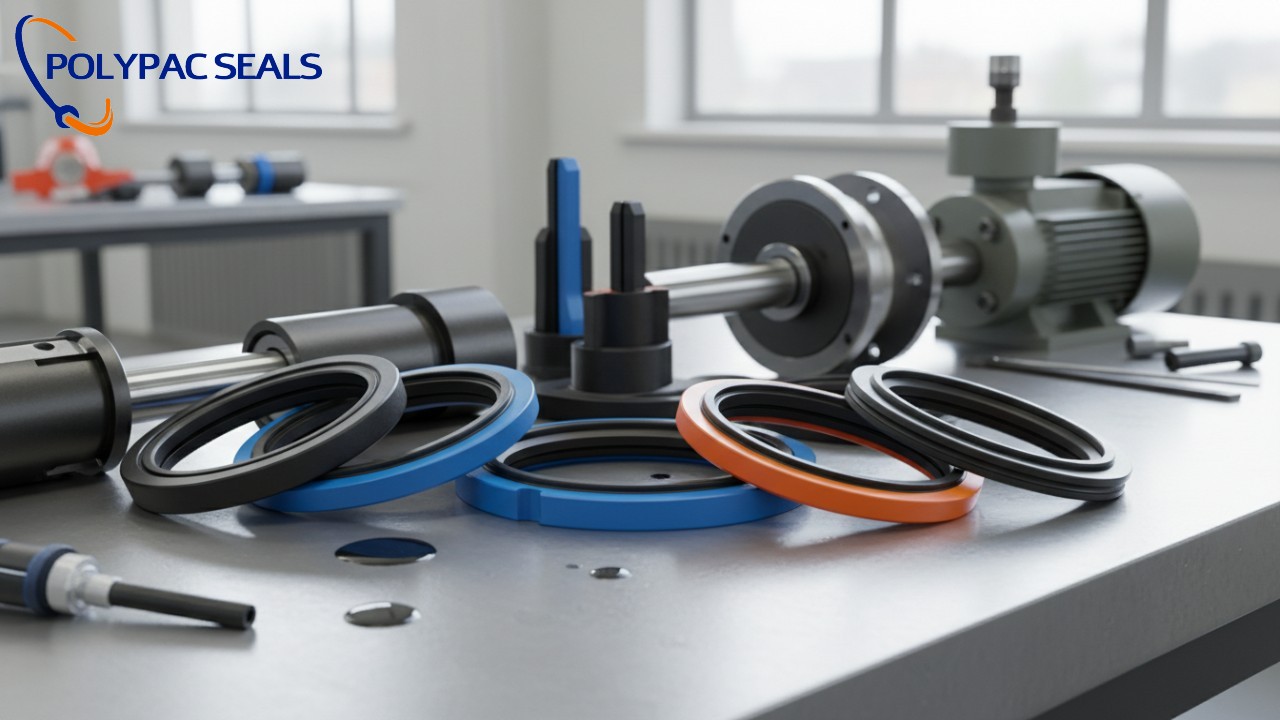
What are heavy-duty scraper seals, and why do they fail?
A heavy-duty scraper seal (or wiper) is a dynamic exclusion device designed to prevent abrasive contaminants—such as mud, ice, and weld spatter—from retracting into the hydraulic cylinder.
Unlike pressure seals, which keep fluid in, scraper seals are the system's first line of defense against the external world. Their primary role is to "scrape" the piston rod clean during the retraction stroke. If this barrier fails, the entire hydraulic system is compromised. According to data from the National Fluid Power Association, approximately 75% to 80% of all hydraulic system failures are caused by fluid contamination. The scraper is the gatekeeper that prevents this contamination.
Why They Fail: Most failures are not mechanical but chemical or material-based. They stem from selecting compounds that cannot withstand specific environmental aggression (such as thermal shock or chemical attack) or the physical abrasion of the application.
The Anatomy of Catastrophic Failure: The Cost of Cheap Materials
Catastrophic failure occurs when a scraper's lip material degrades, allowing silica and dust to bypass the seal and turn the hydraulic fluid into a grinding compound.
When a scraper fails, it rarely fails alone. It triggers a domino effect that destroys much more expensive components. Understanding these failure modes is critical for heavy-duty cylinder protection.
- Ingression: A compromised lip allows fine particles to enter. Once inside, these particles act like sandpaper on the rod seals and wear rings.
- Score Marks: Trapped debris that isn't scraped away can become embedded in the seal, scoring the chrome plating of the piston rod. This damage is often irreversible.
- Hydrolysis & Crumbling: Standard polyurethanes can disintegrate in humid, tropical, or washdown environments due to hydrolysis, where water molecules break down the polymer chains.
- The Hidden Cost: Saving $5 on a cheaper seal can lead to a $50,000 loss in unscheduled downtime and cylinder rebuilding costs.
Material Science Deep Dive: Selecting the Right Compound
Selecting the correct compound requires balancing abrasion resistance with fluid compatibility and temperature stability.
The choice between hydraulic scraper seal materials defines the lifespan of your equipment. Below is a breakdown of common materials and their best-use cases.
- Nitrile (NBR):
- Pros: The cost-effective standard for general industrial use. Excellent resistance to mineral oils.
- Cons: Poor weather and ozone resistance; cracks quickly in direct sunlight.
- High-Performance Polyurethane (H-PU):
- Pros: The gold standard for abrasion resistance. Essential for earthmoving and mining, offering up to 4x the wear life of NBR.
- Cons: Standard grades may suffer from hydrolysis in hot water/steam applications.
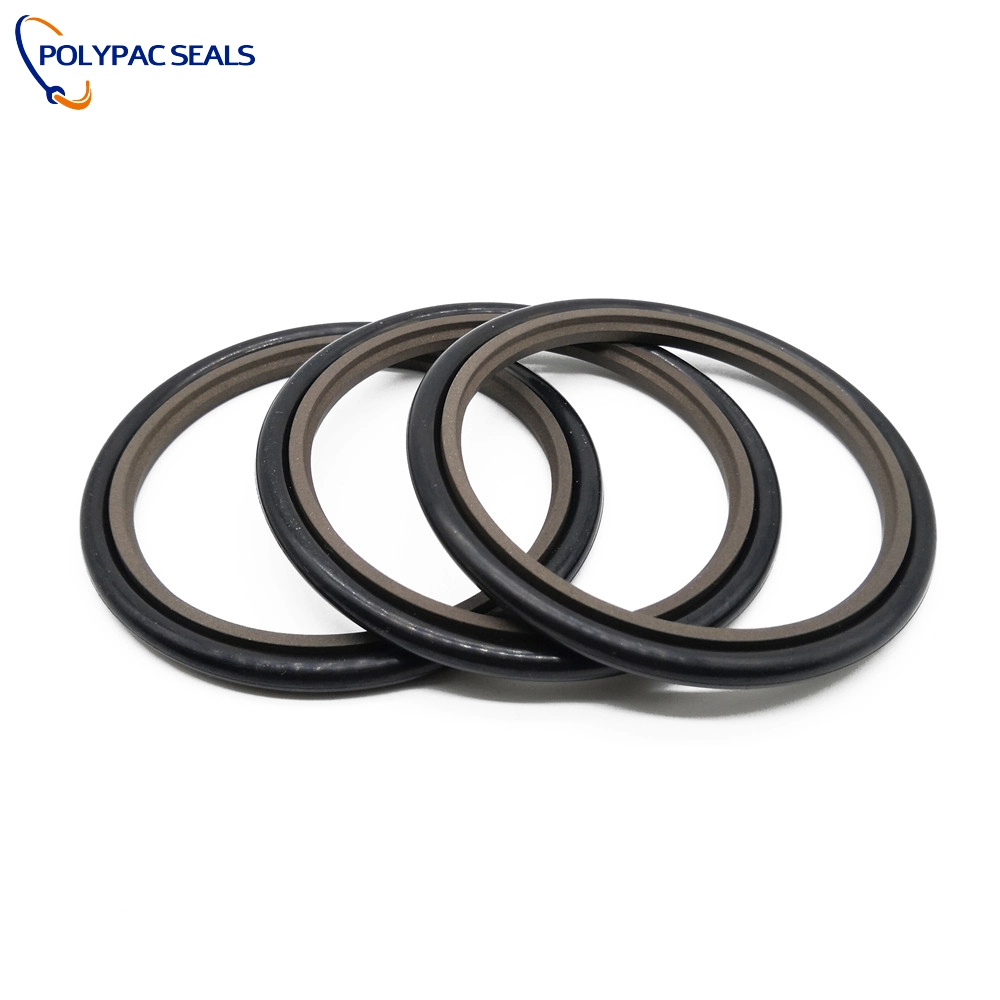
- Polytetrafluoroethylene (PTFE) / Bronze:
- Pros: Ideal for high-speed, low-friction applications where "stick-slip" must be eliminated. Highly chemically resistant.
- Cons: Rigid; requires an energizer (O-ring) to maintain rod contact.
- Metallic Scrapers:
- Pros: The ultimate solution for breaking ice, dried mud, and slag in extreme conditions (foundries and arctic drilling).
- Cons: Requires a hardened rod surface to prevent damage.
- FKM (Viton):
- Pros: Necessary for high-temperature environments or aggressive chemical exposure.
- Cons: Lower abrasion resistance compared to PU.
For a deeper look at specific heavy-duty options, explore our guide on scraper seals.
Beyond the Material: Geometry and Profile Interactions
The seal's geometric profile determines how effectively it can reject contaminants while retaining the lubricating oil film.
Material is only half the battle; the shape of the wiper dictates its mechanical performance.
- Single-Lip vs. Double-Lip: Double-acting wipers are becoming the 2026 standard. They feature an outward-facing lip to scrape debris and an inward-facing lip to wipe residual oil film back into the cylinder, preventing leakage.
- Canned Wipers: These are metal-encased scrapers designed for press-fit stability. They are crucial in vibrating housings where a flexible rubber seal might pop out.
- The "Umbrella" Effect: Some profiles are designed with an overhang that deflects water and falling debris away from the rod entry point, adding a secondary layer of protection.
Future Trends 2026: Innovations Competitors Ignore
The next generation of scraper seals focuses on hybrid composites and smart materials that predict failure before it happens.
Staying ahead in the exclusion seal selection guide means looking at what's next. Manufacturers are moving beyond simple molded rubber.
- Hybrid Composites: Fusing metallic scraping edges with elastomeric energizers provides the ice-breaking capability of metal with the sealing tightness of rubber.
- Sensor-Embedded Seals: IoT-ready scrapers are being developed to detect wear and changes in lip pressure, alerting maintenance teams before failure occurs.
- Self-Lubricating Polymers: These reduce friction heat generation in high-cycle automation, extending seal life significantly.
- Sustainable Materials: The rise of bio-based elastomers ensures compliance with stricter global environmental regulations.
Common Mistakes and Expert Tips
A common error is installing aggressive metallic scrapers on soft stainless steel rods, which inevitably results in severe rod damage.
Even the best polyurethane vs. metal scraper seals comparison fails if the installation is flawed. Adhering to standards like those from the International Organization for Standardization (ISO) regarding cleanliness (ISO 4406) is vital.
Mistake: Ignoring the "exclusion angle." Ensure the lip geometry matches the type of debris (e.g., a sharp angle for fine dust vs. a blunt angle for heavy mud). Mistake: Painting over the wiper seal during equipment repainting. This hardens the rubber and causes immediate cracking. Tip: Always inspect the scraper during routine maintenance. It is the cheapest indicator of internal system health; if the wiper is bad, the oil is likely dirty. Industry Solution: Our custom-engineered kits allow you to retrofit older equipment with modern, high-grade scraper materials.
Conclusion & Call to Action
Selecting the correct heavy-duty scraper seal is an engineering decision that dictates the lifespan of your hydraulic assets. By prioritizing material compatibility over initial unit cost, you prevent catastrophic system contamination and costly downtime. Whether you need extreme cold resistance or protection against molten slag, the right material choice ensures success.
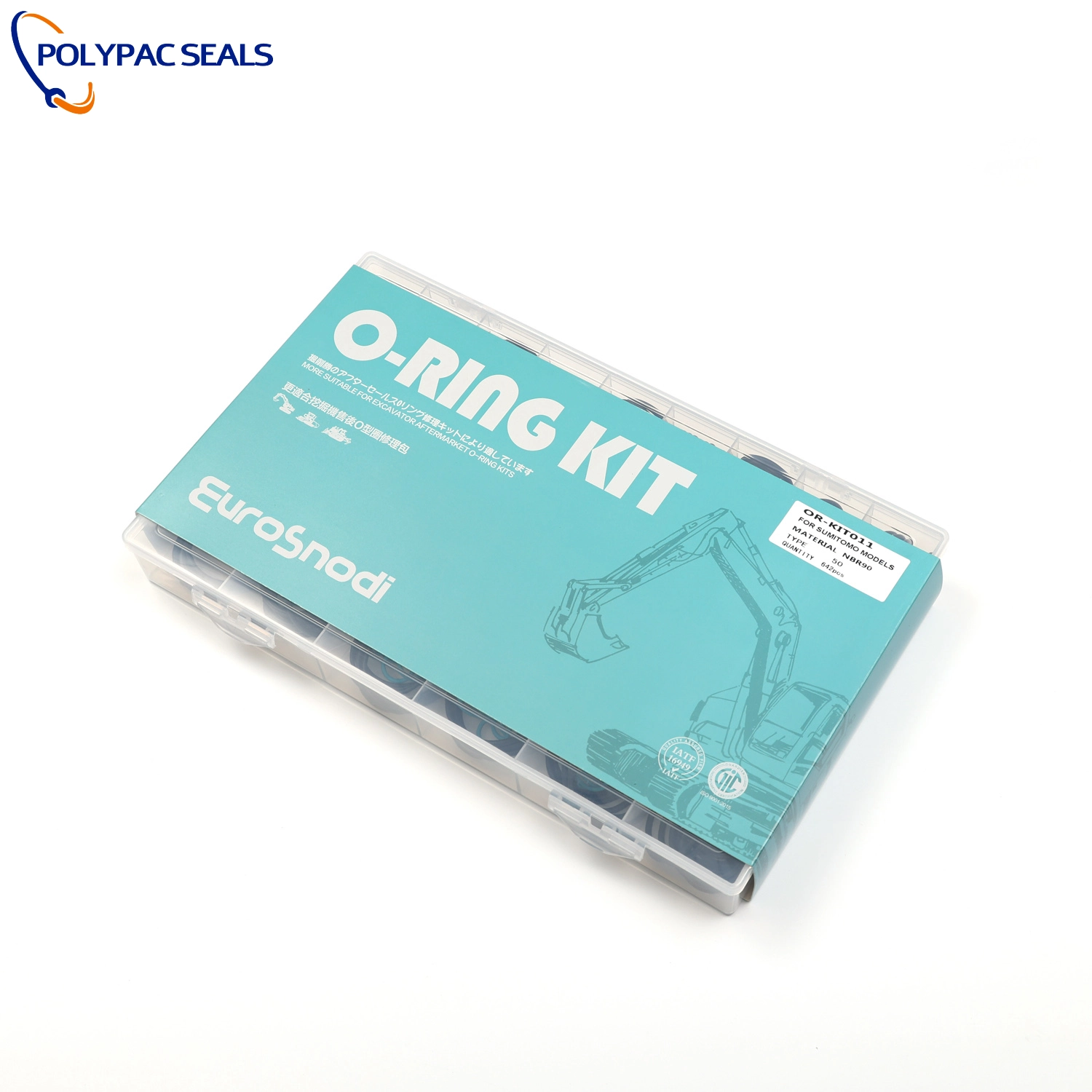
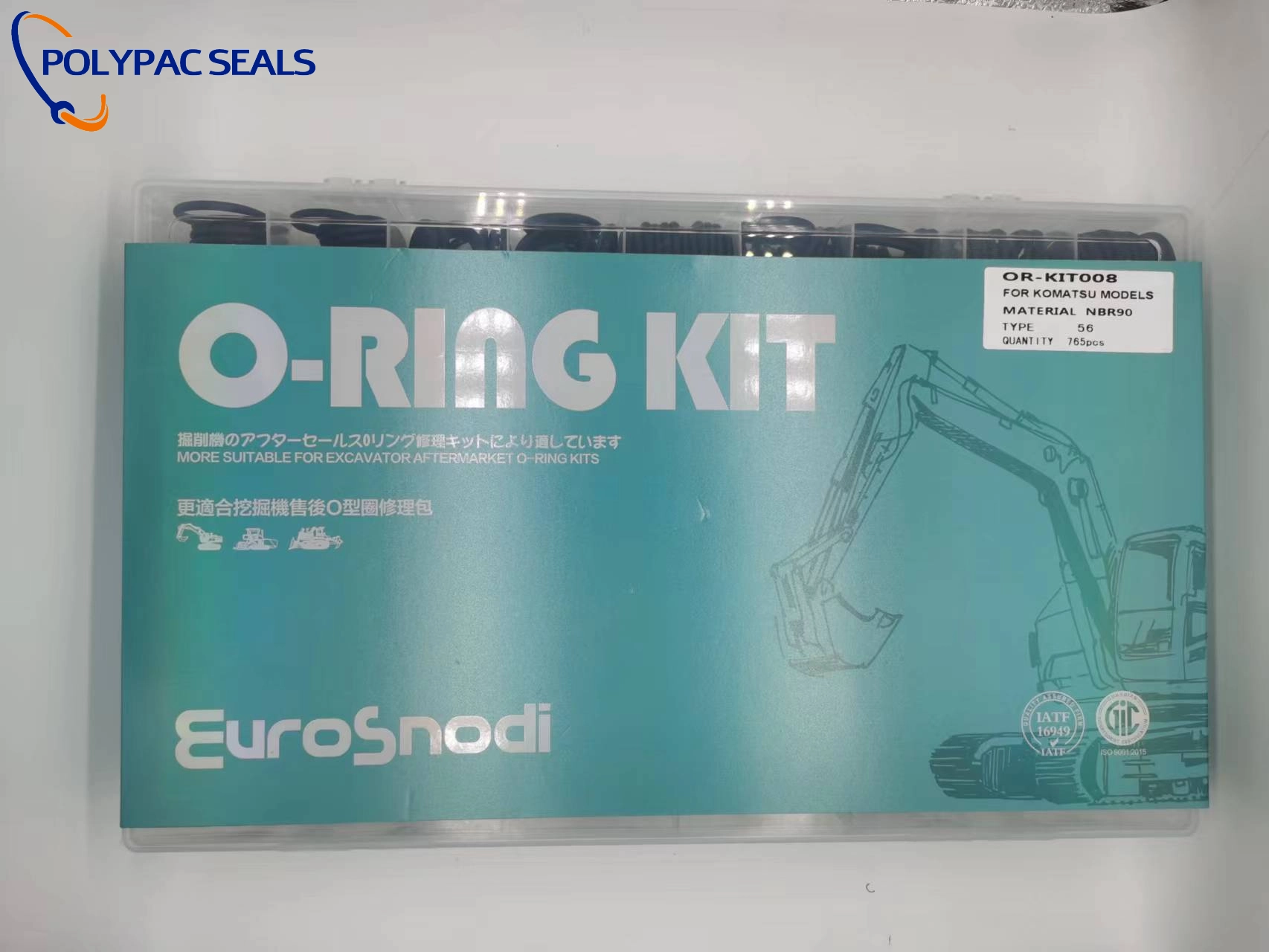
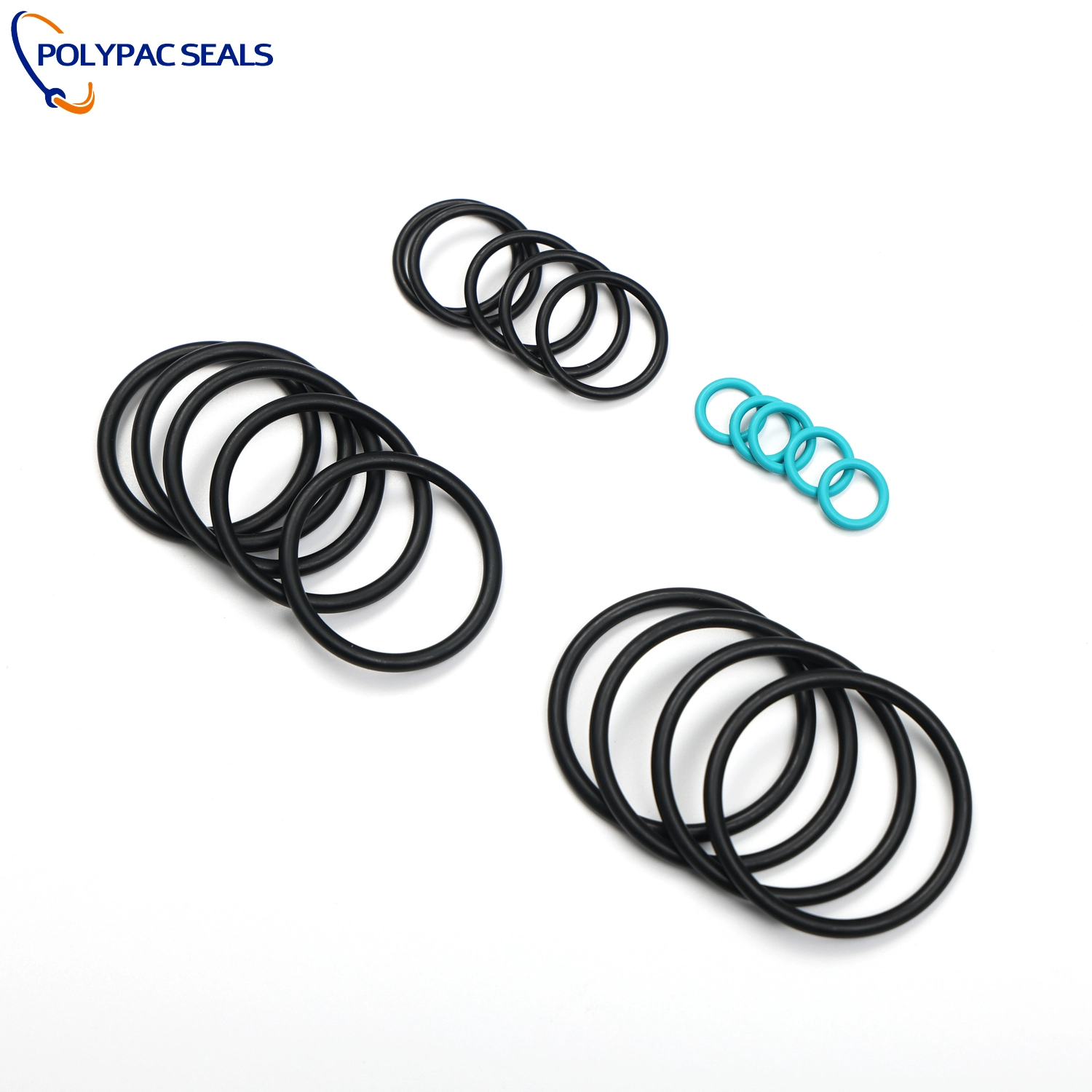
Polypac Seals brings decades of experience, from our founding in 2008 to our current status as a leading manufacturer with over 10,000 square meters of production space. We specialize in developing customized sealing solutions, including advanced filled PTFE and high-performance O-rings, ensuring your machinery withstands the toughest conditions.
Contact Polypac Industrial Technology today to discuss your specific needs and identify the perfect scraper seal material for your operating environment.


Products
What is the difference between NBR and FKM materials?
When should I use a spring-energized seal instead of a standard elastomeric seal?
Why did my O-ring fail prematurely?
How can I prevent seal damage during installation?
Can I reuse a seal?
Stay Updated with Industry Insights
Subscribe to our articles and receive the latest news, expert guidance, and technical updates directly in your E-mail.
Rest assured that your privacy is important to us, and all information provided will be handled with the utmost confidentiality.

Polypac is a trusted global supplier of high-performance sealing solutions, providing OEM & ODM services for industries worldwide.
E-mail:
sales2@dmsseals.com
Phone/WhatsApp:
© 2025 Polypac Seals. All Rights Reserved.
dms
DMS
DMS