












Stop the Leaks: How a Pro-Grade Hydraulic O-Ring Kit Saves You Thousands in Downtime
A single blown seal can bring a multi-million dollar operation to a grinding halt. In the high-stakes world of heavy machinery, the difference between a minor maintenance pause and a catastrophic production loss often fits in the palm of your hand: a hydraulic O-ring kit. Yet, not all kits are created equal.
While generic "plumbing-grade" assortments flood the market, industrial professionals know that high-pressure hydraulic seals require specific materials and hardness ratings to survive. This guide explores why upgrading to a pro-grade kit is the highest ROI investment your maintenance department will make this year.
What is a hydraulic O-ring kit, and why is it critical?
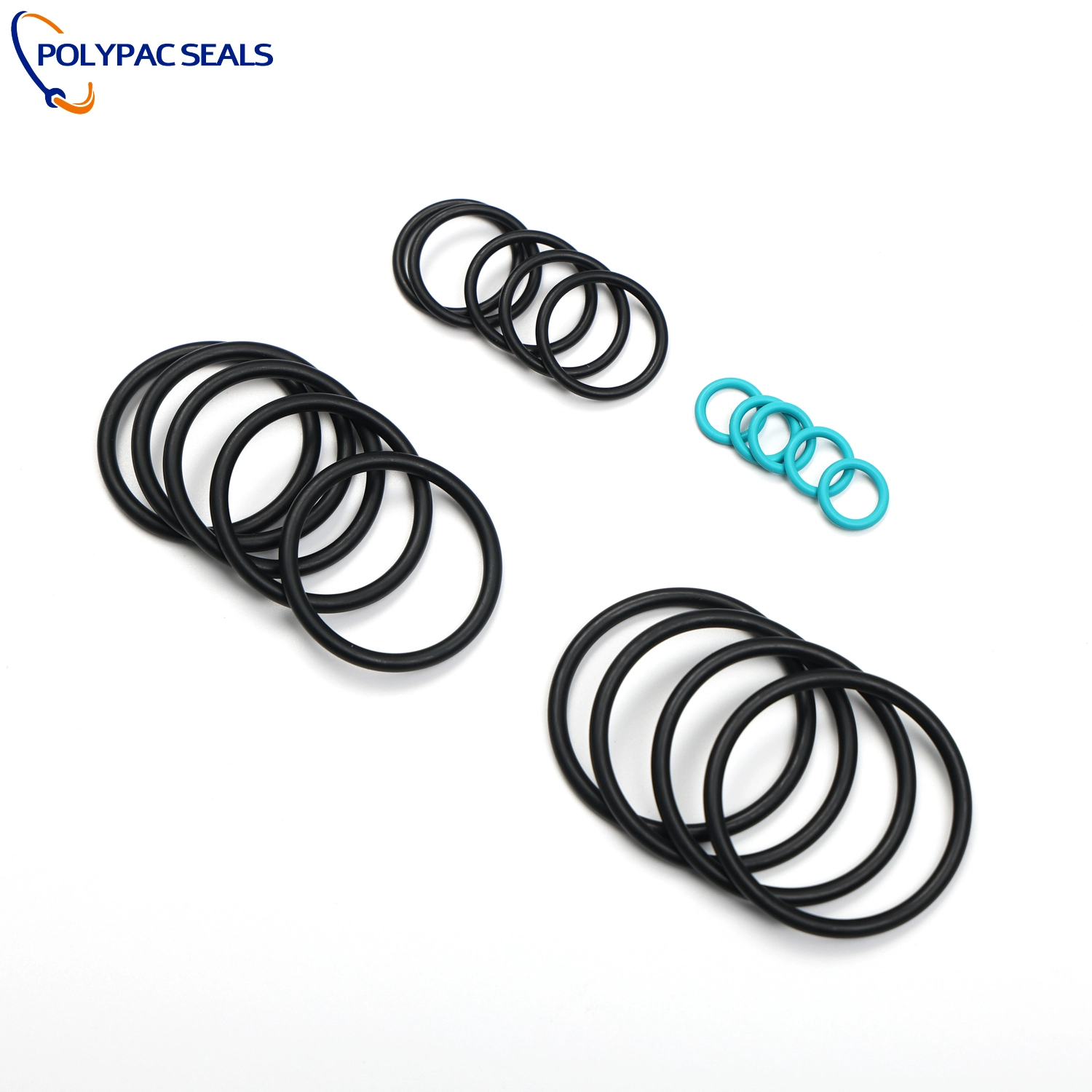
A professional hydraulic O-ring kit is a comprehensive, organized assortment of seals—categorized by standard sizes (AS568, Metric, or JIS) and materials—designed specifically for immediate emergency repair and high-pressure maintenance.
Beyond a simple box of rubber rings, these kits act as a strategic insurance policy for your equipment. They bridge the critical gap between a seal failure and a fully operational system, eliminating the need to wait days for a vendor to ship a single $0.50 part.
The Strategic Value of On-Site Inventory
- Immediate Response: Fix leaks within minutes of discovery rather than days.
- Standardization: Kits adhere to AS568 (USA) or metric (global) sizing to ensure a perfect fit.
- Material Readiness: Access to 90 durometer O-ring assortment options that can withstand 3,000+ PSI, unlike standard hardware store rings.
The Hidden Cost of Leaks: Calculating Downtime
The true cost of a hydraulic leak is not the fluid lost but the "Reaction Gap"—the billable time wasted between identifying the leak and installing the replacement seal.
For many industries, this cost is staggering. It is not uncommon for a simple O-ring failure to ground an excavator or halt a manufacturing line, causing financial hemorrhaging that far exceeds the cost of a repair kit.
The Economics of Preparedness
According to a report by ABB, unplanned downtime in industrial sectors can cost anywhere from $10,000 to over $500,000 per hour depending on the scale of operations. Relying on local hardware stores for specialized hydraulic fittings (like Boss or Flange seals) is a gamble that modern operations cannot afford.
Real-World Impact:
- Machine Idling: An excavator sitting idle costs approx. $150-$300/hour in lost billing.
- Crew Wages: You still pay the operator while the machine is down.
- Expedited Shipping: Emergency courier fees for a single seal often cost more than a full kit.
Anatomy of a Pro-Grade Kit: What's Inside?
A pro-grade kit is defined by its material quality and hardness rating, specifically featuring 90 durometer NBR or Viton seals capable of resisting extrusion under high pressure.
Standard plumbing kits typically contain 70 durometer rings, which are soft and flexible. In a hydraulic cylinder, these soft rings will extrude (squeeze) into the clearance gap, leading to immediate blowout. A professional emergency hydraulic repair kit includes:
1. Material Selection: NBR vs Viton O-Rings
- NBR (Nitrile/Buna-N): The industry workhorse. Excellent resistance to petroleum-based hydraulic fluids. Pro-grade kits use "high-grade" NBR with strict quality controls.
- Viton (FKM): The premium choice. Offers superior resistance to high temperatures (up to 400°F) and aggressive chemicals (biodiesel, synthetic fluids).
2. Durometer (Hardness) Ratings
- 70 Durometer: Standard hardness. Good for static, low-pressure seals (< 1,500 PSI).
- 90 Durometer: High-pressure hydraulic seals are standard. Hard and resistant to extrusion. Essential for dynamic applications or pressures > 2,000 PSI.
3. Backup Rings & Tools
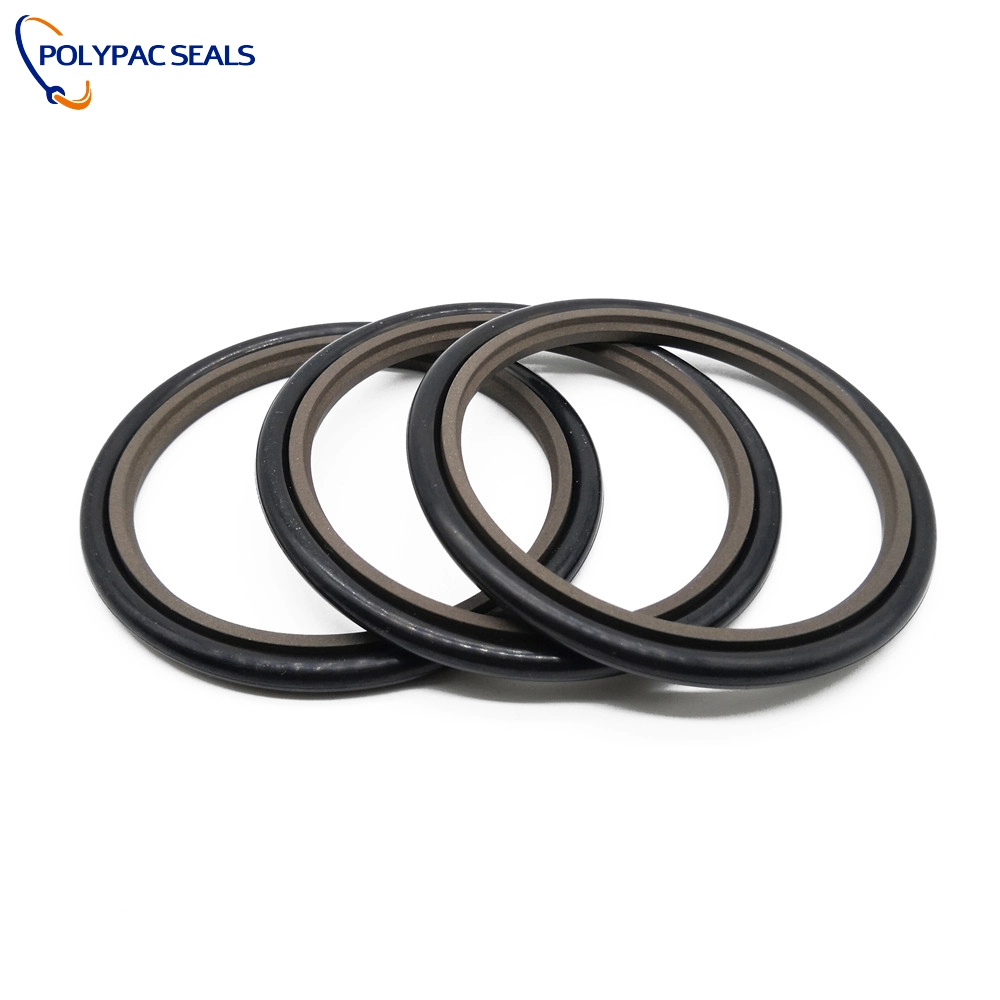
Top-tier kits often include PTFE backup rings (to further prevent extrusion) and sizing cones or charts to rapidly identify the correct dash number.
Gap Analysis: Universal vs. OEM-Specific Kits
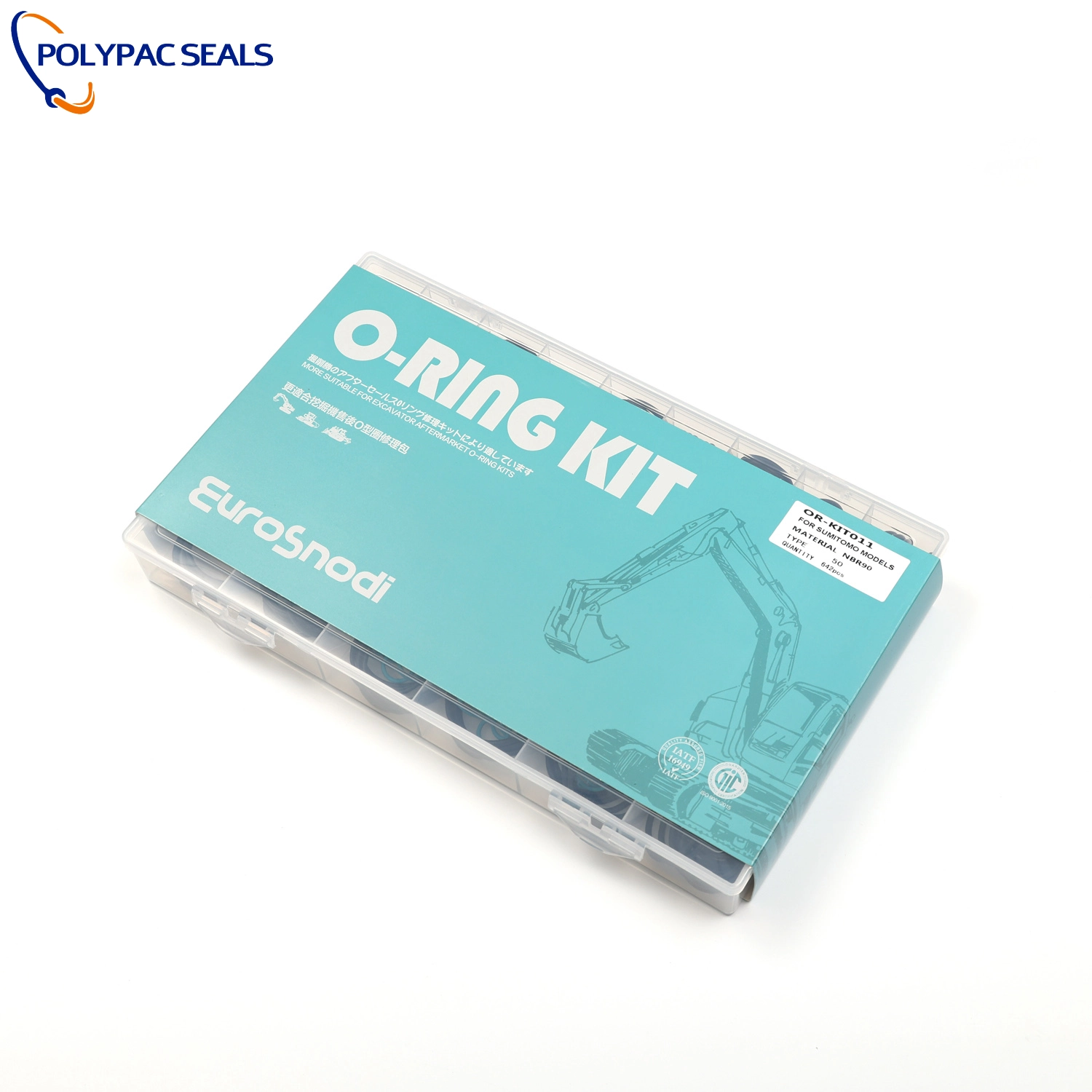
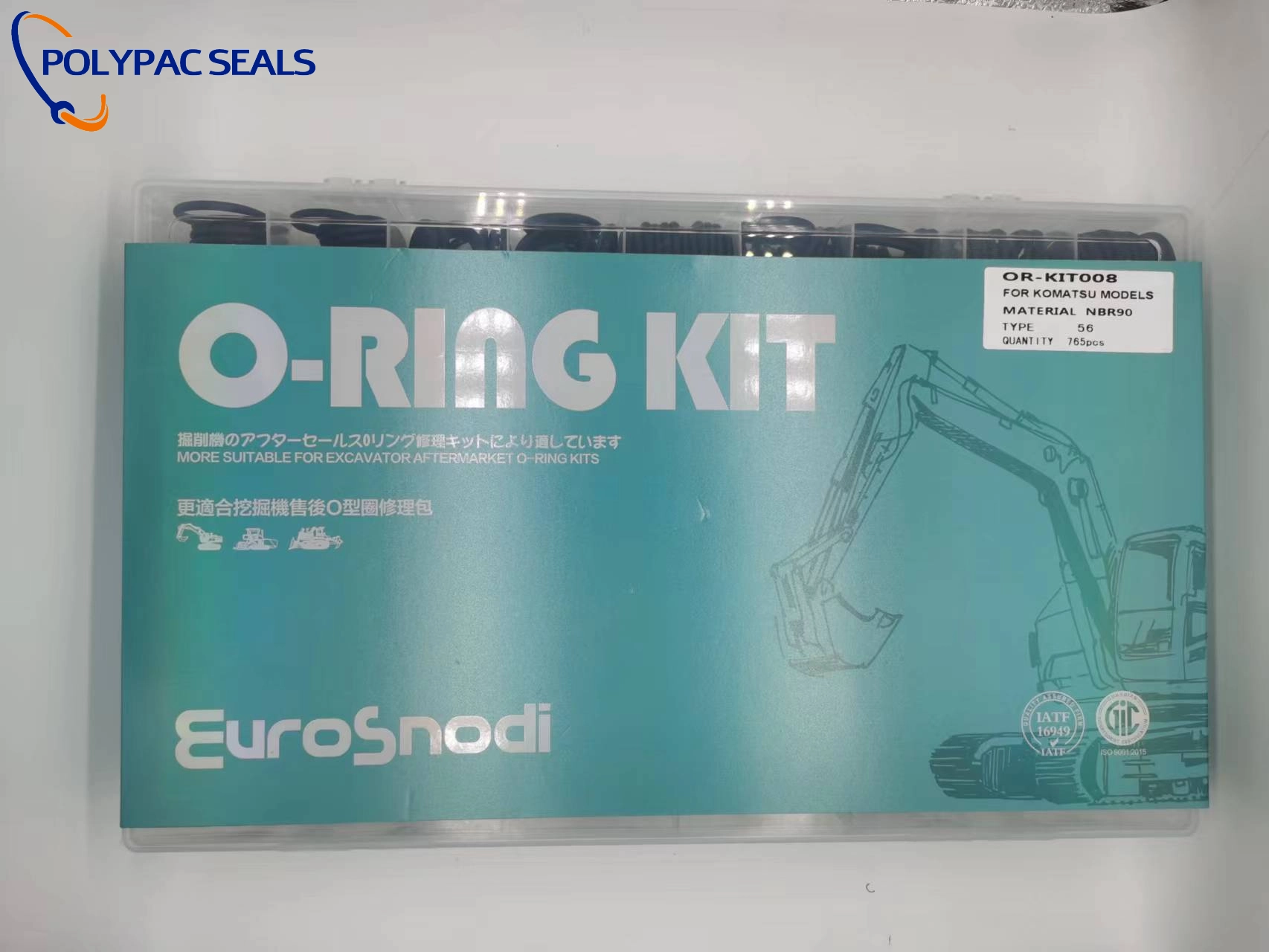
Universal kits provide a broad range of standard sizes for general repairs, whereas OEM-specific kits are engineered with exact molded tolerances for specific machinery brands like Caterpillar or Komatsu.
At Polypac Industrial Technology, we understand that precision is non-negotiable. With a factory covering over 10,000 square meters and advanced production capabilities, we see the difference between generic splicing kits and molded precision daily.
The Shelf-Life Factor
One often overlooked aspect of O-ring kits is shelf life. Rubber degrades over time if not stored correctly.
- NBR (Nitrile): Generally has a shelf life of 15 years.
- Viton (FKM): Theoretically unlimited shelf life if stored properly.
According to SAE International standard ARP5316, proper storage conditions (away from UV light and ozone) are critical for maintaining the structural integrity of elastomeric seals. A pro-grade kit will often include cure dates or batch numbers to ensure you aren't installing expired rubber.
Expert Tips for Rapid Identification and Installation
Proper installation involves accurate sizing using the "Cone Test" and ensuring the seal is lubricated to prevent micro-tears during assembly.
Even the best hydraulic O-ring kit fails if the seal is damaged during installation. Follow these steps to ensure a leak-free repair:
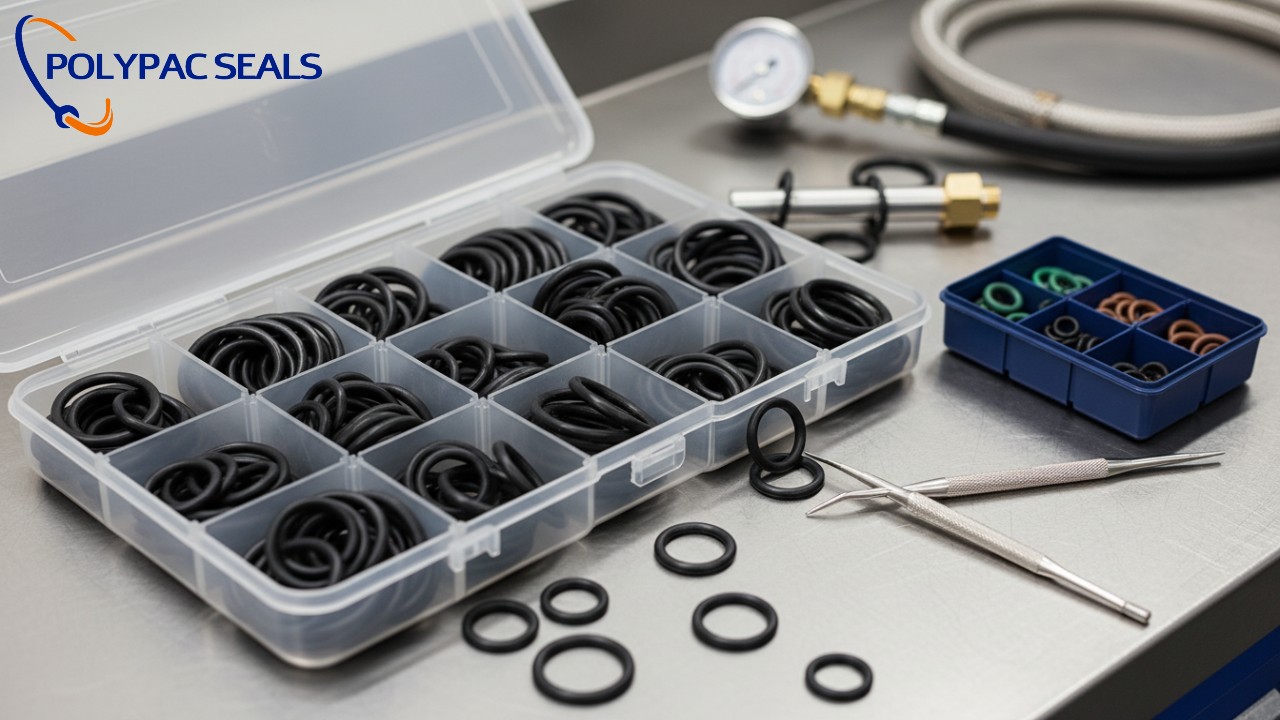
1. Identify Correctly
- Visual Check: Do not guess. An A-214 looks very similar to an A-215 but will leak under pressure.
- Cone Test: Drop the O-ring onto a sizing cone to instantly read the dash number.
- Metric vs. Imperial: Metric rings usually have a slightly different cross-section thickness (e.g., 2.0 mm vs. 1.78 mm). Use a caliper.
2. Clean and Lubricate
- Surface Prep: Clean the groove. Even a single grain of sand can cause a leak path.
- Lubrication: Never install a dry O-ring. Coat the new seal in the system fluid (hydraulic oil) or a compatible grease before installation. This helps it slide over threads without tearing.
3. Installation Technique
- Use Pick Tools Carefully: Use brass or plastic picks, not steel, to remove old seals. Scratching the metal groove will cause a permanent leak path that no O-ring can fix.
- Roll, Don't Twist: When placing the O-ring, ensure it doesn't twist in the groove. A twisted O-ring fails prematurely due to spiral failure.
Conclusion
The math is simple: The cost of a pro-grade hydraulic O-ring kit is negligible compared to the risk of a single hour of downtime. By equipping your maintenance team with high-quality, 90-durometer O-ring assortments in both NBR and Viton, you are not just buying parts—you are buying operational resilience.
Don't wait for the next blowout to realize your inventory is empty.
Contact Polypac today to discuss your specific needs and secure the high-performance sealing solutions your machinery deserves.


Products
Why did my O-ring fail prematurely?
How important is surface finish on the metal parts that contact the seal?
When should I use a spring-energized seal instead of a standard elastomeric seal?
What is the difference between NBR and FKM materials?
Can I reuse a seal?
Stay Updated with Industry Insights
Subscribe to our articles and receive the latest news, expert guidance, and technical updates directly in your E-mail.
Rest assured that your privacy is important to us, and all information provided will be handled with the utmost confidentiality.
Polypac is a trusted global supplier of high-performance sealing solutions, providing OEM & ODM services for industries worldwide.
E-mail:
Phone/WhatsApp:
© 2025 Polypac Seals. All Rights Reserved.
dms
DMS
DMS