












The Ultimate Guide to Hydraulic Piston Seals: Enhancing System Performance and Longevity
Hydraulic piston seals are the unseen guardians of industrial machinery, essential for maintaining pressure and preventing fluid bypass. This comprehensive guide explores the critical role of these seals, detailing the differences between single-acting and double-acting profiles. We analyze top materials like polyurethane and PTFE, citing 2026 market trends and failure statistics. Learn how to select the right seal using ISO standards to maximize system longevity and ROI while minimizing costly downtime.
Introduction: The Unsung Heroes of Hydraulic Systems
In the world of fluid power, hydraulic piston seals are the critical line of defense against system inefficiency and catastrophic failure. While often overlooked due to their small size and relatively low cost, these components bear the massive responsibility of containing pressurized fluid within a cylinder, directly translating fluid power into linear motion. According to recent industry analysis by SkyQuest, the global hydraulic seals market was valued at approximately USD 4.8 billion in 2024, a figure that underscores the immense scale and reliance placed on these components across construction, automotive, and manufacturing sectors.
The stakes for proper sealing are high. Data from Machinery Lubrication indicates that a single hydraulic leak of just one drop per second equates to a loss of 420 gallons of oil annually. Beyond the direct cost of fluid, seal failure leads to pressure drops, environmental hazards, and unscheduled downtime. This guide provides a deep dive into hydraulic piston seals—covering types, materials, and selection criteria—to help you enhance system reliability and secure your operational ROI.
What Are Hydraulic Piston Seals and How Do They Work?
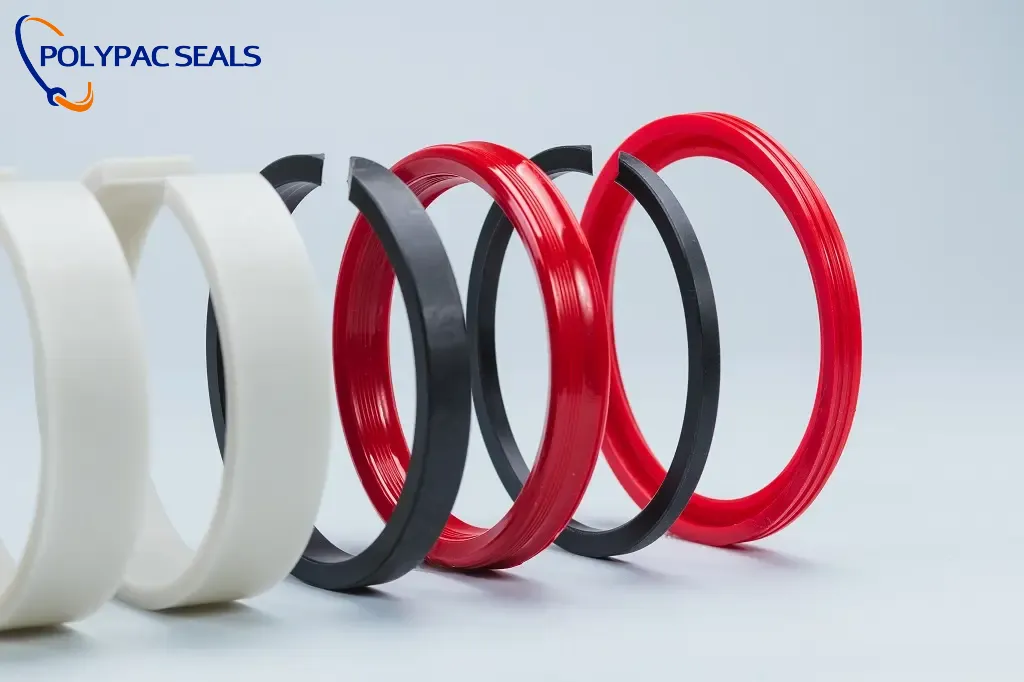
Hydraulic piston seals are dynamic seals installed on the piston head within a hydraulic cylinder. Their primary function is to create a pressure-tight barrier between the piston and the cylinder bore. By sealing this gap, they ensure that hydraulic fluid does not bypass the piston, forcing the fluid pressure to build up on one side and drive the piston’s movement.
The Operational Mechanism
Unlike static seals (like O-rings in a flange), piston seals operate in a dynamic environment where they must maintain contact with the cylinder bore while sliding at varying speeds and pressures. They rely on radial interference—a designed "squeeze" between the seal lip and the bore wall—to create an initial seal. As system pressure increases, it energizes the seal, pushing it firmer against the bore and the groove walls. This automatic adjustment allows the seal to handle pressure spikes effectively, provided the material and profile are correct for the application.
Decoding Hydraulic Piston Seal Types and Profiles
Piston seals are generally categorized by the direction of pressure they are designed to handle. Selecting the wrong category is a common cause of immediate system failure.
Single-Acting Hydraulic Piston Seals
Single-acting seals are designed to contain pressure from one direction only. They are typically used in cylinders where the return stroke is powered by gravity or a spring.
- Design: These seals often feature an asymmetrical profile with a thicker dynamic lip to withstand movement and a thinner static lip.
- Application: Common in vertical rams or simple lifting devices. The non-pressurized side often allows for a slight film of lubricating fluid to pass, which is retracted on the return stroke.
Double-Acting Hydraulic Piston Seals
Double-acting seals must handle pressure from both sides of the piston, driving the cylinder in both extension and retraction strokes.
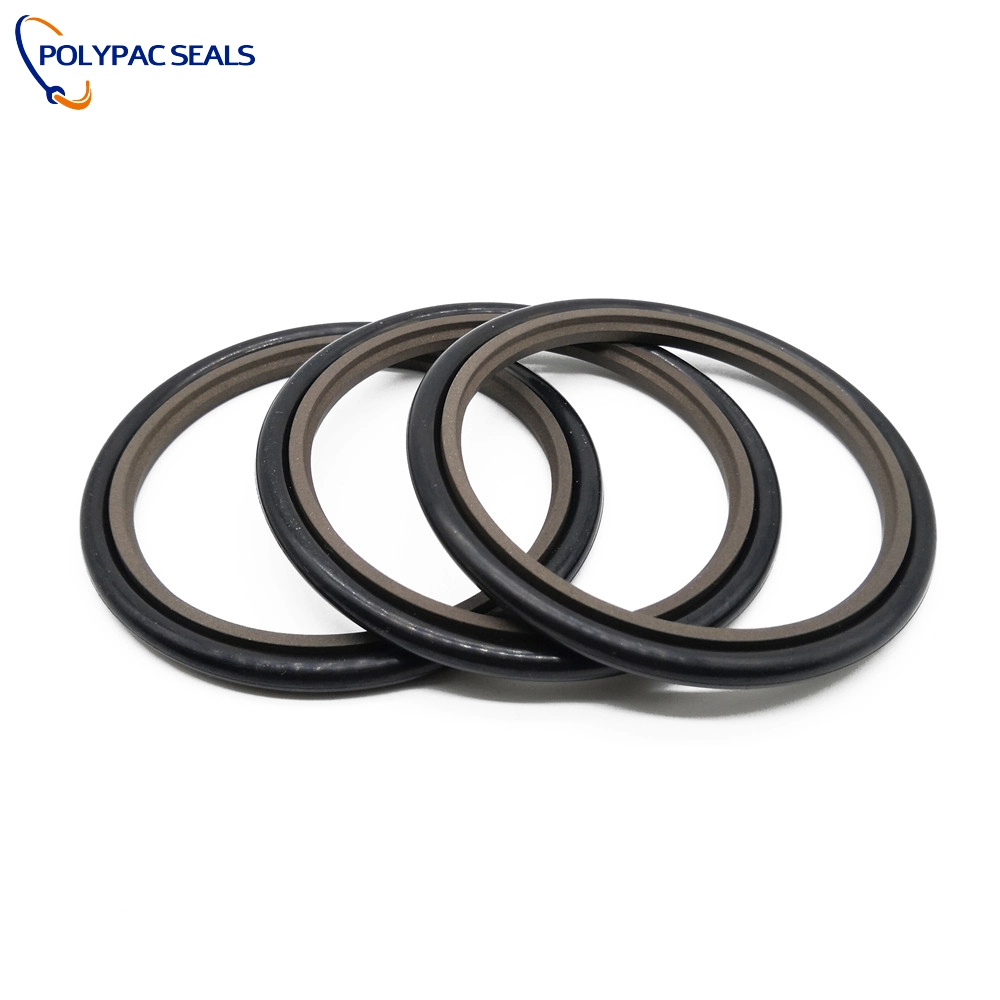
- Design: These are usually symmetrical profiles. A popular configuration involves a slide ring (often PTFE) energized by an elastomeric O-ring (energizer). This combination offers low friction and high sealing efficiency.
- Benefits: They enable precise control of the cylinder in both directions, making them the standard for excavators, injection molding machines, and aerospace actuators.
Common Piston Seal Profiles
- U-Cups: The industry workhorse, U-cups have a U-shaped profile that energizes under pressure. They are versatile and available in various materials.
- Chevron (V-Packings): Multi-lip seals used in heavy-duty applications. They are adjustable and extremely robust against contamination.
- Compact Seals: Designed for ISO standard grooves where space is limited, often combining a sealing element with anti-extrusion rings.
Materials Matter: Choosing the Right Compound
Material selection is the single most critical factor in seal performance. The choice depends on the fluid type, temperature, and pressure. According to Parjet, understanding the trade-offs between friction and durability is key.

Elastomers
- Nitrile Rubber (NBR): The standard for general-purpose hydraulics using mineral oils. It functions well between -40°C and +100°C but can suffer from high friction and wear in high-speed applications.
- Fluoroelastomers (FKM/Viton): Essential for high-temperature applications (up to 200°C) and aggressive fluids, though they offer less abrasion resistance than polyurethanes.
- Polyurethane (TPU/PU): The "gold standard" for high-pressure, abrasive environments. Modern polyurethanes offer superior tensile strength and wear resistance compared to rubber, making them ideal for earthmoving equipment.
Thermoplastics
- PTFE (Polytetrafluoroethylene): Known for an exceptionally low coefficient of friction and chemical inertness. PTFE seals can handle extreme temperatures (-200°C to +260°C). However, pure PTFE is prone to "creep" or cold flow, so it is often filled with bronze or glass fibers and energized by an O-ring.
- Polyamide (Nylon): Frequently used for back-up rings and guide rings due to its high compressive strength and extrusion resistance.
Critical Factors for Selecting Optimal Hydraulic Piston Seals
To prevent premature failure, engineers must evaluate the "STAMPS" criteria: Size, Temperature, Application, Media, Pressure, and Speed.
Operating Pressure & Extrusion
Modern hydraulic systems often operate at pressures exceeding 400 bar (5800 psi). At these levels, the seal material can be forced into the gap between the piston and the bore—a failure mode known as extrusion. To prevent this, anti-extrusion rings (back-up rings) made from harder materials like Acetal or Nylon are essential. Standards such as ISO 7425-1:2021 provide precise dimensions for piston seal housings to ensure the gap is minimized.
Temperature Range
Extreme cold makes elastomers brittle, leading to cracking, while extreme heat causes them to soften or degrade chemically. For mobile hydraulics in freezing climates, special low-temp PU or NBR grades are required. Conversely, steel mills requiring fire-resistant fluids often necessitate FKM seals.
Fluid Compatibility
Not all seals work with all fluids. For example, standard Polyurethane may degrade rapidly in water-glycol fire-resistant fluids (HFC). Always cross-reference the seal material with the fluid manufacturer’s compatibility charts.
Speed and Friction
High-speed applications generate frictional heat, which can cook the seal lip. PTFE seals are preferred here due to their low stick-slip properties. Conversely, slow, heavy-load applications benefit from the toughness of Polyurethane.
Installation, Maintenance, and Troubleshooting
Even the best seal will fail if installed incorrectly. A surprising number of failures occur before the machine even starts.
Proper Installation Techniques
- Cleanliness: Ensure the groove and bore are surgical-clean. Contamination is the leading cause of hydraulic failure, responsible for 80-90% of issues according to YorkPMH.
- Tools: Use proper installation cones and expansion tools. Never use sharp screwdrivers that can nick the seal lip.
- Orientation: For single-acting seals, the open side of the "U" must face the pressure. Installing it backward is a common rookie mistake.
Signs of Piston Seal Failure
- Internal Bypass (Drift): If a cylinder cannot hold a load or slowly creeps down, fluid is likely leaking past the piston seal.
- Loss of Power: As fluid bypasses the seal, the system loses the ability to build maximum pressure.
- Overheating: Excessive friction from a swollen or incorrect seal generates heat, which can be detected at the cylinder body.
Common Causes of Failure
- Extrusion: The seal looks "nibbled" on the low-pressure side.
- Heat Degradation: The seal is hard, brittle, or cracked.
- Diesel Effect: Air bubbles in the fluid are compressed rapidly, detonating and burning the seal material.
The Unseen Impact: How Superior Seals Drive ROI
Investing in high-quality piston seals is a low-cost strategy with high-yield returns.
- Enhanced Efficiency: A tight seal ensures that 100% of the pump's energy is converted into work, reducing energy consumption.
- Extended Equipment Lifespan: Seals often act as the "fuse" of the system. A good seal prevents metal-to-metal contact between the piston and bore. By preventing contaminants from embedding in the slide rings, you protect the expensive cylinder barrel.
- Reduced Downtime: The cost of the seal is negligible compared to the cost of dismantling a cylinder. As noted by Machinery Lubrication, eliminating leaks can save industrial plants millions in fluid costs and maintenance labor annually.
Conclusion: Investing in Reliability
Hydraulic piston seals are the gatekeepers of power in your machinery. Their failure results in not just a leak, but a loss of production, safety hazards, and profit. By understanding the nuances of single vs. double-acting profiles, selecting materials like PTFE or Polyurethane based on data, and adhering to installation standards like ISO 7425, you can ensure your hydraulic systems run cleaner, longer, and more efficiently. Prioritize quality sealing solutions to transform your maintenance strategy from reactive repairs to proactive reliability.
FAQ
What is the primary function of a hydraulic piston seal?
The primary function is to prevent hydraulic fluid from bypassing the piston head. This ensures that the hydraulic pressure builds up effectively to extend or retract the cylinder, rather than simply flowing around the piston.
What are the main types of hydraulic piston seals?
The two main categories are Single-Acting seals, which hold pressure from one direction, and Double-Acting seals, which seal pressure from both sides (extension and retraction).
What materials are commonly used for hydraulic piston seals?
The most common materials are Polyurethane (PU) for high abrasion resistance, Nitrile Rubber (NBR) for general use, PTFE for low friction and high heat, and Fluoroelastomers (FKM) for chemical resistance.
How do I choose the right hydraulic piston seal for my application?
You must evaluate the operating pressure, temperature range, fluid type, and piston speed. Also, check the groove dimensions against standards like ISO 7425 to ensure a proper fit.
What are the signs of a failing hydraulic piston seal?
Symptoms include cylinder "drift" (unable to hold a load), reduced operating speed, loss of power, and excessive heat generation near the cylinder barrel.
Can hydraulic piston seals be used in pneumatic systems?
Generally, no. Pneumatic seals require lower friction and different lubrication properties. While some profiles look similar, the materials and lip designs are optimized for air vs. oil.
What is the difference between static and dynamic hydraulic seals?
Static seals (like cover O-rings) seal parts that do not move relative to each other. Dynamic seals (like piston seals) must seal against a surface that is moving, requiring them to handle friction and wear.
Why is extrusion resistance important for piston seals?
At high pressures, soft seal material can be squeezed into the clearance gap between the piston and cylinder wall. If this happens, the seal will be nibbled away, leading to rapid failure. Anti-extrusion rings prevent this.


Products
How can I prevent seal damage during installation?
How do I choose the right material for my sealing application?
Why did my O-ring fail prematurely?
What is the purpose of the metal spring in a rotary shaft seal?
What is the difference between a static seal and a dynamic seal?
Stay Updated with Industry Insights
Subscribe to our articles and receive the latest news, expert guidance, and technical updates directly in your E-mail.
Rest assured that your privacy is important to us, and all information provided will be handled with the utmost confidentiality.
Polypac is a trusted global supplier of high-performance sealing solutions, providing OEM & ODM services for industries worldwide.
E-mail:
Phone/WhatsApp:
© 2025 Polypac Seals. All Rights Reserved.
dms
DMS
DMS