











Choosing Hydraulic Rod Seals: High-Pressure vs. Low-Friction Profiles
What Are Hydraulic Rod Seals?
Hydraulic cylinder rod seals are critical dynamic components installed within the cylinder head that prevent pressurized fluid from leaking. Acting as the primary barrier against external contamination, they regulate the lubricating fluid film on the retracting rod to ensure optimal performance.
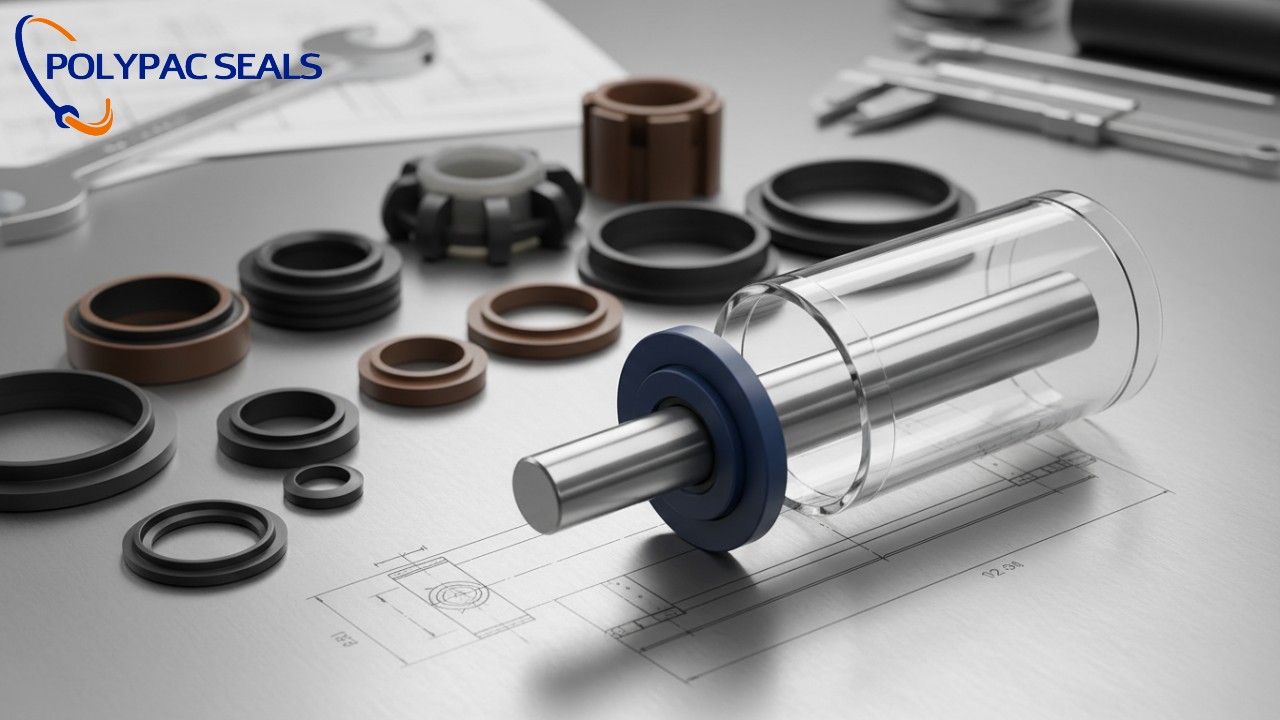
According to Wikipedia, hydraulic seals are vital in machinery because they provide a highly efficient way for fluid power to be converted to linear motion. Because the rod seal is exposed to the external environment, it must withstand intense mechanical stress while keeping dirt, moisture, and debris out of the internal fluid system.
Key functions of rod seals include:
- Fluid Retention: Preventing hydraulic oil from escaping during rod extension and retraction under varying loads.
- Lubrication Management: Maintaining a microscopic fluid film to minimize friction, heat, and component wear.
- Contamination Exclusion: Working in tandem with wiper seals to block environmental debris and extend cylinder life.
Key Takeaways: High-Pressure vs. Low-Friction Sealing
High-pressure seals prioritize extrusion resistance and robust geometries to handle severe fluid power spikes, whereas low-friction profiles minimize heat generation in high-speed applications. Choosing between them depends on analyzing system pressure, cycle speed, surface finish, and operating temperature.
When specifying a sealing system, engineers must carefully balance several conflicting requirements. High-pressure environments demand stiff, highly durable materials that can bridge extrusion gaps without deforming under extreme loads. Conversely, low-friction applications require softer, more compliant materials that glide smoothly over the rod surface with minimal resistance.
- High-Pressure Focus: Utilizing robust U-cups, specialized elastomeric blends, and anti-extrusion rings for heavy loads.
- Low-Friction Focus: Deploying custom PTFE blends to prevent stick-slip in precision robotics and high-speed servos.
- Hybrid Approach: Implementing tandem sealing arrangements to achieve a perfectly balanced operational performance.
Understanding High-Pressure Rod Seal Profiles
High-pressure rod seal profiles are robust, asymmetrical lip designs engineered specifically to withstand heavy duty cycles, intense pressure spikes, and massive extrusion forces. These seals are essential for maintaining load-holding capabilities in heavy mobile equipment and industrial presses.
In fluid power systems, extreme pressure can force standard elastomers into the microscopic clearances between the rod and the cylinder head—a catastrophic failure mode known as extrusion. To combat this, high-pressure profiles are typically manufactured from exceptionally tough polyurethanes (PU) or Nitrile butadiene rubber (NBR) that possess high tensile strength and tear resistance. As system pressure increases, the seal lip is energized, pressing harder against the rod to maintain an impenetrable barrier.
Features of high-pressure profiles include:
- Asymmetrical Geometry: Designed so the dynamic lip seals tightly against the rod while the static lip stabilizes firmly within the gland groove.
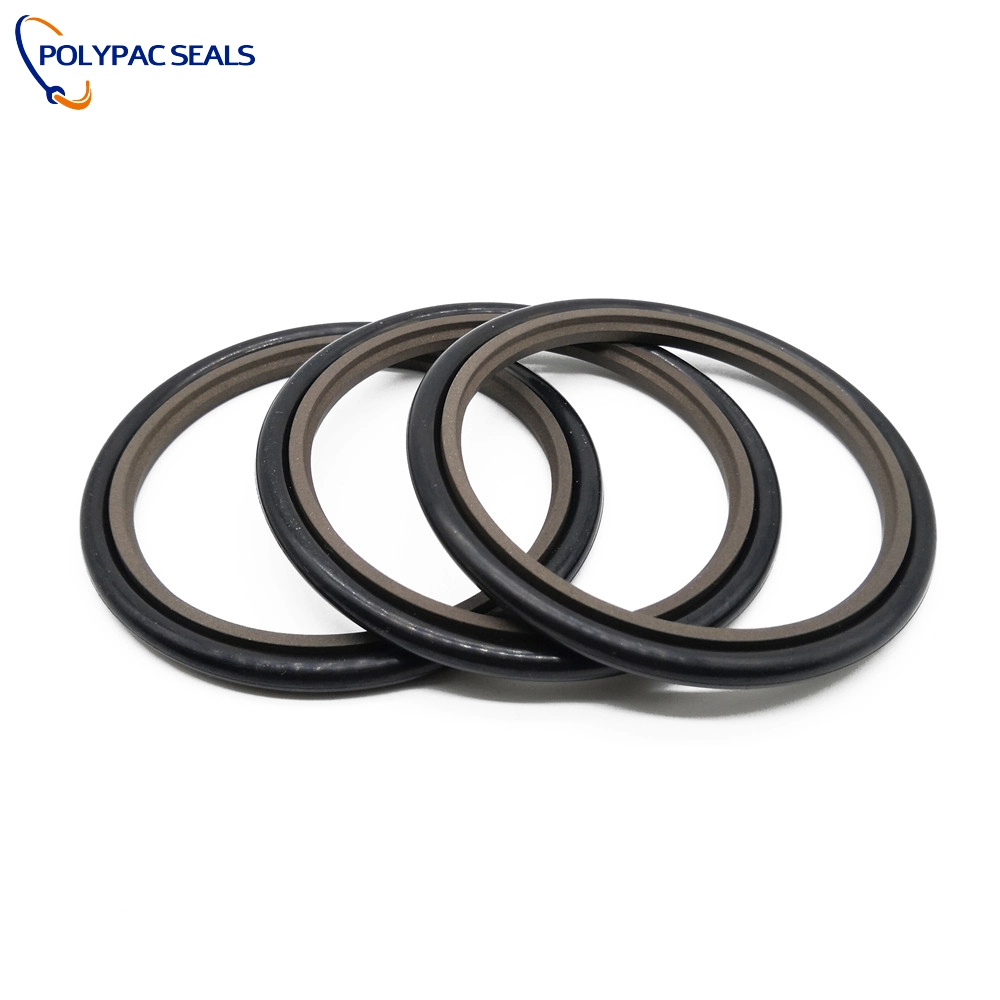
- Back-Up Rings: Rigid thermoplastic or metallic rings that prevent the primary seal material from extruding under heavy loads.
- Shock Absorption: Built to comfortably handle sudden fluid power surges and spikes common in excavators, mining machinery, and heavy lifting equipment.
Understanding Low-Friction Rod Seal Profiles
PTFE low friction seals are specialized profiles designed to eliminate stick-slip chatter and significantly reduce energy loss in high-speed or low-pressure systems. They precisely manage fluid film thickness, ensuring adequate lubrication without visible leakage in precision servo-hydraulics.
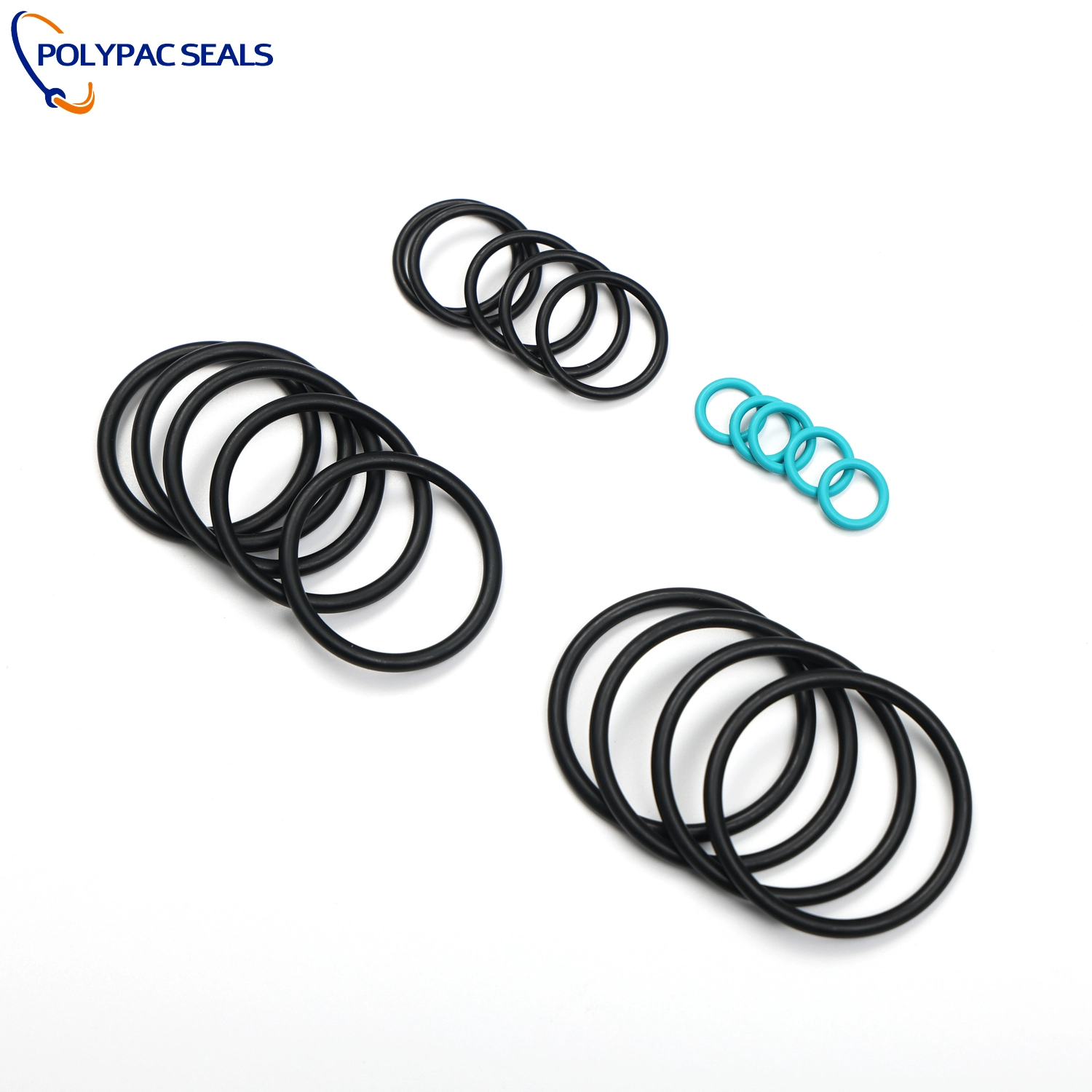
As noted by Wikipedia, PTFE possesses one of the lowest coefficients of friction of any solid, typically ranging between 0.05 and 0.10. This unique chemical property makes PTFE the premier choice for applications where smooth, continuous motion is absolutely critical. Because pure PTFE lacks natural elasticity, these seals are usually paired with an elastomeric energizer, such as a high-quality O-ring, to maintain constant sealing contact with the retracting rod.
Benefits of low-friction profiles include:
- Zero Stick-Slip: Ensures buttery-smooth operation even at micro-speeds or during rapid directional changes.
- Thermal Efficiency: Generates significantly less frictional heat, extending the life of the surrounding hydraulic fluid and internal components.
- High-Speed Capability: Ideal for automated robotics, precision injection molding machines, and high-frequency cyclical equipment.
The Solution: Tandem Sealing and Buffer Seals
Tandem sealing arrangements are dual-component systems where a secondary seal absorbs extreme pressure spikes to protect the primary rod seal. This synergistic setup combines high-pressure resilience with low friction, maximizing service life and optimizing mechanical efficiency in demanding applications.
When an application demands the impossible—both extreme pressure holding and ultra-low friction—engineers turn to tandem systems as the ultimate industry standard. In this configuration, high pressure buffer seals are installed inboard, closer to the active fluid. The buffer seal takes the absolute brunt of the hydraulic force, effectively breaking down massive pressure spikes into highly manageable, normalized loads.
The outboard primary seal, which is often a specialized low-friction PTFE profile, is then totally free to handle these normalized pressures while efficiently wiping the rod clean of residual fluid.
Advantages of tandem systems include:
- Extended Service Life: The primary rod seal is physically shielded from damaging pressure surges and thermal spikes.
- Reduced Leakage: The buffer seal manages main fluid bypass, leaving the primary seal to handle fine film regulation and external wiping.
- Unmatched Versatility: Seamlessly combines the rugged best attributes of both polyurethane elastomers and advanced PTFE materials.
Expert Tips and Common Mistakes in Seal Selection
Effective hydraulic seal material selection requires matching the seal's physical properties to the specific application's temperature, fluid compatibility, and cylinder surface finish. Ignoring these variables often leads to rapid wear, thermal degradation, or catastrophic extrusion failure under load.
One of the most common mistakes in cylinder design is completely neglecting the rod's surface finish parameters, specifically the Ra, Rmax, and Rz values. Whether you are designing entirely custom systems or simply replacing standard metric hydraulic rod seals, surface finish is a vital metric that dictates seal longevity. If a rod is too smooth (an extremely low Ra value), it will literally starve the seal of its vital lubricating fluid film, leading to dry running, excessive heat generation, and immediate friction. If it is too rough, the microscopic metal peaks act like sandpaper, rapidly wearing away the delicate seal lip.
Expert recommendations for optimal selection:
- Calculate Extrusion Gaps: Always determine the absolute maximum hardware clearance under full load, accounting for cylinder ballooning, to select the correct back-up ring geometry.
- Match Fluid Types: Ensure your chosen elastomer is chemically compatible with newer, eco-friendly, or fire-resistant hydraulic fluids to prevent dangerous swelling or shrinkage.
- Monitor Ambient Temperature: Avoid premature hardening or chemical degradation of polyurethane by keeping ambient and system temperatures strictly within the seal's specified operational limits.
Future Trends: Hydraulic Rod Seals in 2026 and Beyond
The future of hydraulic rod seals relies on integrating predictive maintenance sensors and adapting to specialized biodegradable hydraulic fluids. In 2026 and beyond, the electrification of mobile machinery will continually push the demand for ultra-low-friction, energy-saving seal profiles.
According to industry data from Lubrizol, stringent environmental specifications and global labeling schemes are rapidly driving the mass adoption of biodegradable hydraulic fluids. This massive shift forces seal manufacturers to continuously innovate, developing advanced FKM (Viton) and specialized polymer compounds that will absolutely not degrade when exposed to these new, highly active organic fluid bases.
Anticipated industry shifts include:
- Smart Cylinders: Deploying dynamic seals embedded with microscopic sensors to track physical wear and predict maintenance before catastrophic system failure occurs.
- Eco-Friendly Fluid Compatibility: Formulating state-of-the-art rubber blends specifically engineered to resist aggressive degradation from modern bio-based hydraulic oils.
- Machinery Electrification: Utilizing ultra-low-friction PTFE seals to drastically minimize energy draw, thereby significantly extending battery life in modern electrified hydraulic equipment.
Industry-Leading Solutions for Custom Sealing Profiles
Custom sealing profiles engineered by Polypac provide tailored geometric and material solutions that outlast standard off-the-shelf options in extreme operational environments. By analyzing specific fluid dynamics and thermal loads, customized seals ensure peak reliability for specialized industrial applications.
Standard off-the-shelf seals very often fall severely short when subjected to highly specialized or extreme working conditions. Founded in 2008, Polypac Industrial Technology Co.,Ltd has been at the very forefront of sealing material development and technological production. Operating out of a massive 10,000-square-meter facility with 8,000 square meters of dedicated factory space, our internal production utilizes some of the most highly advanced testing equipment in the entire global industry.
By leveraging deep, long-term academic partnerships with leading universities and decades of hands-on technical experience, we manufacture everything from proprietary filled PTFE blends—including bronze, carbon, graphite, MoS₂, and glass-filled PTFE—to resilient FKM, silicone, EPDM, FFKM, and NBR profiles. Whether you need a standard O-ring, a custom-engineered high-pressure buffer seal, or a comprehensive tandem arrangement, our engineering team provides comprehensive testing and fast-track prototyping to deliver a perfectly customized, leak-free solution.
Frequently Asked Questions (FAQ)
What is the difference between a rod seal and a piston seal?
- A rod seal is firmly located in the cylinder gland and seals dynamically against the moving rod to prevent fluid from escaping the external cylinder.
- A piston seal is located internally on the piston head and seals against the cylinder bore to keep fluid from bypassing the piston, allowing pressure to build and mechanically move the load.
How do you reduce friction in hydraulic cylinders?
- Utilize highly specialized low-friction seal materials like PTFE (Teflon).
- Optimize the seal lip geometry to purposely allow a microscopic fluid film to properly lubricate the extending rod.
- Ensure the rod surface finish perfectly meets the seal manufacturer's specific Ra and Rz operational recommendations.
What is a buffer seal and when is it necessary?
- A buffer seal is a robust secondary seal logically placed inboard of the primary rod seal.
- It is absolutely necessary in heavy-duty applications to safely absorb massive pressure spikes, completely preventing the primary seal from extruding or failing prematurely under load.
At what pressure do standard hydraulic rod seals fail?
- Failure pressure depends heavily on the hardware extrusion gap and the specific material hardness.
- Standard polyurethane seals can typically handle pressures up to 400 bar (5,800 PSI) efficiently.
- Without proper back-up rings, pressure spikes surging beyond these strict limits will physically force the seal into the hardware clearance, causing total extrusion failure.
Which material is best for high-temperature hydraulic seals?
- FKM (Viton) and PTFE (Teflon) are widely considered the absolute best choices for extreme high-temperature applications.
- FKM operates highly effectively up to 200°C (390°F), while PTFE safely withstands even higher extremes and offers incredibly broad chemical compatibility.
How often should hydraulic rod seals be replaced?
- Replacement intervals continuously vary based on cycle frequency, operational pressure, and overall fluid cleanliness.
- Typically, seals are systematically replaced during scheduled preventative cylinder rebuilds or immediately if physical signs of weeping, rod scoring, or system pressure drops actively occur.
Can I use a low-friction PTFE seal in a high-pressure system?
- Yes, provided the seal is properly supported mechanically.
- In high-pressure systems, PTFE seals must be actively energized by a compliant elastomer (like an O-ring) and paired with extremely tight extrusion gaps or step-cut back-up rings to physically prevent material flow.
How does surface finish affect rod seal leakage?
- If a rod is far too rough, it physically acts like aggressive sandpaper and quickly wears the seal lip away.
- If a rod is far too smooth, it cannot properly retain the microscopic fluid film needed for vital lubrication, leading to devastating dry running, excessive friction, and eventual seal failure.
Conclusion & Call to Action
Choosing between a high-pressure and a low-friction hydraulic rod seal does not always mean sacrificing one operational benefit for the other. By fundamentally understanding the complex mechanics of seal geometries, unique material properties, and highly protective tandem buffer systems, design engineers can significantly enhance total cylinder reliability. Selecting the absolute precise profile ensures that your heavy machinery remains perfectly leak-free, highly energy-efficient, and safely protected against unexpected, costly downtime.
Contact Polypac today to discuss your specific needs.


Products
When should I use a spring-energized seal instead of a standard elastomeric seal?
What is the purpose of the metal spring in a rotary shaft seal?
How do I choose the right material for my sealing application?
Why did my O-ring fail prematurely?
What is the difference between a static seal and a dynamic seal?
Stay Updated with Industry Insights
Subscribe to our articles and receive the latest news, expert guidance, and technical updates directly in your E-mail.
Rest assured that your privacy is important to us, and all information provided will be handled with the utmost confidentiality.

Polypac is a trusted global supplier of high-performance sealing solutions, providing OEM & ODM services for industries worldwide.
E-mail:
sales2@dmsseals.com
Phone/WhatsApp:
© 2025 Polypac Seals. All Rights Reserved.
dms
DMS
DMS