












NBR (Nitrile): The Complete Guide to the Universal Sealing Elastomer | Polypac
NBR (Nitrile): The Workhorse Elastomer Powering Reliable Sealing Worldwide
In the vast landscape of synthetic rubbers, one material stands out for its unparalleled balance of performance, cost-effectiveness, and versatility: Nitrile Butadiene Rubber (NBR). Often referred to as Buna-N, NBR is the cornerstone of general-purpose sealing technology. Its exceptional resistance to petroleum-based oils and fuels, combined with good mechanical properties, has made it the default choice for countless hydraulic, automotive, and industrial applications. For engineers and maintenance professionals, understanding NBR is fundamental to selecting reliable, economical sealing solutions.
At Polypac, with our ISO 9001 & IATF 16949 certified manufacturing and deep material expertise, we produce and supply high-quality NBR components that form the reliable backbone of everyday sealing systems. This guide delves into why NBR remains the most widely used sealing elastomer and how to leverage its strengths effectively.
What is NBR (Nitrile)?
NBR is a synthetic copolymer derived from acrylonitrile (ACN) and butadiene. The secret to its properties lies in the acrylonitrile content: a higher percentage provides greater resistance to oils and fuels but reduces low-temperature flexibility. This allows formulators to "tune" the material for specific applications.
NBR components excel in environments dominated by:
-
Petroleum-Based Fluids: Hydraulic oils, lubricating greases, fuels, and other hydrocarbon-based media.
-
General Industrial Use: Water, air, and many non-aggressive chemicals.
-
Cost-Sensitive, High-Volume Applications: Where reliable performance and value are paramount.
Key Properties and Advantages of NBR
NBR's widespread adoption is due to a compelling and practical set of characteristics:
1. Excellent Resistance to Oils, Fuels, and Greases
This is NBR's defining feature. It swells less and maintains its properties better in petroleum-based environments than most other general-purpose rubbers, making it the go-to material for engines, transmissions, and hydraulic systems.
2. Good Mechanical Properties
It offers a robust combination of:
-
Abrasion Resistance: Suitable for dynamic applications with moderate wear.
-
Tensile Strength: Resists tearing and damage.
-
Compression Set: Maintains its shape and sealing force reasonably well over time.
3. Cost-Effectiveness
As one of the most economical elastomers, NBR provides outstanding value, making it ideal for high-volume production and maintenance where budget is a key consideration.
4. Wide Operating Temperature Range
Standard NBR compounds perform reliably within a -40°C to +100°C (-40°F to +212°F) range. Special low-temperature or high-temperature formulations can extend these limits.
5. Good Gas Permeability Resistance
It acts as a good barrier to gases like nitrogen and oxygen, which is beneficial in many pneumatic and fluid containment applications.
Understanding the Limitations of NBR
To apply NBR successfully, one must understand its boundaries:
-
Weathering and Ozone: NBR has poor resistance to ozone, sunlight (UV), and weathering. It is not suitable for long-term outdoor exposure unless specially compounded.
-
Polar Fluids and Solvents: It performs poorly with ketones, esters, brake fluids, and strong acids. Swelling and degradation will occur.
-
High-Temperature Limitations: For continuous use above 100°C, more stable materials like FKM (Viton®) are recommended.
-
Not for Steam or Hot Water: For these applications, EPDM is a superior choice.
Common Applications of NBR Components
NBR's versatility makes it suitable for a staggering array of industries and parts:
-
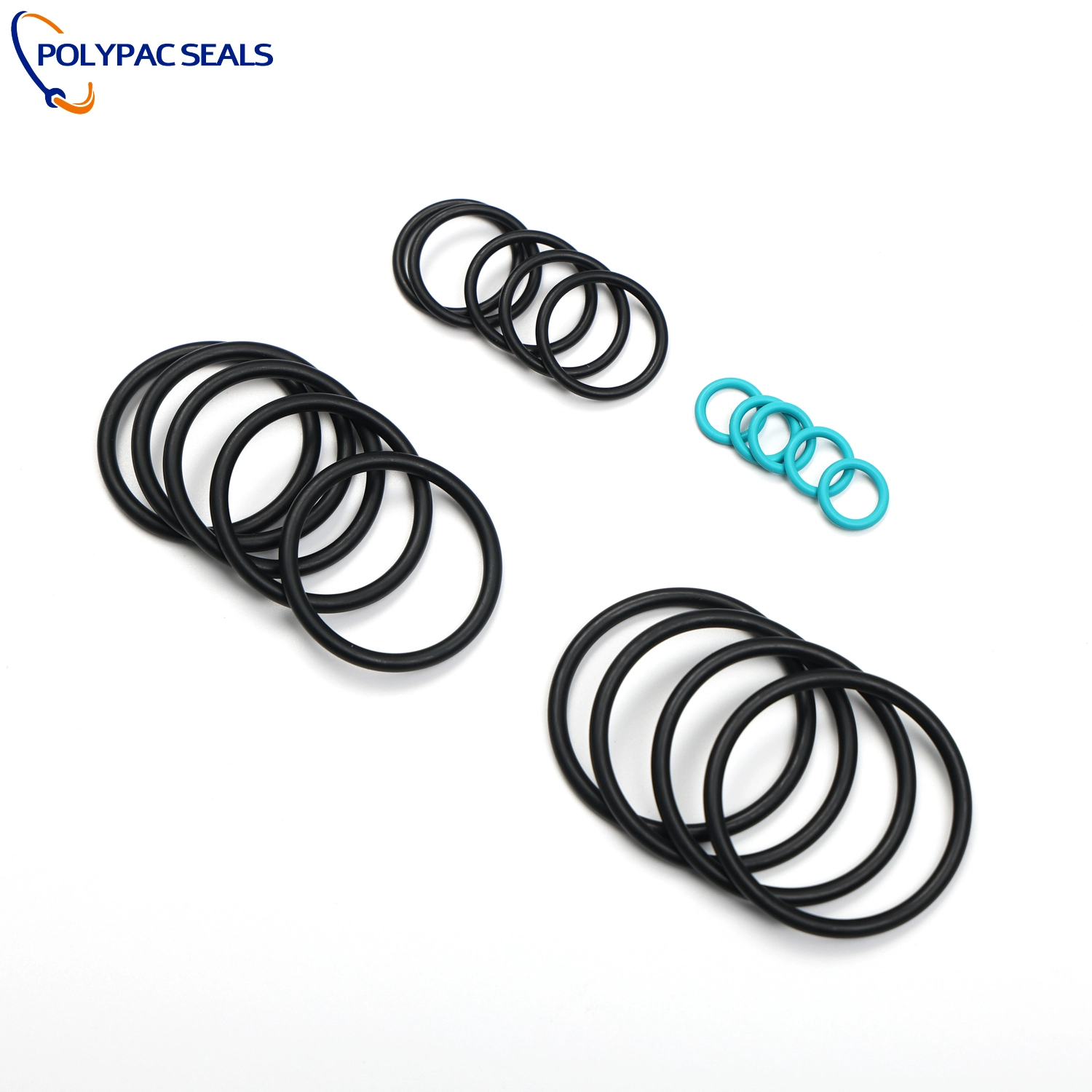
Automotive: Fuel system O-rings, oil seals, gaskets, and hoses.
-
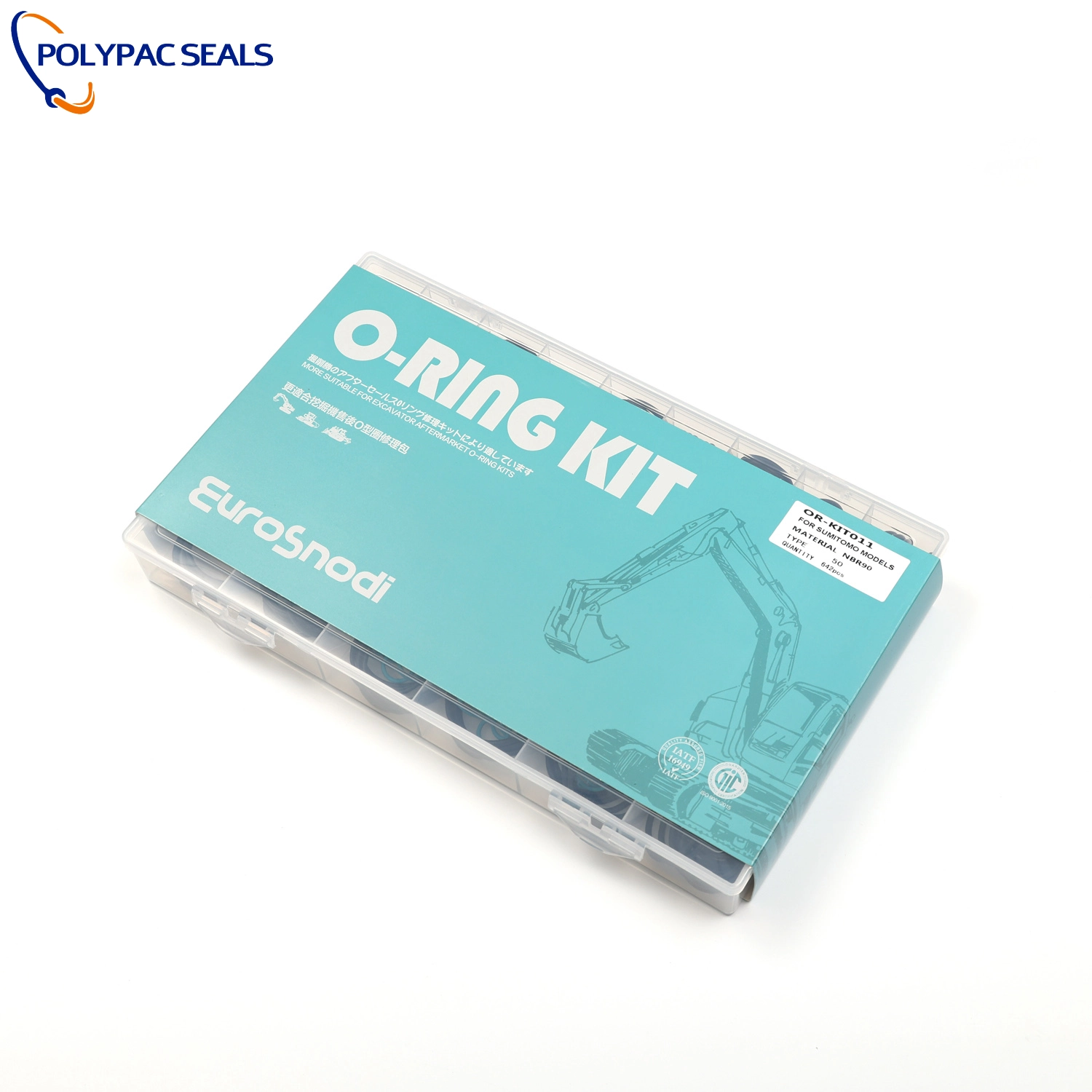
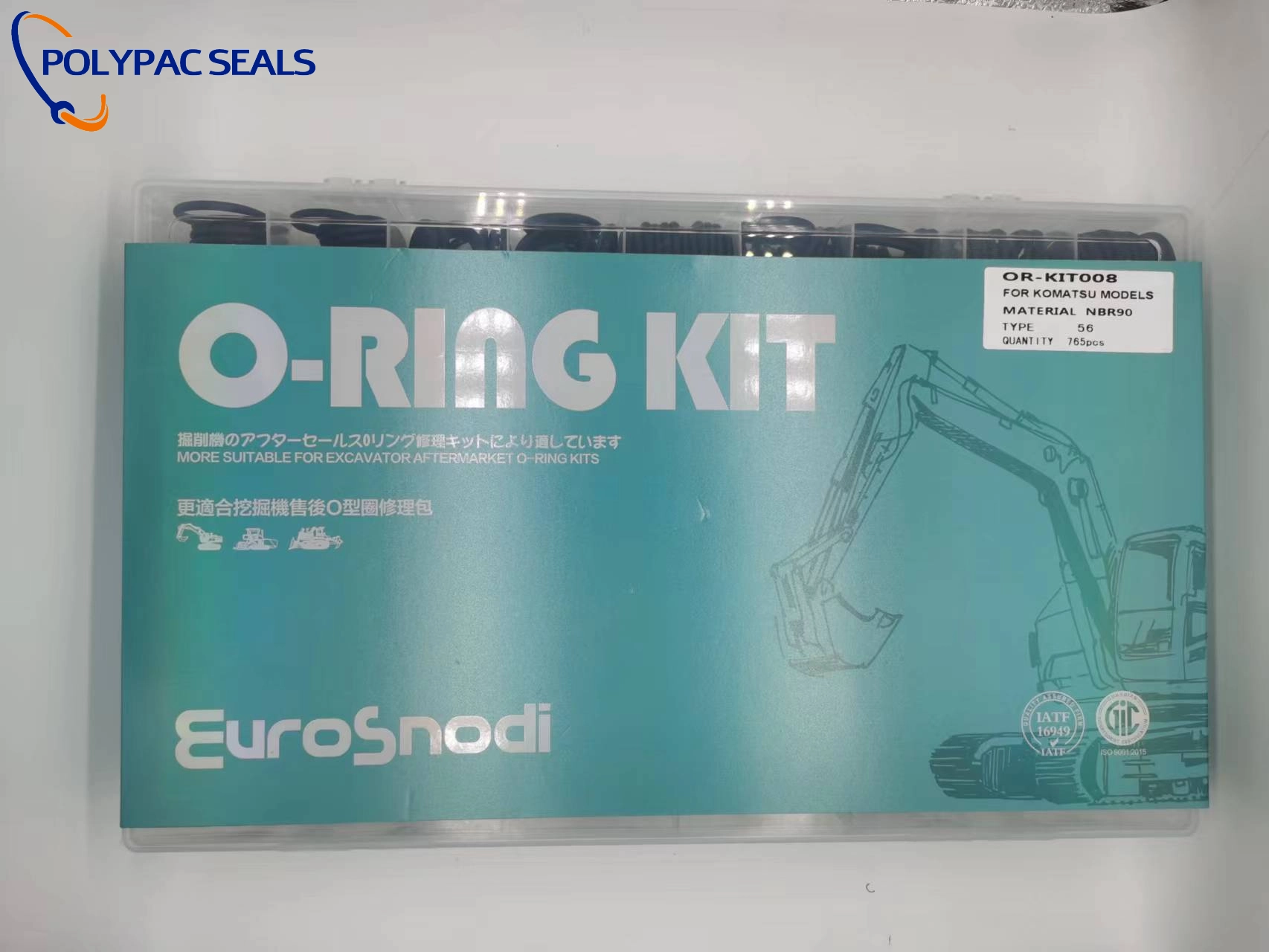
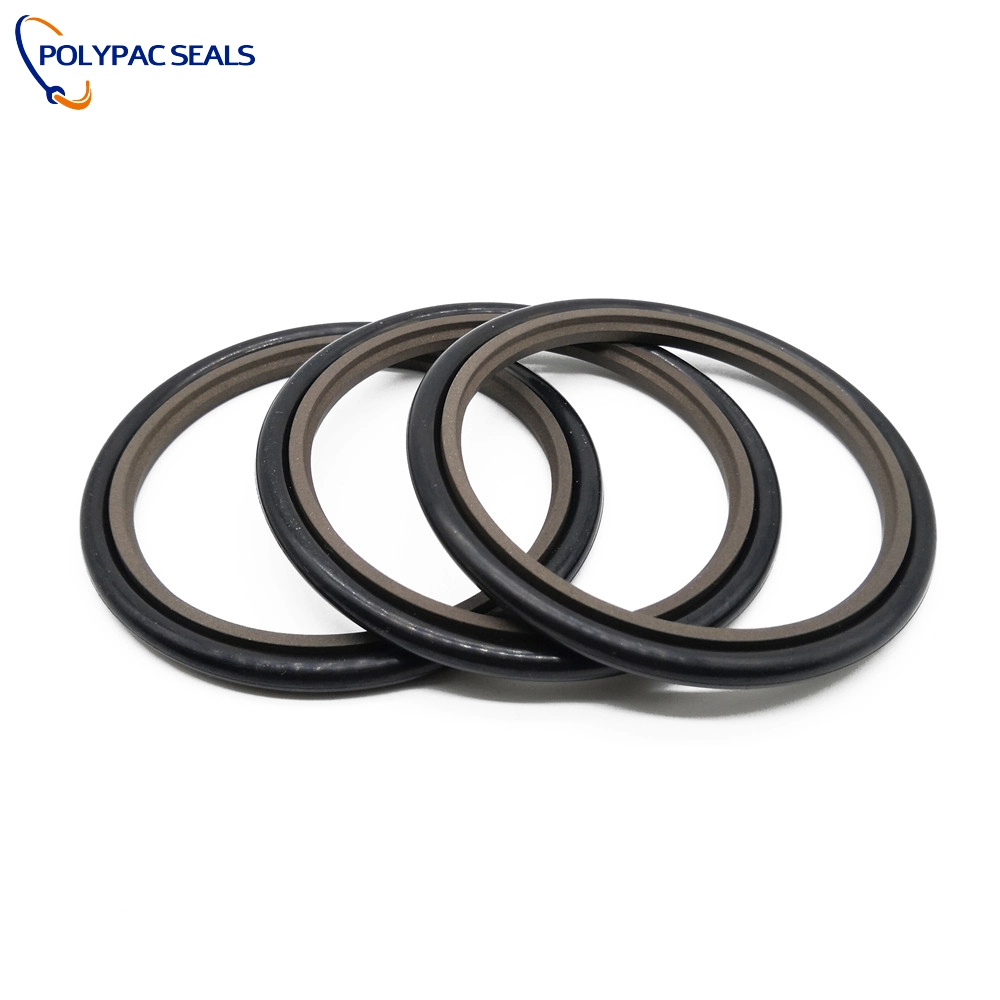
Hydraulics & Pneumatics: Seals, O-rings, packings, and diaphragms in pumps, cylinders, and valves.
-
General Industrial Machinery: Gaskets, rollers, and wear pads.
-
Appliances: Seals in washing machines, dishwashers, and other white goods.
The Polypac Advantage: Quality and Consistency in NBR
Not all NBR is created equal. The quality of the compound and the precision of manufacturing are critical.
-
Advanced Compound Formulation: We offer various NBR grades:
-
Standard NBR: For general oil and fuel resistance.
-
High-Acrylonitrile NBR: For maximum resistance to aggressive oils and fuels.
-
Low-Temperature NBR: Formulated for better flexibility in cold climates.
-
FDA-Compliant NBR: For incidental food contact applications.
-
-
Precision Manufacturing: Our state-of-the-art molding and machining ensure:
-
Dimensional Accuracy to international standards (AS568, ISO).
-
Flash-Free Finishes that prevent leakage paths and particle generation.
-
Consistent Cross-Sections for reliable, predictable compression and sealing.
-
-
Certified Quality: Our NBR products are manufactured under a certified quality management system (ISO 9001, IATF 16949), ensuring traceability, batch consistency, and performance reliability.
Selection and Best Practices
To maximize the life of NBR components:
-
Always Verify Compatibility: Confirm NBR is suitable for the specific fluid and its additives.
-
Check the Temperature Range: Ensure operating temps (including spikes) are within limits.
-
Use Proper Gland Design: Follow established standards for O-ring grooves or seal housings.
-
Consider the Environment: For outdoor or ozone-rich environments, specify ozone-resistant grades or choose an alternative like EPDM.


Products
What is the difference between a static seal and a dynamic seal?
How important is surface finish on the metal parts that contact the seal?
What is the purpose of the metal spring in a rotary shaft seal?
When should I use a spring-energized seal instead of a standard elastomeric seal?
Can I reuse a seal?
Stay Updated with Industry Insights
Subscribe to our articles and receive the latest news, expert guidance, and technical updates directly in your E-mail.
Rest assured that your privacy is important to us, and all information provided will be handled with the utmost confidentiality.

Polypac is a trusted global supplier of high-performance sealing solutions, providing OEM & ODM services for industries worldwide.
E-mail:
Phone/WhatsApp:
© 2025 Polypac Seals. All Rights Reserved.
dms
DMS
DMS