












Maximize Efficiency and Reliability: Why O-Ring Rubber Seals Are Critical for Preventing Leaks and Boosting Industrial System Performance
Quick Summary: Key Takeaways for Industrial Operators
- Critical Defense: O-rings are the primary barrier against fluid loss and expensive downtime.
- Material Science: Selecting the correct elastomer (Nitrile, Viton, or EPDM) is as vital as dimensional sizing.
- Failure Prevention: Proper gland design and "squeeze" ratios prevent extrusion and compression set issues.
- Longevity: Regular inspection and understanding environmental stressors extend seal life significantly.
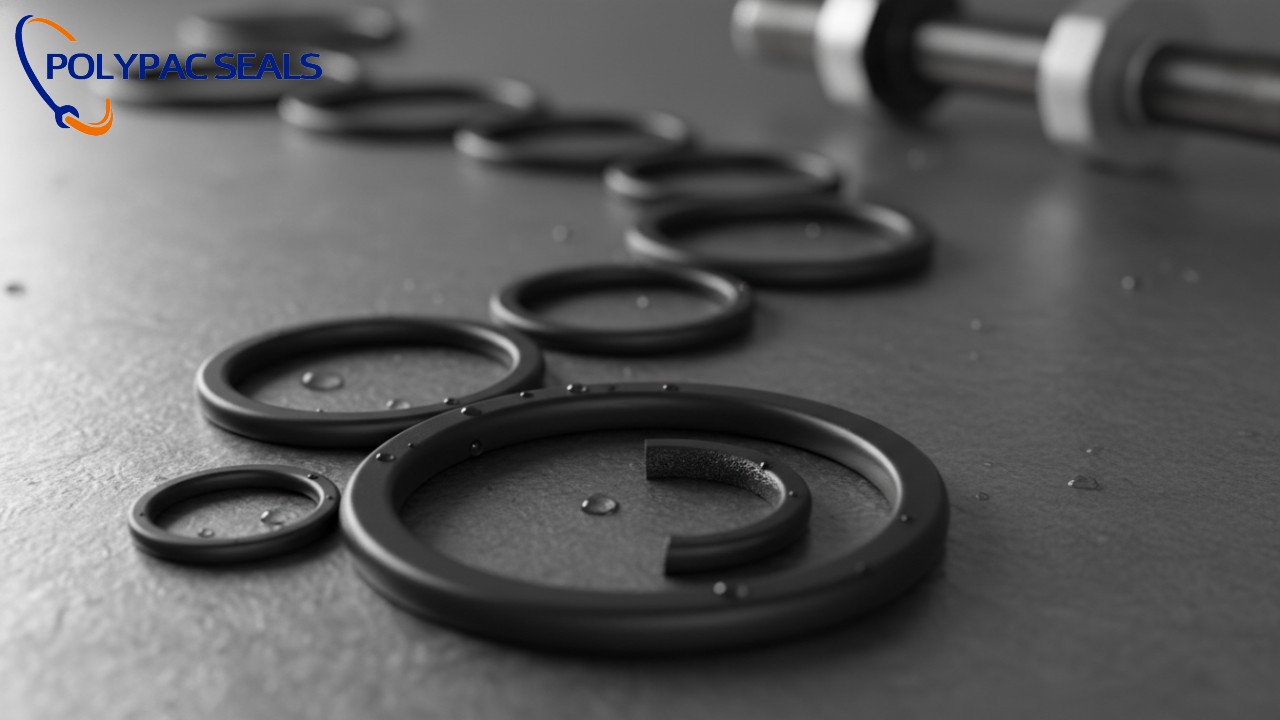
What Are O-Ring Rubber Seals, and Why Are They Critical?
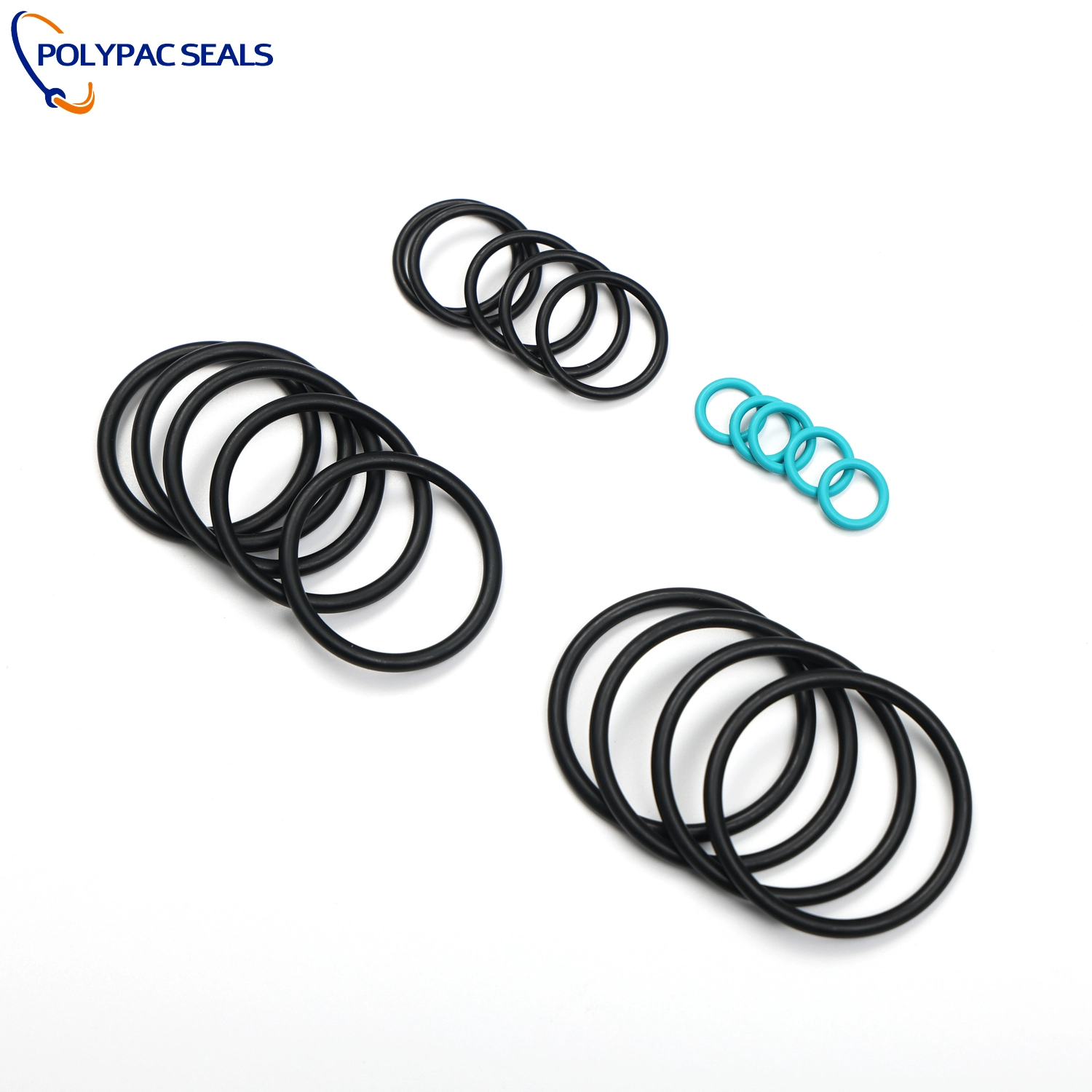
An O-ring is a torus-shaped mechanical gasket, typically molded from elastomeric rubber, designed to be seated in a groove and compressed during assembly to create a leak-proof seal at the interface of two or more parts.
These components are the backbone of hydraulic and pneumatic systems, ensuring that pressure is maintained and contaminants are excluded. While they may seem simple, their design and manufacturing are governed by precise global standards. For instance, ISO 3601 specifies the inside diameters, cross-sections, and tolerances for O-rings used in fluid power systems, ensuring that a seal manufactured in one region performs reliably in machinery across the globe. According to the International Organization for Standardization, adhering to these strict dimensional tolerances is the first step in guaranteeing operational safety.
Why Industry Relies on O-Rings
- Versatility: Capable of sealing effectively in both static (flanges) and dynamic (pistons) applications.
- Cost-Efficiency: They offer an exceptional seal-to-cost ratio compared to complex mechanical seals.
- Space-Saving: Their compact design allows for smaller, lighter machinery footprints.
- Environmental Compliance: By executing effective industrial leak prevention strategies, they help facilities meet strict emissions and safety regulations.
The Science of Reliability: Material Selection Matters
Reliability starts with chemical compatibility; choosing an elastomer that can withstand specific thermal environments and aggressive fluids without degrading is the single most important engineering decision.
Engineers must navigate a complex landscape of material properties. A seal that functions perfectly in water may dissolve rapidly in hydraulic oil. To validate these properties, manufacturers rely on testing standards like ASTM D1414, which outlines the methods for testing the physical properties of rubber O-rings, including tensile strength and elongation. This rigorous testing ensures that elastomer chemical compatibility is not just a guess but a certified guarantee.
Key Material Classifications
- Nitrile (Buna-N): The industry workhorse for petroleum-based oils and fuels. Ideal for standard hydraulic systems but vulnerable to ozone and sunlight.
- Viton® (FKM): The premier choice for high-temperature sealing solutions (up to 400°F/204°C) and harsh chemical environments, though often at a higher price point.
- EPDM: Excellent for steam, water, and glycol-based brake fluids. It offers superior resistance to weathering and UV radiation but is incompatible with petroleum oils.
- Silicone: preferred for its flexibility in extreme temperature ranges, widely used in food and medical-grade applications where chemical purity is paramount.
Polypac Industrial Technology Co., Ltd., has leveraged this material science since 2008, expanding from specialized filled PTFE seals to a comprehensive range of O-rings, including NBR, FKM, and FFKM. With a factory covering over 10,000 square meters, we maintain strict material control to ensure every seal meets these rigorous standards.
Common Mistakes and Expert Tips for Installation
The most frequent cause of seal failure is not the material itself, but improper installation or gland design that leads to physical damage or permanent deformation known as compression set.
Compression set occurs when the rubber loses its elasticity and fails to rebound after being compressed. If an O-ring flattens out permanently, the seal is lost. This is often exacerbated by high temperatures or excessive squeezing. O-ring compression set resistance is a critical property that must be evaluated during the design phase. As noted in standard testing protocols like ASTM D395, measuring a material's ability to return to its original thickness is essential for predicting long-term performance.
Top 3 Installation Mistakes to Avoid
- Mistake #1: Ignoring Lubrication: Installing a dry O-ring creates high friction, leading to abrasion or tearing. Always use a lubricant compatible with the elastomer (e.g., do not use petroleum grease on EPDM).
- Mistake #2: Surface Finish Neglect: A sealing surface that is too rough acts like sandpaper, while one that is too smooth may prevent necessary lubricant retention.
- Mistake #3: Over-Stretching: Never stretch an O-ring by more than 5% of its inner diameter during installation, as this accelerates preventative maintenance for seal issues by pre-stressing the material.
Future Trends 2026: Sustainability and Smart Sealing
The future of sealing technology is pivoting towards sustainable, bio-based elastomers and intelligent systems that can predict failure before leaks occur, driven by evolving environmental regulations.
Looking ahead to 2026 and beyond, the regulatory landscape is shifting. The European Chemicals Agency (ECHA) and other global bodies are strictly reviewing per- and polyfluoroalkyl substances (PFAS). This impacts the production of fluoropolymers like PTFE and FKM. According to ECHA, the industry is moving towards rigorously defined essential uses and cleaner manufacturing processes. Staying ahead of these regulations is critical for supply chain stability.
Emerging Technologies
- Eco-friendly Elastomers: Development of bio-based rubber compounds that reduce the carbon footprint of manufacturing without sacrificing performance.
- Smart O-Rings: Integration of embedded sensors that monitor pressure, temperature, and wear in real-time, enabling true predictive maintenance.
- Regulatory Compliance: Adapting to stricter PFAS regulations to ensure continued availability of high-performance fluorocarbon seals.
- Predictive AI: Using artificial intelligence to model seal life expectancy based on real-world operating data, minimizing unexpected shutdowns.
Conclusion & Call to Action
O-ring rubber seals are small components with a massive impact on industrial efficiency, safety, and reliability. By prioritizing elastomer chemical compatibility and adhering to best practices in installation, operators can drastically reduce downtime. Polypac Industrial Technology Co., Ltd., with our advanced 8,000-square-meter production space and deep R&D collaborations with universities, stands ready to engineer the perfect solution for your unique conditions.
Contact Polypac today to discuss your specific needs and secure your operations with our high-performance sealing solutions.


Products
What is the purpose of the metal spring in a rotary shaft seal?
How important is surface finish on the metal parts that contact the seal?
What is the difference between NBR and FKM materials?
Why did my O-ring fail prematurely?
Can I reuse a seal?
Stay Updated with Industry Insights
Subscribe to our articles and receive the latest news, expert guidance, and technical updates directly in your E-mail.
Rest assured that your privacy is important to us, and all information provided will be handled with the utmost confidentiality.

Polypac is a trusted global supplier of high-performance sealing solutions, providing OEM & ODM services for industries worldwide.
E-mail:
Phone/WhatsApp:
© 2025 Polypac Seals. All Rights Reserved.
dms
DMS
DMS