












Oil Hub Seals: The Definitive Guide to Performance, Maintenance, and Future Innovations for 2026+
A comprehensive 2026 guide to oil hub seals, covering essential maintenance, failure diagnosis, material innovations, and the critical differences between hub and wheel bearing seals for optimal vehicle performance.
Key Takeaways: Understanding Your Vehicle's Lifeline
· Critical Barrier: Oil hub seals are the primary defense against lubricant loss and contaminant entry in wheel assemblies.
· Cost Prevention: Proper maintenance prevents catastrophic wheel-end failures, which recent data indicates are rising in frequency for heavy-duty fleets.
· Material Matters: Selecting the right oil hub seal materials—such as NBR or PTFE—is paramount for longevity under extreme conditions.
· Early Detection: Mastering the art of diagnosing hub seal leaks can save thousands in axle and bearing repairs.
· Future Tech: The 2026 landscape introduces smart, sensor-integrated sealing solutions for predictive maintenance.
What Exactly is an Oil Hub Seal?
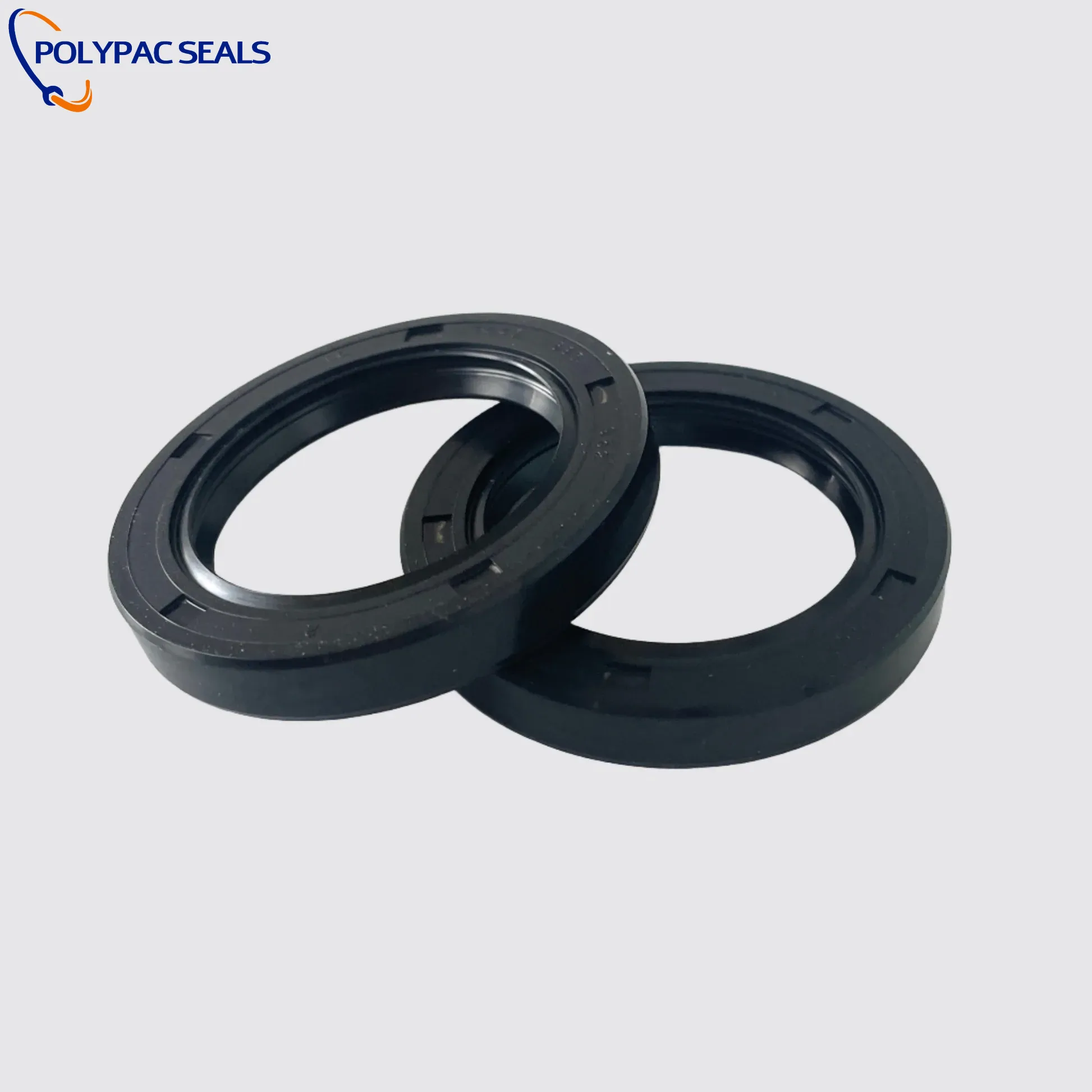
An oil hub seal is a dynamic rotary seal used in vehicle wheel assemblies to retain lubrication within the hub while excluding external contaminants like dirt and moisture. It functions as the critical interface between the stationary axle spindle and the rotating wheel hub.
Beyond this simple definition, the hub seal is an engineering marvel. It must maintain a tight seal under high rotational speeds, fluctuating temperatures, and axial movement. By creating a barrier, it ensures that the wheel bearings remain immersed in oil or grease, reducing friction and heat generation. Without this component, the lubricant would escape, leading to rapid bearing seizure and potential wheel detachment—a safety hazard that underscores the importance of quality components.
Why Oil Hub Seals Are Indispensable for Vehicle Integrity
Hub seals ensure vehicle safety by maintaining the lubrication film required for smooth bearing operation and preventing the ingress of abrasive road debris. They are the guardians of the wheel end's structural integrity.
Core Functions and Benefits
· Retaining Lubrication: Prevents essential oils and greases from escaping the wheel hub, ensuring continuous protection for heavy-duty axle seals and bearings.
· Excluding Contaminants: Forms a robust barrier against dust, dirt, moisture, and road salt, which can corrode precision-engineered surfaces.
· Enhancing Bearing Performance: Reduces friction and wear, leading to smoother wheel rotation and improved fuel efficiency.
· Ensuring Vehicle Safety: Contributes to stable handling and braking by maintaining the optimal condition of wheel assemblies.
· Extending Component Lifespan: Protects costly spindles and bearings from damage, significantly lowering long-term operating costs.
The Anatomy of an Oil Hub Seal: Design and Materials
Oil hub seals are engineered using advanced elastomers and structural reinforcements designed to withstand aggressive chemical environments and thermal stress. The choice of oil hub seal materials directly dictates the seal's lifespan and performance capability.
Material Composition
· Nitrile Rubber (NBR): The standard for general applications, offering good resistance to oil and grease.
· Hydrogenated Nitrile (HNBR): A step up from NBR, providing superior heat and abrasion resistance for severe duty cycles.
· Fluoroelastomers (Viton/FKM): High-performance materials used in extreme heat environments, offering exceptional chemical resistance.
· Polytetrafluoroethylene (PTFE): Known for low friction and dry-running capabilities, often used in premium seals for extended life.
Structural Variations
· Single-Lip Designs: Traditional seals that rely on a single contact point; cost-effective but less durable in harsh environments.
· Multi-Lip Seals: Feature auxiliary dust lips to provide added protection against external contaminants.
· Unitized Seals: Advanced designs where the sealing element and wear sleeve are integrated into a single unit. This prevents wear on the axle spindle and simplifies installation.
Hub Oil Seals in Action: Diverse Applications
Hub oil seals are ubiquitous across all vehicle sectors, from passenger cars to massive industrial earthmovers, wherever a rotating wheel meets a stationary axle. Their design specifications vary drastically based on load and speed requirements.
· Automotive Vehicles: Essential for daily drivers (cars, SUVs) to ensure quiet, reliable wheel end operation.
· Heavy-Duty Trucks & Trailers: Heavy-duty axle seals are critical for commercial fleets where downtime costs average over $1,000 per day. These seals must endure hundreds of thousands of miles.
· Construction Equipment: Designed to withstand mud, slurry, and impact in excavators and loaders.
· Agricultural Machinery: Protects axles in tractors from dust and organic debris common in farming environments.
· Industrial Systems: Used in conveyor systems and rotating shafts requiring reliable long-term sealing.
Recognizing Trouble: Common Signs of Hub Oil Seal Failure
Identifying seal failure early requires vigilance for visual cues such as wet streaks on the tire sidewall or rim, and auditory warnings like grinding noises. Diagnosing hub seal leaks promptly is the only way to prevent total bearing failure.
Symptoms of Failure
· Visible Oil Leaks: Fresh oil streaks radiating from the hub cap or on the brake drum/rotor are the most obvious sign.
· Unusual Noises: A low growl or humming sound often indicates that the bearings are running dry due to lubricant loss.
· Hub Overheating: Excessive heat detected at the wheel hub after driving suggests high friction from lack of lube.
· Wheel End Play: Excessive movement when the wheel is rocked indicates bearing wear, often a secondary effect of seal failure.
· Brake Fade: If oil leaks onto brake shoes or pads, stopping power is significantly compromised.
Oil vs. Grease Lubrication: Impact on Seal Performance
The choice between oil and grease lubrication fundamentally changes the thermal dynamics of the wheel end and dictates the specific type of seal required. Oil provides better cooling, while grease offers superior contaminant exclusion.
Comparative Analysis
· Oil Bath Hubs: Allow for easy visual inspection via a sight glass and provide continuous lubrication replenishment to bearings. They require seals with high hydrodynamic pumping efficiency.
· Grease Lubrication: Preferred for "filled-for-life" or low-maintenance setups. Grease seals must be designed to retain a semi-solid lubricant and are less prone to static leakage.
· Maintenance Differences: Oil systems require regular level checks; grease systems often require complete disassembly for repacking.
· Performance Trade-offs: Oil acts as a coolant, extending bearing life in high-speed applications, whereas grease is better for low-speed, high-load environments.
Maintenance Best Practices for Optimal Seal Lifespan
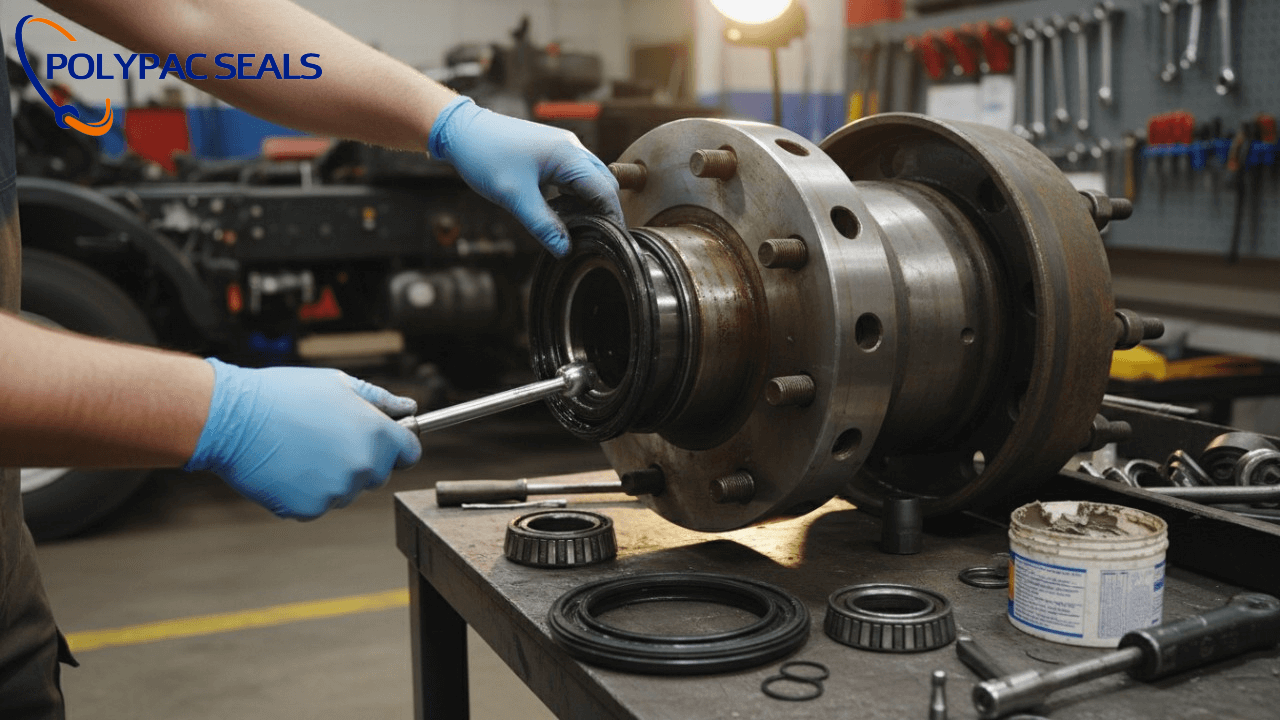
To maximize seal life, mechanics must ensure the axle spindle is pristine and free of burrs, and that the seal is driven in squarely using the correct installation tool. Following a strict hub oil seal replacement guide protocol helps avoid the common error of cocked or damaged seals.
Essential Maintenance Steps
1. Cleanliness is Key: The work area must be surgically clean. Even microscopic grit on the seal lip can cause immediate failure.
2. Inspect the Spindle: Check for deep grooves or wear rings on the spindle shoulder. If present, use a repair sleeve or unitized seal.
3. Use Proper Tools: Never use a block of wood or a hammer directly on the seal. Use a seal driver that applies pressure to the correct diameter.
4. Lubricate the Lip: Pre-lube the inner diameter of the seal with the same lubricant used in the hub to prevent "dry start" friction burn.
5. Check Breathers: A clogged axle breather builds internal pressure, forcing oil past even a perfect seal. Always clean the vent.
Expert Troubleshooting: Diagnosing Complex Seal Issues
Complex seal failures often stem from underlying mechanical issues like excessive bearing end play or blocked vents, rather than the seal itself. Diagnosing hub seal leaks effectively requires looking beyond the rubber component.
Advanced Diagnostic Checks
· Thermal Imaging: Use an infrared gun to compare hub temperatures. A hub running significantly hotter than others indicates friction issues.
· Dye Testing: Add UV dye to the oil to trace the exact path of a slow leak, distinguishing between a hub cap leak and a rear seal leak.
· Wear Pattern Analysis: Examine the removed seal. Uneven wear on one side of the lip suggests a bent spindle or improper bearing adjustment.
· Vibration Analysis: In heavy industrial applications, vibration sensors can detect the specific frequency of a bearing beginning to spall due to lube starvation.
Hub Oil Seal vs. Wheel Bearing Seal: A Clear Distinction
The primary difference between a wheel bearing seal vs hub oil seal lies in their location and specific function; hub seals retain the lubricant for the entire assembly, while bearing seals often refer to integrated shields on sealed bearing units.
· Hub Oil Seal: Located on the inboard side of the hub, sealing against the axle spindle. It holds the oil bath or grease reservoir for the whole hub.
· Wheel Bearing Seal: Sometimes used to describe the external dust cap or the small seals built into "permanently lubricated" bearing cartridges.
· Interchangeability: They are not interchangeable. Attempting to use a standard grease seal in an oil bath application will result in immediate leakage.
· Consequences of Confusion: Installing the wrong seal type is a leading cause of repeat failures. Always verify the part number against the vehicle's VIN or axle spec.
The Future of Sealing: Innovations in Hub Oil Seal Technology
By 2026, the industry will see a shift toward "smart" seals embedded with IoT sensors that transmit real-time temperature and integrity data to fleet managers. According to recent market research, the global axle seals market is projected to grow significantly, driven by these technological advancements.
· Smart Seals: Integrated sensors monitor lubricant levels and temperature, alerting drivers to issues before failure occurs.
· Eco-Friendly Materials: New bio-based elastomers are being developed to reduce the environmental footprint of seal manufacturing and disposal.
· Low-Friction Coatings: Nano-coatings on seal lips are reducing rolling resistance, contributing to better fuel economy in electric and hybrid trucks.
· Self-Healing Polymers: Research is underway on materials that can micro-repair small abrasions, potentially doubling seal service life.
Environmental and Economic Impact of Proper Seal Management
Proper seal maintenance is not just about vehicle uptime; it is a significant factor in environmental stewardship by preventing toxic lubricants from leaking onto roadways. Economically, preventing a single wheel-end fire saves tens of thousands of dollars in asset loss and cargo claims.
· Reducing Contamination: Stopping leaks prevents oil from washing into storm drains and contaminating local water tables.
· Cost Savings: Data shows that proactive seal maintenance reduces emergency roadside service calls by up to 30%.
· Fuel Efficiency: Lower friction seals contribute to overall vehicle efficiency, reducing carbon emissions across large fleets.
· Sustainability: Extending the life of wheel ends reduces the manufacturing demand for steel and rubber replacement parts.
FAQ
What is the main purpose of an oil hub seal?
The main purpose is to prevent lubricant (oil or grease) from leaking out of the wheel hub assembly while simultaneously blocking contaminants like dirt and water from entering and damaging the bearings.
How often should hub oil seals be replaced?
Seals should generally be replaced whenever the wheel hub is removed for bearing service or brake work. For heavy-duty trucks, this might be every 100,000 miles or annually during inspection, but always follow the manufacturer's specific hub oil seal replacement guide.
What are the common signs of a failing hub oil seal?
Common signs include visible oil streaks on the tires or brake components, grinding or humming noises from the wheel, and excessive heat radiating from the hub after driving.
Is there a difference between a hub oil seal and a wheel bearing seal?
Yes. In the context of wheel bearing seal vs hub oil seal, the hub seal is the primary barrier for the hub's lubricant reservoir, while a wheel bearing seal often refers to a dust shield or a seal integrated directly into a sealed bearing unit.
Can I drive with a leaking hub oil seal?
No. Driving with a leaking seal starves the bearings of lubrication, which can lead to rapid overheating, bearing seizure, and potentially the wheel coming off the vehicle while driving.


Products
What does "AS568" mean?
What is the purpose of the metal spring in a rotary shaft seal?
What is the difference between NBR and FKM materials?
When should I use a spring-energized seal instead of a standard elastomeric seal?
How important is surface finish on the metal parts that contact the seal?
Stay Updated with Industry Insights
Subscribe to our articles and receive the latest news, expert guidance, and technical updates directly in your E-mail.
Rest assured that your privacy is important to us, and all information provided will be handled with the utmost confidentiality.

Polypac is a trusted global supplier of high-performance sealing solutions, providing OEM & ODM services for industries worldwide.
E-mail:
Phone/WhatsApp:
© 2025 Polypac Seals. All Rights Reserved.
dms
DMS
DMS