












One-Way Seal vs. Two-Way Seal: The Essential Guide to Bidirectional Sealing Selection

Wednesday, January 21, 2026
Discover Polypac’s essential guide comparing One-Way Seal vs. Two-Way Seal for optimal bidirectional sealing. Learn which seal suits your needs—Seal for Single-Acting Cylinder or Seal for Double-Acting Cylinder—to enhance performance and reliability in hydraulic systems.

Sealing Directionality: A Fundamental Choice Impacting Performance and Reliability

In the precise world of hydraulic and pneumatic systems, the selection of a dynamic seal is governed by numerous factors—pressure, speed, temperature, and media. However, one of the most fundamental and sometimes overlooked distinctions is the direction of pressure application relative to the seal. This leads to the critical choice between a one-way seal and a two-way seal. Selecting the incorrect type can lead to premature failure, leakage, and system inefficiency.

At Polypac, with our deep-rooted expertise as a scientific and technical hydraulic seals manufacturer, we engineer seals for performance. Understanding the difference between these two sealing principles is not just academic—it’s essential for designing reliable, long-lasting systems. This guide will clearly define, compare, and provide selection criteria for one-way and two-way seals, empowering you to make the correct choice for your application.

Defining the Core Concepts: Pressure Direction and Seal Function

The primary difference lies in how the seal is designed to handle system pressure.

What is a One-Way Seal (Unidirectional Seal)?

one-way seal is designed to seal effectively when pressure is applied from one specific direction only. Its sealing lip geometry is asymmetrical, optimized to utilize the system pressure to enhance its sealing force.

  • How it Works: When pressure (P) is applied from the designated "pressure side," it presses the sealing lip firmly against the mating surface (e.g., cylinder wall or rod), actively improving the seal. If pressure is applied from the opposite ("non-pressure side"), it can deactivate or even damage the lip.

  • Common Examples: U-cupsV-rings, and many standard rod seals and piston seals are classic one-way seals.

  • Typical Use Case: In a single-acting cylinder, where pressure is applied to only one side of the piston to generate movement in one direction.

What is a Two-Way Seal (Bidirectional Seal)?

two-way seal is designed to seal effectively when pressure is applied from either direction. Its design is symmetrical, allowing it to function regardless of which side the pressure originates from.

  • How it Works: The seal has a symmetrical geometry (like an "X" or a square profile) with two sealing lips or a central sealing bulge. Pressure from either side will energize the relevant lip or compress the central element to create an effective seal.

  • Common Examples: Piston ringsGlyd Rings™square seals, and some symmetrical U-seals.

  • Typical Use Case: In a double-acting cylinder, where pressure can be alternately applied to either side of the piston to generate movement in both extension and retraction.

Comparative Analysis: One-Way Seal vs. Two-Way Seal


Feature One-Way Seal (Unidirectional) Two-Way Seal (Bidirectional)
Pressure Direction Seals pressure from one side only. Seals pressure from both sides.
Design & Geometry Asymmetrical (e.g., single lip). Symmetrical (e.g., twin lips, square profile).
Friction Generally lower friction on the stroke where pressure energizes the lip. Typically generates higher friction due to the constant contact of two lips or a larger sealing surface.
Leakage Control Excellent, zero-leakage control possible in its design direction due to pressure-activated lip. Good, but may allow a slight controlled leakage film for lubrication, especially in reciprocating applications.
Installation Must be installed with the correct orientation (pressure side identified). Critical to prevent failure. Installation is simpler; orientation does not matter.
Primary Application Single-acting cylindersrod seals (where pressure is usually from inside the cylinder), scenarios requiring very low leakage. Double-acting cylinders (especially piston seals), applications where pressure direction may change or is unknown.
Material & Cost Often uses softer, more flexible compounds like polyurethane (PU) for the lip. Can be cost-effective. May use harder, more wear-resistant compounds or complex geometries. Can be more expensive due to design.

How to Choose: Selection Criteria for Your Application

Follow this decision framework from Polypac's engineering perspective:

  1. Analyze the System Function:

    • Single-Acting System (One-Way Force): Use a one-way seal on the piston and rod. It offers optimal performance and efficiency.

    • Double-Acting System (Two-Way Force): For the piston, a two-way seal is almost always mandatory. For the rod seal, a one-way seal is typically used (sealing internal pressure from escaping).

  2. Evaluate Performance Priorities:

    • Priority: Minimum Leakage & High Efficiency. Choose a precision-engineered one-way seal (like a Polypac PU rod seal) for its superior sealing in its pressure direction.

    • Priority: Simplicity & Reliability in Changing Pressure. Choose a robust two-way seal for the piston to handle bidirectional pressure without risk of incorrect installation.

  3. Consider Operational Factors:

    • Friction Sensitivity: If low friction is critical for smooth motion at low pressure (e.g., in pneumatics), a one-way seal is often preferred where applicable.

    • Pressure Ratings: Both types can be designed for high pressure. Two-way seals often require more robust design (e.g., with anti-extrusion rings) for high-pressure bidirectional service.

  4. Account for Maintenance & Installation:

    • In environments where installation errors are a high risk, the foolproof nature of a two-way seal can prevent costly failures.

Common Application Scenarios and Recommendations

  • Hydraulic Excavator Arm Cylinder (Double-Acting):

    • Piston Seal: Two-way seal (e.g., a Glyd ring or stepped piston seal) to handle pressure from both sides during digging and lifting.

    • Rod Seal: One-way seal (e.g., a U-cup or combined seal) to contain system pressure from escaping along the rod.

  • Hydraulic Jack (Single-Acting):

    • Piston Seal: One-way seal is perfectly suited, as pressure is only applied from below to lift the load.

  • Pneumatic Clamping Cylinder (Double-Acting):

    • Piston Seal: A low-friction two-way seal is needed for rapid extension and retraction.

    • Rod Seal & Wiper: One-way pneumatic rod seal and a wiper seal to keep out contamination.

Partner with Polypac for Expert Sealing Direction

Choosing between a one-way and two-way seal is a foundational decision that dictates the performance envelope of your component. There is no "better" type—only the correct type for your specific application.

Polypac’s strength lies in providing the right solution:

  • Comprehensive Product Range: We manufacture high-performance one-way seals (like our advanced U-cups) and reliable two-way seals for the most demanding bidirectional applications.

  • Custom Engineering for Special Conditions: Our team excels at conceiving sealing solutions for special working conditions, whether it involves extreme pressure cycling, contaminated media, or unique space constraints.

  • Certified Quality & Technical Support: Our ISO 9001 & IATF 16949 certified development and production ensures every seal performs as specified. Our engineers provide direct support for seal selection and system design.

Seal with Confidence in Every Direction

Don't let an incorrect seal direction compromise your system's integrity. The right knowledge and the right partner ensure optimal sealing performance.

Contact Polypac's sealing experts today. Let us analyze your system's pressure profile and recommend the optimal one-way or two-way seal configuration for maximum reliability and efficiency.
Contact Us for Seal Selection Support | Download Our Seal Configuration Guide


Recommended for you
Custom NBR vs. Standard Seals: Why Tailored Solutions Outperform Off-the-Shelf Options - Polypac
Custom NBR vs. Standard Seals: Why Tailored Solutions Outperform Off-the-Shelf Options
Top 5 Piston Seal Ring Materials Compared: Which One Actually Stops Leaks? (2026 Guide) - Polypac
Top 5 Piston Seal Ring Materials Compared: Which One Actually Stops Leaks?
O Ring Working Principle - Polypac
O-Ring Working Principle: The Science Behind Simple, Reliable Sealing
Reducing Maintenance Downtime: Why a High-Quality Large O-Ring Kit is Your Best Investment (2026 Edition) - Polypac
Reducing Maintenance Downtime: Why a High-Quality Large O-Ring Kit is Your Best Investment
FAQ
Products
What is the difference between a static seal and a dynamic seal?
A Static Seal is used between two surfaces that do not move relative to each other (e.g., pipe flanges, end caps). O-rings and gaskets are common static seals. A Dynamic Seal is used between surfaces that do move (e.g., piston and cylinder, rotating shaft). Rod seals, piston seals, and rotary shaft seals are designed for this purpose.
Why did my O-ring fail prematurely?
Common causes of O-ring failure include: Chemical Incompatibility: Swelling, softening, or cracking due to fluid exposure. Improper Sizing: Using an incorrect size leads to over-compression or inadequate sealing force. Abrasion: Wear and tear from rough surface finishes or contaminated fluid. Extrusion: The seal is forced into the gap between metal parts under high pressure. Installation Damage: Nicks, cuts, or twists during assembly.
What is the purpose of the metal spring in a rotary shaft seal?
The garter spring in a shaft seal (e.g., FSKR, SPGO types) provides a constant radial force on the sealing lip. This ensures consistent contact with the rotating shaft, compensating for minor wear, eccentricity, and vibration to prevent lubricant leakage.
What is the difference between NBR and FKM materials?
NBR (Nitrile/Buna-N): A general-purpose, cost-effective material with excellent resistance to petroleum-based oils and fuels. It has a standard temperature range of -30°C to +100°C (-22°F to +212°F). FKM (Fluoroelastomer/Viton®): A premium material with excellent resistance to high temperatures (up to 200°C+), chemicals, and oils. It is used in more severe environments but is more expensive than NBR.
How do I choose the right material for my sealing application?
Material selection depends on four key factors: Media: What fluid or gas will the seal contact? (e.g., petroleum oil, water, chemicals, steam) Temperature: What is the minimum and maximum operating temperature? Pressure: What is the system's operating pressure? Are there pressure spikes? Application: Is it a static, dynamic, or rotary seal? Example: NBR (Buna-N) is excellent for standard hydraulic oil, while FKM (Viton®) is needed for high temperatures or aggressive chemicals.
You may also like
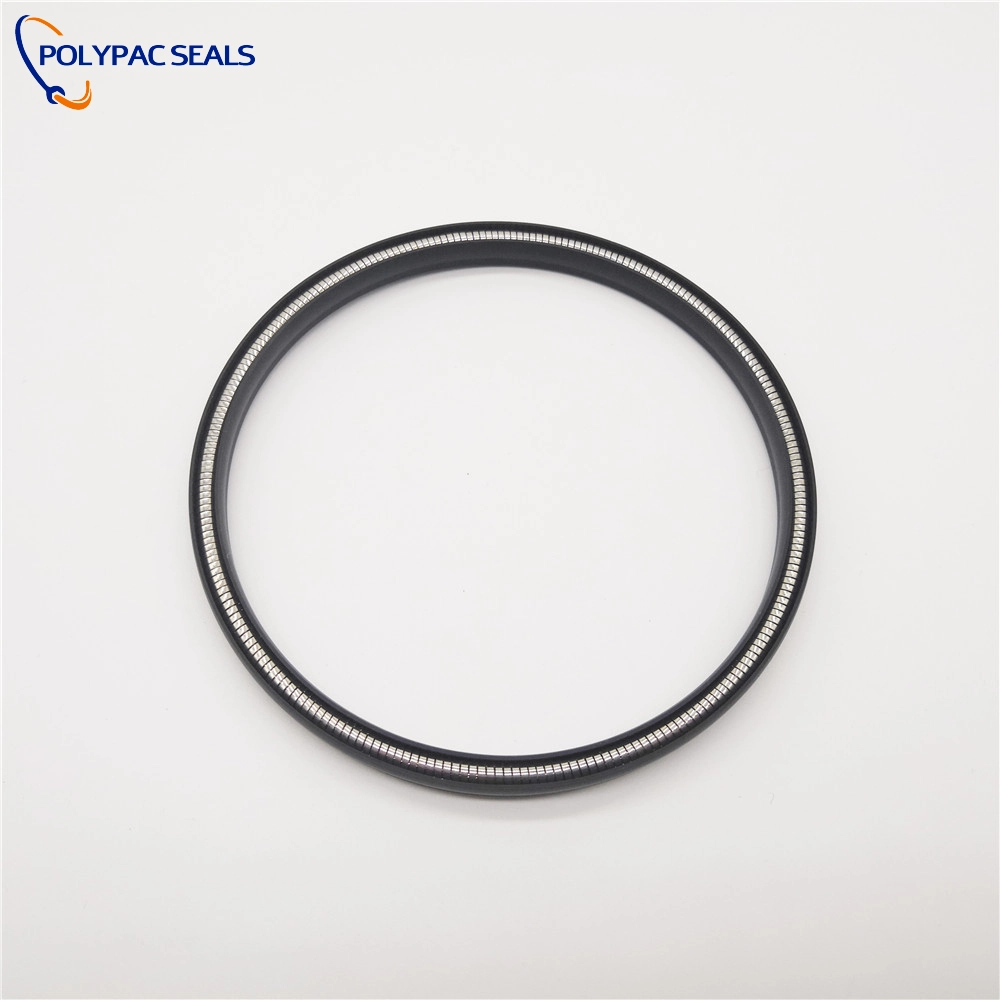
FSKR-13 - Polypac
FSKR-O Vented Rod Seal | Anti-Pump Step Seal for Hydraulic Cylinders
Polypac’s FSKR-O Vented Rod Seal is a High Quality anti-pump step seal designed for hydraulic cylinders. Its vented design reduces pressure build-up, enhancing seal life and performance. Ideal for demanding applications, this step seal ensures reliable, leak-free operation.
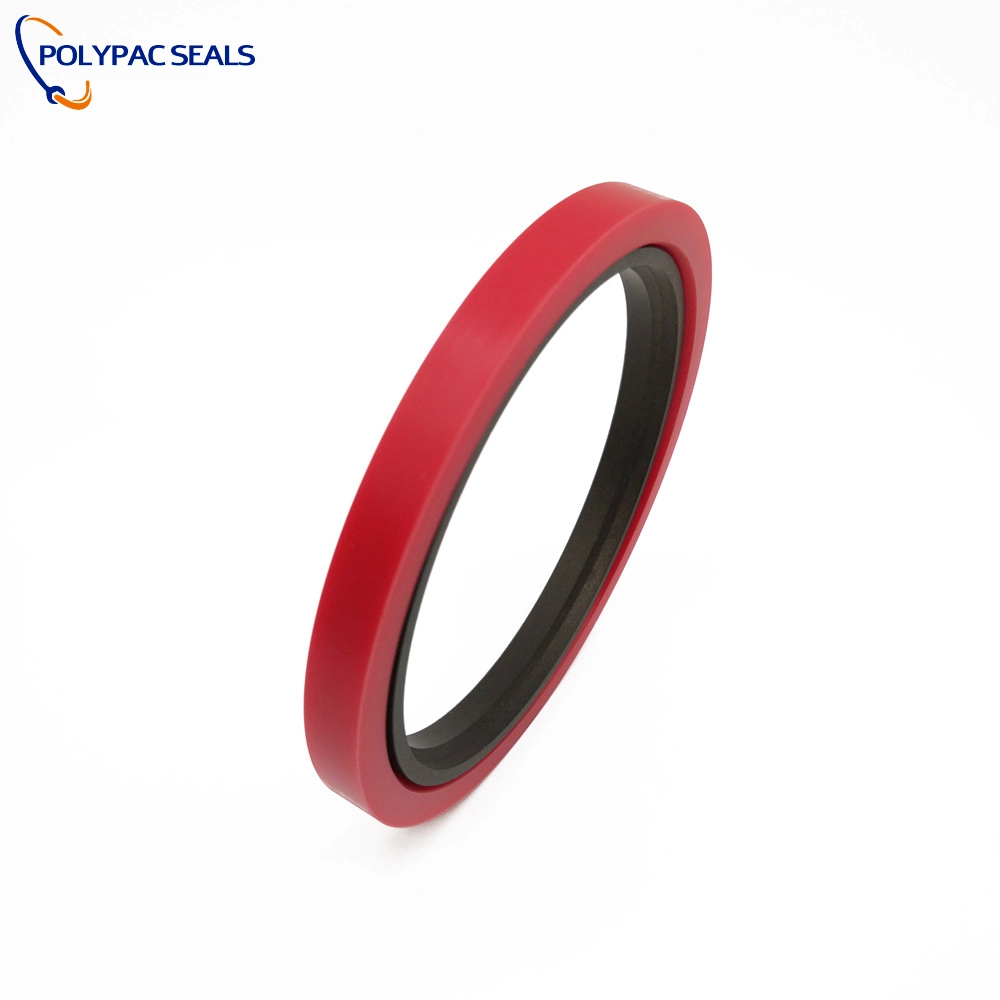
FSKR-O Vented Rod Seal | Anti-Pump Step Seal for Hydraulic Cylinders
GSJ-W-4 - Polypac
GSJ-W Hydraulic Cylinder Rod Seal for Construction & Industrial Machinery
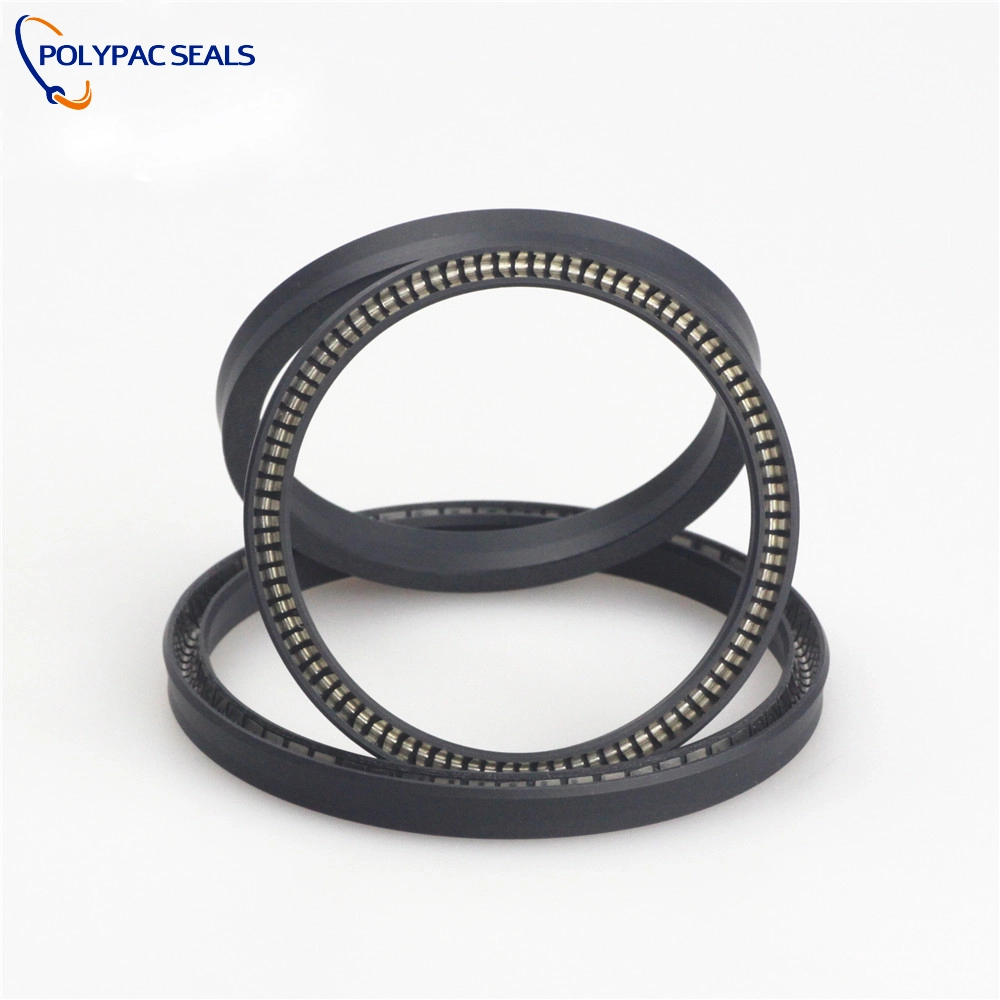
FSKR-8 拷贝 - Polypac
FSKR-V Vented Rod Seal | Anti-Pump Hydraulic Seal for Cylinders
Polypac’s FSKR-V Vented Rod Seal is an advanced anti-pump hydraulic seal designed for cylinders. Featuring a durable double lip rod seal and step seal design, it ensures superior performance and prevents contamination. Ideal for efficient hydraulic cylinder sealing solutions.
FSKR-V Vented Rod Seal | Anti-Pump Hydraulic Seal for Cylinders
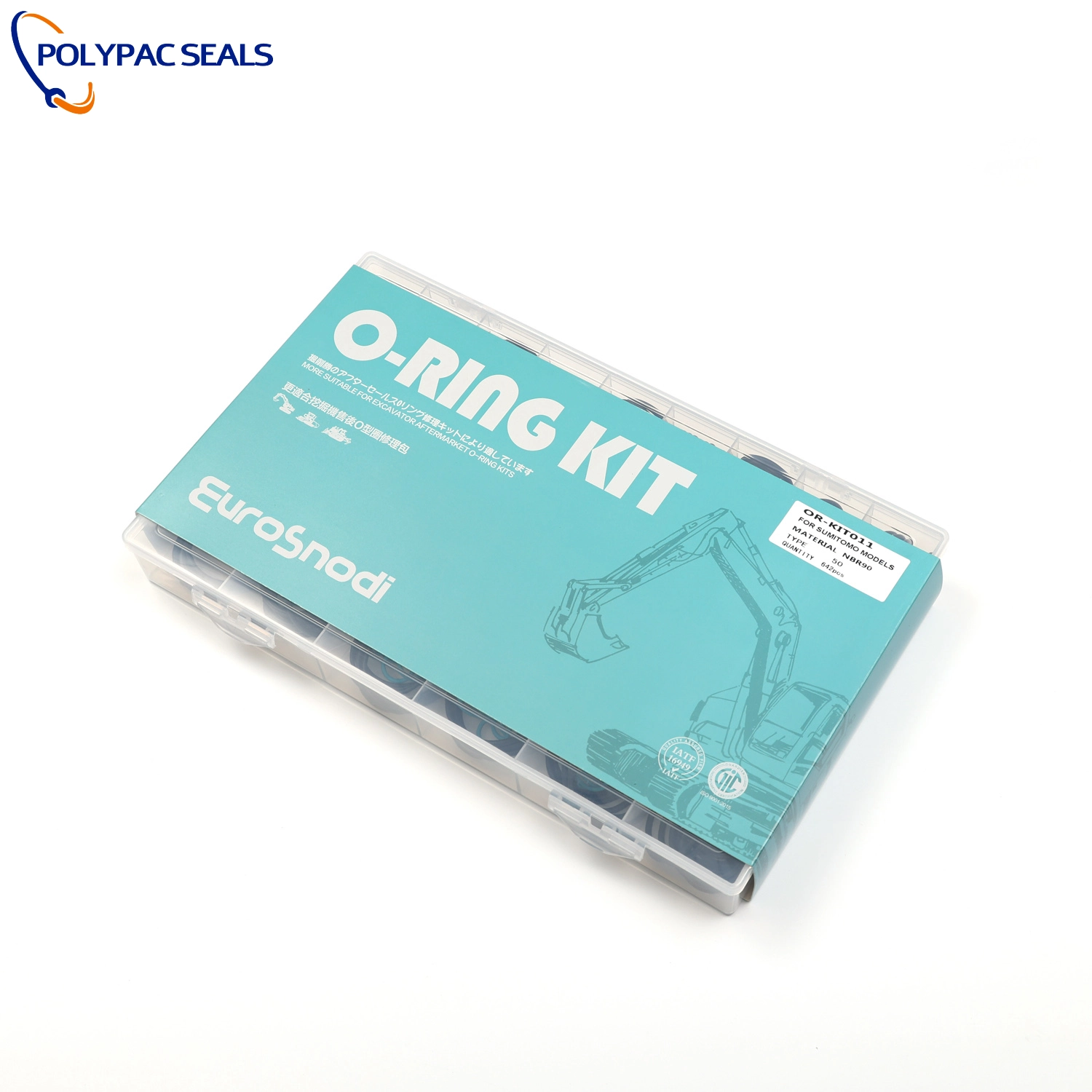
ORing-Kit 011Sumt ou - Polypac
Mini O-Ring Kits-011 SUMITOM | Compact Assortments for Electronics, RC Models & Small Appliances
Polypac Mini O-Ring Kits-011 SUMITOM offer compact assortments of high temperature, chemical resistant O-rings. Ideal for electronics, RC models, and small appliances, these durable kits ensure reliable sealing performance in demanding environments. Perfect for precision repairs and maintenance.
Mini O-Ring Kits-011 SUMITOM | Compact Assortments for Electronics, RC Models & Small Appliances

Stay Updated with Industry Insights

Subscribe to our articles and receive the latest news, expert guidance, and technical updates directly in your E-mail.

Please enter your name not exceed 100 characters
The email format is not correct or exceed 100 characters, Please reenter!
Please enter a valid phone number!
Please enter your field_1188 not exceed 150 characters
Please enter your content not exceed 3000 characters

Rest assured that your privacy is important to us, and all information provided will be handled with the utmost confidentiality.
Contact customer service
×
Please enter your name not exceed 100 characters
The email format is not correct or exceed 100 characters, Please reenter!
Please enter a valid phone number!
Please enter your field_1188 not exceed 150 characters
Please enter your content not exceed 3000 characters

Request Your Custom Sealing Solution

Fill in your requirements and our team will provide a tailored solution with a quick response.

Your privacy matters to us. We handle your data securely, in compliance with international quality and safety certifications.

With over 10 years of sealing expertise, we are ready to provide you with reliable solutions.

×

Request Your Custom Sealing Solution

Fill in your requirements and our team will provide a tailored solution with a quick response.

Please enter your name not exceed 100 characters
The email format is not correct or exceed 100 characters, Please reenter!
Please enter a valid phone number!
Please enter your field_1188 not exceed 150 characters
Please enter your content not exceed 3000 characters

Your privacy matters to us. We handle your data securely, in compliance with international quality and safety certifications.

With over 10 years of sealing expertise, we are ready to provide you with reliable solutions.

×
Please enter your name not exceed 100 characters
The email format is not correct or exceed 100 characters, Please reenter!
Please enter a valid phone number!
Please enter your field_1188 not exceed 150 characters
Please enter your content not exceed 3000 characters

How Can We Help You?

Whether you need product details, technical support, or a custom solution, we’re here to assist.

Your privacy matters to us. We handle your data securely, in compliance with international quality and safety certifications.

With over 10 years of sealing expertise, we are ready to provide you with reliable solutions.

×

How Can We Help You?

Whether you need product details, technical support, or a custom solution, we’re here to assist.

Please enter your name not exceed 100 characters
The email format is not correct or exceed 100 characters, Please reenter!
Please enter a valid phone number!
Please enter your field_1188 not exceed 150 characters
Please enter your content not exceed 3000 characters

Your privacy matters to us. We handle your data securely, in compliance with international quality and safety certifications.

With over 10 years of sealing expertise, we are ready to provide you with reliable solutions.

×

📩 Looking for sealing solutions?

Start a chat and get quick answers.

Have questions about our products or services? Let’s chat and find the best solution for you.

Please enter your name not exceed 100 characters
The email format is not correct or exceed 100 characters, Please reenter!
Please enter a valid phone number!
Please enter your field_1188 not exceed 150 characters
Please enter your content not exceed 3000 characters

Your privacy matters to us. We handle your data securely, in compliance with international quality and safety certifications.

With over 10 years of sealing expertise, we are ready to provide you with reliable solutions.