












Piston Lip Seals vs. U-Cups: Choosing the Right Hydraulic Solution for High-Pressure Systems
A comprehensive comparison of piston lip seals and U-cups for hydraulic cylinders, covering pressure ratings, material science, and expert installation tips for 2026.
What is a Piston Lip Seal?
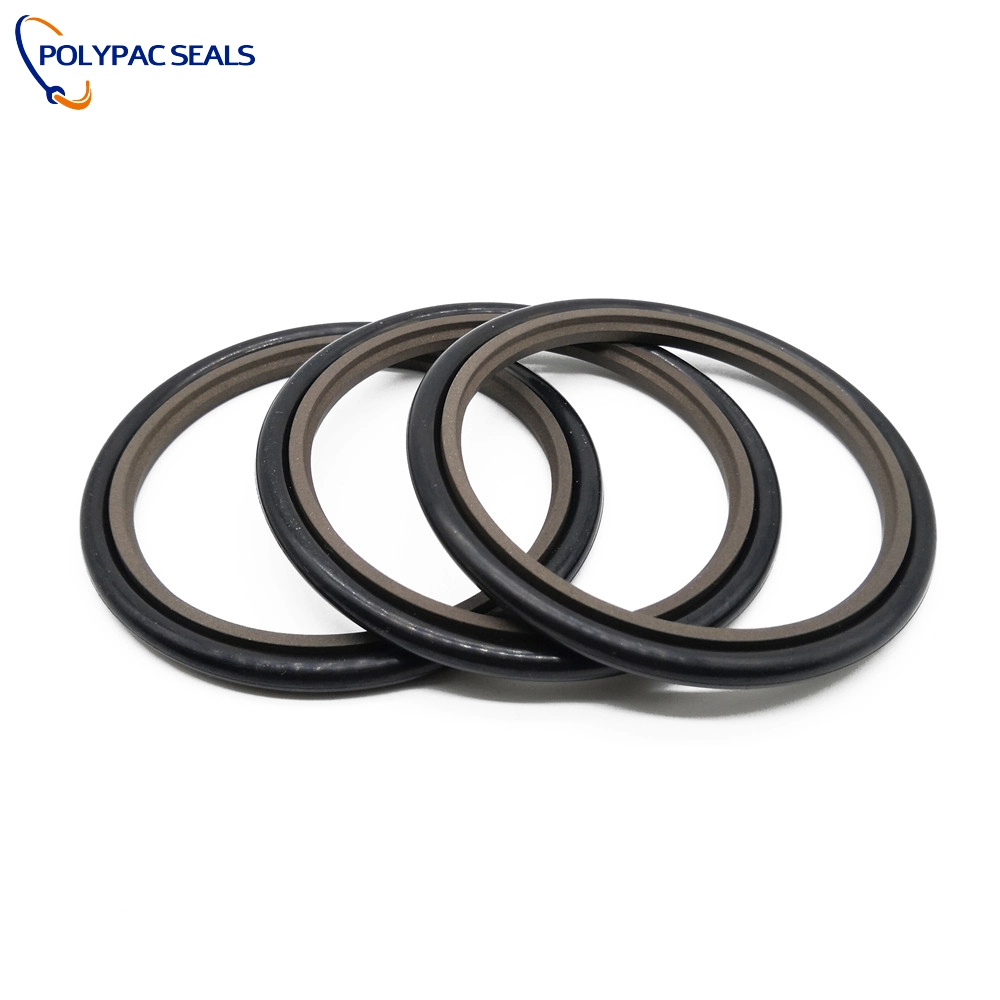
A piston lip seal is a dynamic hydraulic seal engineered with flexible, flared lips that utilize system pressure to create a tight seal against the cylinder bore. Unlike static gaskets, these dynamic sealing solutions are self-energizing, meaning the sealing force increases proportionally with the hydraulic pressure.
At Polypac Industrial Technology, we have observed that superior lip design is the deciding factor in preventing fluid bypass in reciprocating applications. With our 10,000 square meter facility dedicated to seal production, we test these profiles rigorously. A well-designed lip seal compensates for minor bore irregularities and wear, ensuring consistent power transmission even after thousands of cycles. For heavy-duty machinery, this ability to adapt to changing clearances is critical for maintaining efficiency.
Key Characteristics:
- Pressure energization: The higher the pressure, the tighter the seal.
- Wear compensation: Flexible lips expand to maintain contact as the material wears.
- Drift prevention: Essential for load-holding applications where cylinder position must not change.
Key Takeaways: Quick Selection Guide
Piston lip seals are generally the preferred choice for heavy-duty, high-pressure environments, whereas hydraulic cylinder u-cups excel in compact, lower-pressure systems. Selecting the wrong profile can lead to immediate blow-by or catastrophic extrusion.
- High-Pressure Mastery: Use robust piston lip seals for systems exceeding 5,000 PSI or those subject to shock loads.
- Space Efficiency: Choose hydraulic cylinder u-cups when gland space is limited and pressure is moderate.
- Material Matters: Polyurethane seal materials offer superior abrasion resistance, while PTFE is best for low friction and high speeds.
- Directionality: Ensure you distinguish between single-acting vs. double-acting seals during selection to prevent system failure.
Piston Lip Seals vs. U-Cups: The Core Differences
The primary difference lies in the profile robustness and pressure handling; piston lip seals often feature multi-component designs with back-up rings for extreme pressure, while u-cups are typically single-piece, self-sealing elements designed for compact grooves.
While both utilize a flexible lip geometry, their structural integrity under load varies significantly. According to the hydraulic experts at Sheffer Corporation, a dedicated lip seal piston is often recommended for load-holding applications because it prevents drift more effectively than standard u-cups, which might allow slight bypass over time. This distinction is vital for safety-critical equipment like cranes or lifts.
1. Profile Design & Installation
- U-Cups: Feature a "U" shape profile. They can be "loaded" (with an O-ring energizer) or "unloaded." They are easier to snap into closed grooves.
- Lip seals often require open grooves or split-piston designs for installation due to their stiffer, high-performance materials.
2. Pressure Handling
- U-Cups: Standard polyurethane u-cups handle up to 5,000 PSI effectively but may suffer extrusion gaps without tight tolerances.
- Lip Seals: Designed with robust heels and often paired with anti-extrusion rings, making them the standard for high-pressure hydraulic seals.
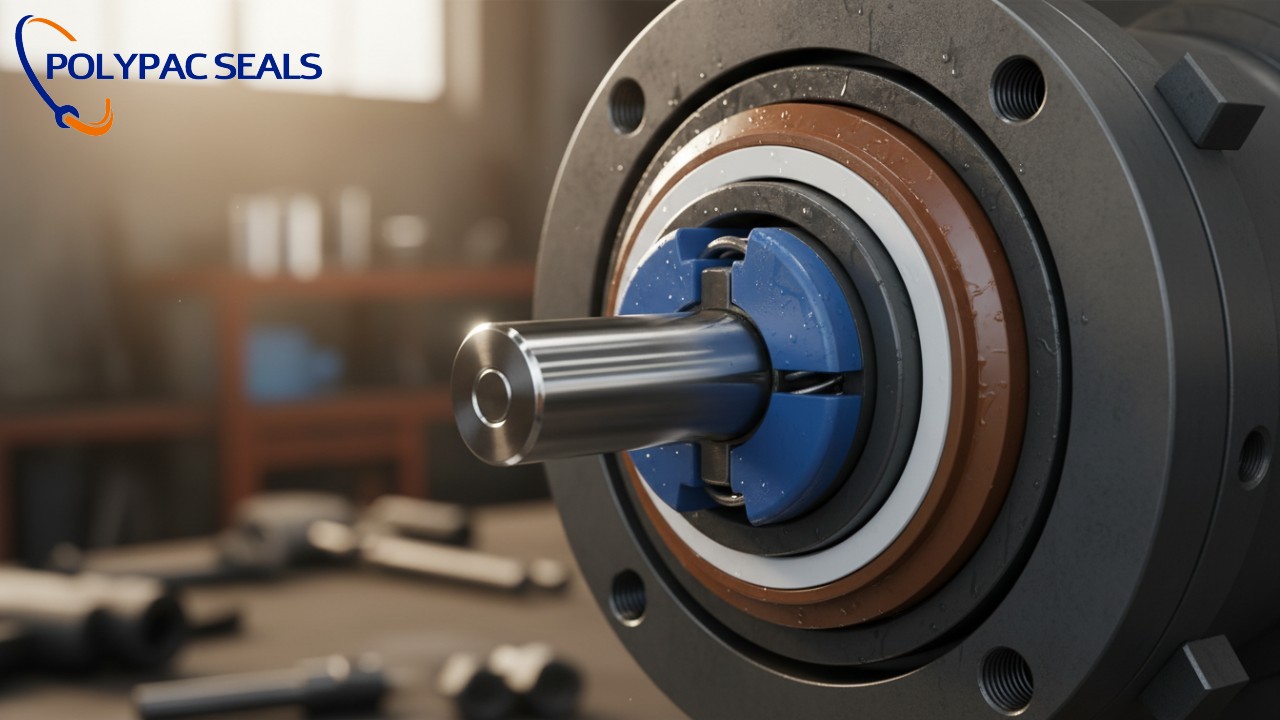
3. Friction Characteristics
- Stick-Slip: Asymmetrical lip seals are engineered to minimize the "stick-slip" effect (jerky movement), a common issue with standard symmetrical U-cups at low speeds.
Material Science 2026: The Future of High-Pressure Polymers
The future of hydraulic sealing lies in nano-polymer composites and bio-based elastomers, which are expected to redefine durability standards by 2026. As high-pressure hydraulic seals evolve, the demand for materials that can withstand higher temperatures without losing elasticity is growing.
Polypac is at the forefront of this innovation. Through our long-term cooperation with domestic and international universities, we are developing next-generation polyurethane seal materials that resist extrusion at temperatures exceeding 300°F. Our R&D focuses on "smart" materials that provide self-lubrication, reducing the need for external maintenance.
2026 Material Trends:
- Self-Lubricating PU: Reduces dynamic friction and heat generation.
- High-Temp Stability: New compounds resisting thermal degradation up to 150°C.
- Eco-Compliance: Biodegradable elastomers for environmentally sensitive industries.
Critical Selection Criteria for High-Pressure Systems
When specifying seals, you must analyze the system pressure, fluid compatibility, and temperature range to avoid premature failure. Neglecting even one of these variables can lead to costly downtime.
For instance, friction is a major killer of seals in high-speed applications. As reported by tribology data from Rodless Pneumatic, PTFE seals exhibit a coefficient of friction as low as 0.04, whereas polyurethane can range from 0.5 to 1.0. This makes PTFE the superior choice for high-speed, dry, or low-friction applications, while polyurethane remains the king of wear resistance and toughness.
Selection Checklist:
- Pressure Spikes: Does the system experience "water hammer" or shock loads? If yes, opt for heavy-duty lip seals with back-up rings.
- Fluid Type: Ensure the seal material (e.g., FKM, NBR) is compatible with your specific hydraulic fluid (mineral oil vs. water-glycol).
- Surface Finish: A rough cylinder bore will shred a seal in minutes. Aim for a surface finish of 4-16 Ra for optimal life.
Expert Tips: Avoiding Common Installation Mistakes
Installation error is the leading cause of hydraulic seal failure, often resulting from micro-cuts or incorrect orientation during assembly. Even the most expensive dynamic sealing solutions will fail if installed poorly.
Industry authorities at Parjet Seals highlight that contamination and improper installation tools are top contributors to seal failure. A tiny metal shaving or a sharp groove edge can score the lip, creating a leak path that widens under pressure.
Installation Best Practices:
- The 'Chamfer' Check: Ensure the cylinder bore has a lead-in chamfer (15-20 degrees) to guide the seal. Never force a seal over a sharp edge.
- Direction Matters: For single-acting vs. double-acting seals, verify the lip direction. The open side of the "V" or "U" must always face the pressure source.
- Cleanliness is king: clean all tools and grooves. Polypac recommends using assembly grease compatible with the system fluid to lubricate the seal before installation.
- Heat it Up: For stiff PTFE or high-hardness PU seals, gently warming the seal (in warm oil or water) can make it more pliable and easier to install without damage.
Conclusion
Piston lip seals and U-cups each serve vital roles in modern hydraulics; while U-cups offer versatility for compact designs, piston lip seals deliver the robustness required for high-pressure, heavy-duty applications. By understanding the nuances of polyurethane seal materials and profile geometry, you can significantly extend the lifecycle of your machinery. Leveraging the expertise of a manufacturer like Polypac ensures you aren't just buying a part but a tailored solution backed by rigorous R&D.
Contact us today to optimize your hydraulic sealing strategy with our custom-engineered solutions.
Frequently Asked Questions (FAQ)
What is the difference between a piston lip seal and a rod seal?
Piston seals seal between the piston and the cylinder bore (dynamic on the outer diameter), while rod seals seal between the cylinder head and the moving rod (dynamic on the inner diameter).
Can I use a U-cup in a double-acting cylinder?
Yes, but you typically need two single-acting U-cups installed back-to-back to handle pressure from both directions, whereas a specific double-acting piston seal might be more space-efficient.
What is the maximum pressure a piston lip seal can handle?
Standard lip seals handle up to 5,000 PSI. With premium materials and back-up rings, specialized designs can withstand pressures exceeding 10,000 PSI.
Why do my piston seals keep failing?
Common causes include fluid contamination, excessive heat hardening the material, extrusion due to high-pressure gaps, or installation damage.
Is polyurethane or PTFE better for piston seals?
Polyurethane is tougher and more abrasion-resistant for general hydraulics. PTFE has lower friction and wider chemical compatibility but is more susceptible to damage during installation.
How do I measure a piston seal for replacement?
Measure the cylinder bore diameter (outer diameter of the seal), the piston groove diameter (inner diameter of the seal), and the groove width (height).
What causes stick-slip in hydraulic cylinders?
Stick-slip occurs when the static friction of the seal is significantly higher than the dynamic friction, often caused by incorrect seal profiles or lack of lubrication.
How long should a hydraulic piston seal last?
Lifespan varies by application, but in a well-maintained system with clean fluid, high-quality piston seals should last thousands of hours or several years of operation.


Products
How important is surface finish on the metal parts that contact the seal?
What is the purpose of the metal spring in a rotary shaft seal?
When should I use a spring-energized seal instead of a standard elastomeric seal?
How do I choose the right material for my sealing application?
What is the difference between a static seal and a dynamic seal?
Stay Updated with Industry Insights
Subscribe to our articles and receive the latest news, expert guidance, and technical updates directly in your E-mail.
Rest assured that your privacy is important to us, and all information provided will be handled with the utmost confidentiality.

Polypac is a trusted global supplier of high-performance sealing solutions, providing OEM & ODM services for industries worldwide.
E-mail:
Phone/WhatsApp:
© 2025 Polypac Seals. All Rights Reserved.
dms
DMS
DMS