












2026 Piston Seal Guide: Optimization, Materials Science, and Efficiency
Hydraulic cylinder seals are the unsung heroes of heavy machinery, yet they remain the single most critical component for preventing pressure loss in fluid power systems. As we move into 2026, the demand for high-pressure sealing solutions has evolved, driven by the need for predictive maintenance and eco-friendly bio-polymers. Whether you are designing for construction equipment or precision automation, understanding the nuance of reciprocating seal design is paramount for operational longevity.
What is a Piston Seal and Why is it Critical for Hydraulic Systems?
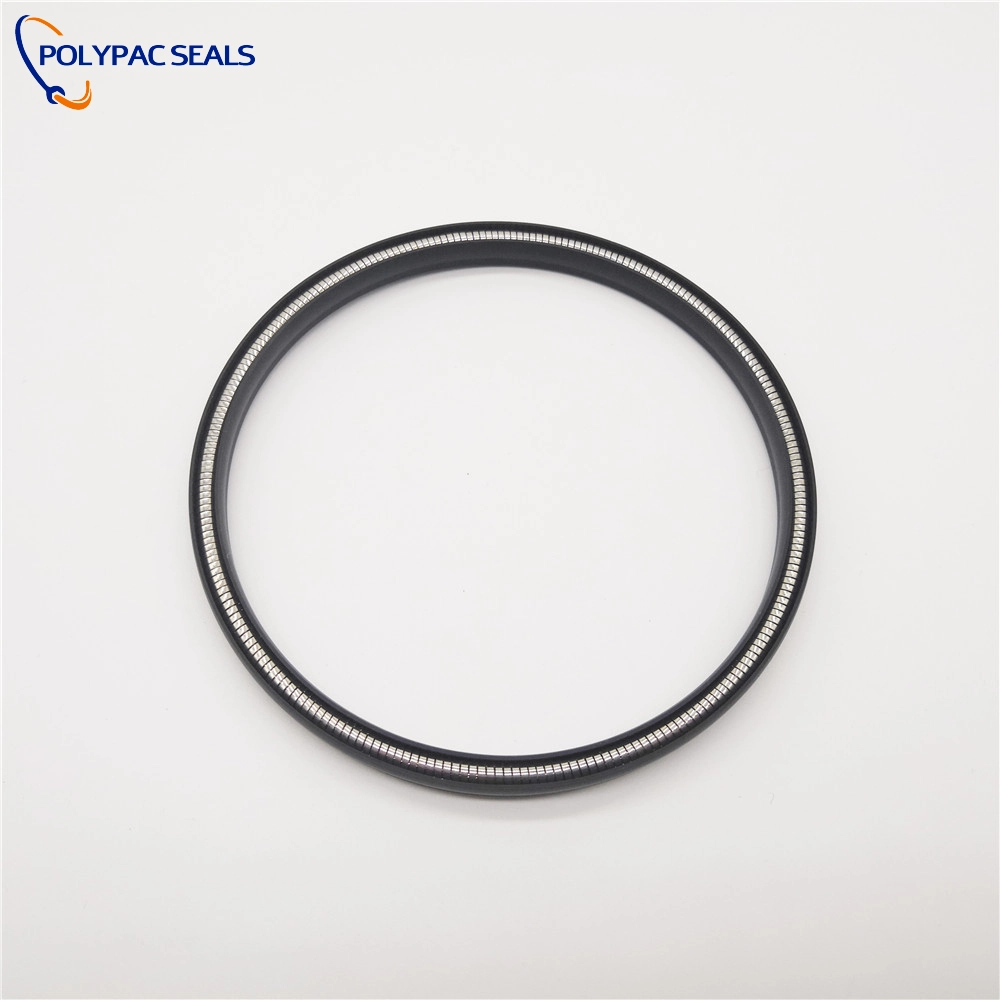
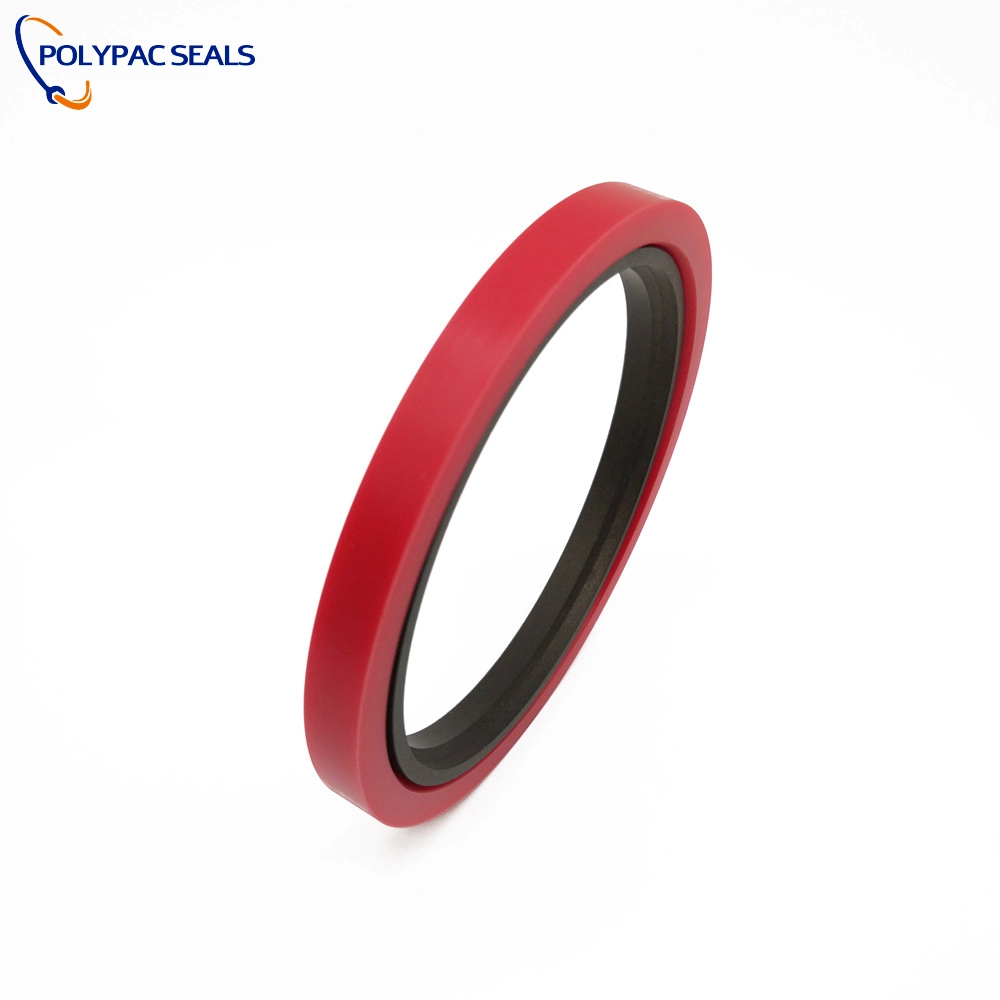
A piston seal is a dynamic sealing element installed on the piston head of a hydraulic cylinder to seal against the cylinder bore, preventing fluid from bypassing the piston and ensuring pressure build-up for linear motion.
Without this barrier, fluid would simply flow from the high-pressure side to the low-pressure side, rendering the cylinder incapable of generating force. At Polypac Industrial Technology, we have observed that seal integrity is directly linked to system stability. Since our founding in 2008, our engineers have noted that even minor defects in the seal profile can lead to "drift," where a load gradually lowers without operator input.
Key Functions:
- Pressure Maintenance: Converts fluid power into mechanical force with minimal leakage.
- Position Holding: Ensures the piston stays static under load.
- Contaminant Barrier: Prevents micro-particles from scoring the cylinder bore.
- Thermal Stability: Manages friction heat generated during high-speed stroking.

Quick Summary: Key Takeaways for System Engineers
Seal material compatibility and groove geometry are the two most decisive factors in preventing premature failure, with modern 2026 standards prioritizing extrusion resistance and friction coefficients.
For engineers specifying components today, the focus has shifted from simple leak prevention to Total Cost of Ownership (TCO) reduction. Data indicates that proactive selection of double-acting piston seals and wear rings can reduce maintenance costs by up to 70%.
Executive Summary:
- Material is King: Prioritize fluid compatibility; incompatible fluids cause swelling or hardening.
- Direction Matters: Single-acting seals hold pressure one way; double-acting seals handle bidirectional force.
- Pressure Limits: Anti-extrusion rings are mandatory for applications exceeding 250 bar (3,625 psi).
- Monitoring: Smart systems with wear ring sensors are the new standard for reducing downtime.
Single-Acting vs. Double-Acting Piston Seals: A Mechanical Comparison
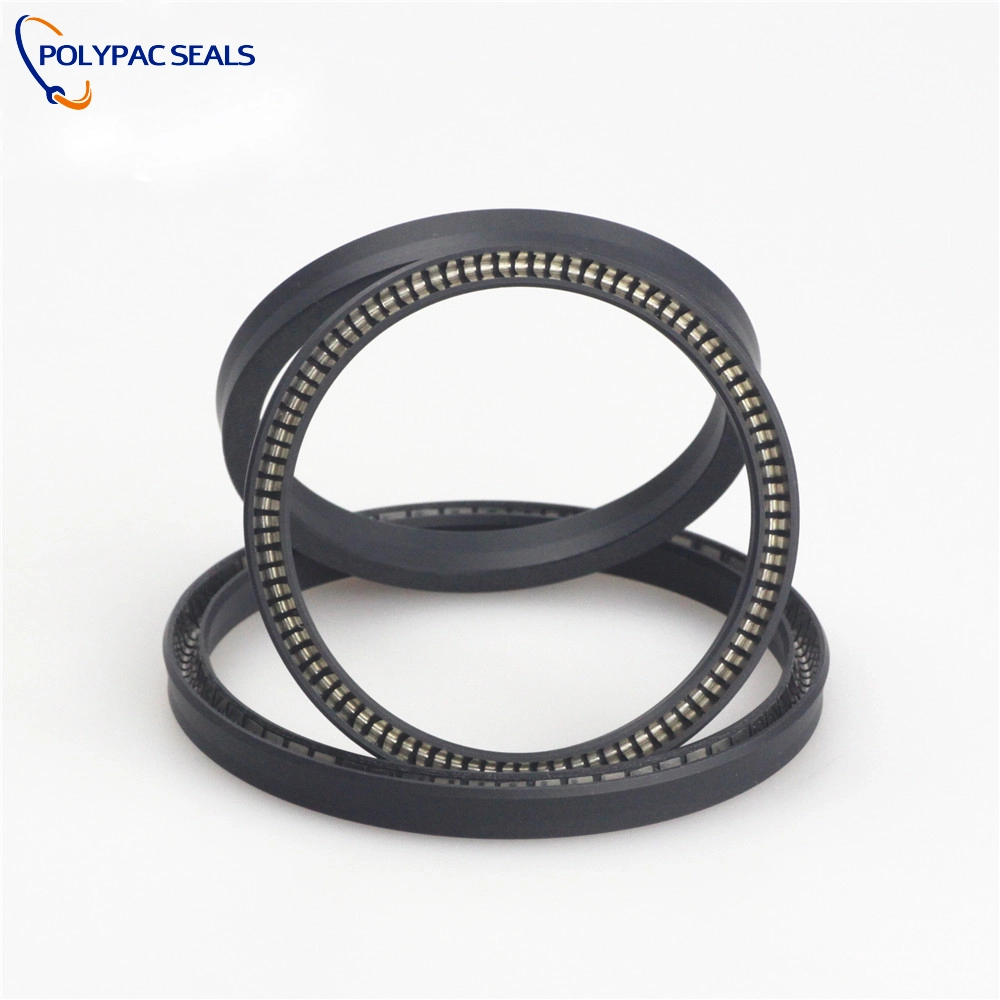
Double-acting piston seals are designed to handle pressure from both directions, enabling the cylinder to extend and retract under power, whereas single-acting seals only seal pressure from one side.
Choosing between these configurations defines the functionality of your hydraulic system. In single-acting cylinders, the return stroke is often achieved by the weight of the load or an internal spring. However, in heavy-duty industrial applications—such as those we support with our Polypac custom solutions—double-acting systems are standard because they offer precise control over both extension and retraction.
Configuration Breakdown:
- Single-Acting:
- Mechanism: Seals pressure on one side (Head or Cap end).
- Film Thickness: Thicker oil film on the return stroke can lead to external leakage if rod seals are not optimized.
- Application: Lift tables, jacks, and simple clamping devices.
- Double-Acting:
- Mechanism: Symmetrical or back-to-back sealing faces handle bidirectional pressure.
- Complexity: Requires precise groove calculations to prevent pressure traps between seals.
- Application: Excavators, injection molding machines, and aerospace actuators.
Advanced Material Science: Choosing Between PTFE, TPU, and Carbon-Filled Polymers
Seal material compatibility is the science of matching the seal's chemical composition with the hydraulic fluid and operating temperature to prevent degradation, swelling, or embrittlement.
At Polypac, our 10,000 square meter facility specializes in developing filled-PTFE and high-performance elastomers. We have seen a shift in 2025-2026 toward materials that can withstand the aggressive additives found in modern biodegradable hydraulic fluids.
Material Selection Matrix:
- PTFE (Polytetrafluoroethylene):
- Best For: High-speed, low-friction applications (Slipper Seals).
- Polypac Expertise: We manufacture bronze-filled, carbon-filled, and glass-filled PTFE to enhance wear resistance and thermal conductivity.
- TPU (Thermoplastic Polyurethane):
- Best For: High abrasion resistance and extreme pressure handling.
- Pros: Excellent tensile strength and "memory" (returns to shape after deformation).
- NBR (Nitrile Butadiene Rubber):
- Best For: General-purpose mineral oils.
- Cons: Poor resistance to ozone and UV radiation.
- 2026 Innovation: Bio-Based Polymers (derived from sugarcane or dandelion root) are emerging to meet environmental regulations without sacrificing the heat resistance of traditional FKM (Viton).
Gap Extrusion and Wear Rings: The Hidden Factors of Seal Longevity
Gap extrusion occurs when high pressure forces the seal material into the clearance gap between the piston and the cylinder bore, leading to "nibbling" and catastrophic failure.
To prevent this, engineers must calculate the Maximum Extrusion Gap (E-gap) based on the seal's Shore A hardness and the system pressure. According to ISO 7425-1 standards for piston seal housings, maintaining tight tolerances is critical. Using Guide Rings (Wear Rings) is essential to maintain concentricity and prevent metal-to-metal contact, which opens up the extrusion gap on the non-load side.
Prevention Steps:
- Tight Tolerances: Ensure machining tolerances (H8/f7) are strictly followed.
- Anti-Extrusion Rings: Use backup rings (POM or PTFE) behind the primary seal element.
- Hardness Matching: Use harder materials (e.g., 95 Shore A) for pressures >300 bar.
- Formula Reference: Max Gap $\approx$ (Bore Diameter - Piston Diameter) / 2. Ensure this value is below the seal manufacturer's limit for the operating pressure.
Smart Sealing: The Future of 2026+ Piston Technology
Smart sealing involves integrating embedded IoT sensors within the seal architecture to monitor real-time variables like temperature, pressure, and wear rates, enabling predictive maintenance strategies.
The days of "run-to-failure" are ending. Recent industry reports indicate that predictive maintenance can reduce unplanned outages by up to 50%. As Industry 4.0 matures, Polypac is exploring how intelligent sealing solutions can communicate directly with cylinder control units to flag maintenance needs before a leak occurs.
Future Trends:
- Embedded Sensors: Piezoelectric elements detecting pressure spikes inside the groove.
- Self-Lubricating Materials: Polymers that release microscopic lubricants to reduce startup friction.
- Sustainability: Closed-loop hydraulic systems paired with recyclable seal materials to lower the carbon footprint of disposal.
- Case Study: A 2025 mining application report showed that smart-ready piston arrangements reduced downtime by 40% by alerting operators to seal wear 200 hours before failure.
Expert Tips: Preventing Common Piston Seal Failure Modes
Diesel effect and contamination are the two leading causes of hydraulic seal failure, with fluid contamination responsible for nearly 80% of all system issues according to the National Fluid Power Association.
Troubleshooting these issues requires a systematic approach. At Polypac, we often analyze returned seals that show signs of "charring" or "scoring." Charring suggests the Diesel Effect—where air bubbles in the fluid are compressed rapidly, igniting and burning the seal face. Scoring indicates solid particles are trapped in the system.
Failure Prevention Checklist:
- Diesel Effect (Aeration):
- Sign: Blackened, burnt seal face.
- Fix: Bleed air from the system completely before pressurizing.
- Installation Damage:
- Sign: Cuts or slices on the seal lip.
- Fix: Use specialized assembly tools and ensure piston edges are chamfered (15-20 degrees).
- Contamination (Scoring):
- Sign: Deep longitudinal scratches on the seal or bore.
- Fix: Implement high-efficiency filtration (beta ratio > 200).
- Chemical Attack:
- Sign: Swelling, stickiness, or blistering.
- Fix: Verify fluid compatibility (e.g., do not use standard NBR with phosphate ester fluids).
Frequently Asked Questions (FAQ)
How do I know if my piston seal is failing?
Look for "cylinder drift" where the piston moves under load without operator input, decreased power output, or the inability to hold pressure. Internal bypassing often creates heat on the cylinder barrel.
What is the difference between a piston seal and a rod seal?
Piston seals are located on the piston head and seal against the cylinder bore to prevent internal leakage, while rod seals are located in the cylinder head (gland) and seal against the rod to prevent fluid from leaking out of the system.
Can I use an O-ring as a piston seal?
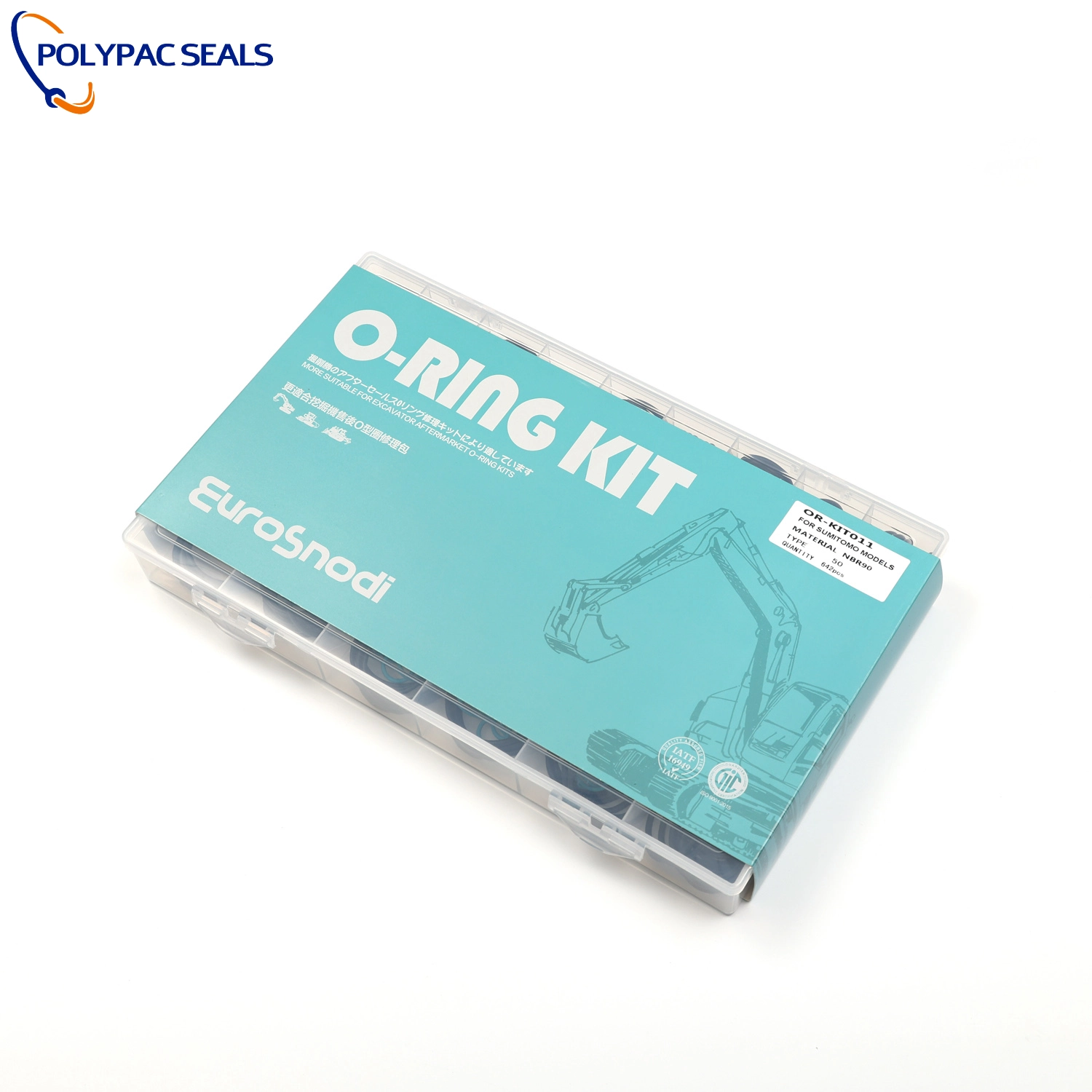
O-rings can work for static or light-duty pneumatic applications, but for high-pressure hydraulics, they are prone to spiral failure and extrusion. Dynamic piston seals with specific profiles (e.g., U-cups or Glyd rings) are strongly preferred.
What causes a piston seal to blow out?
Blowouts are typically caused by extreme pressure spikes (water hammer) exceeding the material's limit, or excessive extrusion gaps caused by worn guide rings that allow the seal to be pushed into the clearance.
How long do hydraulic piston seals typically last?
Typical lifespans range from 2,000 to 10,000 operating hours, depending heavily on fluid cleanliness, operating temperature, and the duty cycle frequency.
Are single-acting seals interchangeable with double-acting seals?
Generally, no; single-acting seals are designed for pressure from one side and may collapse or allow bypass if used in double-acting applications where back-pressure occurs.
What are the best materials for high-temperature piston seals?
Viton (FKM) and filled PTFE are the leading choices for applications exceeding 100°C, with specialty PEEK materials used for extreme environments up to 250°C.
How do you measure a piston seal for replacement?
Measure the Piston Diameter (OD), the Groove Root Diameter (ID), and the Groove Width (Height). Do not measure the worn seal itself; measure the metal groove dimensions for accuracy.
References


Products
What is the difference between a static seal and a dynamic seal?
Why did my O-ring fail prematurely?
What does "AS568" mean?
Can I reuse a seal?
What is the difference between NBR and FKM materials?
Stay Updated with Industry Insights
Subscribe to our articles and receive the latest news, expert guidance, and technical updates directly in your E-mail.
Rest assured that your privacy is important to us, and all information provided will be handled with the utmost confidentiality.
Polypac is a trusted global supplier of high-performance sealing solutions, providing OEM & ODM services for industries worldwide.
E-mail:
sales2@dmsseals.com
Phone/WhatsApp:
© 2025 Polypac Seals. All Rights Reserved.
dms
DMS
DMS