












PU (Polyurethane): The High-Performance Elastomer for Extreme Wear & Durability | Polypac
PU (Polyurethane): The Engineering Elastomer Built for Extreme Performance
In the world of sealing and industrial polymers, where toughness and longevity are paramount, one material consistently rises to the top for its exceptional mechanical properties: Polyurethane (PU), also known as AU or EU. Unlike standard rubbers valued primarily for elasticity, PU is an engineering elastomer prized for its extraordinary resistance to abrasion, cutting, tearing, and high loads. When applications involve severe wear, shock loads, or harsh contamination, PU components don't just last longer—they redefine what's possible for durability and reliability.
At Polypac, with our ISO 9001 & IATF 16949 certified focus on solutions for special working conditions, we leverage the advanced capabilities of PU to solve the toughest challenges in hydraulics, heavy equipment, and industrial automation. This guide explores the unique properties of PU and why it is the material of choice for punishing applications.
What is PU (Polyurethane)?
PU is a versatile polymer formed by reacting a polyol with a diisocyanate. Its molecular structure can be "tuned" during manufacturing, resulting in a range of materials from soft, flexible foams to the hard, rigid elastomers used in industrial components. In sealing and wear parts, we use thermoset polyurethane elastomers known for their high performance.
PU is engineered for environments where mechanical stress is the primary cause of failure, excelling in roles that demand:
-
Superior Wear Resistance: In abrasive, gritty conditions.
-
High Load-Bearing Capacity: Under extreme pressure and shock.
-
Exceptional Toughness: To resist cutting, tearing, and impact.
Key Properties and Advantages of PU
PU's performance profile makes it indispensable for specific, demanding applications:
1. Unmatched Abrasion and Cut Resistance
This is PU's signature property. Its abrasion resistance is up to 10 times greater than many standard rubbers like NBR. It withstands the scouring action of dirt, sand, and metal particles that quickly degrade other materials, making it the top choice for components in dirty environments.
2. High Tensile Strength and Tear Resistance
PU offers an outstanding combination of strength and elasticity. It has high tensile strength and, critically, excellent tear propagation resistance. A small nick or cut is less likely to spread and cause catastrophic failure.
3. Excellent Load-Bearing and Extrusion Resistance
PU has high hardness (Shore A) options that provide great resistance to deformation under heavy loads. This makes it ideal for high-pressure hydraulic seals and wear rings that must maintain their shape and prevent extrusion into gaps.
4. Good Oil and Hydraulic Fluid Resistance
Standard polyester-based PU exhibits very good resistance to petroleum-based oils, greases, and most hydraulic fluids, which are common in its target industrial and mobile equipment applications.
5. Resilience and Rebound
Despite its hardness, high-quality PU maintains good elasticity and recovery properties, allowing it to perform effectively in dynamic sealing applications.
Understanding PU's Limitations
To apply PU successfully, understanding its boundaries is crucial:
-
Temperature Range: Standard PU is typically rated for -40°C to +80°C (-40°F to +176°F). Special grades can extend this, but it is generally not suitable for continuous high-temperature service above 100°C where FKM would be preferred.
-
Hydrolysis (Water Degradation): Standard polyester-based PU can degrade in continuously hot, wet environments. For such conditions, polyether-based PU (with better hydrolysis resistance) or other materials like EPDM are recommended.
-
Weathering and Ozone: PU is not highly resistant to prolonged UV exposure and ozone unless specially compounded for outdoor use.
-
Chemical Resistance: While good with oils, PU has poor resistance to ketones, esters, strong acids, and bases.
Common Applications of PU Components
PU is the preferred solution in industries where equipment faces extreme mechanical stress:
-
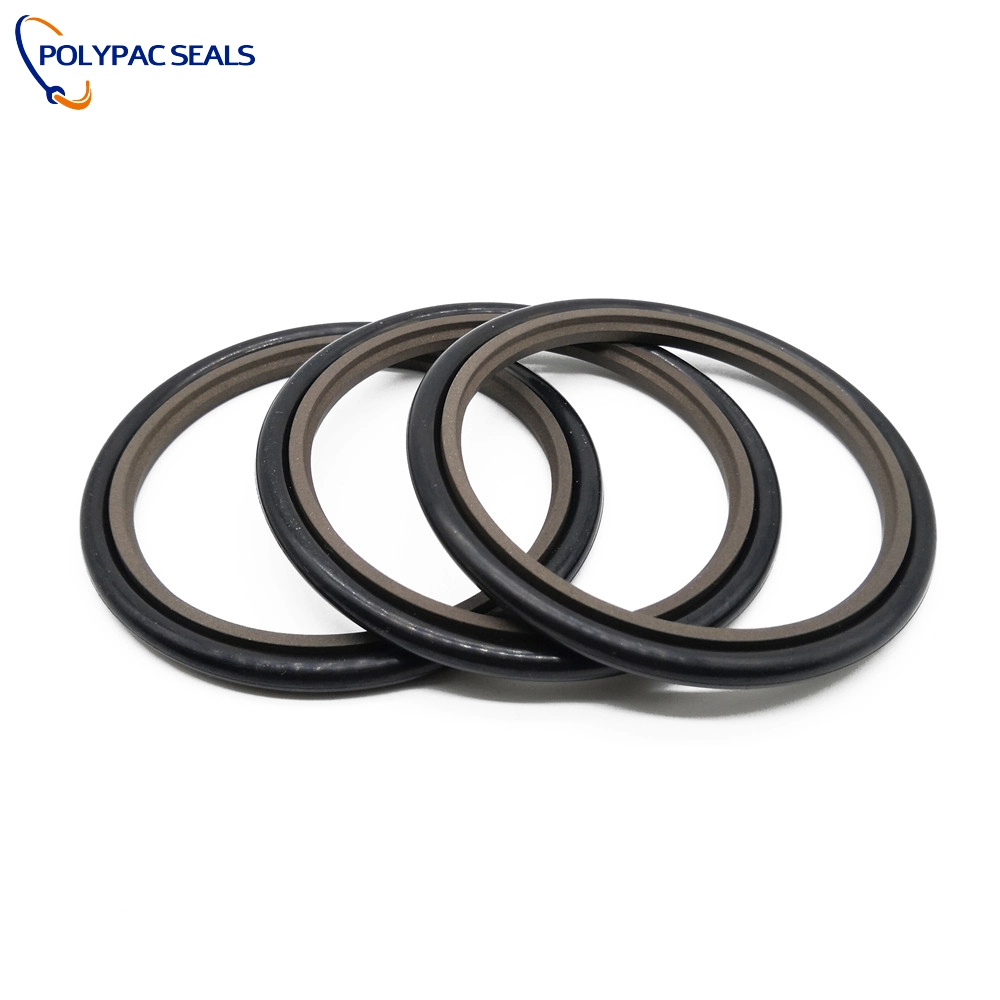
Heavy-Duty Hydraulic Seals: Rod seals, piston seals, and buffer seals in excavators, bulldozers, presses, and agricultural machinery.
-
Wiper/Scraper Seals: The #1 material for cylinder wipers due to its ability to aggressively scrape off mud and abrasive contaminants while resisting wear.
-
Wear Parts and Liners: Wear rings, guide strips, bushings, and sheet liners in material handling and processing equipment.
-
Industrial Rollers and Wheels: For high-load, high-wear applications.
The Polypac Advantage: Advanced PU Technology
We provide more than generic PU parts; we deliver engineered solutions based on deep material knowledge.
1. Strategic Grade Selection
We understand the difference between polyester and polyether PU and select the optimal base polymer for your environment—prioritizing hydrolysis resistance for wet conditions or maximizing abrasion resistance for dry, gritty applications.
2. Precision Manufacturing for Performance
PU requires precise processing. Our controlled molding and curing ensure:
-
Consistent Hardness & Density across a range of Shore A values.
-
Flawless Geometry with optimal surface finish for sealing.
-
Superior Physical Properties in every part, eliminating weak points.
3. Custom Formulation and Design
For unique challenges, our material science expertise allows for custom compound formulation and the design of complex seal profiles (like integrated wear rings and seals) that fully utilize PU's strengths.


Products
How important is surface finish on the metal parts that contact the seal?
What is the difference between a static seal and a dynamic seal?
When should I use a spring-energized seal instead of a standard elastomeric seal?
How do I choose the right material for my sealing application?
How can I prevent seal damage during installation?
Stay Updated with Industry Insights
Subscribe to our articles and receive the latest news, expert guidance, and technical updates directly in your E-mail.
Rest assured that your privacy is important to us, and all information provided will be handled with the utmost confidentiality.
Polypac is a trusted global supplier of high-performance sealing solutions, providing OEM & ODM services for industries worldwide.
E-mail:
Phone/WhatsApp:
© 2025 Polypac Seals. All Rights Reserved.
dms
DMS
DMS