












The Ultimate Guide to Rotary Shaft Seals: Types, Selection, & Advanced Applications (2026 Edition)
A comprehensive 2026 guide to rotary shaft seals, covering working principles, material selection (NBR vs. PTFE), failure analysis, and installation best practices for engineers.
Introduction
In the intricate world of rotating machinery, few components are as critical yet as frequently overlooked as rotary shaft seals. Often referred to as oil seals or radial lip seals, these devices serve as the gatekeepers of mechanical integrity, ensuring that lubricants stay in and contaminants stay out. For engineers and procurement professionals in 2026, understanding the nuances of oil seal types, material science, and tribology is no longer optional—it is essential for maximizing operational efficiency and equipment longevity.
This guide provides a deep dive into the engineering principles behind rotary seals, moving beyond basic definitions to explore advanced materials like PTFE rotary seals, complex failure modes, and the future of sealing technology. Whether you are dealing with high-speed automotive transmissions or heavy-duty industrial pumps, this resource delivers the technical expertise required to make informed selection and maintenance decisions.
What Are Rotary Shaft Seals? A Comprehensive Overview
Defining rotary shaft seals requires more than a superficial glance. While their primary designation often defaults to "oil seals," their function extends far beyond retaining oil. A rotary shaft seal is a dynamic sealing device designed to close the gap between a stationary component (the housing) and a rotating component (the shaft).
According to industry standards such as ISO 6194 and DIN 3760, these seals must perform three simultaneous functions:
1. Retention: Preventing the leakage of lubricants (oil, grease) or process fluids.
2. Exclusion: Acting as a barrier against external contaminants like dust, dirt, water, and abrasive particulates.
3. Separation: Keeping two different media (e.g., oil and water) from mixing in specific applications.
Failure in any of these areas can lead to catastrophic machine failure, underscoring the importance of precise selection and installation.
How Rotary Shaft Seals Work: Principles of Sealing
To understand how rotary seals work, one must grasp the interaction between static and dynamic forces.
Static vs. Dynamic Sealing
The outer diameter of the seal creates a static seal against the housing bore through an interference fit. This prevents leakage around the seal's periphery. The dynamic seal occurs at the interface between the sealing lip and the rotating shaft.
The Radial Force and Hydrodynamic Film
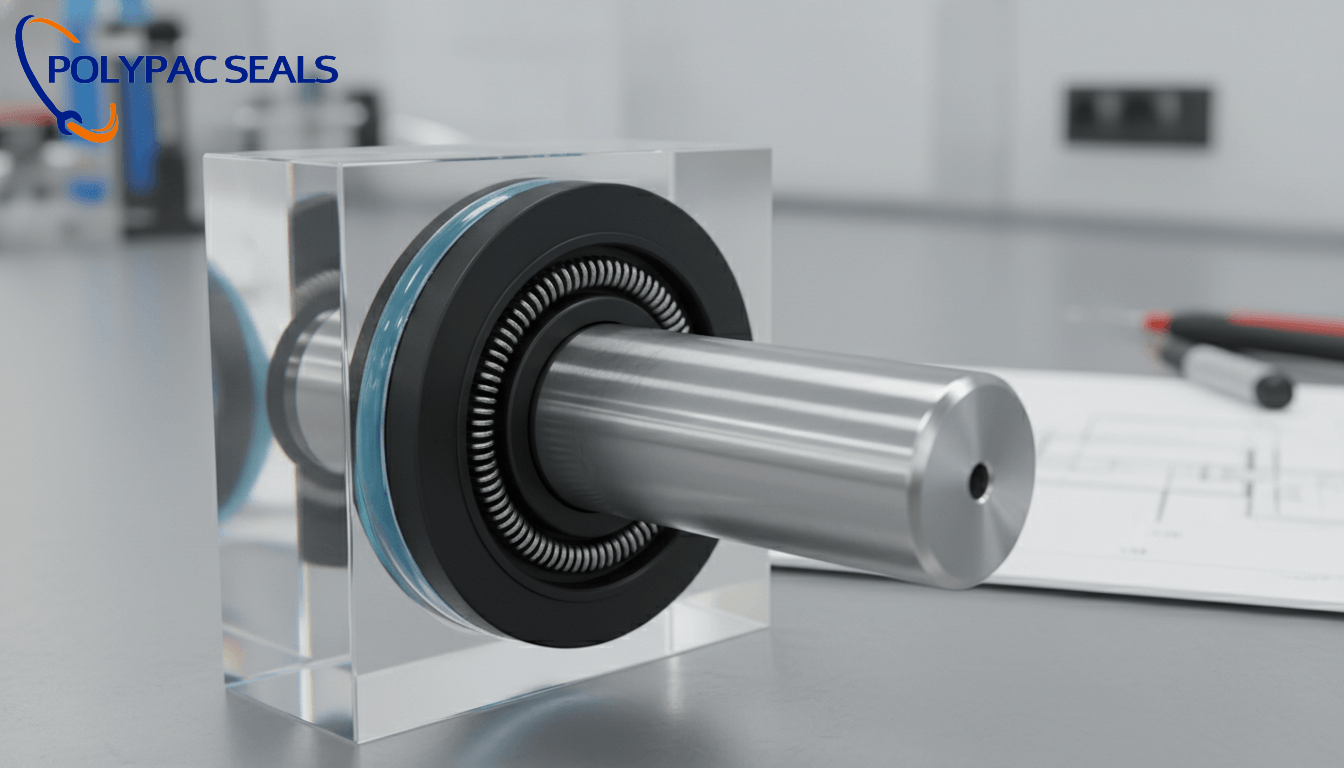
The sealing efficiency relies on a radial load exerted by the elastomeric lip, often augmented by a garter spring. However, the lip does not simply rub against the shaft. As the shaft rotates, the seal geometry promotes the formation of a microscopic hydrodynamic film of lubricant between the lip and the shaft surface. This fluid film, typically only a few micrometers thick, prevents direct contact, thereby reducing friction and wear while blocking leakage.
Key Components and Radial Lip Seal Design
A standard radial lip seal design comprises several engineered elements:
· The Sealing Lip: The most critical part, usually featuring a sharp sealing edge. The angle of the lip on the air side is steeper than on the oil side, creating a pressure distribution that pumps escaped fluid back into the system.
· The Garter Spring: A helical wire spring that ensures constant radial load, compensating for lip wear and elastomer stress relaxation over time.
· The Metal Case: Provides structural rigidity, allowing the seal to be press-fitted securely into the housing.
· Auxiliary Lips (Dust Lips): Secondary lips positioned on the air side to exclude heavy dust or contaminants.
Types of Rotary Shaft Seals: A Detailed Classification
Engineers must navigate a vast array of oil seal types to match specific application demands.
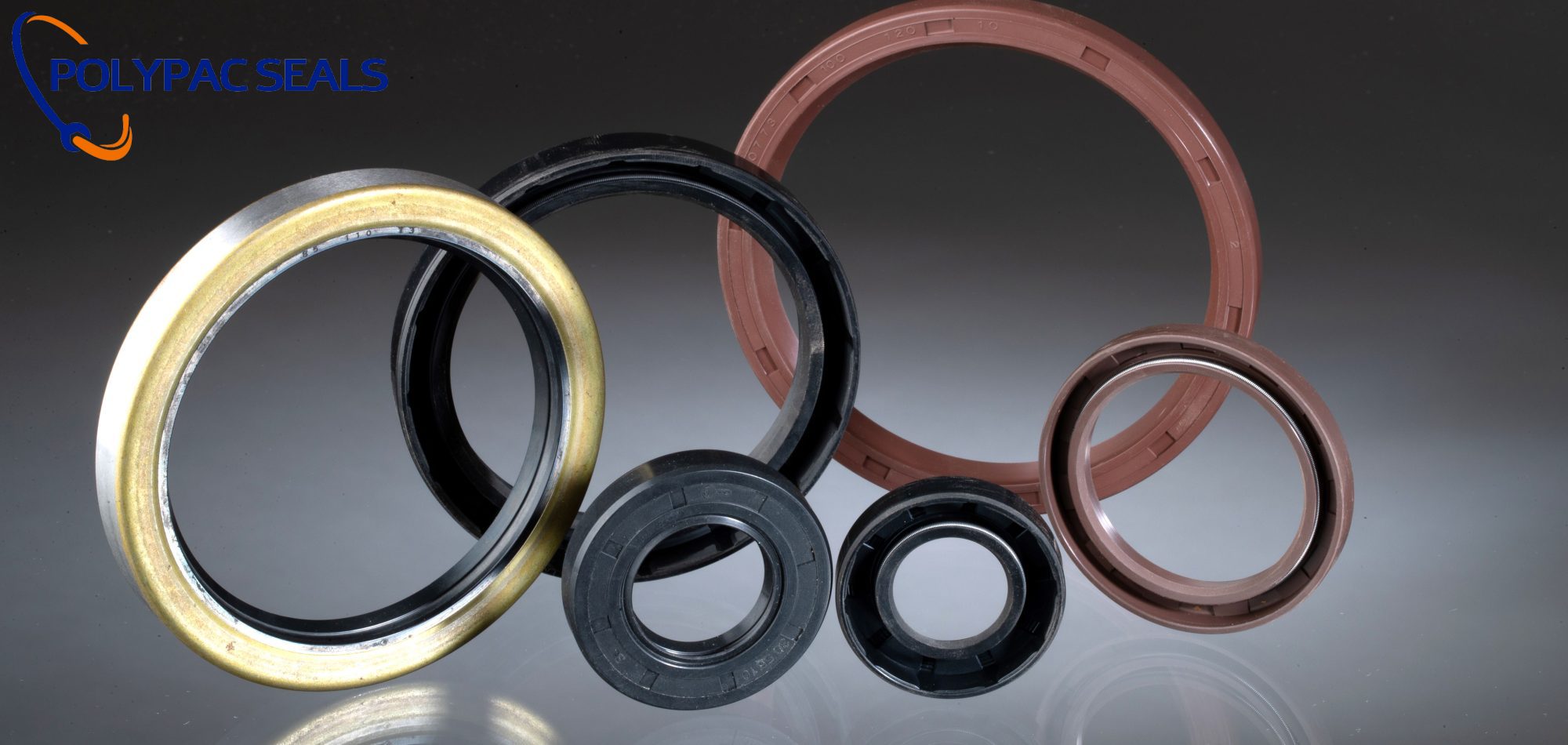
1. Radial Lip Seals (Oil Seals)
The workhorse of the industry. Variations include single lip (fluid retention only) and double lip (retention plus dust exclusion). High-pressure variants feature reinforced cages to withstand higher differential pressures.
2. Mechanical Seal vs Lip Seal
A common engineering dilemma is choosing between a mechanical seal vs lip seal.
· Lip Seals: Ideal for low-to-medium pressure (< 10 psi), moderate speeds, and compact spaces. They are cost-effective but rely on the shaft surface for sealing.
· Mechanical Seals: Utilize two flat, lapped faces (one rotating, one stationary) pressed together. They are essential for high-pressure rotary seals, zero-leakage requirements, and extreme speeds, though they are significantly more expensive and complex to install.
3. V-Ring Seals
All-rubber axial face seals that rotate with the shaft. They act as flingers, using centrifugal force to exclude dirt and water.
4. PTFE Seals
Utilizing Polytetrafluoroethylene, these seals utilize a plastic lip rather than elastomer, offering superior chemical resistance and dry-running capabilities.
Rotary Shaft Seal Materials: Properties and Applications
Material selection is the cornerstone of seal performance. The choice depends on fluid compatibility, temperature, and speed.
· Nitrile Rubber (NBR): The industry standard for mineral oils and greases. Operates effectively between -40°C and 100°C. Limitations include poor resistance to ozone and high temperatures.
· Fluorocarbon Rubber (FKM/Viton): The premium choice for high temperatures (up to 200°C) and aggressive chemicals. Essential for high-performance automotive and aerospace applications.
· Polytetrafluoroethylene (PTFE): PTFE rotary seals are unique. They offer the lowest coefficient of friction, effectively running dry if necessary. They withstand extreme temperatures (-200°C to 260°C) and virtually all chemicals but lack the elasticity of rubber, often requiring spring energization.
· Ethylene Propylene Diene Monomer (EPDM): Excellent for steam, water, and brake fluids but incompatible with petroleum oils.
· Polyacrylate (ACM): A cost-effective alternative to FKM for hot oil applications containing sulfur additives.
Comprehensive Shaft Seal Selection Guide (2026)
When specifying a seal, use the STAMPS method:
1. S - Size: Shaft diameter, bore diameter, and width. Adhere to ISO 6194 tolerances.
2. T - Temperature: Match the material's continuous operating range to the system's maximum temperature.
3. A - Application: Dynamic (rotating) vs. static. Is there shaft runout or misalignment?
4. M - Media: Ensure chemical compatibility with the lubricant and any environmental contaminants.
5. P - Pressure: Standard lip seals handle very little pressure. For systems > 0.5 bar, select specialized high-pressure rotary seals or mechanical seals.
6. S - Speed: Check the peripheral speed (m/s). FKM and PTFE handle higher surface speeds than NBR.
Rotary Seal Installation Best Practices
Even the most advanced seal will fail if installed incorrectly. Adhering to rotary seal installation best practices is mandatory for ensuring reliability.
· Surface Preparation: The shaft surface finish is critical. It should be ground to a roughness (Ra) of 0.2 to 0.8 µm. Too smooth, and it won't retain the lubrication film; too rough, and it will abrade the lip.
· Chamfer/Lead-in: The shaft end must have a chamfer (typically 15-30°) to prevent cutting the sealing lip during insertion.
· Lubrication: Never install dry. Pre-lubricate the seal lip and the shaft with the system fluid to preventing initial startup burn.
· Tools: Use a hydraulic press or a proper installation tool. Never strike the seal directly with a hammer, which can deform the metal case and cock the seal in the bore.
Rotary Seal Failure Analysis and Troubleshooting
Diagnosing issues requires a systematic rotary seal failure analysis.
· Lip Hardening/Cracking: Sign of thermal overload. Solution: Upgrade material to FKM or PTFE.
· Grooves on Shaft: Caused by abrasive particles caught under the lip. Solution: Hardened shafts (> 45 HRC) or install a wear sleeve.
· Leaking at Outer Diameter: Indicates damage to the bore or improper interference fit. Solution: Apply sealant or check housing tolerances.
· Early Leakage: Often due to installation damage (nicked lip) or reversed orientation. Solution: Review installation protocols.
Advanced & Niche Applications
High-Pressure Environments
Standard oil seals blow out under pressure. Reinforced designs with shorter, stiffer lips or backup rings are required for hydraulic pumps and motors.
Vacuum and Space
Outgassing becomes a concern. PTFE rotary seals are preferred here due to their material stability and low friction in vacuum conditions.
Food & Pharma
Requires FDA-compliant materials and hygienic designs that prevent bacteria traps (e.g., elimination of dead spaces).
The Future of Rotary Shaft Seal Technology
Looking ahead, the industry is moving toward Smart Seals embedded with sensors to monitor temperature and wear in real-time, allowing for predictive maintenance. Furthermore, the push for sustainability is driving the development of bio-based elastomers and low-friction designs that significantly reduce energy consumption in electric vehicles and industrial gearboxes.
Conclusion
The humble rotary shaft seal is a triumph of engineering, balancing conflicting forces to keep our world moving. By mastering oil seal types, understanding the critical differences in rotary shaft seal materials, and strictly following installation protocols, engineers can ensure their machinery operates at peak performance. As 2026 unfolds, the shift towards higher efficiency and advanced materials like PTFE will only deepen the reliance on these indispensable components.
Frequently Asked Questions
What is the primary cause of rotary shaft seal failure?
The most common cause is improper installation, followed closely by lubricant contamination and selecting the wrong material for the operating temperature.
Can I replace an NBR seal with a PTFE seal?
Yes, but with caution. While PTFE offers better chemical resistance, it is less elastic than NBR and may require a harder shaft surface and different installation tools (like a sizing cone).
What is the maximum pressure a standard radial lip seal can handle?
Standard radial lip seals are designed for very low pressure, typically up to 0.5 bar (7 psi). For higher pressures, specialized high-pressure seals or mechanical seals are required.
How do I measure a rotary shaft seal for replacement?
Measure the Shaft Diameter (ID), the Housing Bore Diameter (OD), and the Seal Width. Always use calipers for precision.
Why does my seal leak immediately after installation?
Immediate leakage often points to a damaged lip (cut by a sharp shaft edge during installation) or the spring popping out of its groove.


Products
Why did my O-ring fail prematurely?
What is the difference between a static seal and a dynamic seal?
When should I use a spring-energized seal instead of a standard elastomeric seal?
How can I prevent seal damage during installation?
How do I choose the right material for my sealing application?
Stay Updated with Industry Insights
Subscribe to our articles and receive the latest news, expert guidance, and technical updates directly in your E-mail.
Rest assured that your privacy is important to us, and all information provided will be handled with the utmost confidentiality.

Polypac is a trusted global supplier of high-performance sealing solutions, providing OEM & ODM services for industries worldwide.
E-mail:
Phone/WhatsApp:
© 2025 Polypac Seals. All Rights Reserved.
dms
DMS
DMS