












Rubber Seals: The Complete Guide to Elastomeric Sealing Solutions
Rubber Seals: The Fundamental Barrier Powering Modern Industry
From the intricate pathways of a medical device to the massive hydraulic rams of mining equipment, rubber seals are the unsung heroes that contain fluids, exclude contaminants, and maintain pressure in countless systems worldwide. As versatile, elastomeric components, they are fundamental to efficiency, safety, and reliability across every industrial sector. However, not all rubber seals are created equal. Their performance hinges on the precise selection of material and design for the specific demands of the application.
At Polypac, with our ISO 9001 & IATF 16949 certified expertise and specialization in sealing solutions for special working conditions, we engineer and supply rubber seals that do more than just fill a gap—they deliver engineered performance. This comprehensive guide explores the vast world of rubber sealing technology.
What Are Rubber Seals?
Rubber seals are components made from elastomeric materials (synthetic or natural rubber) designed to prevent the passage of fluids or gases between two mating surfaces. They work by deforming under compression to fill imperfections and create a leak-tight barrier.
Their core functions are universal:
-
Containment: Keeping liquids (oil, water, fuel) or gases inside a system.
-
Exclusion: Preventing external contaminants like dirt, dust, and moisture from entering.
-
Separation: Maintaining different pressures or media in adjacent chambers.
-
Insulation & Damping: Providing electrical insulation or vibration damping in some applications.
The Critical Role of Material Science
Choosing the correct elastomer is the single most important decision in sealing. Each material has a unique chemical and physical profile.
1. Nitrile Rubber (NBR / Buna-N)
-
The Workhorse: Excellent resistance to petroleum-based oils, fuels, and water.
-
Temperature: -40°C to +100°C.
-
Best For: General-purpose hydraulic seals, O-rings, gaskets. Cost-effective and widely used.
2. Fluorocarbon Rubber (FKM / Viton®)
-
The High-Performer: Superior resistance to high temperatures, chemicals, and oils.
-
Temperature: -20°C to +200°C+.
-
Best For: Automotive (fuel systems, seals), aerospace, chemical processing. A premium material for extreme conditions.
3. Ethylene Propylene Diene Monomer (EPDM)
-
The Weathering Specialist: Outstanding resistance to hot water, steam, ozone, and weathering.
-
Temperature: -40°C to +150°C.
-
Best For: Automotive cooling systems, outdoor electrical enclosures, plumbing.
4. Silicone Rubber (VMQ)
-
The Temperature Extremist: Excellent flexibility from extreme cold to high heat; highly inert.
-
Temperature: -60°C to +225°C.
-
Best For: Food & medical applications, high-temperature gaskets, appliance seals.
5. Polyurethane (PU / AU)
-
The Abrasion King: Exceptional abrasion resistance, high tensile and tear strength.
-
Temperature: -40°C to +80°C.
-
Best For: Hydraulic cylinder seals (especially rod seals and wipers), heavy-duty wear parts.
Common Types of Rubber Seals
The geometry of a seal determines its application and performance.
1. O-Rings
-
The universal sealing solution. Used in static and dynamic applications in thousands of standardized sizes (AS568). Simple, effective, and cost-efficient.
2. Hydraulic & Pneumatic Seals
-
Rod Seals: Prevent leakage from a cylinder as the rod moves.
-
Piston Seals: Seal between the piston and cylinder bore in double-acting cylinders.
-
Wiper/Scraper Seals: Protect the cylinder from external contamination.
-
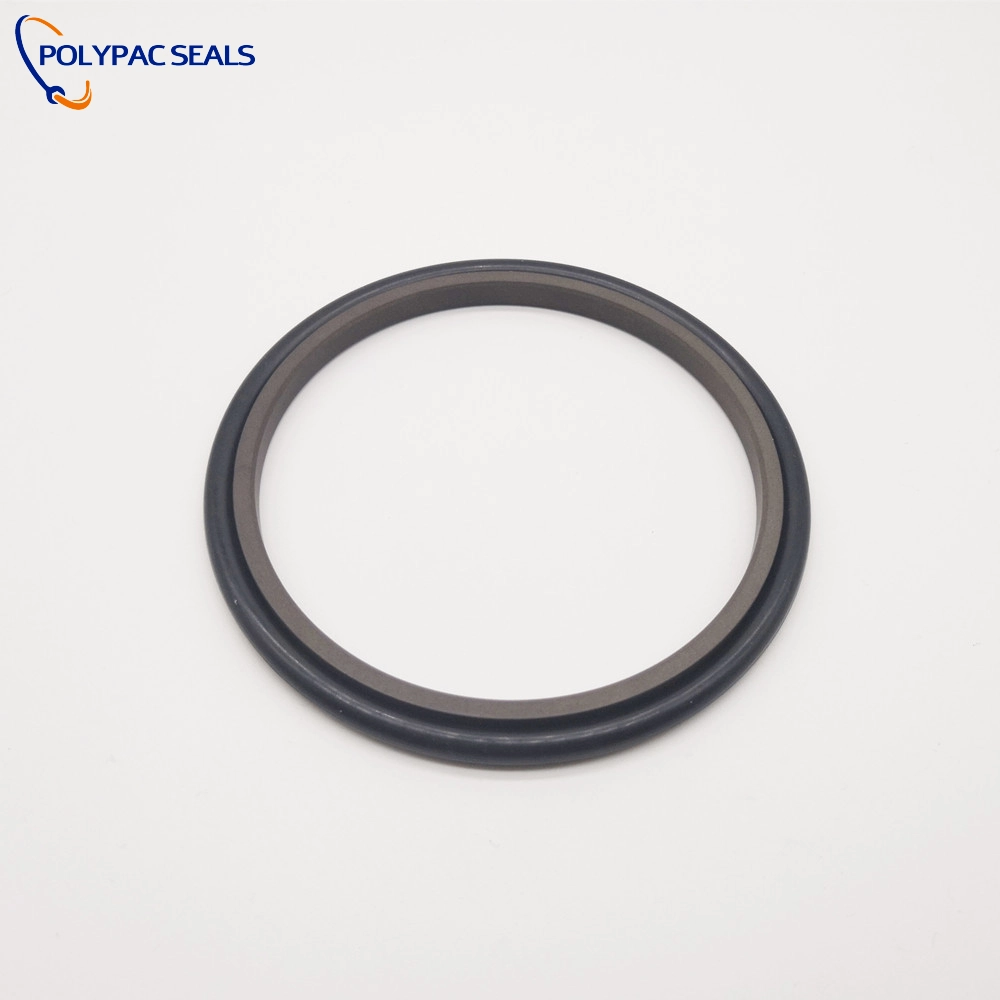
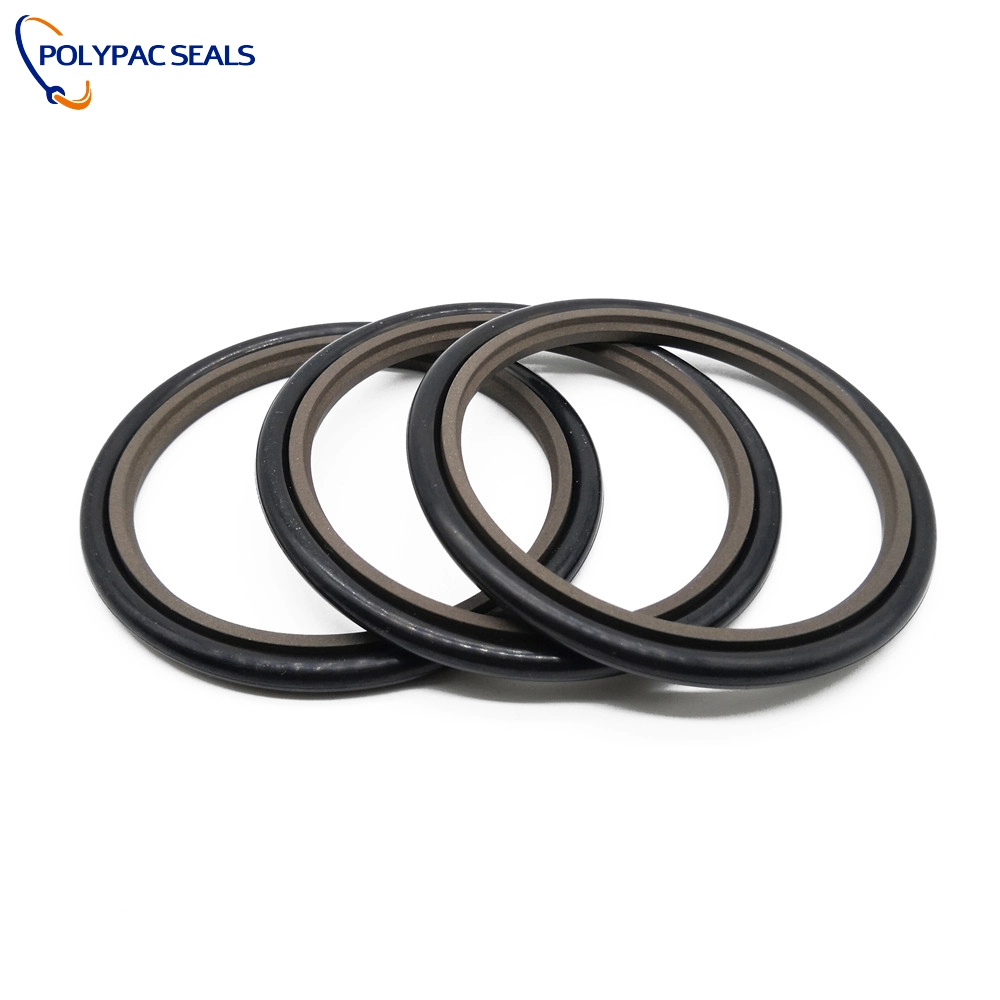
These often have complex profiles (U-cups, step seals, etc.) for specific functions.
3. Gaskets
-
Custom-shaped seals for static flanges and housings (e.g., in engines, pumps, pipe connections). Can be cut from sheet material or molded.
4. Rotary Shaft Seals (Oil Seals)
-
Designed to retain lubricant and exclude contaminants on a rotating shaft. Feature a sealing lip and often a spring for constant tension.
5. Diaphragms & Bellows
-
Flexible, dynamic seals that translate pressure into motion or protect components from the environment.
The Polypac Advantage: Engineered Sealing Solutions
We go beyond supplying standard parts to providing solutions backed by engineering expertise.
-
Material Development: Our in-house capabilities allow for custom elastomer compounding to meet unique challenges, such as extreme temperatures or compatibility with new synthetic fluids.
-
Precision Manufacturing: Utilizing advanced molding, extrusion, and machining, we produce seals with exacting tolerances and consistent quality, critical for reliable performance.
-
Application Engineering Support: Our technical team assists with seal selection, gland design review, and failure analysis to ensure optimal system integration and longevity.
-
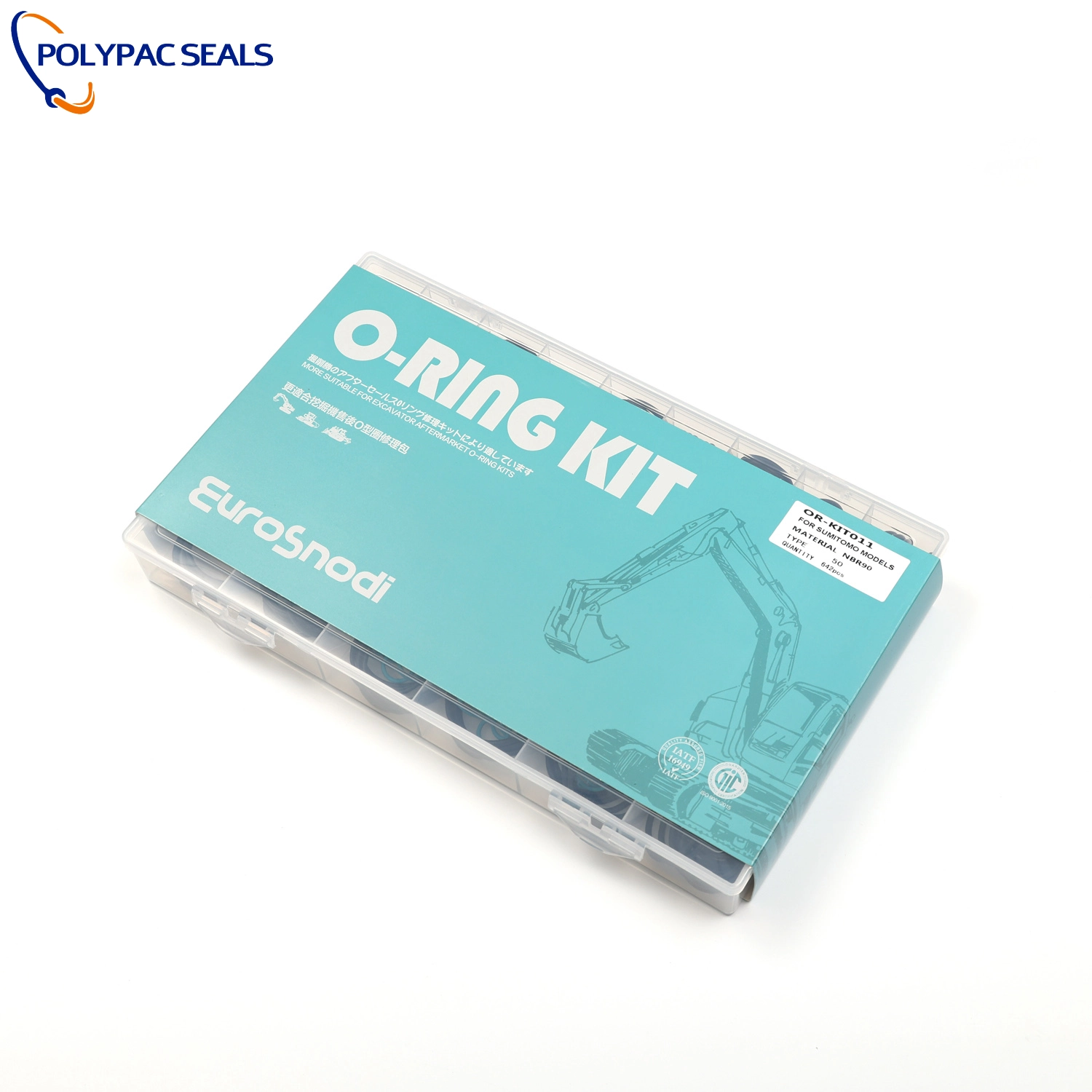
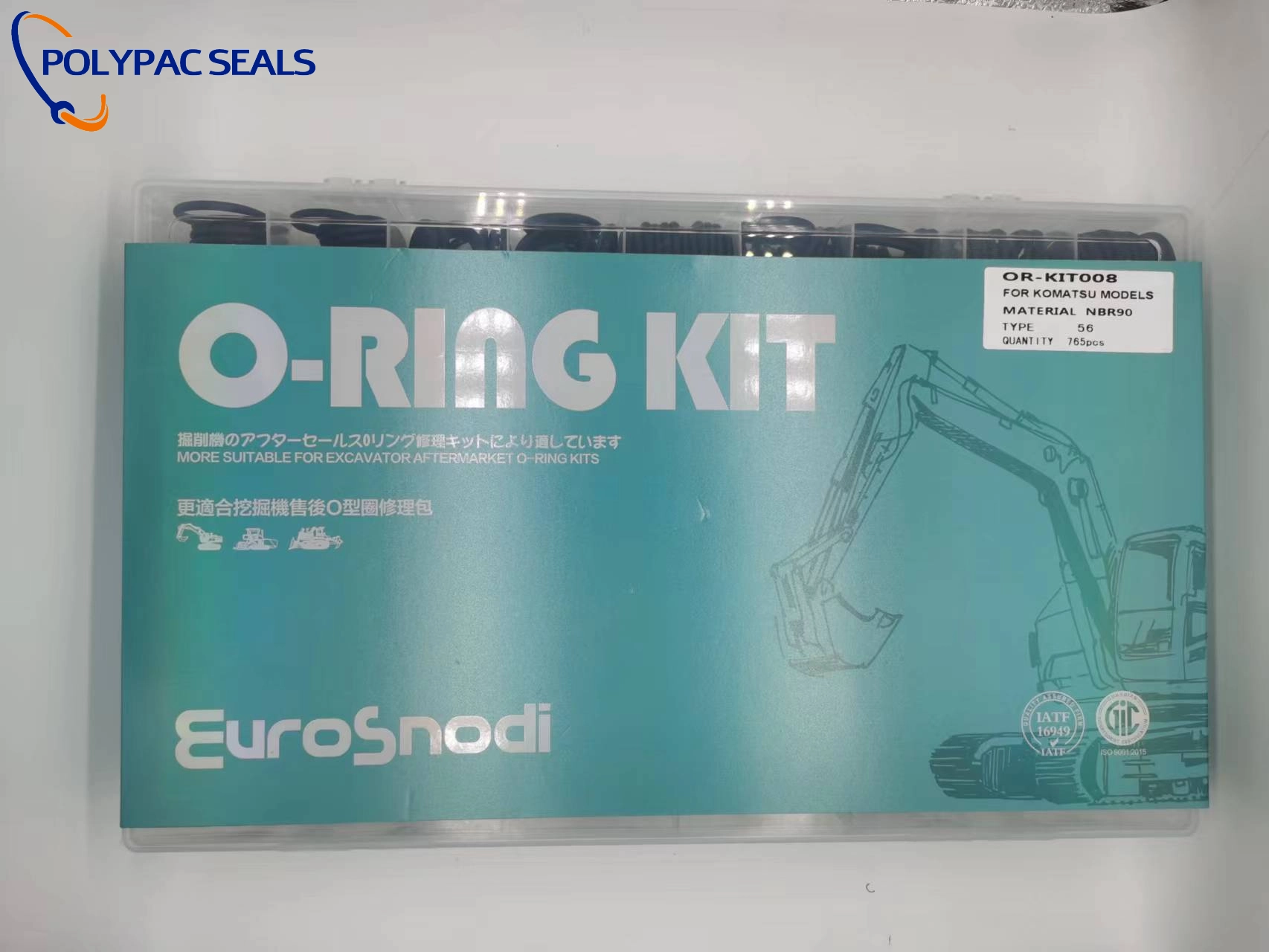
Complete System Kits: For maintenance and repair, we offer comprehensive sealing kits that ensure all components work in harmony for a successful rebuild.
Selecting the Right Rubber Seal: A Practical Guide
Follow these key steps to ensure success:
-
Identify the Media: What fluid or gas is being sealed? (Check chemical compatibility charts).
-
Determine Operating Conditions: Temperature range (min/max) and pressure (static, dynamic, peak).
-
Define the Application: Static, dynamic (reciprocating, rotating), exposure to UV/ozone, presence of abrasives.
-
Consider Industry Standards: Are there specific requirements (e.g., FDA for food, USP Class VI for medical, ATEX for explosion-proof)?
-
Consult with Experts: When in doubt, partner with a technical sealing supplier like Polypac.


Products
How important is surface finish on the metal parts that contact the seal?
What is the difference between a static seal and a dynamic seal?
Why did my O-ring fail prematurely?
When should I use a spring-energized seal instead of a standard elastomeric seal?
What does "AS568" mean?
Stay Updated with Industry Insights
Subscribe to our articles and receive the latest news, expert guidance, and technical updates directly in your E-mail.
Rest assured that your privacy is important to us, and all information provided will be handled with the utmost confidentiality.

Polypac is a trusted global supplier of high-performance sealing solutions, providing OEM & ODM services for industries worldwide.
E-mail:
Phone/WhatsApp:
© 2025 Polypac Seals. All Rights Reserved.
dms
DMS
DMS