












Scraper Seals: The Ultimate 2026 Guide to Selection, Types, and System Longevity
An authoritative guide on scraper (wiper) seals, covering their critical role in preventing hydraulic failure, material comparisons (PU, NBR, PTFE), installation best practices, and future IoT trends for 2026.
Did you know that 75% to 80% of hydraulic system failures are caused by fluid contamination? According to data from Antares Engineering Services and Ready Machinery Movers, microscopic particles entering a system can cause catastrophic damage to pumps and valves. This statistic highlights the critical importance of the humble scraper seal (also known as a wiper seal). In this comprehensive guide, we explore how these components serve as the first line of defense in contamination control in fluid power, ensuring your machinery operates efficiently well into 2026 and beyond.
What are Scraper Seals (Wiper Seals)?
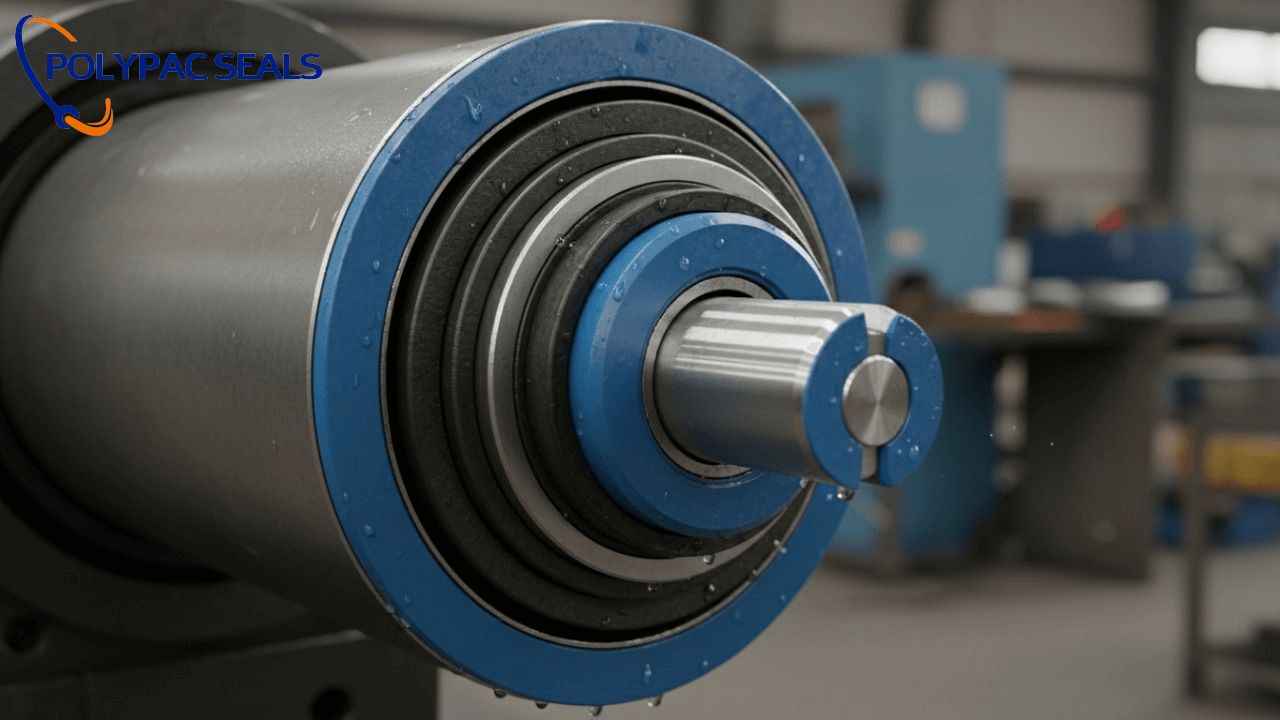
Scraper seals are dynamic hydraulic components designed to physically clean the piston rod as it retracts, preventing external contaminants from entering the cylinder.
Often serving as the primary barrier in industrial sealing solutions, these seals essentially "scrape" debris off the rod. While their main function is exclusion, they must also allow a microscopic film of oil to remain on the rod to lubricate the main rod seal. Without a functioning scraper seal, dirt, mud, moisture, and abrasive grit would bypass the rod seal, mixing with the hydraulic fluid. This mixture acts like a grinding compound, destroying hydraulic cylinder seals, scoring the rod, and eventually causing complete system failure.
Key Takeaways: Scraper Seals at a Glance
· Primary Function: To exclude external contaminants (dust, dirt, water) from hydraulic and pneumatic cylinders.
· Critical Impact: Directly prevents up to 80% of hydraulic failures caused by fluid contamination.
· Variety: Available in single-acting, double-acting, metal-cased, and snap-in designs.
· Material Selection: Success depends on matching the material (PU, NBR, PTFE) to the environment (heat, abrasion, chemicals).
Why Scraper Seals are Critical for System Longevity
Scraper seals act as the system's bodyguard, protecting sensitive internal components from the aggressive external environment.
When a hydraulic cylinder rod extends, it is exposed to the elements. In industries like construction, mining, or agriculture, this means exposure to mud, ice, coal dust, and weld spatter. If these contaminants are pulled back into the cylinder during the retraction stroke, the damage is twofold:
1. Immediate Seal Damage: Abrasive particles can tear the primary rod seal, leading to immediate fluid leakage.
2. System-Wide Contamination: Once inside, particles circulate with the fluid, damaging pumps, valves, and other actuators downstream.
Effective wiper seal applications significantly reduce the Total Cost of Ownership (TCO) by extending maintenance intervals. By keeping the fluid clean, you protect the investment of the entire machine, not just the cylinder.
Types of Scraper Seals and Their Unique Features
Scraper seals are generally categorized by their action (single or double) and their structural design (metal-cased or rubber-free).
Choosing the right type depends on the severity of the environment and the housing design.
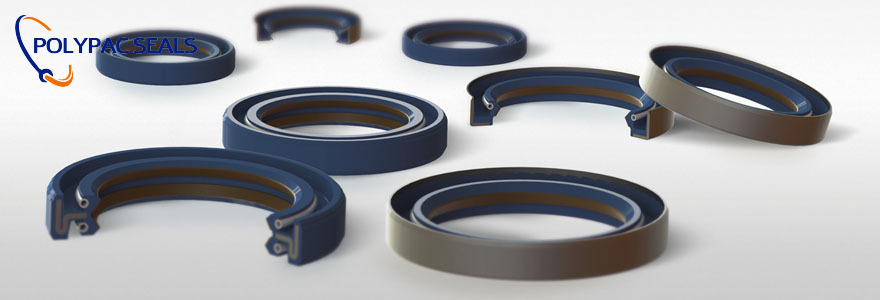
· Single-Acting Scraper Seals: These feature a single wiping lip designed strictly for exclusion. They are ideal for dry, dusty environments but may leave a thicker oil film on the rod.
· Double-Acting Scraper Seals: These have two lips—an external scraper lip to remove dirt and an internal sealing lip to scrape back residual oil. This reduces oil leakage (weeping) and improves the overall sealing efficiency.
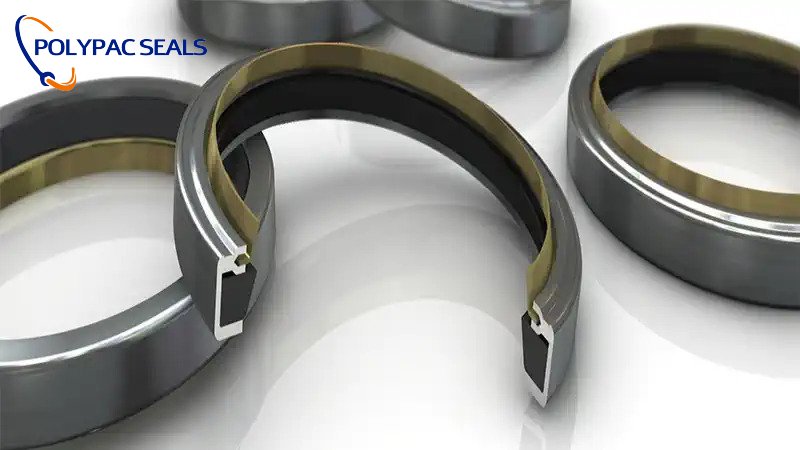
· Metal-Cased (Press-Fit): These scrapers have a steel outer shell that is press-fitted into an open groove. They offer excellent stability and are often used in heavy-duty mobile hydraulics where ice or mud could dislodge a softer seal.
· Snap-In (Flexible): Made entirely of polymer or rubber, these can be deformed to fit into a closed groove (recessed housing). They are easier to install and replace.
Understanding Scraper Seal Materials: Properties and Applications
The longevity of a scraper seal is dictated by its material compatibility with the operating temperature, fluid, and abrasive conditions.
A proper scraper seal materials comparison is essential for engineers. According to SkyQuest and other industry reports, material science is evolving, but the core four materials remain dominant:
· Polyurethane (PU):
Best For: Heavy-duty abrasion resistance.
Pros: Exceptional toughness, tear strength, and wear resistance. Ideal for earthmoving equipment.
Cons: Limited high-temperature range (typically up to +110°C) and susceptible to hydrolysis in hot water.
· Nitrile Butadiene Rubber (NBR):
Best For: General-purpose industrial applications.
Pros: Excellent compatibility with mineral oils and greases. Cost-effective.
Cons: Poor resistance to ozone, sunlight, and weathering. Max temp around +100°C.
· Polytetrafluoroethylene (PTFE/Teflon):
Best For: High speed, low friction, and chemical resistance.
Pros: Handles extreme temperatures (-200°C to +260°C) and almost all chemicals. Low coefficient of friction prevents stick-slip.
Cons: Non-elastic (requires an O-ring energizer) and can be easily damaged by coarse grit.
· Viton® (FKM):
Best For: High-temperature and chemical environments.
Pros: Withstands temperatures up to +200°C and aggressive fluids.
Cons: Expensive and poor low-temperature flexibility.
How to Select the Right Scraper Seal: A Comprehensive Guide
Selection requires analyzing the environmental severity, operating parameters, and adherence to housing standards like ISO 6195.
To ensure you choose the correct component, follow this checklist:
1. Analyze the Contaminants:
Fine Dust: Requires a sharp, preload lip (usually NBR or PU).
Mud/Ice: Requires a heavy-duty metal-cased scraper with a robust lip.
Weld Spatter: Requires a metallic scraper or specialized heat-resistant material.
2. Check Dimensions and Standards: Adhere to BS ISO 6195:2013 (and its 2021 update), which specifies dimensions and tolerances for wiper ring housings. Ensuring your housing matches these global standards guarantees compatibility with replacement parts.
3. Speed and Friction: High-speed reciprocating rods (>1 m/s) generate heat. PTFE scrapers are preferred here to prevent lip burning.
4. Fluid Compatibility: Ensure the inner side of the wiper (which touches the oil film) is compatible with the hydraulic fluid used (e.g., standard mineral oil vs. biodegradable fluids).
Installation Best Practices for Optimal Scraper Seal Performance
Proper installation prevents immediate seal damage, ensuring the scraper functions correctly from the first stroke.
Failures often occur before the machine even starts due to poor assembly techniques.
· Cleanliness: Thoroughly clean the housing groove. Even a small metal chip left from machining can cut the new seal.
· Inspect Components: Check the piston rod for burrs, nicks, or rust. A damaged rod will shred a new wiper seal in minutes.
· Use Installation Tools: For snap-in seals, use a kidney-shape deformation tool to fold the seal without making sharp creases. Do not use screwdrivers, which can puncture the rubber.
· Lubrication: Lightly lubricate the seal and the groove with system-compatible fluid to ease installation.
· Orientation: Ensure the scraping lip faces outward (towards the environment).
Maintenance, Troubleshooting, and Longevity Tips
Routine visual inspection of the scraper seal is the most effective preventative maintenance strategy for hydraulic cylinders.
Since the wiper is visible externally, it offers early clues about the system's health.
· Sign of Failure: Leakage. If you see oil leaking past the wiper, the main rod seal has likely failed, but the wiper might also be worn (double-acting types).
· Sign of Failure: Cracked Lip. Vertical cracks indicate heat aging or ozone attack (common in NBR).
· Sign of Failure: Grooved Rod. If the rod shows longitudinal scratches, the wiper has failed to exclude particles, or a hard particle has become embedded in the wiper lip.
· Troubleshooting Tip: If a wiper seal pushes out of its housing, check for excessive pressure build-up between the rod seal and the wiper (pressure trapping). You may need a vented wiper design.
The Future of Scraper Seal Technology: Innovations for 2026+
The future of sealing lies in IoT integration and sustainable materials, moving from passive components to active system monitors.
As we look toward 2026, the industrial sealing solutions market is evolving rapidly:
· Smart Seals (IoT): Manufacturers are developing seals with embedded sensors. These "smart seals" can measure temperature, pressure, and wear in real-time, sending data to a central dashboard to predict failure before it happens.
· Sustainable Materials: With a push for greener industry, bio-based polymers are being tested that offer the abrasion resistance of PU without the environmental footprint.
· Predictive Maintenance: Instead of scheduled replacement, seals will dictate their own maintenance schedules based on actual wear data, optimizing uptime and reducing waste.
Conclusion: Empowering Your Systems with Superior Scraper Seals
Scraper seals are small components with a massive responsibility. By effectively blocking contaminants, they safeguard the entire hydraulic system, preventing costly downtime and extending the life of expensive machinery. Whether you are selecting a heavy-duty PU scraper for an excavator or a high-speed PTFE wiper for a manufacturing robot, understanding the nuances of material and design is key. As technology advances into 2026, staying informed about smart sealing solutions will provide a competitive edge in maintaining operational excellence.


Products
Can I reuse a seal?
How can I prevent seal damage during installation?
When should I use a spring-energized seal instead of a standard elastomeric seal?
How important is surface finish on the metal parts that contact the seal?
What is the difference between a static seal and a dynamic seal?
Stay Updated with Industry Insights
Subscribe to our articles and receive the latest news, expert guidance, and technical updates directly in your E-mail.
Rest assured that your privacy is important to us, and all information provided will be handled with the utmost confidentiality.

Polypac is a trusted global supplier of high-performance sealing solutions, providing OEM & ODM services for industries worldwide.
E-mail:
Phone/WhatsApp:
© 2025 Polypac Seals. All Rights Reserved.
dms
DMS
DMS