












Maximizing Hydraulic Efficiency: How to Select the Perfect Piston Rod Seal Material for Any Environment
Quick Summary: Key Takeaways for Engineers
Material selection is the single most critical factor in preventing hydraulic leakages and maximizing cylinder lifespan. While seal geometry is important, the chemical and physical properties of the material dictate whether a system fails or performs.
- Polyurethane (PU) is the industry standard for wear resistance, while FKM/Viton excels in high heat.
- Ignore the "one-size-fits-all" myth; environmental factors like fluid chemistry and rod speed dictate choice.
- Tribological properties of seal materials—how they interact with friction and lubrication—determine the longevity of the rod plating.
- Future-proofing involves selecting materials compatible with emerging 2026 eco-regulations.
What is a hydraulic piston rod seal, and why is material critical?
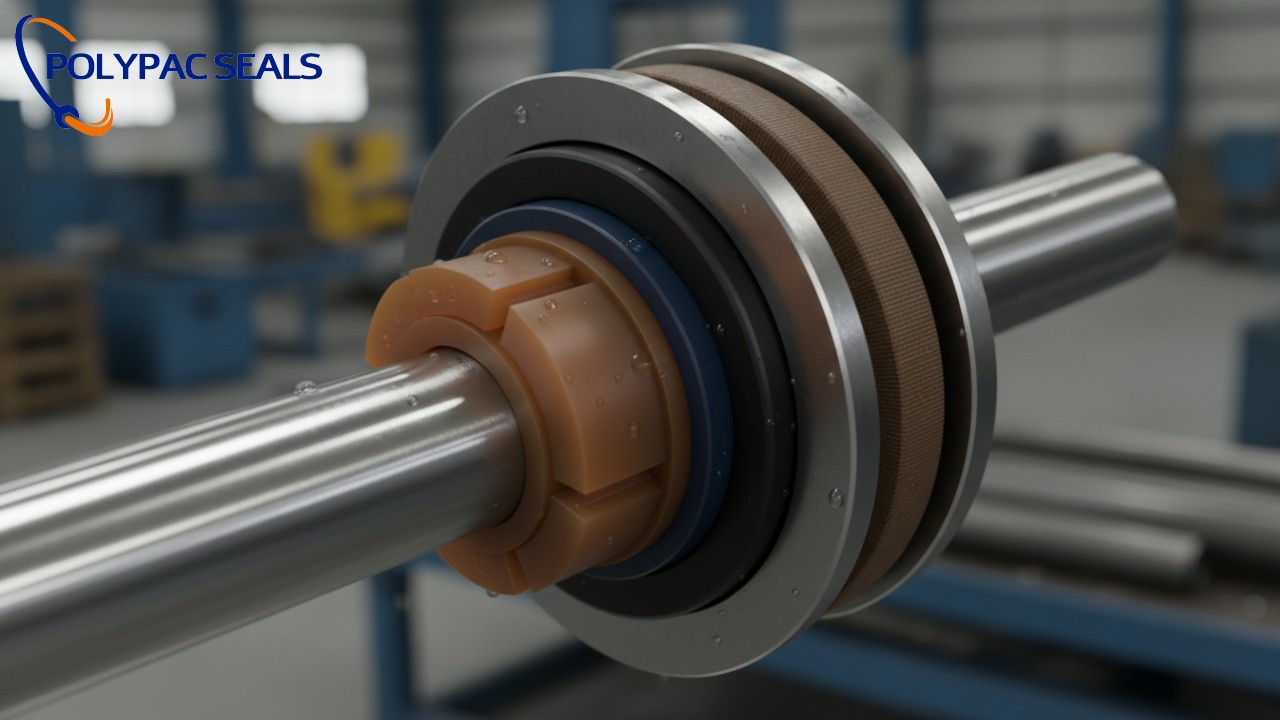
A hydraulic piston rod seal is a dynamic sealing device installed in the cylinder head that prevents fluid leakage while maintaining a thin lubrication film on the reciprocating rod to minimize friction and wear. It acts as the primary barrier against environmental contaminants entering the system.
The Role of Material Science in Sealing
Selecting the wrong material leads to immediate extrusion, chemical swelling, or brittle cracking, causing catastrophic hydraulic cylinder sealing system failure. The seal must maintain contact with the rod under fluctuating pressures while resisting the abrasive action of the rod surface. If the material is too soft, it extrudes; if it is too hard, it cannot compensate for rod deflection.
According to the International Organization for Standardization (ISO), maintaining fluid cleanliness standards (ISO 4406) is critical, but even clean fluid cannot save a seal that is chemically incompatible with the media.
The STAMPS Methodology: A Framework for Selection
To ensure dynamic sealing efficiency, engineers should apply the STAMPS framework before specifying any component. This method filters out incompatible options early in the design phase.
- Size: Ensuring the seal profile matches the groove dimensions and extrusion gaps.
- Temperature: Choosing materials that maintain elasticity in extreme cold (-50°C) or stability in high heat (+200°C).
- Application: Differentiating between heavy-duty earthmoving (shock loads) vs. precision industrial robotics.
- Media: Verifying chemical compatibility with mineral oils, water-glycol, or biodegradable esters.
- Pressure: Selecting hardness grades (Shore A) capable of resisting high-pressure extrusion.
- Speed: Specific materials required for high-velocity stroking (>0.5 m/s) to prevent stick-slip.
Comparative Analysis: Top Rod Seal Materials Explained
Different environments demand specific chemical structures. Below is a breakdown of the most common materials used by leading manufacturers like Polypac Industrial Technology Co., Ltd.
1. Polyurethane (PU)
- Best For: Heavy-duty mobile hydraulics, high abrasion resistance.
- Pros: Exceptional tensile strength and wear resistance. Modern formulations offer improved hydrolysis resistance.
- Cons: Standard grades can degrade in water-based fluids at high temperatures.
2. Nitrile Rubber (NBR)
- Best For: General industrial applications, low-pressure systems.
- Pros: Cost-effective and widely compatible with standard mineral oils.
- Cons: Limited temperature range (-30°C to +100°C) and poor resistance to ozone/weathering.
3. Fluoroelastomer (FKM/Viton)
- Best For: High-temperature environments (+200°C) and aggressive chemicals.
- Pros: Excellent chemical resistance and stability in extreme heat.
- Cons: Poor low-temperature flexibility and lower abrasion resistance than PU.
4. PTFE (Teflon)
- Best For: High-speed applications and low-friction requirements.
- Pros: Lowest coefficient of friction; chemically inert.
- Cons: Inelastic (requires an O-ring energizer) and susceptible to plastic deformation (creep).
Since its founding in 2008, Polypac has specialized in optimizing these materials, particularly filled PTFE (bronze, carbon, graphite, and MoS₂), to enhance load-bearing capabilities.
Environment-Specific Selection Guide
Matching the material to the operating environment is the only way to guarantee longevity. The compatible hydraulic fluid types available today—from standard mineral oils to fire-resistant fluids—require precise material matching.
- Arctic & Cold Storage: Utilize specialized low-temp PU compounds. Standard materials will shatter at sub-zero temperatures.
- Steel Mills & Foundries: Implement fire-resistant fluid-compatible seals (HFC/HFD) capable of withstanding radiant heat.
- Marine & Offshore: Select materials resistant to salt spray corrosion and bio-oil hydrolysis. This often requires hydrolysis-resistant polyurethane, which prevents the polymer chains from breaking down in humid or water-rich environments.
- Food & Pharma: FDA-compliant materials that tolerate frequent high-pressure washdowns and cleaning agents.
Standard testing methods, such as those outlined by ASTM International, allow engineers to predict how elastomer seals will react to industrial hydraulic fluids before installation.
Expert Tips: Avoiding Common Specification Mistakes
Even with the right material, physical application errors can compromise the seal. Understanding the tribological properties of seal materials is essential for optimizing the interface between the rod and the seal.
1. Surface Finish Matters
- Rough Rods: Act like a file, shredding soft materials like NBR quickly.
- Smooth Rods: Overly polished rods (<0.1 µm Ra) prevent lubrication retention, leading to high friction and heat generation.
- Tip: Aim for a surface finish of Ra 0.1-0.3 µm for optimal seal performance.
2. The "Stick-Slip" Phenomenon
In low-speed, high-precision applications, rubber seals can stick to the rod and then slip suddenly, causing jerky movement. Polypac engineers often recommend PTFE-based compounds for these scenarios due to their low static friction.
3. Thermal Load Calculation
Failures often occur because engineers calculate temperature based on the fluid tank, not the seal interface. Frictional heat generation can raise the local temperature at the seal lip by 20°C-50°C above the bulk fluid temperature. Always calculate the 'PV value' (Pressure x Velocity) to determine the true thermal load.
Future Trends: Rod Sealing Technology in 2026 and Beyond
The hydraulic landscape is shifting towards sustainability and intelligence. As regulations tighten, the demand for eco-friendly solutions is reshaping material science.
- Smart Seals: Introduction of seals with embedded IoT sensors to monitor wear and predict failure before it occurs.
- Bio-Based Polymers: A shift towards materials derived from renewable resources that offer high performance with a lower carbon footprint.
- PFAS Regulations: Stricter regulations on "forever chemicals" are likely to phase out certain traditional PTFE formulations, pushing manufacturers to develop novel alternative fluoropolymers.
- Self-Lubricating Compounds: Development of materials designed to run dry in case of lubrication failure, enhancing safety.
Conclusion & Call to Action
Selecting the perfect piston rod seal material requires balancing pressure, temperature, fluid chemistry, and friction requirements. By utilizing the STAMPS method and understanding material properties, you can extend maintenance intervals and reduce downtime. At Polypac, our 10,000 square meter factory and long-term cooperation with research universities allow us to develop customized sealing solutions for even the most demanding conditions.
Contact Polypac today to discuss your specific needs.


Products
What is the purpose of the metal spring in a rotary shaft seal?
What is the difference between a static seal and a dynamic seal?
How important is surface finish on the metal parts that contact the seal?
Why did my O-ring fail prematurely?
What is the difference between NBR and FKM materials?
Stay Updated with Industry Insights
Subscribe to our articles and receive the latest news, expert guidance, and technical updates directly in your E-mail.
Rest assured that your privacy is important to us, and all information provided will be handled with the utmost confidentiality.

Polypac is a trusted global supplier of high-performance sealing solutions, providing OEM & ODM services for industries worldwide.
E-mail:
sales2@dmsseals.com
Phone/WhatsApp:
© 2025 Polypac Seals. All Rights Reserved.
dms
DMS
DMS