












راهنمای جامع رینگهای برفپاککن در سال ۲۰۲۶: طراحی صنعتی، انتخاب مواد و بهینهسازی عملکرد
راهنمای جامع حلقههای برفپاککن صنعتی برای سال ۲۰۲۶، شامل انتخاب مواد (PTFE، HNBR)، معماریهای طراحی (Tapered در مقابل Napier) و ظهور سیستمهای آببندی هوشمند و مجهز به اینترنت اشیا برای نگهداری پیشبینیشده.
حلقه برف پاک کن چیست؟
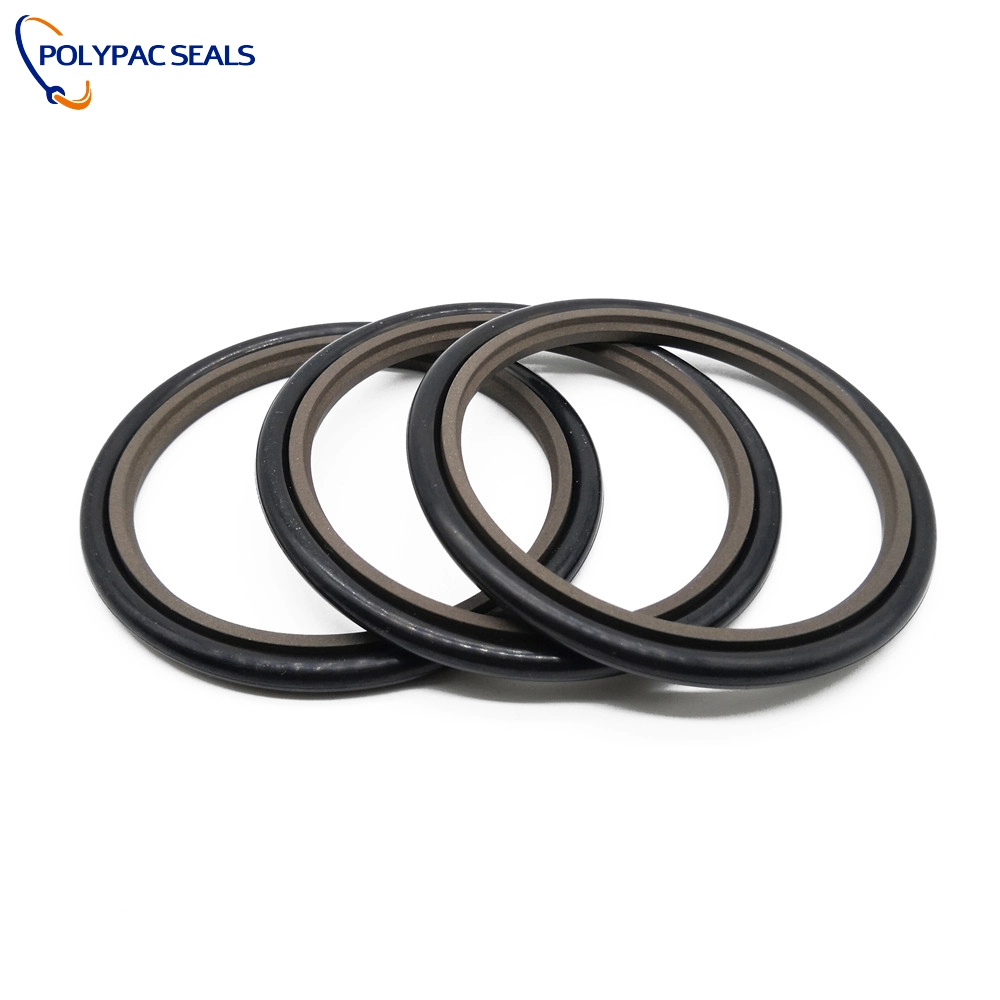
حلقه پاک کننده یک جزء آب بندی تخصصی است که برای جلوگیری از ورود آلاینده هایی مانند گرد و غبار، رطوبت و آوار به سیستم های هیدرولیک یا پنوماتیک طراحی شده است.
این قطعه به عنوان مکانیسم دفاعی اصلی روی میله سیلندر عمل میکند و تضمین میکند که ذرات خارجی به داخل محفظه داخلی جذب نشوند. با حفظ خلوص سیستم، این اجزا از سایش سایشی روی آببندهای ثانویه حیاتی جلوگیری میکنند و چرخه عمر ماشینآلات صنعتی با دقت بالا را به طور قابل توجهی افزایش میدهند.
عملکردهای کلیدی آببندهای برفپاککن هیدرولیک:
·استثنا:در طول حرکت جمع شدن، گرد و غبار، گل و لای و یخ محیطی را از روی میله میتراشد.
·احتباس:برفپاککنهای دوکاره به حفظ لایه روغن باقیمانده برای روانکاری میله کمک میکنند.
·حفاظت:جلوگیری میکندپیشگیری از آلودگی میلهخرابی، که علت اصلی خرابی سیستم هیدرولیک است.
خلاصه سریع: نکات کلیدی برای مهندسان
عملکرد اصلی: پاک کردن آلایندههای خارجی ضمن حفظ لایه روانکاری داخلی.
برای مهندسان و متخصصان تدارکات، درک مشخصات اصلی برای استراتژیهای تأمین منابع در سال ۲۰۲۶ حیاتی است. بازار در حال تغییر به سمت موادی است که سازگاری با محیط زیست را با دوام بسیار بالا متعادل میکنند.
بینشهای اصلی:
۱.تغییرات اصلی:خراشندههای تکاثره برای جمعآوری زبالههای سنگین در مقابل اجزای آببندی خراشنده دواثره برای جمعآوری گرد و غبار ریز و احتباس مایعات.
۲.مواد بحرانی:پلی اورتان (PU) برای مقاومت در برابر سایش بالا،PTFEبرای کاربردهای با سرعت بالا و HNBR برای نوسانات شدید دما.
۳.تأثیر صنعت: آببندهای برفپاککن هیدرولیکبرای بیلهای مکانیکی ساختمانی، ارابههای فرود هوافضا و اتوماسیون موتورهای دریایی ضروری هستند.
تکامل مواد حلقه برف پاک کن: استانداردهای 2026
استاندارد ۲۰۲۶ برای مواد پاککننده، الاستومرهای با کارایی بالا و بیوپلیمرهای سازگار با محیط زیست را که در شرایط سخت مقاومت میکنند، در اولویت قرار میدهد.
همزمان با اینکه ماشینآلات صنعتی به سمت فشارهای بالاتر و فواصل سرویس طولانیتر سوق داده میشوند، علم مواد نیز تکامل یافته است. دادهها ازآینده تحقیقات بازار (2024)پیشبینی میشود بازار آببندهای هیدرولیکی تا سال ۲۰۳۵ به بیش از ۲۳ میلیارد دلار برسد که عمدتاً به دلیل پیشرفت در دوام مواد و مقاومت شیمیایی است.آببندهای کمپرسور رفت و برگشتیاکنون به موادی نیاز است که بتوانند در محیطهای شیمیایی تهاجمی بدون تخریب دوام بیاورند.
ماتریس مقایسه مواد:
·PTFE (پلی تترافلوئورواتیلن):استاندارد طلایی برای اصطکاک کم و گرمای زیاد. ایدهآل برای کمپرسورهای رفت و برگشتی با سرعت بالا. مقاومت شیمیایی استثنایی ارائه میدهد اما به دلیل نداشتن خاصیت ارتجاعی، به یک منبع انرژی (مانند اورینگ) نیاز دارد.
·HNBR (لاستیک نیتریل بوتادین هیدروژنه):از نظر مقاومت در برابر سایش و حرارت (تا ۱۵۰ درجه سانتیگراد) از نیتریل استاندارد (NBR) برتر است. این ماده به طور فزایندهای در کاربردهای خودرو و نفت و گاز مورد استفاده قرار میگیرد.
·پلی اورتان (PU):رایجترین ماده برایحلقههای روغنزدادر تجهیزات ساختمانی به دلیل چقرمگی و مقاومت در برابر "خوردگی" یا اکستروژن.
·بیوپلیمرها:مواد زیست تخریبپذیر نوظهور برای برآورده کردن مقررات جدید زیستمحیطی در اتحادیه اروپا و آمریکای شمالی مورد توجه قرار گرفتهاند.
معماری طراحی: حلقههای مخروطی در مقابل حلقههای نپیر
رینگهای پاککن مخروطی از یک لبه تیز و چاقو مانند برای جدا کردن ذرات از روی میله استفاده میکنند، در حالی که رینگهای نپیر دارای یک برش زیرین برای کنترل ضخامت لایه روغن هستند.
انتخاب هندسه صحیح به اندازه انتخاب مواد حیاتی است. یک استانداردطراحی مخروطی رینگ پیستونبر روی خراشیدن شدید تمرکز دارد و آن را برای محیطهای کثیف مانند معدن ایدهآل میکند. با این حال، اگر عمل پاک کردن ...همتهاجمی است، میتواند میله را از روغن کاری محروم کند و باعث خشک کار کردن و تولید گرما شود.
تفاوتهای معماری:
۱.برف پاک کن مخروطی:
ایمکانیسم:لبه تیز، فشار تماسی بالایی برای از بین بردن گل و لای و یخ اعمال میکند.
ایبهترین برای:تجهیزات سنگین خاکبرداری در مناطقی که آلودگی خارجی زیاد است.
۲.حلقه نپیر (تراشنده):
ایمکانیسم:شامل یک حجم کمکی (برش زیرین) است که به حلقه اجازه میدهد روغن را در طول حرکت جمع شدن پاک کرده و به سیستم بازگرداند.
ایبهترین برای:کاهش نشتی در سیلندرهای هیدرولیک و جلوگیری از ایجاد تله فشار بین برف پاک کن و آب بند میله اصلی.
تحلیل شکاف: آببندیهای هوشمند و نگهداری پیشبینیشده
سیستمهای آببندی هوشمند اکنون حسگرهای اینترنت اشیا را در خود جای دادهاند تا فرسودگی را تشخیص داده و قبل از اینکه باعث از کارافتادگی شود، خرابی را پیشبینی کنند.
یک شکاف اساسی در استراتژیهای آببندی سنتی، تکیه بر نگهداری برنامهریزیشده به جای نظارت مبتنی بر شرایط است. طبق گزارشهای اخیر صنعت، نگهداری پیشبینیشده میتواند زمان از کارافتادگی برنامهریزینشده را تا 30٪ کاهش دهد.برفپاککنهای هوشمنداز لایههای الاستومر رسانا برای ارسال دادههای بلادرنگ در مورد سایش لبه و افزایش دما به یک داشبورد مرکزی استفاده کنید.
روندهای صنعتی آینده در سال ۲۰۲۶:
·دوقلوهای دیجیتال:ایجاد کپیهای مجازی از سیستم آببندی برای شبیهسازی چرخه عمر تحت بارهای متغیر.
·نظارت بر زمان واقعی:حسگرهای تعبیه شده درآببندهای برفپاککن هیدرولیکیهنگامی که لبه آببند از آستانه ایمنی فراتر میرود، هشدار میدهد.
·هزینه-فایده:در حالی که هزینه اولیه آببندهای هوشمند بالاتر است، بازگشت سرمایه از طریق جلوگیری از خرابی فاجعهبار سیلندر و نشت روغن محقق میشود.
نکات تخصصی: اشتباهات رایج در نصب و نگهداری
شایعترین علت خرابی زودهنگام برفپاککن، آسیبهای ناشی از نصب، بهویژه «خراشهای لبه» ناشی از ابزارهای تیز است.
حتی با بالاترین کیفیتحلقههای روغنزدااگر لبه آببندی در حین مونتاژ آسیب ببیند، از کار خواهد افتاد. یک میله خراشیده یا یک آببند سوراخدار، مسیر نشتی ایجاد میکند که از مانع اصلی عبور میکند.
پروتکلهای تعمیر و نگهداری عملی:
۱.از ابزارهای تیز دوری کنید:هرگز از پیچگوشتی برای جا انداختن واشرها استفاده نکنید. از ابزارهای مخصوص نصب نرم استفاده کنید.
۲.پخهای ورودی را بررسی کنید:مطمئن شوید که میله سیلندر دارای پخ مناسب برای قرار گرفتن کاسه نمد در شیار بدون بریدگی است.
۳.روغن کاری:برای جلوگیری از اصطکاک ناشی از استارت خشک، آببند و شیار را با مایع سازگار با سیستم از قبل روغنکاری کنید.
۴.نظارت بر تغییرات محیطی:اگر دستگاهی از یک محیط معتدل به یک محیط یخبندان منتقل میشود، بررسی کنید که جنس برفپاککن (مثلاً NBR در مقابل PU دمای پایین) میتواند انقباض حرارتی را تحمل کند.
سوالات متداول: سوالات متداول
تفاوت بین حلقه برف پاک کن و حلقه خراشنده چیست؟
برفپاککنها معمولاً از لبههای انعطافپذیر برای حذف ذرات ریز و رطوبت استفاده میکنند، در حالی که خراشندهها از لبههای سفتتر (اغلب با روکش فلزی یا PU با سختی بالا) برای حذف بقایای سنگین مانند یخ، گل یا پاشش جوش استفاده میکنند.
آیا حلقه برف پاک کن می تواند از نشت هیدرولیک جلوگیری کند؟
خیر، وظیفه اصلی آنها جلوگیری از ورود آلایندهها است. با این حال، برفپاککنهای دوکاره میتوانند به حفظ لایه روغن برای کمک به آببندی میله اولیه کمک کنند و ظاهر "گریه" روی میله را کاهش دهند.
رایجترین مواد برای حلقههای برفپاککن چیست؟
رایجترین مواد شامل پلیاورتان (PU) برای مقاومت در برابر سایش، نیتریل (NBR) برای مقاومت در برابر روغن مقرون به صرفه، وایتون (FKM) برای حرارت بالا و پلی تترافلوئورواتیلن (PTFE) برای اصطکاک کم است.
چگونه بفهمم که حلقه برف پاک کن نیاز به تعویض دارد؟
به دنبال ترکهای قابل مشاهده، لبههای گرد یا ساییده شده، نشانههایی از ورود ذرات خارجی به سیستم یا رد روغن روی میله باشید، که نشان میدهد برفپاککن دیگر به طور مؤثر فیلم روغن را مدیریت نمیکند.
آیا رینگهای پیستون جهت خاصی برای نصب دارند؟
بله، اکثر حلقههای برفپاککن و تراشنده جهتدار هستند. نصب وارونه آنها میتواند باعث پمپاژ روغن (خروج روغن از سیستم) یا افزایش ورود آلودگی شود.
چه چیزی باعث خرابی زودهنگام کاسه نمد برف پاک کن می شود؟
علل رایج شامل گرمای بیش از حد منجر به سخت شدن، ناسازگاری شیمیایی با مایعات، نصب نادرست باعث بریدگی و میزان بالای گرد و غبار محیطی ساینده است.


محصولات
پرداخت سطح قطعات فلزی که با آببند در تماس هستند چقدر مهم است؟
هدف از فنر فلزی در آببند شفت دوار چیست؟
تفاوت بین مواد NBR و FKM چیست؟
چه زمانی باید به جای آببند الاستومری استاندارد، از آببند فنری استفاده کنم؟
چگونه میتوانم ماده مناسب برای کاربرد آببندی خود را انتخاب کنم؟
با بینشهای صنعت بهروز بمانید
در مقالات ما مشترک شوید و آخرین اخبار، راهنماییهای تخصصی و بهروزرسانیهای فنی را مستقیماً در ایمیل خود دریافت کنید.
مطمئن باشید که حریم خصوصی شما برای ما مهم است و تمام اطلاعات ارائه شده با نهایت محرمانگی مورد بررسی قرار خواهد گرفت.

شرکت پلیپک (Polypac) یک تأمینکننده جهانی معتبر در زمینه راهکارهای آببندی با عملکرد بالا است که خدمات OEM و ODM را برای صنایع مختلف در سراسر جهان ارائه میدهد.
ایمیل:
تلفن/واتساپ:
© 2025مهر و موم های پلی پکتمامی حقوق محفوظ است.
دی ام اس
دی ام اس
دی ام اس