












Backup O-Ring vs. O-Ring: Which Should You Buy?
In the realm of seal manufacturing, ensuring the longevity and reliability of O-rings under high-pressure conditions is paramount. A pivotal component in this endeavor is the back-up O-ring. This article delves into six specific, often overlooked questions about back-up O-rings, providing comprehensive answers to guide industry professionals in making informed purchasing decisions.
1. What are the primary functions of a back-up O-ring in sealing applications?
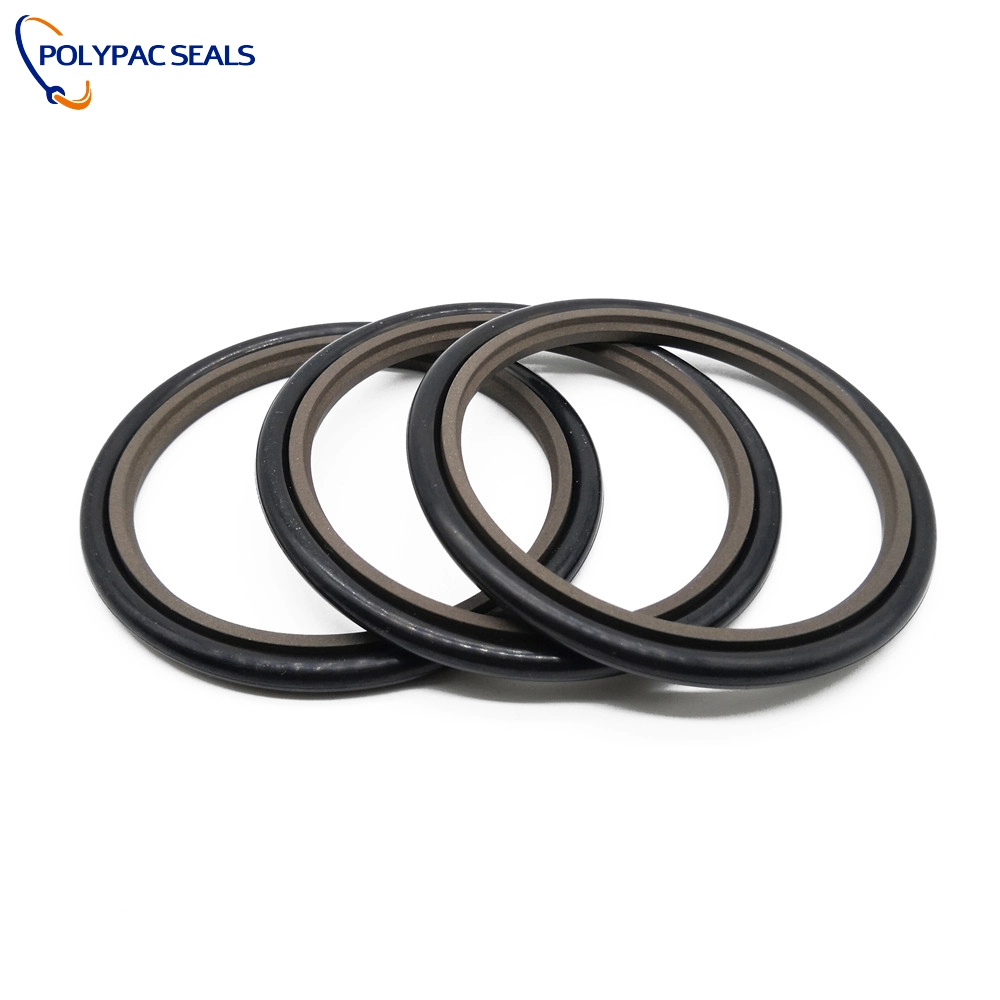
A back-up O-ring serves as a protective barrier for the primary O-ring, preventing its extrusion into clearance gaps under high-pressure conditions. By occupying the extrusion gap, it maintains the O-ring's integrity, thereby enhancing the overall sealing performance and extending the service life of the seal.
2. How do back-up O-rings differ from standard O-rings in terms of material composition and design?
Unlike standard O-rings, back-up O-rings are constructed from more rigid materials such as PTFE, Nitrile, or Fluorocarbon (FKM). Their design is tailored to withstand higher pressures and temperatures, effectively preventing the primary O-ring from deforming or extruding. This enhanced rigidity ensures that the back-up O-ring can absorb the mechanical strain and defend the O-ring against damage associated with high-pressure fluid forcing.
3. In what scenarios is it imperative to incorporate back-up O-rings alongside standard O-rings?
The integration of back-up O-rings is crucial in applications where the sealing system is exposed to high-pressure environments, large extrusion gaps, or elevated temperatures. Such conditions can lead to the deformation or extrusion of standard O-rings, compromising the seal's effectiveness. By employing back-up O-rings, the sealing system's pressure and temperature capabilities are significantly enhanced, ensuring reliable performance.
4. What are the different types of back-up O-rings available, and how do they differ in application?
Back-up O-rings are available in various configurations, including solid, single-turn (scarf cut), and spiral cut designs. Solid back-up O-rings are typically used when installation is not an issue, as they require a groove other than a solid pocket O-ring groove. Single-turn and spiral cut back-up O-rings are designed for easier installation, especially in small diameters, and can be opened slightly during installation without deforming them.
5. How does the selection of material for a back-up O-ring impact its performance and compatibility?
The material choice for a back-up O-ring directly influences its performance, chemical resistance, and compatibility with the sealing environment. Materials like PTFE are valued for their excellent chemical resistance, low friction, and high-temperature tolerance, ensuring the back-up O-ring can endure harsh conditions without degradation. Selecting a material that aligns with the specific operational conditions is essential for optimal sealing performance.
6. What considerations should be made when designing a sealing system that includes back-up O-rings?
When designing a sealing system with back-up O-rings, it's crucial to account for the gland dimensions, as the inclusion of back-up O-rings requires a wider gland to accommodate the additional seal material. Additionally, the back-up O-ring should be installed on the side of the seal opposite to the pressure to effectively prevent extrusion. Ensuring proper installation and material selection will enhance the sealing system's reliability and longevity.
In conclusion, back-up O-rings play a vital role in enhancing the performance and durability of sealing systems exposed to high-pressure and high-temperature conditions. By understanding their functions, material properties, and appropriate applications, professionals can make informed decisions to optimize their sealing solutions.
For a comprehensive range of back-up O-rings tailored to your specific needs, contact us at (mailto:sales2@dmsseals.com) or visit our website at (http://www.polypacseals.com).


Products
What is the difference between NBR and FKM materials?
Why did my O-ring fail prematurely?
When should I use a spring-energized seal instead of a standard elastomeric seal?
What is the difference between a static seal and a dynamic seal?
How do I choose the right material for my sealing application?
Stay Updated with Industry Insights
Subscribe to our articles and receive the latest news, expert guidance, and technical updates directly in your E-mail.
Rest assured that your privacy is important to us, and all information provided will be handled with the utmost confidentiality.

Polypac is a trusted global supplier of high-performance sealing solutions, providing OEM & ODM services for industries worldwide.
E-mail:
Phone/WhatsApp:
© 2025 Polypac Seals. All Rights Reserved.
dms
DMS
DMS