












Which Industry Standards Matter for Backup O-Rings?
In the realm of seal manufacturing, ensuring the longevity and reliability of O-rings is paramount. A pivotal component in this endeavor is the backup O-ring, which plays a crucial role in preventing extrusion and enhancing sealing performance. Below, we delve into six specific, often overlooked questions regarding backup O-rings, providing comprehensive answers to guide industry professionals in making informed purchasing decisions.
1. What are the primary causes of extrusion in O-rings, and how do backup O-rings mitigate this issue?
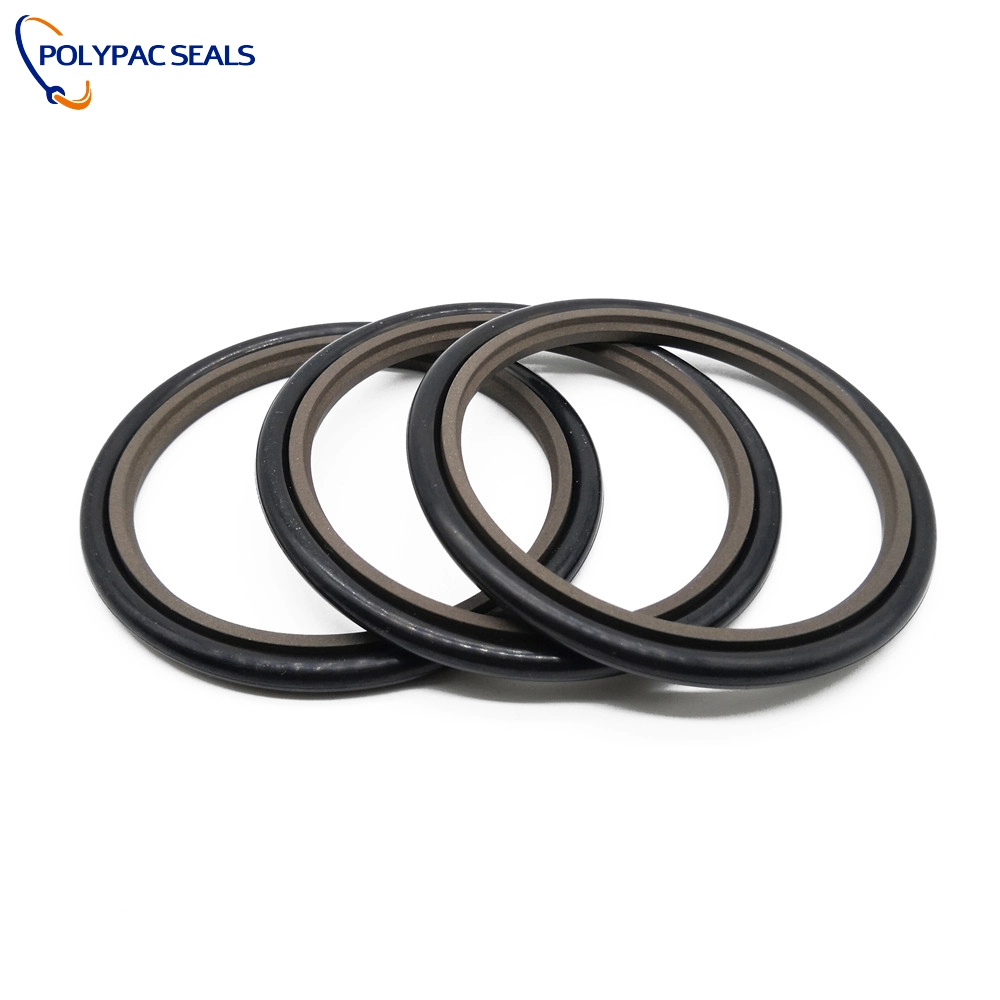
Extrusion occurs when high-pressure forces push the O-ring material into the clearance gap between mating surfaces, leading to material degradation and seal failure. This phenomenon is prevalent in high-pressure hydraulic systems and can result in rapid leaks and system inefficiency. Backup O-rings, typically made from materials like PTFE, are installed adjacent to the primary O-ring to prevent this extrusion by physically blocking the gap, thereby maintaining the integrity of the seal.
2. How does over-compression affect O-ring performance, and what role do backup O-rings play in preventing this?
Over-compression of an O-ring can lead to permanent deformation, known as "squeeze set," which compromises the seal's ability to maintain pressure. This condition often results from improper gland design or excessive compression. Backup O-rings help prevent over-compression by providing additional support, ensuring that the primary O-ring remains within its optimal compression range, thus preserving sealing effectiveness.
3. What are the key industry standards for backup O-rings, and why are they important?
Industry standards for backup O-rings, such as those outlined by the Society of Automotive Engineers (SAE), provide specifications for dimensions, materials, and performance characteristics. Adhering to these standards ensures compatibility and reliability across various applications. For instance, SAE standards like MS28774 and MS28782 detail the specifications for single-turn and spiral-cut backup rings, respectively.
4. How do material properties of backup O-rings influence their performance in different applications?
The material selection for backup O-rings significantly impacts their performance. Materials like PTFE are known for their resistance to extrusion and chemical compatibility, making them suitable for high-pressure and chemically aggressive environments. Conversely, materials like nitrile rubber are more appropriate for applications with lower pressures and less aggressive chemicals. Choosing the right material ensures that the backup O-ring effectively supports the primary O-ring under specific operating conditions.
5. What are the common installation errors associated with backup O-rings, and how can they be prevented?
Common installation errors include misalignment, twisting, and using incompatible lubricants, all of which can lead to premature failure of the backup O-ring. To prevent these issues, it's essential to follow proper installation procedures, such as ensuring correct alignment, using appropriate lubricants compatible with the materials, and training personnel in correct installation techniques.
6. How do backup O-rings contribute to the overall longevity and reliability of sealing systems?
By preventing extrusion, over-compression, and material degradation, backup O-rings enhance the overall longevity and reliability of sealing systems. They allow O-rings to be utilized in higher pressure applications, increase the service life of O-rings, and permit O-rings to be utilized in higher pressure applications.
In conclusion, backup O-rings are integral to the performance and durability of sealing systems. Understanding their role, adhering to industry standards, selecting appropriate materials, and ensuring correct installation are essential steps in optimizing sealing solutions. For tailored sealing solutions that meet your specific requirements, contact us at sales2@dmsseals.com or visit our website at www.polypacseals.com.


Products
What does "AS568" mean?
How do I choose the right material for my sealing application?
Why did my O-ring fail prematurely?
How can I prevent seal damage during installation?
What is the difference between NBR and FKM materials?
Stay Updated with Industry Insights
Subscribe to our articles and receive the latest news, expert guidance, and technical updates directly in your E-mail.
Rest assured that your privacy is important to us, and all information provided will be handled with the utmost confidentiality.

Polypac is a trusted global supplier of high-performance sealing solutions, providing OEM & ODM services for industries worldwide.
E-mail:
Phone/WhatsApp:
© 2025 Polypac Seals. All Rights Reserved.
dms
DMS
DMS