












Which Materials Are Best for Backup O-Rings in Heat?
1. What are backup O-rings, and why are they essential in sealing applications?
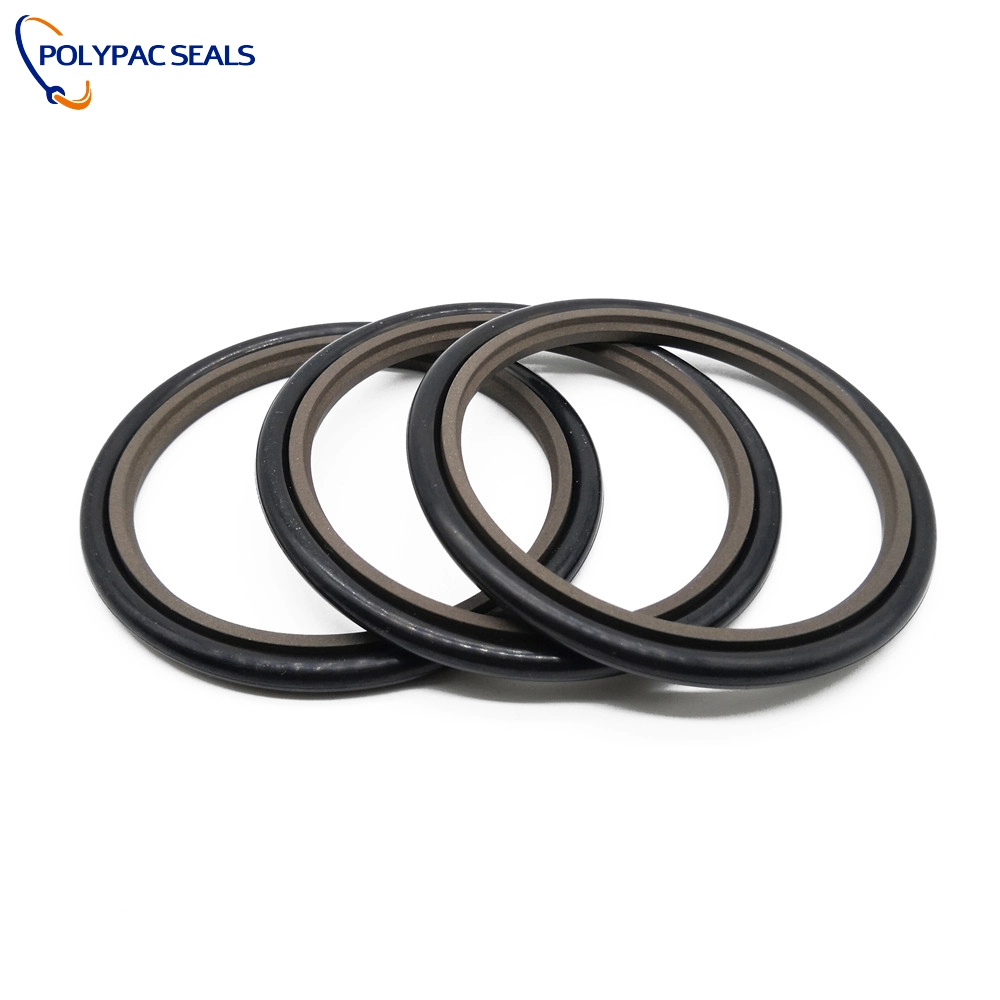
Backup O-rings, also known as backup rings, are non-elastic components used in conjunction with primary O-rings to prevent extrusion and maintain sealing integrity under high-pressure and high-temperature conditions. They provide mechanical support to the primary O-ring, ensuring it remains in place and functions effectively.
2. How do backup O-rings prevent extrusion in high-pressure environments?
In high-pressure applications, the primary O-ring may be forced out of its sealing position, leading to extrusion and potential failure. Backup O-rings act as a barrier, absorbing the pressure and preventing the primary O-ring from being displaced. This support is crucial in maintaining a reliable seal and extending the service life of the sealing system.
3. Which materials are best suited for backup O-rings in high-temperature applications?
Selecting the appropriate material for backup O-rings in high-temperature environments is vital for ensuring durability and performance. Materials such as PEEK (Polyether Ether Ketone) and PTFE (Polytetrafluoroethylene) are commonly used due to their excellent thermal stability and resistance to high temperatures. PEEK can withstand temperatures up to 550°F (288°C), while PTFE can function over a wide temperature range, making them suitable for extreme conditions.
4. What are the key factors to consider when selecting a backup O-ring material?
When choosing a material for backup O-rings, consider the following factors:
Temperature Range: Ensure the material can withstand the operating temperatures without degrading.
Chemical Compatibility: The material should be resistant to the chemicals it will encounter to prevent swelling or degradation.
Pressure Resistance: The material must handle the system's pressure without failing.
Mechanical Properties: Consider the material's hardness and strength to provide adequate support to the primary O-ring.
5. How does the hardness of a backup O-ring material affect its performance?
The hardness of a backup O-ring material influences its ability to withstand pressure and maintain the primary O-ring's position. Materials with higher hardness provide better support and resistance to extrusion. However, excessively hard materials may lead to reduced flexibility and potential sealing issues. It's essential to balance hardness with the material's elasticity to ensure optimal performance.
6. What are the common mistakes to avoid when selecting and installing backup O-rings?
Common mistakes include:
Incorrect Material Selection: Choosing a material incompatible with the operating environment can lead to premature failure.
Improper Sizing: Using backup O-rings that are too large or too small can result in inadequate sealing and potential leakage.
Neglecting Installation Guidelines: Failing to follow proper installation procedures can damage the O-ring and compromise the seal.
In conclusion, understanding the role and selection criteria of backup O-rings is crucial for ensuring effective sealing in high-pressure and high-temperature applications. By carefully considering material properties, hardness, and installation practices, you can enhance the reliability and longevity of your sealing systems.
For personalized assistance and to obtain a quote tailored to your specific needs, please contact us at sales2@dmsseals.com or visit our website at www.polypacseals.com.


Products
Can I reuse a seal?
How can I prevent seal damage during installation?
Why did my O-ring fail prematurely?
When should I use a spring-energized seal instead of a standard elastomeric seal?
What is the difference between NBR and FKM materials?
Stay Updated with Industry Insights
Subscribe to our articles and receive the latest news, expert guidance, and technical updates directly in your E-mail.
Rest assured that your privacy is important to us, and all information provided will be handled with the utmost confidentiality.

Polypac is a trusted global supplier of high-performance sealing solutions, providing OEM & ODM services for industries worldwide.
E-mail:
Phone/WhatsApp:
© 2025 Polypac Seals. All Rights Reserved.
dms
DMS
DMS