








How to choose the best hydraulic O-ring kit for heavy machinery?
1. What are the key factors to consider when selecting a hydraulic O-ring kit for heavy machinery?
When choosing a hydraulic O-ring kit for heavy machinery, consider the following factors:
Material Compatibility: Ensure the O-rings are made from materials compatible with the hydraulic fluids used in your machinery. For instance, Nitrile (Buna-N) O-rings are suitable for general hydraulic oil applications, while Fluorocarbon (Viton®) O-rings handle aggressive chemicals and high temperatures.
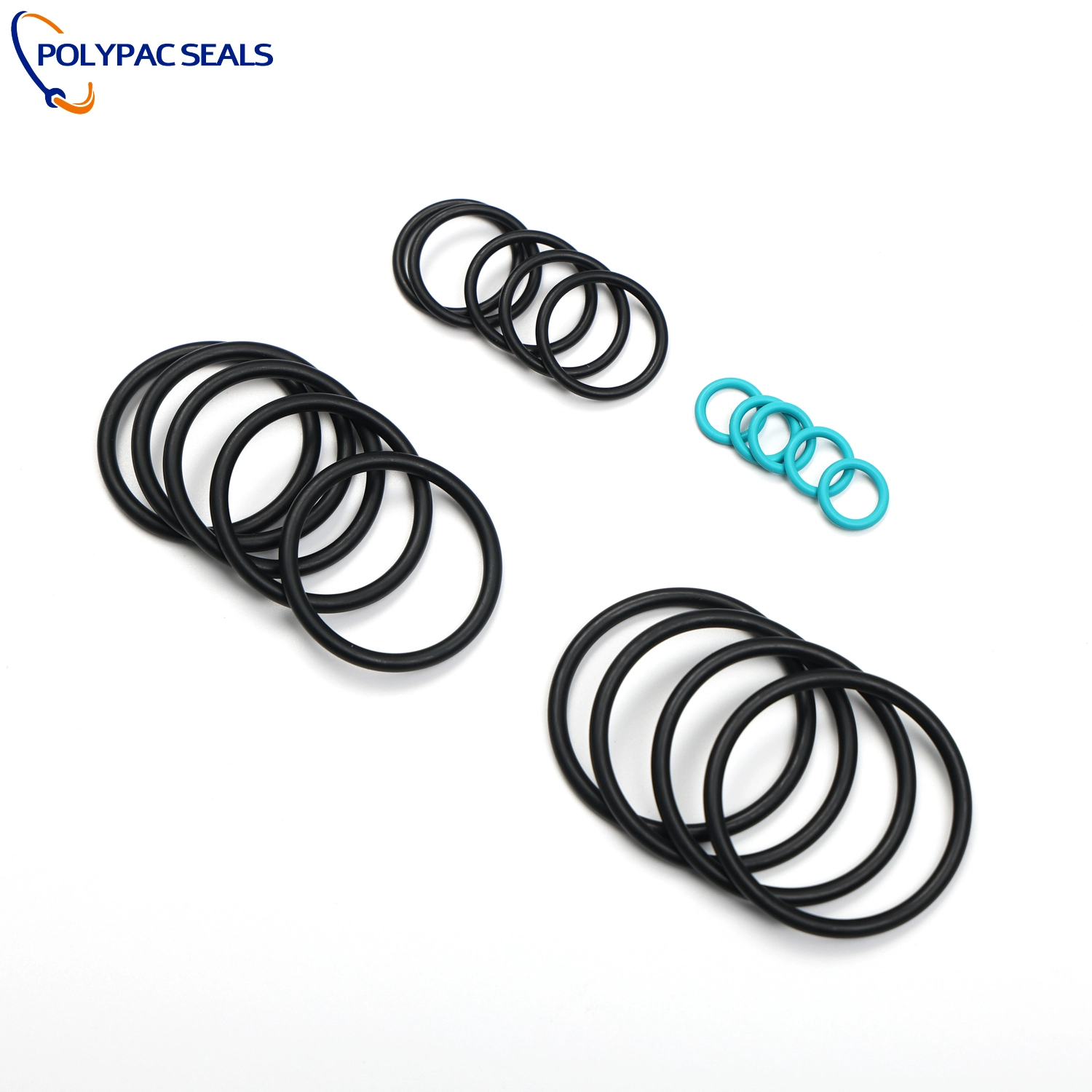
Size Range: Verify that the kit includes O-rings in the sizes required for your equipment. Comprehensive kits often cover a wide range of sizes, such as those from 1/8” to 2” for O-Ring Boss (ORB) fittings.
Quality Standards: Opt for kits that meet industry standards like SAE, ISO, or ASTM to ensure reliability and performance.
Durability: Choose O-rings with appropriate hardness (e.g., 70-90 Shore A) and low compression set to withstand the operational conditions of heavy machinery.
Temperature and Pressure Ratings: Ensure the O-rings can handle the specific temperature and pressure ranges of your machinery.
Supplier Reputation: Select kits from reputable suppliers known for quality and customer support.
2. How do I determine the correct O-ring size for my heavy machinery?
To determine the correct O-ring size:
Measure the Groove Dimensions: Use calipers to measure the inner diameter (ID) and cross-sectional diameter (CS) of the groove where the O-ring will sit.
Consult Equipment Manuals: Refer to the machinery's service manual for specified O-ring sizes.
Use Standard Size Charts: Compare your measurements with standard O-ring size charts to identify the correct size.
Consider Tolerances: Account for manufacturing tolerances and potential wear over time.
Seek Professional Assistance: If uncertain, consult with a hydraulic seal specialist or supplier for guidance.
3. What are the advantages of using a comprehensive hydraulic O-ring kit over individual O-rings?
Using a comprehensive hydraulic O-ring kit offers several advantages:
Convenience: Having a variety of sizes readily available reduces downtime during repairs.
Cost-Effectiveness: Purchasing a kit can be more economical than buying individual O-rings, especially for commonly used sizes.
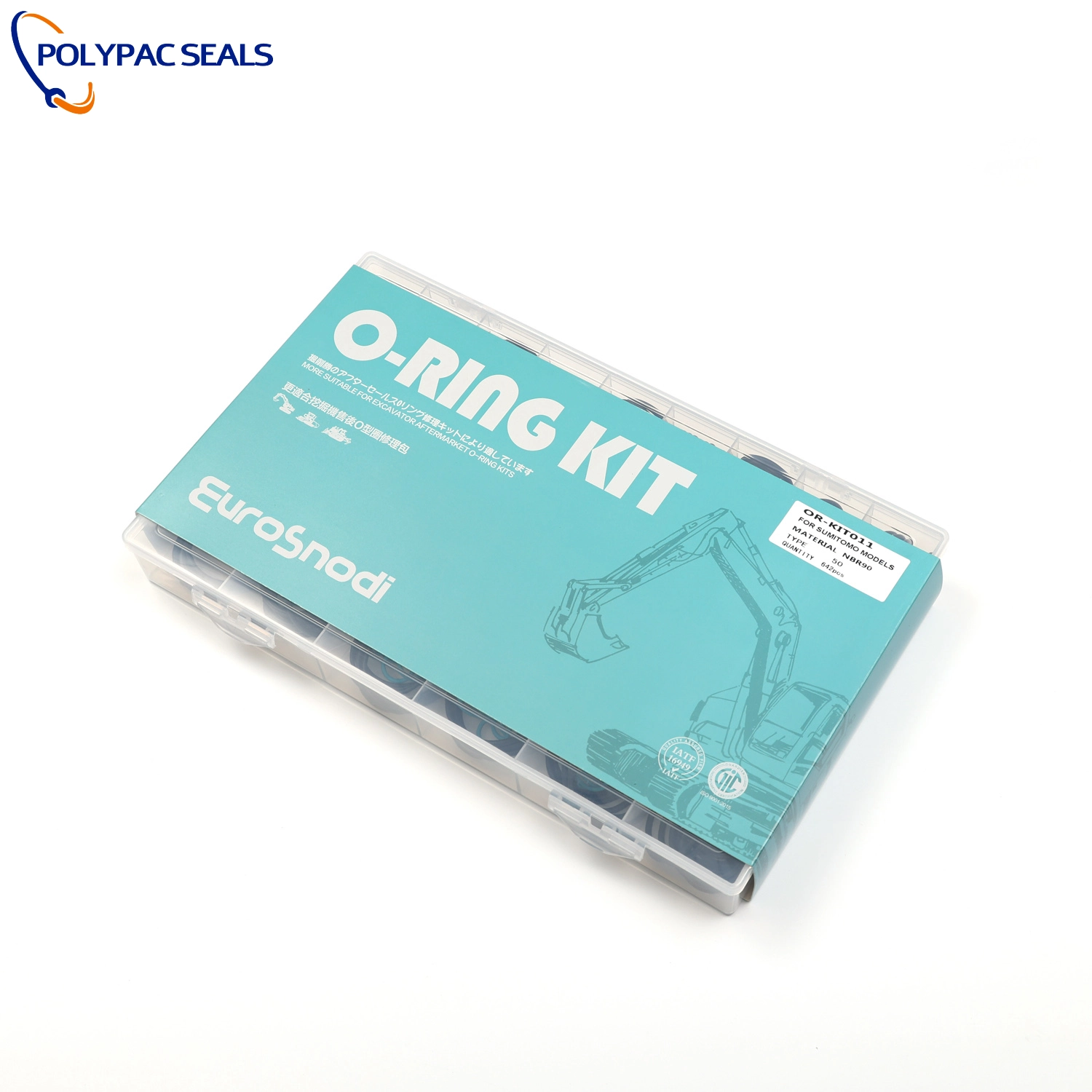
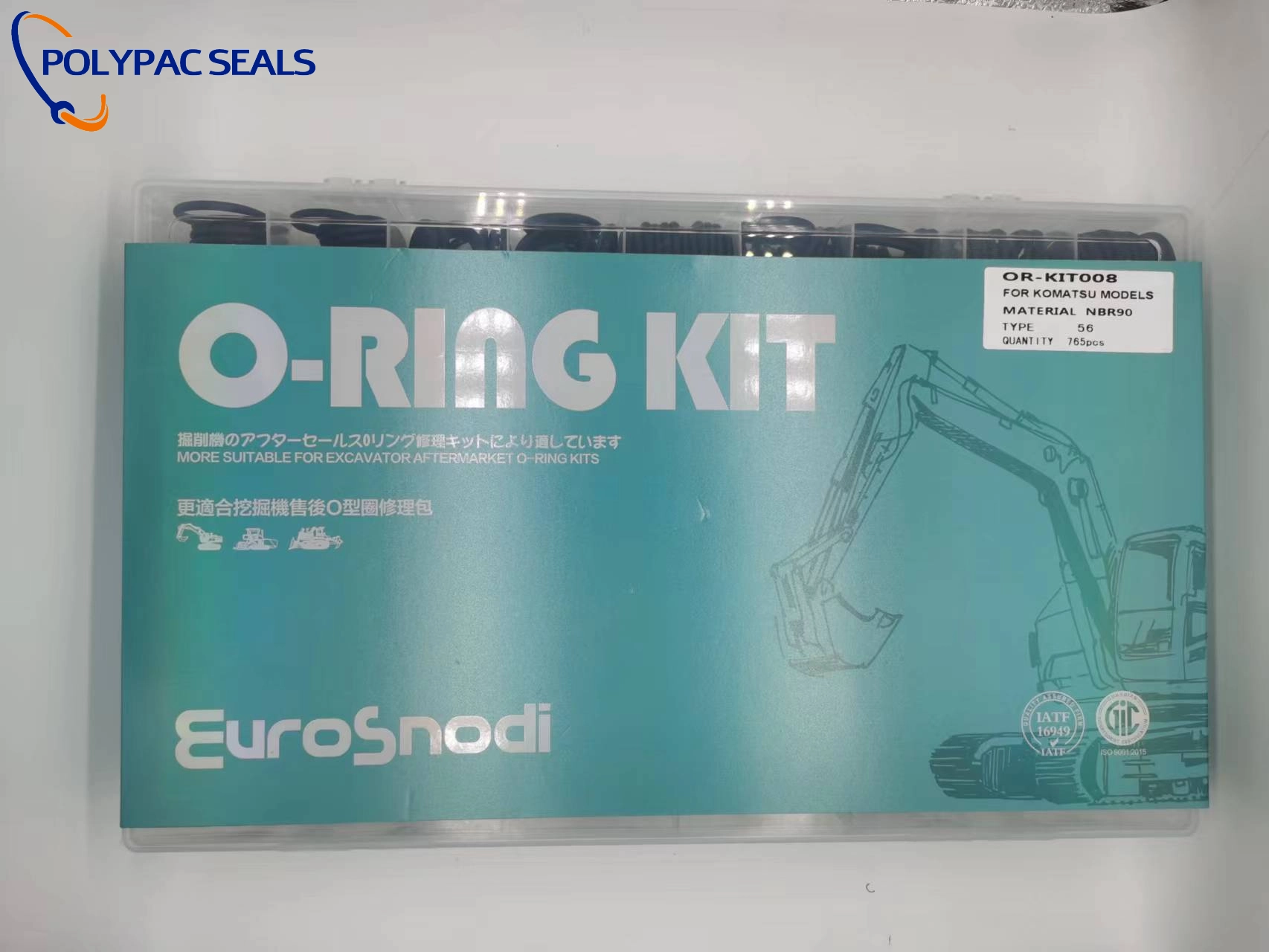
Organization: Kits often come in durable cases, keeping O-rings organized and protected.
Quality Assurance: Reputable kits are sourced from quality materials, ensuring reliable performance.
Readiness: Having a kit on hand ensures you're prepared for unexpected maintenance needs.
4. How can I ensure the longevity of O-rings in heavy machinery applications?
To extend the lifespan of O-rings:
Proper Installation: Ensure O-rings are installed correctly to prevent damage during assembly.
Regular Maintenance: Inspect O-rings periodically for signs of wear, swelling, or degradation.
Avoid Overstretching: Do not stretch O-rings beyond their recommended limits during installation.
Maintain Cleanliness: Keep the installation area clean to prevent contaminants from damaging the O-ring.
Control Operating Conditions: Operate machinery within the recommended temperature and pressure ranges to reduce stress on O-rings.
Use Compatible Lubricants: Ensure that lubricants used are compatible with the O-ring material to prevent chemical degradation.
5. Are there specific O-ring materials recommended for high-temperature hydraulic applications in heavy machinery?
Yes, for high-temperature hydraulic applications:
Fluorocarbon (Viton®): Offers excellent resistance to high temperatures and aggressive chemicals, making it suitable for demanding environments.
Perfluoroelastomers: Provide superior high-temperature stability and chemical resistance.
Silicone Rubber: Suitable for temperatures up to 200°C (392°F) but has lower mechanical strength compared to other materials.
Polyurethane: Offers good abrasion resistance and can handle moderate temperatures.
It's essential to match the O-ring material with the specific temperature and chemical conditions of your application to ensure optimal performance.
6. How do I identify and source high-quality hydraulic O-ring kits for heavy machinery?
To identify and source high-quality hydraulic O-ring kits:
Research Reputable Suppliers: Look for suppliers with positive customer reviews and a history of providing quality products.
Verify Material Certifications: Ensure that O-rings meet industry standards such as ASTM D2000 or SAE J200.
Check for Quality Assurance: Opt for kits that come with quality assurance guarantees or warranties.
Assess Kit Contents: Ensure the kit includes a comprehensive range of sizes and materials suitable for your machinery.
Consider After-Sales Support: Choose suppliers that offer technical support and assistance with product selection.
Request Samples: Before making a bulk purchase, request samples to assess quality and compatibility.
By carefully considering these factors, you can select a hydraulic O-ring kit that ensures the reliability and longevity of your heavy machinery.
For personalized assistance and to request a quote, please contact us at sales2@dmsseals.com or visit our website at www.polypacseals.com.


Products
What is the difference between NBR and FKM materials?
How important is surface finish on the metal parts that contact the seal?
How do I choose the right material for my sealing application?
What is the difference between a static seal and a dynamic seal?
Why did my O-ring fail prematurely?
Stay Updated with Industry Insights
Subscribe to our articles and receive the latest news, expert guidance, and technical updates directly in your E-mail.
Rest assured that your privacy is important to us, and all information provided will be handled with the utmost confidentiality.
Polypac is a trusted global supplier of high-performance sealing solutions, providing OEM & ODM services for industries worldwide.
E-mail:
Phone/WhatsApp:
© 2025 Polypac Seals. All Rights Reserved.
dms
DMS
DMS