












How many sizes should an O-ring kit include for maintenance?
Comprehensive Guide to O-Ring Kits: Essential Sizes and Maintenance Practices
1. What Sizes Should an O-Ring Kit Include for Maintenance?
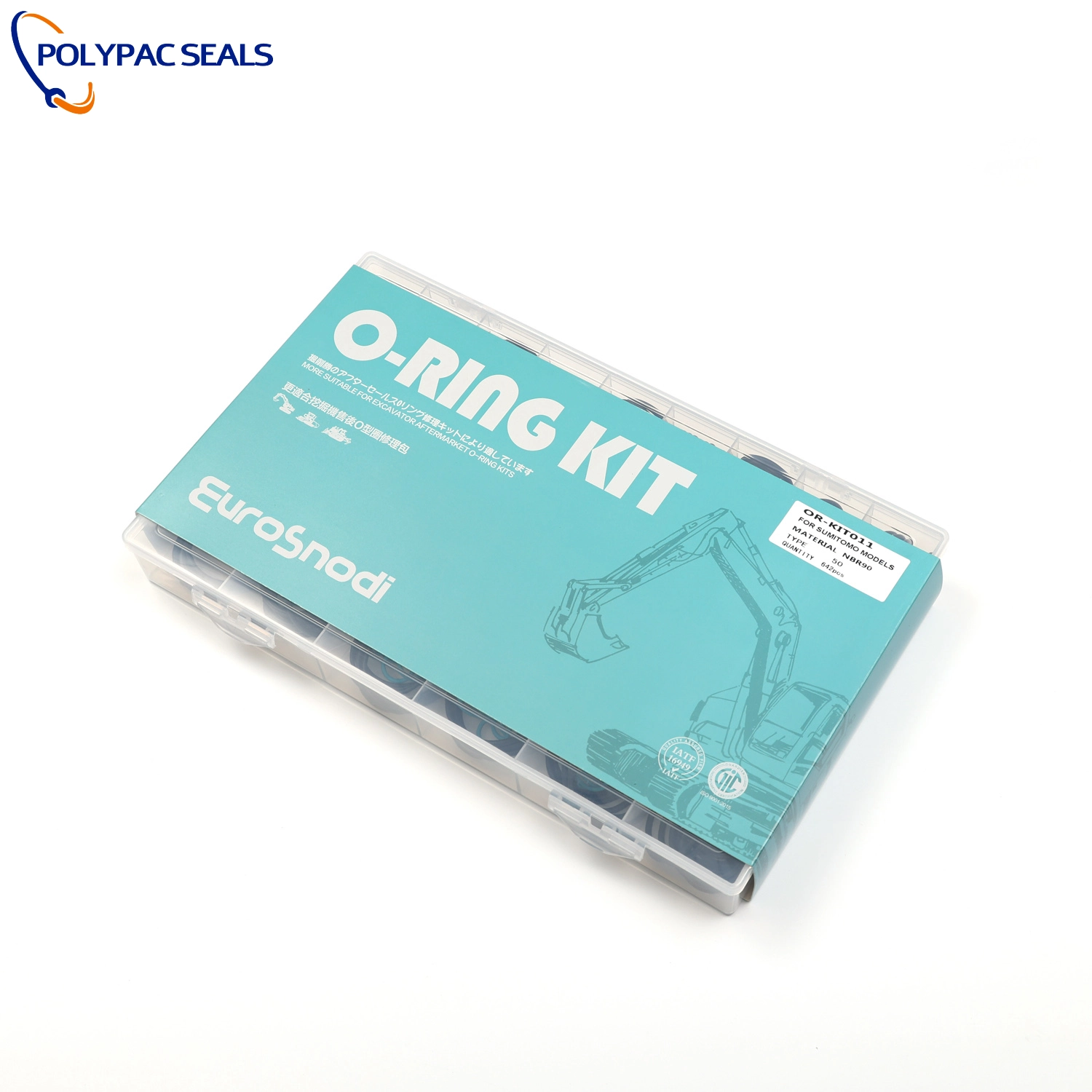
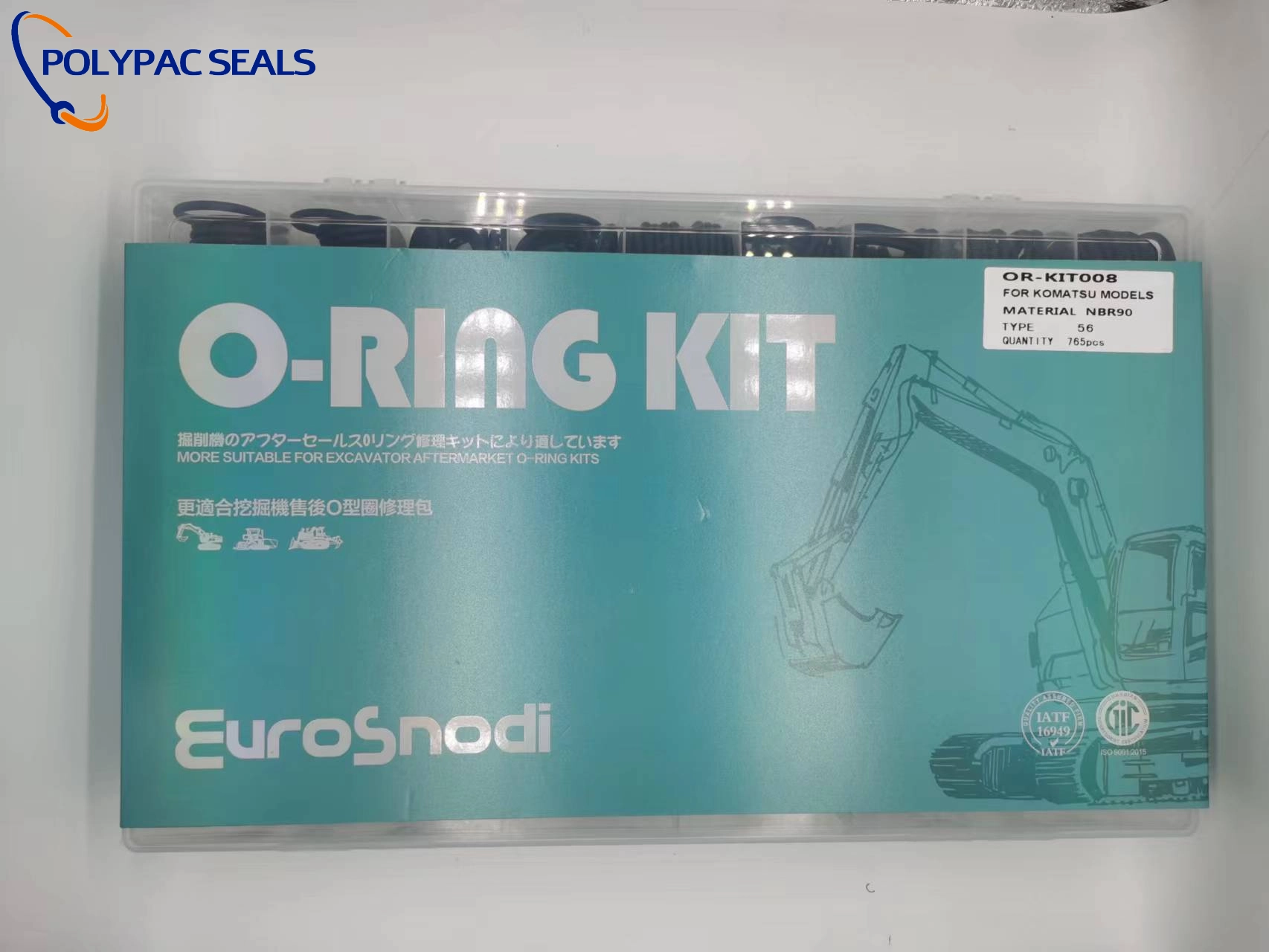
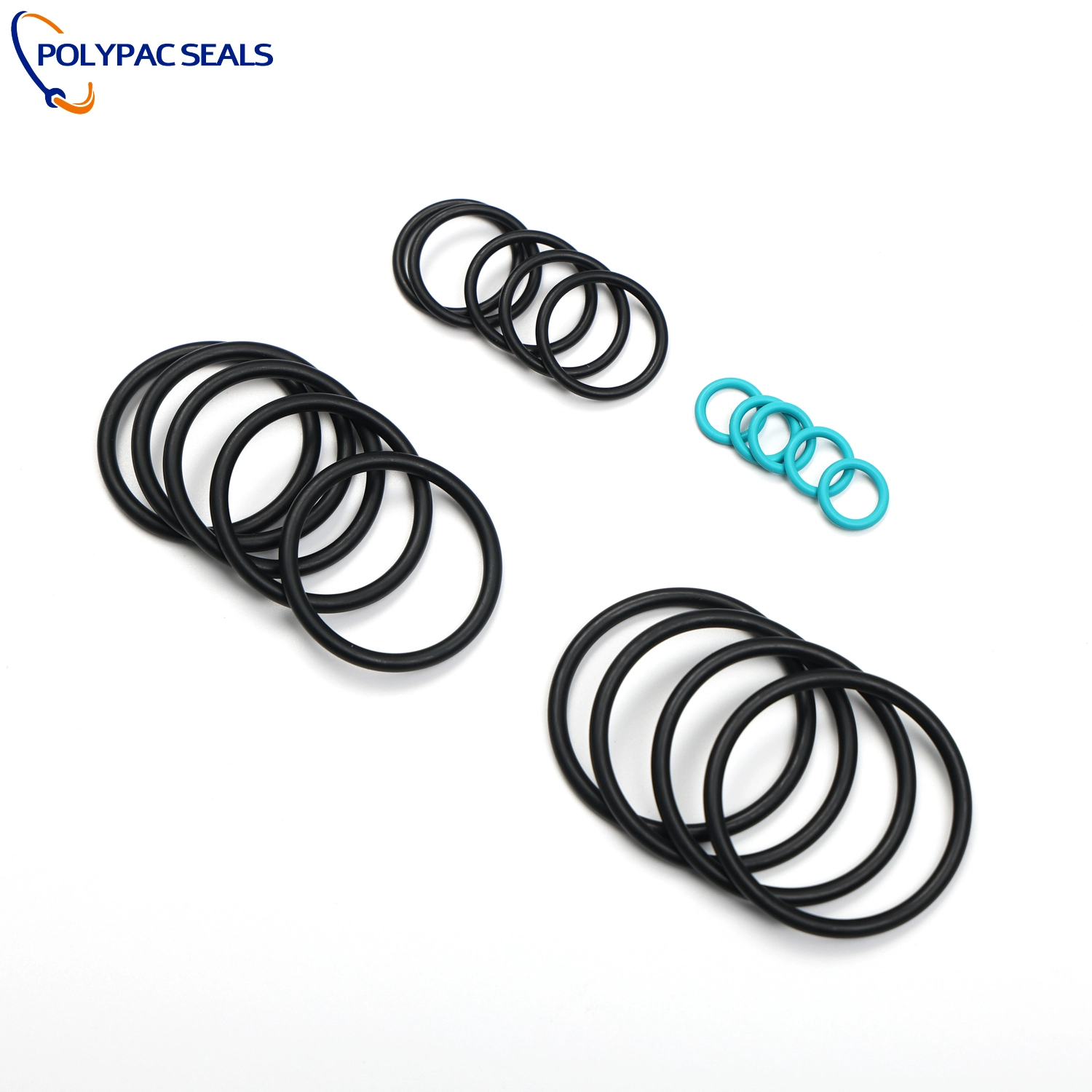
An effective O-ring kit should encompass a range of sizes to accommodate various sealing requirements. Standard kits often include 30 sizes, covering common dimensions such as 1/8" to 1-3/4" inner diameters and 1/16" to 3/16" cross-sectional widths. For instance, a typical kit may contain sizes ranging from 006 (1/8" ID, 1/16" width) up to 327 (1-3/4" ID, 3/16" width).
2. What Materials Are Commonly Used in O-Ring Kits?
The material selection for O-rings is crucial, as it influences the seal's durability and compatibility with various substances. Common materials include:
Nitrile (Buna-N): Offers good resistance to oils, fuels, and water, making it suitable for general-purpose applications.
Viton (FKM): Provides superior resistance to high temperatures and aggressive chemicals, ideal for harsh environments.
EPDM: Resistant to heat, ozone, and weathering, commonly used in automotive and industrial applications.
Silicone: Known for its flexibility and resistance to extreme temperatures, often used in food and medical industries.
3. How Should O-Ring Kits Be Stored to Maintain Their Integrity?
Proper storage is essential to preserve the quality and longevity of O-rings. They should be kept in a dry, cool environment, away from direct sunlight and sources of ozone. Storing them in sealed polyethylene bags can prevent contamination and degradation. Additionally, O-rings should be stored so that external damage is prevented, such as avoiding deformation due to excessive weight.
4. How Do I Determine the Correct Size of an O-Ring for My Application?
Selecting the appropriate O-ring size involves measuring the groove dimensions accurately. The key measurements include the inner diameter (ID), outer diameter (OD), and cross-sectional width. Using precise tools like digital calipers and referring to standard sizing charts can assist in determining the correct size. It's also important to consider the material compatibility with the substances the O-ring will encounter.
5. What Are the Signs That an O-Ring Needs Replacement?
Regular inspection of O-rings is vital to ensure their effectiveness. Signs that an O-ring may need replacement include:
Cracking or Hardening: Indicates aging or exposure to harsh conditions.
Swelling or Softening: Suggests chemical incompatibility or excessive exposure to certain fluids.
Flat Spots or Deformations: Can result from improper installation or prolonged compression.
Leaks: Visible signs of leakage around the O-ring during operation.
6. How Can I Extend the Service Life of O-Rings?
To maximize the lifespan of O-rings:
Proper Installation: Ensure correct installation to prevent twisting or pinching.
Lubrication: Use appropriate lubricants to reduce friction and wear.
Regular Maintenance: Conduct routine inspections and replace O-rings at the first sign of wear.
Correct Storage: Store O-rings properly to prevent degradation.
7. Are There Customizable O-Ring Kits Available?
Yes, many suppliers offer customizable O-ring kits tailored to specific needs. For example, WRKR Seal provides private labeling and custom assortment configurations for bulk orders, allowing businesses to have kits that align with their unique requirements.
8. How Do I Choose Between Different O-Ring Kit Configurations?
When selecting an O-ring kit, consider the following factors:
Application Requirements: Assess the operating conditions, including temperature, pressure, and chemical exposure.
Material Compatibility: Ensure the O-ring material is compatible with the substances it will encounter.
Size Range: Verify that the kit includes the necessary sizes for your applications.
Quality Standards: Choose kits that meet industry standards, such as ASTM D2000, to ensure reliability.
Conclusion: Why Choose Polypac for Your O-Ring Needs?
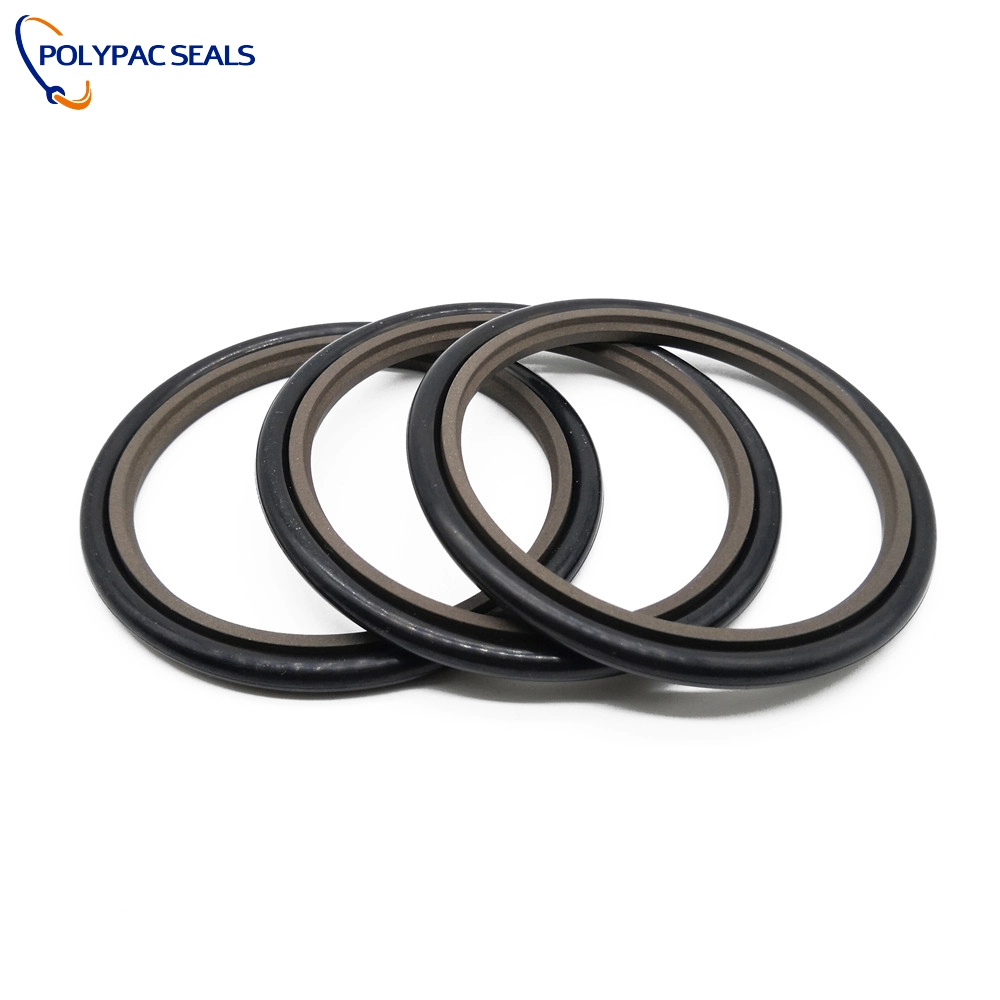
Polypac offers a comprehensive range of high-quality O-ring kits designed to meet diverse sealing requirements. With customizable options, adherence to industry standards, and a commitment to customer satisfaction, Polypac is a trusted partner for all your O-ring needs.


Products
How important is surface finish on the metal parts that contact the seal?
What is the purpose of the metal spring in a rotary shaft seal?
What does "AS568" mean?
How do I choose the right material for my sealing application?
How can I prevent seal damage during installation?
Stay Updated with Industry Insights
Subscribe to our articles and receive the latest news, expert guidance, and technical updates directly in your E-mail.
Rest assured that your privacy is important to us, and all information provided will be handled with the utmost confidentiality.

Polypac is a trusted global supplier of high-performance sealing solutions, providing OEM & ODM services for industries worldwide.
E-mail:
Phone/WhatsApp:
© 2025 Polypac Seals. All Rights Reserved.
dms
DMS
DMS