












What certifications should PTFE oil seal suppliers have?
Understanding PTFE Oil Seals: Essential Insights for Seal Manufacturing Professionals
As a professional in the seal manufacturing industry, it's crucial to have a comprehensive understanding of PTFE (Polytetrafluoroethylene) oil seals. This guide addresses key considerations, including their properties, applications, certifications, and environmental impact, to assist you in making informed decisions during procurement and manufacturing processes.
1. What Are PTFE Oil Seals and Their Key Properties?
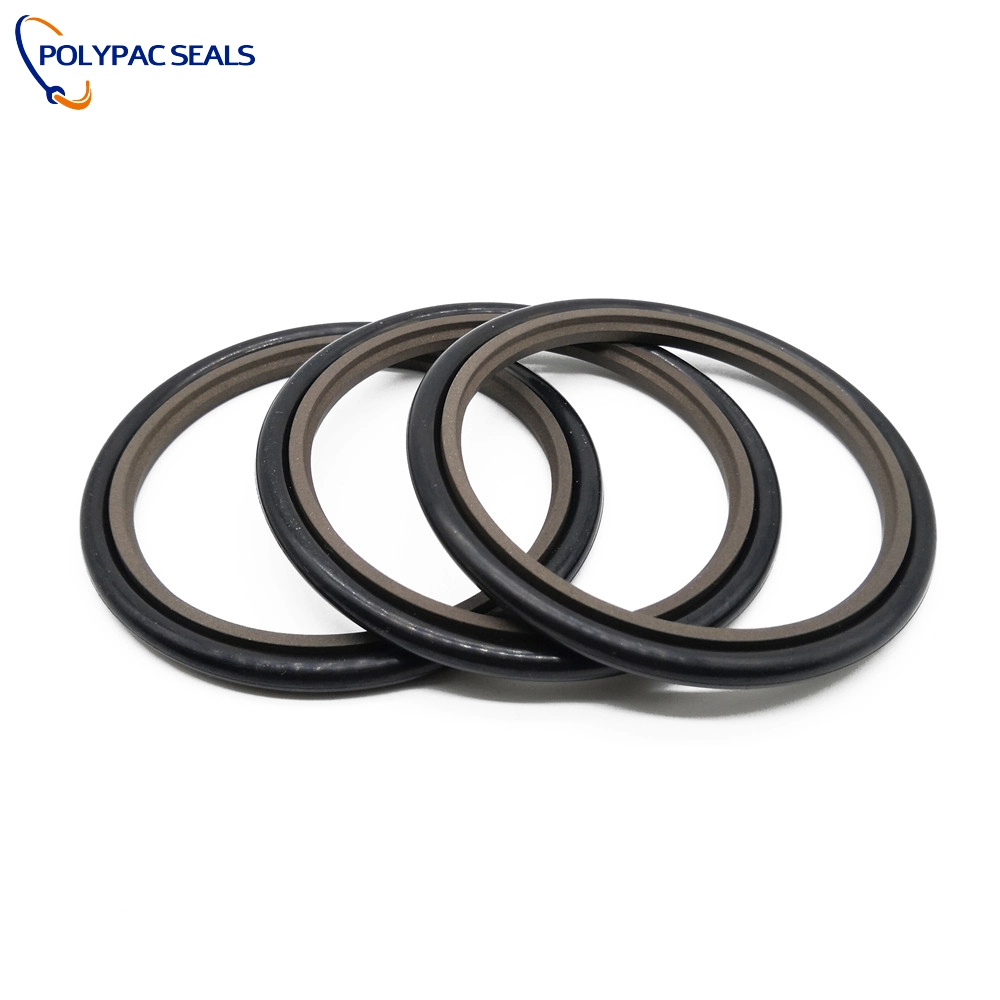
PTFE oil seals are sealing components made from PTFE, a synthetic fluoropolymer known for its exceptional chemical resistance, low friction, and high-temperature stability. These seals are designed to prevent the leakage of oils and other fluids in various mechanical systems.
Key Properties:
- Chemical Resistance: PTFE is inert to most chemicals, making it suitable for aggressive environments.
- Temperature Stability: PTFE maintains its properties over a wide temperature range, from -268°C to 315°C.
- Low Friction: PTFE's low friction coefficient reduces wear and extends the service life of sealing components.
2. What Are the Common Applications of PTFE Oil Seals?
PTFE oil seals are utilized across various industries due to their versatile properties:
- Chemical Processing: Handling concentrated acids, caustics, solvents, and aggressive chemicals.
- Food & Pharmaceutical: Ensuring hygiene and compliance with FDA standards.
- Oil & Gas: Withstanding harsh conditions, including exposure to sour gas (H₂S) and crude oil.
- Semiconductor: Maintaining purity in cleanroom environments.
- Aerospace: Performing under extreme altitudes and temperature cycles.
3. What Certifications Should PTFE Oil Seal Suppliers Have?
When selecting PTFE oil seal suppliers, it's essential to consider their certifications to ensure product quality and compliance:
- ISO 9001: Ensures adherence to quality management systems, indicating consistent production processes and material traceability.
- API 622: Validates chemical resistance and thermal stability, particularly important for oil and gas applications.
- FDA Compliance: Confirms that materials are safe for food contact, meeting FDA 21 CFR standards.
- Environmental Certifications: Look for suppliers committed to sustainability, such as those with ISO 14001 certification.
4. How Do PTFE Oil Seals Contribute to Environmental Sustainability?
PTFE oil seals can play a role in environmental sustainability through:
- Durability: Their long service life reduces the frequency of replacements, conserving resources.
- Chemical Resistance: Minimizing the risk of leaks and contamination in sensitive environments.
- Recycling Initiatives: Some manufacturers implement recycling programs for PTFE materials to reduce environmental impact.
5. What Are the Challenges in Manufacturing PTFE Oil Seals?
Manufacturing PTFE oil seals presents several challenges:
- Material Handling: PTFE's non-biodegradable nature requires responsible disposal and recycling practices.
- Precision Manufacturing: Achieving tight tolerances is essential for effective sealing performance.
- Cost Considerations: High-quality PTFE materials and manufacturing processes can be cost-intensive.
6. How Do PTFE Oil Seals Compare to Other Sealing Materials?
Compared to elastomeric seals, PTFE oil seals offer:
- Superior Chemical Resistance: PTFE is inert to most chemicals, whereas elastomers may degrade.
- Broader Temperature Range: PTFE performs well in both low and high-temperature environments.
- Lower Friction: PTFE's low friction coefficient reduces wear and extends service life.
7. What Are the Maintenance Requirements for PTFE Oil Seals?
To ensure optimal performance of PTFE oil seals:
- Regular Inspection: Check for signs of wear, deformation, or contamination.
- Proper Installation: Follow manufacturer guidelines to prevent damage during installation.
- Environmental Monitoring: Ensure operating conditions remain within the specified range for PTFE materials.
8. How Do PTFE Oil Seals Impact System Performance?
PTFE oil seals can enhance system performance by:
- Reducing Friction: Lower friction leads to less energy consumption and heat generation.
- Preventing Leaks: Effective sealing maintains system integrity and prevents contamination.
- Extending Equipment Life: Durable seals reduce maintenance needs and downtime.
Conclusion: Why Choose Polypac for Your PTFE Oil Seal Needs?
Polypac stands out in the seal manufacturing industry by offering:
- Comprehensive Certifications: Ensuring product quality and compliance with industry standards.
- Sustainable Practices: Committed to environmental responsibility and sustainability.
- Innovative Solutions: Providing advanced sealing technologies tailored to diverse industrial applications.
By partnering with Polypac, you can be confident in receiving high-quality PTFE oil seals that meet your specific requirements and contribute to the efficiency and longevity of your equipment.
References:
- (https://www.thomasnet.com/suppliers/usa/ptfe-seals-96084413)
- (https://www.thomasnet.com/suppliers/usa/all-cities/ptfe-coated-orings-54603907)
- (https://www.yosonseals.com/ultimate-ptfe-oil-seals-precision-durability/)
- (https://isohydraulic.com/product/teflon-ptfe-seals/)
- (https://kintek-solution.com/faqs/what-certifications-does-the-manufacturer-of-ptfe-products-hold)
- (https://kintek-solution.com/faqs/what-quality-certification-standards-are-important-for-teflon-gland-packing)
- (https://dana-seals.com/quality)
- (https://www.polypacseals.com/seal-manufacturer-certifications-guide/)
- (https://ptfeinds.com/quality-certifications/)
- (https://www.mspseals.com/products-services/ptfe-seals-engineered-products/)


Products
When should I use a spring-energized seal instead of a standard elastomeric seal?
How important is surface finish on the metal parts that contact the seal?
What is the purpose of the metal spring in a rotary shaft seal?
What is the difference between NBR and FKM materials?
How can I prevent seal damage during installation?
Stay Updated with Industry Insights
Subscribe to our articles and receive the latest news, expert guidance, and technical updates directly in your E-mail.
Rest assured that your privacy is important to us, and all information provided will be handled with the utmost confidentiality.

Polypac is a trusted global supplier of high-performance sealing solutions, providing OEM & ODM services for industries worldwide.
E-mail:
Phone/WhatsApp:
© 2025 Polypac Seals. All Rights Reserved.
dms
DMS
DMS