












How to choose O-ring rubber seals for industrial applications?
1. What are the key factors to consider when selecting O-ring materials for industrial applications?
When choosing O-ring materials for industrial applications, it's essential to consider:
Temperature Range: Ensure the material can withstand the operating temperatures without degrading. For instance, Nitrile Rubber (NBR) is suitable for temperatures between -40°C and 120°C, making it ideal for automotive and hydraulic systems.
Chemical Compatibility: Select materials that resist the specific chemicals they will encounter. Fluorocarbon (FKM) O-rings offer excellent resistance to oils, fuels, and high temperatures, commonly used in chemical processing industries.
Pressure and Mechanical Load: Consider the pressure and mechanical stresses the O-ring will face. Materials like EPDM are suitable for water and steam applications but not for oils, while FKM is better for chemical environments.
Environmental Conditions: Account for exposure to ozone, UV radiation, and outdoor elements. EPDM provides effective resistance against these factors, making it suitable for outdoor applications.
Cost and Service Life Balance: While high-performance materials may cost more, they can offer longer service life, reducing maintenance costs over time.
2. How do I determine the correct size and hardness of an O-ring for my application?
Determining the correct size and hardness involves:
Internal Diameter and Cross-Section: Measure the groove dimensions accurately. The O-ring's internal diameter should match the groove's internal diameter, and the cross-section should fit the groove's width and depth.
Hardness (Shore A Durometer): Choose a hardness that balances sealing effectiveness and material flexibility. A hardness of 70 Shore A is standard for many applications, but higher hardness may be needed for high-pressure environments.
Compression Set: Ensure the material can maintain its sealing properties under compression over time. Materials like Viton® (FKM) are known for their low compression set, maintaining seal integrity longer.
3. What are the common causes of O-ring failure in industrial settings?
Common causes of O-ring failure include:
Incorrect Material Selection: Using materials incompatible with the operating environment can lead to degradation. For example, using NBR in applications involving steam can cause swelling and failure.
Improper Installation: Incorrect installation can lead to twisting, pinching, or extrusion of the O-ring, compromising the seal.
Excessive Pressure or Temperature: Operating beyond the material's specified limits can cause deformation or degradation.
Chemical Attack: Exposure to aggressive chemicals not compatible with the O-ring material can lead to swelling, hardening, or cracking.
Aging and Wear: Over time, O-rings can degrade due to environmental factors, leading to loss of elasticity and sealing capability.
4. How can I extend the service life of O-rings in my equipment?
To extend O-ring service life:
Regular Maintenance: Inspect O-rings periodically for signs of wear, swelling, or damage.
Proper Installation: Follow manufacturer guidelines to ensure correct installation, avoiding twisting or pinching.
Environmental Controls: Implement measures to control exposure to extreme temperatures, chemicals, and UV radiation.
Use of Back-Up Rings: In high-pressure applications, use back-up rings to prevent extrusion and protect the O-ring.
Material Upgrades: Consider upgrading to materials with higher resistance to the operating conditions, such as using FKM for chemical resistance.
5. Are there alternative sealing solutions to O-rings for industrial applications?
Yes, alternatives include:
Gaskets: Suitable for static sealing applications where O-rings may not be effective.
Lip Seals: Used in rotating shafts to prevent leakage.
Mechanical Seals: Provide a dynamic seal between rotating and stationary components.
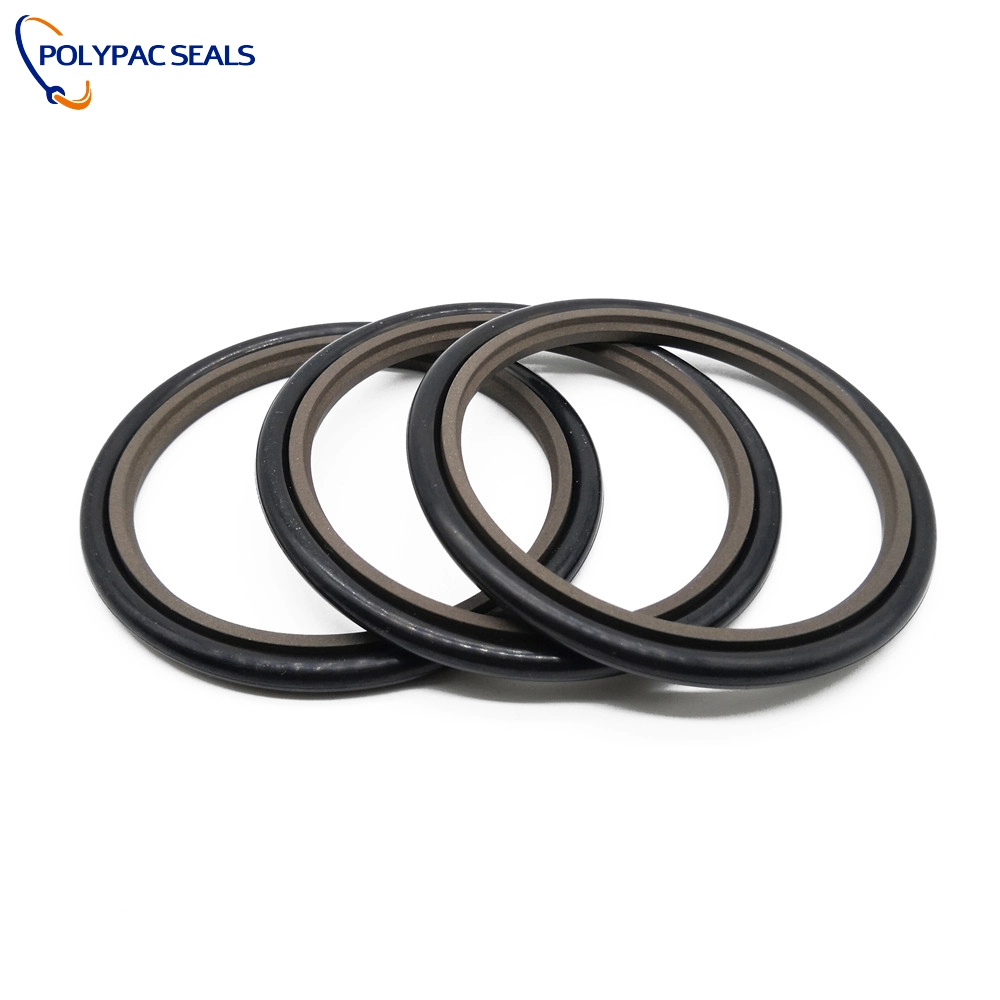
Back-Up Rings: Used in conjunction with O-rings to prevent extrusion in high-pressure applications.
6. How do I ensure O-ring compatibility with the fluids and gases in my system?
To ensure compatibility:
Consult Compatibility Charts: Refer to material compatibility charts provided by manufacturers to match O-ring materials with the specific fluids and gases.
Conduct Testing: Perform tests under actual operating conditions to verify seal performance.
Seek Expert Advice: Consult with sealing solution experts to select the most appropriate material for your application.
In conclusion, selecting the right O-ring rubber seal is crucial for the reliability and longevity of industrial equipment. By carefully considering factors such as material properties, sizing, and operating conditions, you can ensure optimal sealing performance and reduce maintenance costs.
For personalized assistance and to request a quote, please contact us at sales2@dmsseals.com or visit our website at www.polypacseals.com.


Products
When should I use a spring-energized seal instead of a standard elastomeric seal?
Why did my O-ring fail prematurely?
Can I reuse a seal?
What is the purpose of the metal spring in a rotary shaft seal?
How important is surface finish on the metal parts that contact the seal?
Stay Updated with Industry Insights
Subscribe to our articles and receive the latest news, expert guidance, and technical updates directly in your E-mail.
Rest assured that your privacy is important to us, and all information provided will be handled with the utmost confidentiality.

Polypac is a trusted global supplier of high-performance sealing solutions, providing OEM & ODM services for industries worldwide.
E-mail:
Phone/WhatsApp:
© 2025 Polypac Seals. All Rights Reserved.
dms
DMS
DMS