












Are commercial high-pressure O-ring kits compatible with my equipment?
1. How do I determine the correct size for a high-pressure O-ring kit?
Selecting the appropriate size for a high-pressure O-ring kit is crucial for ensuring a proper seal and preventing leaks. To determine the correct size:
Measure the Groove Dimensions: Accurately measure the inner diameter (ID) and cross-sectional diameter (CS) of the groove where the O-ring will be seated. This ensures the O-ring fits snugly without excessive compression or slack.
Consider the Application: High-pressure applications often require O-rings with a hardness of 90 Shore A to resist deformation under load. Standard 70 Shore A O-rings may not suffice in such conditions. ((https://www.polypacseals.com/guides/select-high-pressure-o-ring-kits/))
Account for Material Expansion: Some materials, like NBR (Nitrile), can swell when exposed to certain fluids, affecting the seal's effectiveness. Ensure the material chosen is compatible with the operating environment.
Consult Manufacturer Specifications: Always refer to the equipment manufacturer's guidelines for recommended O-ring sizes and materials to maintain warranty coverage and equipment integrity.
2. What materials are best suited for high-pressure O-ring applications?
The material selection for high-pressure O-rings significantly impacts their performance and longevity. Common materials include:
Nitrile Rubber (NBR): Offers good resistance to oils and fuels, making it suitable for general-purpose applications. However, it has limitations in high-temperature and chemical resistance.
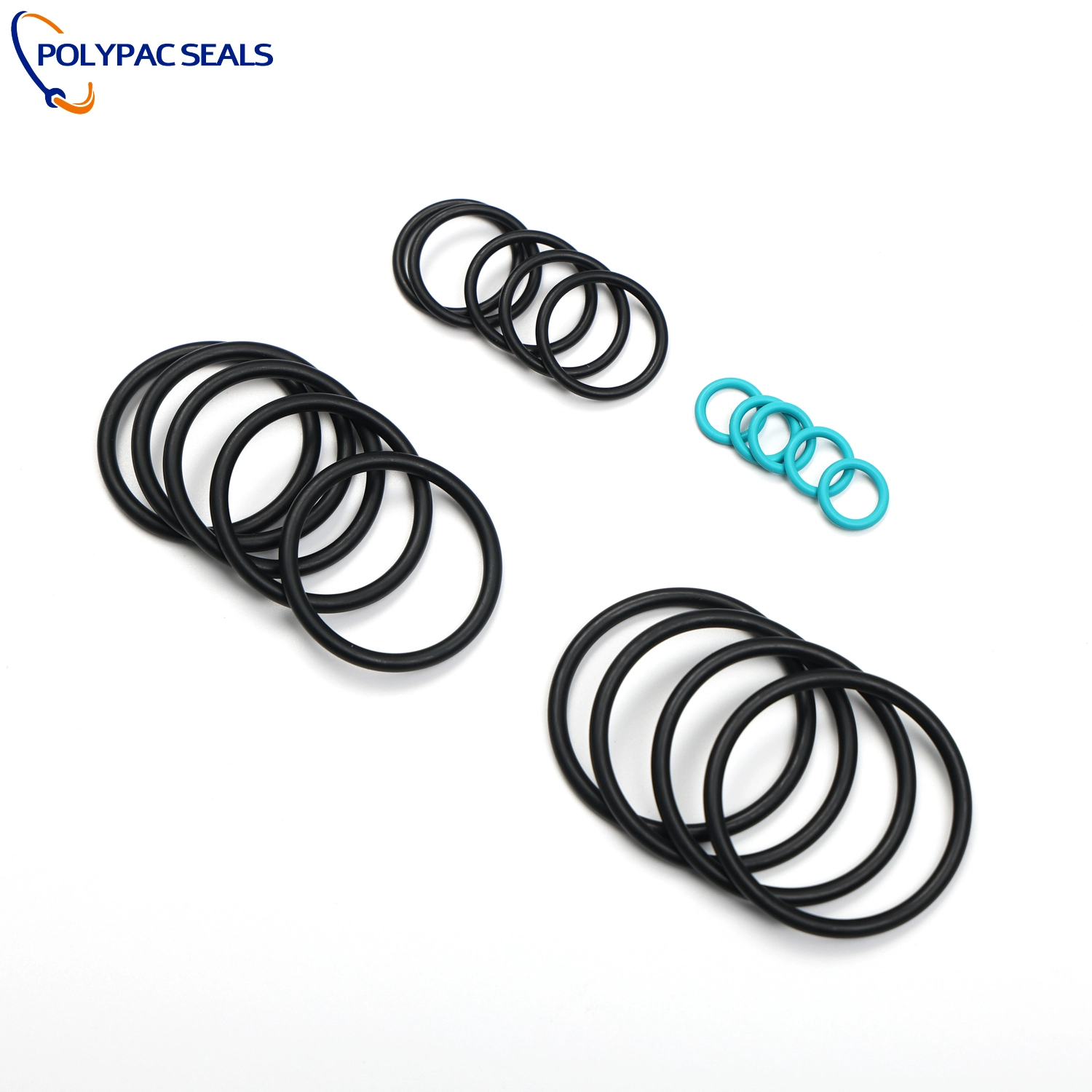
Fluorocarbon (FKM/Viton®): Provides excellent resistance to high temperatures and a wide range of chemicals, making it ideal for harsh environments. ((https://www.polypacseals.com/a-products/fluorocarbon-o-ring-kits-polypac/))
Hydrogenated Nitrile Butadiene Rubber (HNBR): Combines the benefits of NBR and FKM, offering improved resistance to heat, oils, and chemicals.
Perfluoroelastomer (FFKM): Offers superior chemical and temperature resistance, suitable for extreme conditions but at a higher cost.
Selecting the right material depends on the specific application, operating conditions, and compatibility with the media involved.
3. How can I ensure the O-ring kit is compatible with my equipment?
Ensuring compatibility between the O-ring kit and your equipment is vital for optimal performance:
Review Equipment Specifications: Consult the equipment's manual or contact the manufacturer to obtain the recommended O-ring sizes and materials.
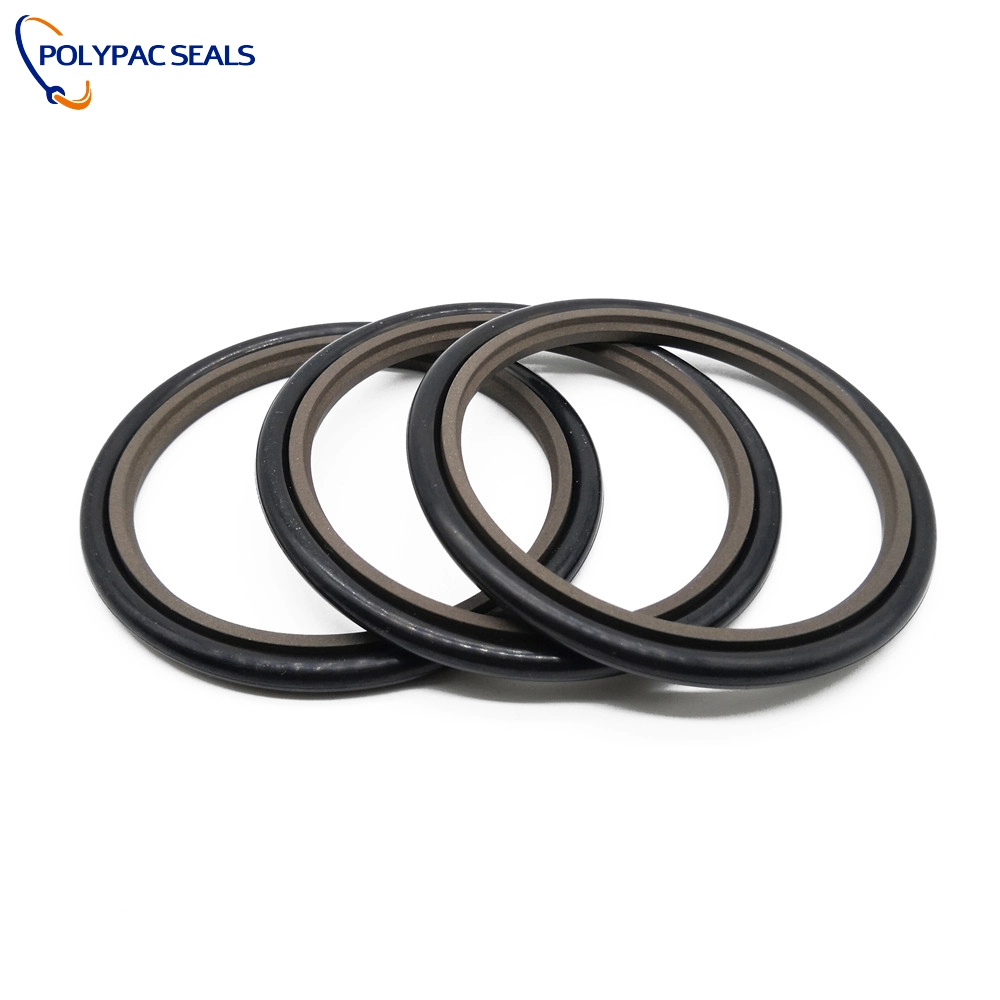
Verify Seal Type and Design: Different equipment may require specific seal types (e.g., Y-rings, composite seals) and designs tailored to their operational needs.
Consider Operating Conditions: Assess factors such as pressure, temperature, and the type of fluid involved to select an O-ring that can withstand these conditions.
Check for Standardization: Ensure the O-ring kit adheres to industry standards (e.g., SAE, ISO) for dimensions and materials to guarantee compatibility.
4. What are the common causes of O-ring failure in high-pressure systems?
Understanding the causes of O-ring failure can help in selecting the right kit and preventing issues:
Extrusion: In high-pressure environments, the O-ring material can be forced into the clearance gap between mating parts, leading to material loss and potential failure. Using backup rings can mitigate this risk. ((https://www.polypacseals.com/guides/select-high-pressure-o-ring-kits/))
Compression Set: Prolonged exposure to high temperatures and pressures can cause the O-ring to lose its elasticity, resulting in leaks. Selecting materials with low compression set properties can help maintain a reliable seal.
Chemical Degradation: Exposure to incompatible chemicals can degrade the O-ring material, compromising its sealing ability. Ensure material compatibility with the operating environment.
Improper Installation: Incorrect installation, such as twisting or pinching the O-ring, can lead to immediate or premature failure. Proper training and adherence to installation guidelines are essential.
5. How do I maintain and extend the lifespan of high-pressure O-rings?
Proper maintenance practices can significantly extend the lifespan of high-pressure O-rings:
Regular Inspection: Periodically check O-rings for signs of wear, swelling, or damage. Early detection allows for timely replacement and prevents system failures.
Proper Storage: Store O-rings in a cool, dry place away from direct sunlight and ozone sources to prevent material degradation. ((https://www.polypacseals.com/guides/select-high-pressure-o-ring-kits/))
Lubrication: Apply appropriate lubricants during installation to reduce friction and prevent damage. Ensure the lubricant is compatible with the O-ring material and operating conditions.
Avoid Overstretching: Do not stretch O-rings beyond their recommended limits during installation, as this can lead to permanent deformation and reduced sealing effectiveness.
6. Are there cost-effective alternatives to high-pressure O-ring kits?
While high-quality O-ring kits are essential for reliable performance, there are cost-effective strategies to consider:
Bulk Purchasing: Buying O-rings in bulk can reduce the per-unit cost, especially for standard sizes used frequently in maintenance.
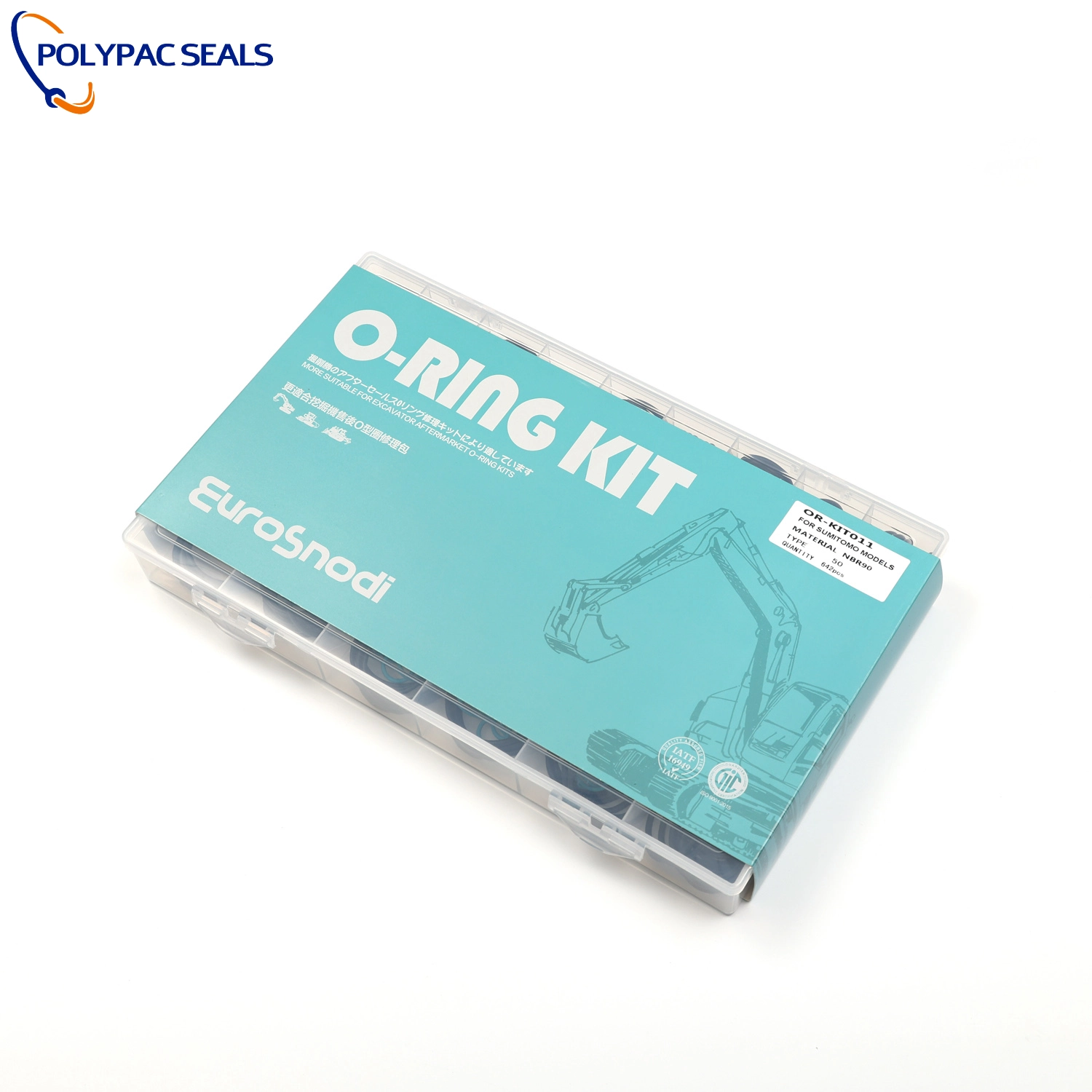
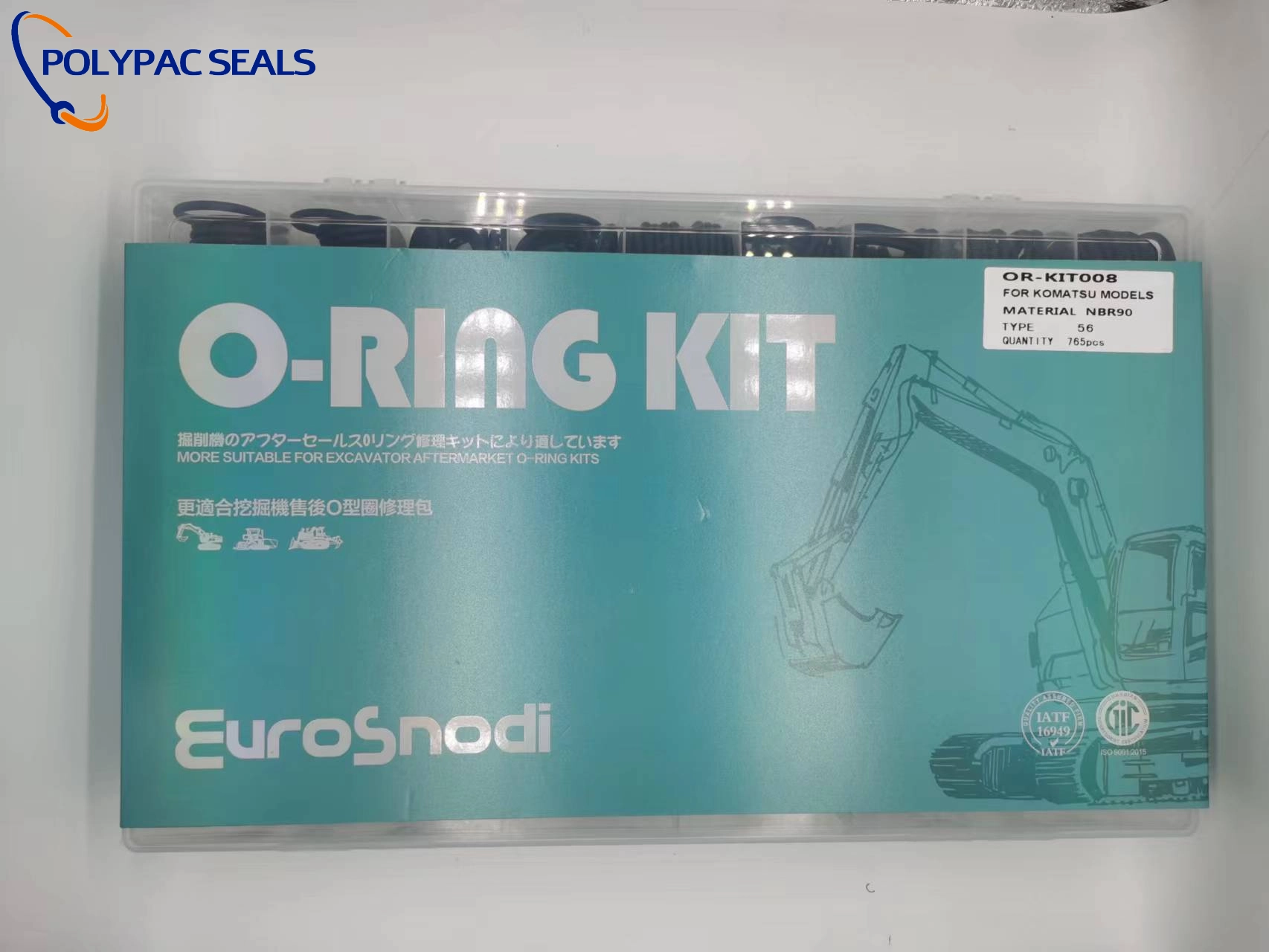
Standardized Kits: Opt for standardized O-ring kits that cover a wide range of sizes and materials, reducing the need for multiple specialized kits.
Preventive Maintenance: Implementing a robust preventive maintenance program can reduce the frequency of O-ring replacements and associated costs.
Supplier Negotiations: Establishing long-term relationships with suppliers may lead to discounts or favorable terms, making high-quality O-rings more affordable.
In conclusion, selecting and maintaining the right high-pressure O-ring kit involves careful consideration of size, material, compatibility, and maintenance practices. By addressing these factors, you can ensure optimal performance and longevity of your equipment.
For a personalized quote or further assistance, please contact us at sales2@dmsseals.com or visit our website at www.polypacseals.com.


Products
What is the difference between a static seal and a dynamic seal?
Why did my O-ring fail prematurely?
How do I choose the right material for my sealing application?
How can I prevent seal damage during installation?
What does "AS568" mean?
Stay Updated with Industry Insights
Subscribe to our articles and receive the latest news, expert guidance, and technical updates directly in your E-mail.
Rest assured that your privacy is important to us, and all information provided will be handled with the utmost confidentiality.

Polypac is a trusted global supplier of high-performance sealing solutions, providing OEM & ODM services for industries worldwide.
E-mail:
Phone/WhatsApp:
© 2025 Polypac Seals. All Rights Reserved.
dms
DMS
DMS