












How to choose the right hydraulic jack seals for heavy loads?
Selecting the appropriate hydraulic jack seals is crucial for ensuring the safe and efficient lifting of heavy loads. In this comprehensive guide, we address six specific questions frequently asked by beginners, providing detailed answers to assist in making informed decisions.
1. What are the key factors to consider when selecting hydraulic jack seals for heavy load applications?
When choosing hydraulic jack seals for heavy loads, it's essential to consider the following factors:
Material Compatibility: Ensure the seal material is compatible with the hydraulic fluid used. For instance, Nitrile (NBR) seals are suitable for petroleum-based oils, while Fluoroelastomer (FKM) seals offer better resistance to high temperatures and chemicals. ((https://www.polypacseals.com/hydraulic-seal-selection-guide/))
Pressure and Temperature Ratings: Select seals that can withstand the maximum operating pressure and temperature of your hydraulic system. Materials like FKM can handle higher temperatures compared to NBR. ((https://www.polypacseals.com/hydraulic-seal-selection-guide/))
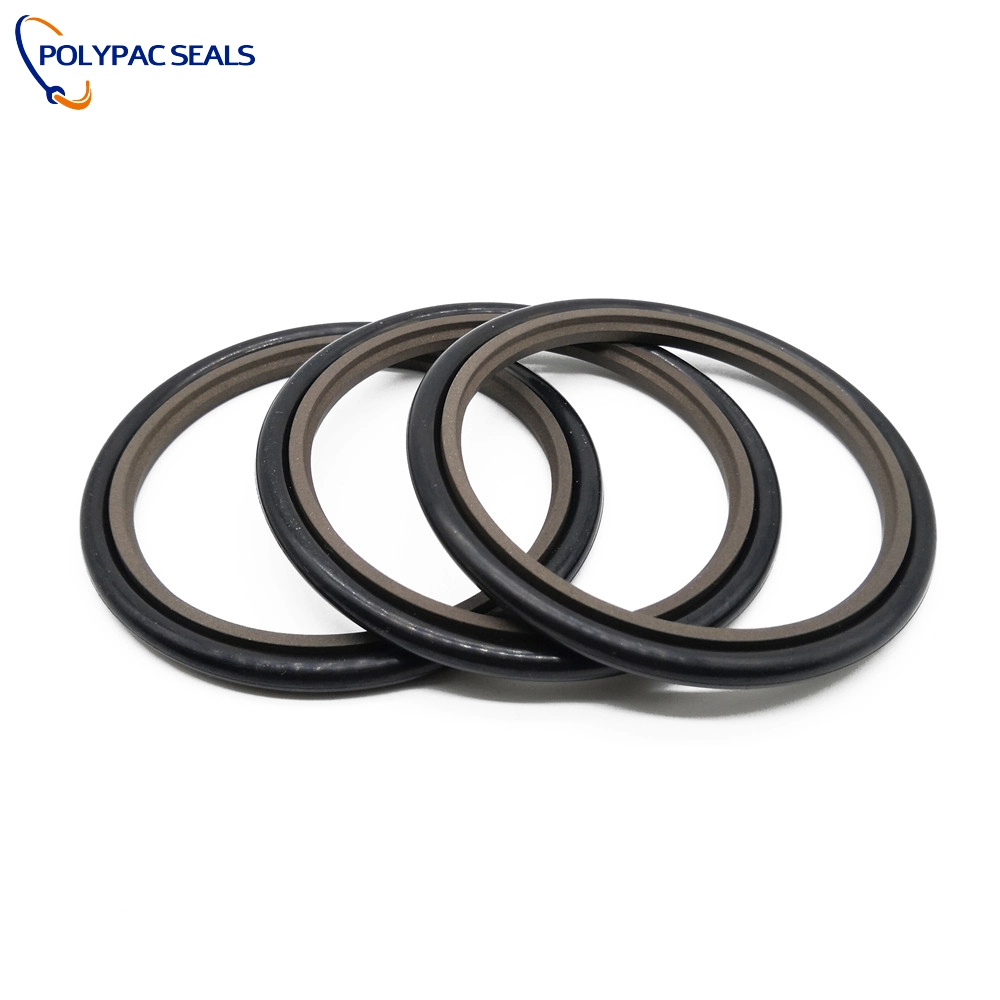
Seal Design: Opt for designs that provide effective sealing under dynamic conditions. U-Cup seals, for example, are commonly used in hydraulic jacks due to their ability to maintain pressure and prevent leaks.
Environmental Conditions: Consider factors such as exposure to contaminants, humidity, and potential for abrasion. Seals with wiper or scraper features can help protect against external contaminants.
2. How do I determine the correct size of hydraulic jack seals for my equipment?
Accurate sizing is vital for effective sealing. To determine the correct size:
Measure Seal Dimensions: Use precise measuring tools to determine the inner and outer diameters, as well as the cross-sectional thickness of the seal groove.
Consult Manufacturer Specifications: Refer to the equipment's manual or contact the manufacturer for recommended seal sizes.
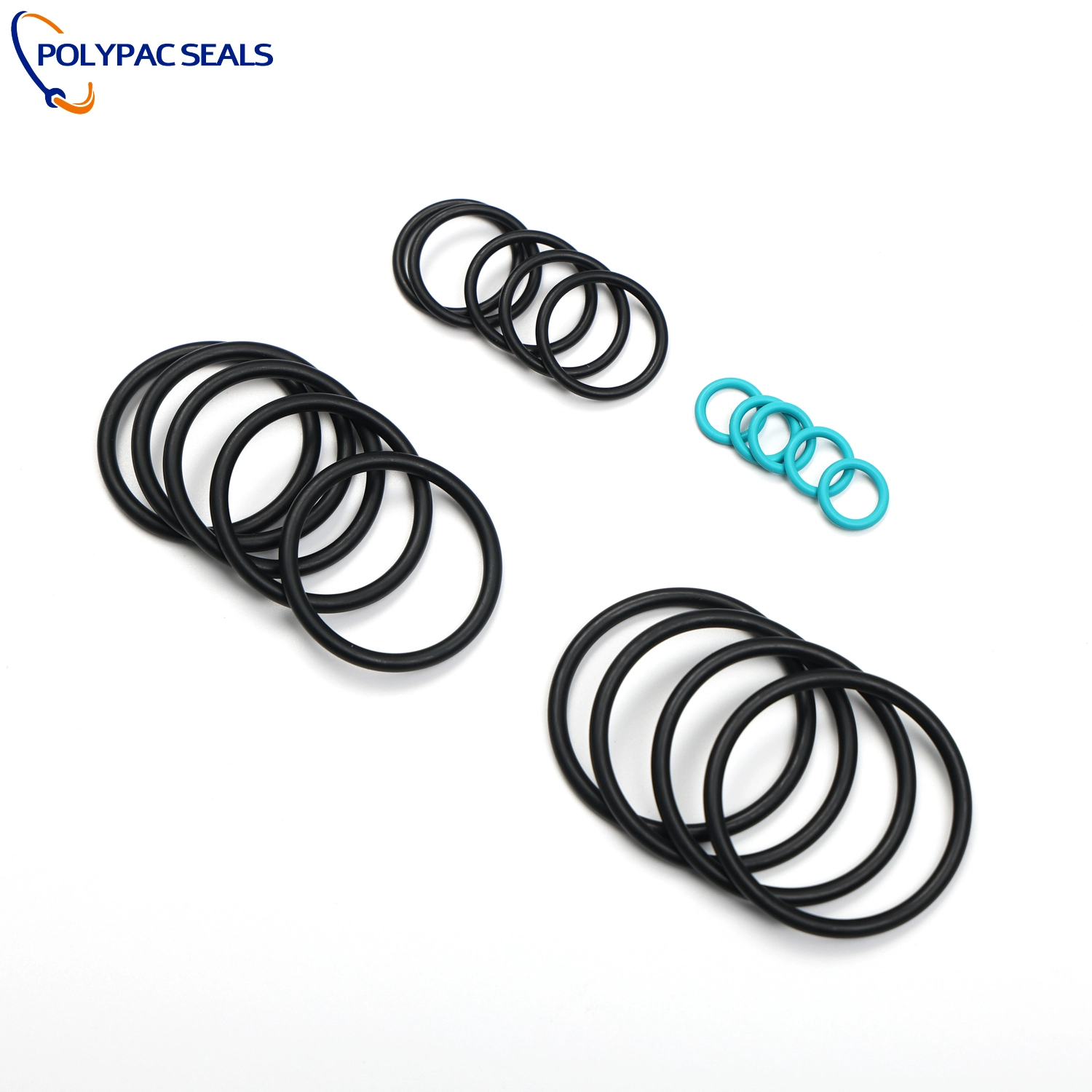
Use Standardized Sizing Systems: Adhere to recognized standards like the AS568 series for O-rings to ensure compatibility. ((https://www.polypacseals.com/hydraulic-seal-selection-guide/))
3. What are the common materials used for hydraulic jack seals, and how do I choose the right one?
Common materials include:
Nitrile (NBR): Offers good resistance to petroleum-based oils and fuels. Suitable for standard hydraulic applications.
Fluoroelastomer (FKM): Provides excellent resistance to high temperatures and chemicals, making it ideal for harsh environments.
Polyurethane (PU): Known for high wear resistance, suitable for dynamic applications.
Choose based on the specific demands of your application, considering factors like fluid type, temperature range, and exposure to chemicals. ((https://www.polypacseals.com/hydraulic-seal-selection-guide/))
4. How can I prevent premature failure of hydraulic jack seals under heavy loads?
To extend seal life:
Proper Installation: Use appropriate tools and lubricants during installation to prevent damage.
Regular Maintenance: Inspect seals periodically for signs of wear or damage and replace them as needed.
Monitor Operating Conditions: Avoid exceeding recommended pressure and temperature limits to reduce stress on seals.
Use Quality Seals: Invest in high-quality seals from reputable manufacturers to ensure durability. ((https://www.polypacseals.com/hydraulic-seal-selection-guide/))
5. What are the signs that hydraulic jack seals need replacement?
Indications include:
Hydraulic Fluid Leaks: Visible leaks around the seal area.
Reduced Lifting Capacity: Difficulty in lifting or holding heavy loads.
Erratic Operation: Unusual noises or inconsistent movement during operation.
Addressing these issues promptly can prevent further damage and ensure safe operation. ((https://www.polypacseals.com/hydraulic-seal-selection-guide/))
6. Are there any maintenance practices to extend the lifespan of hydraulic jack seals?
Yes, effective practices include:
Regular Inspections: Check seals for signs of wear, damage, or contamination.
Cleanliness: Keep the hydraulic system clean to prevent abrasive particles from damaging seals.
Appropriate Fluid Levels: Maintain correct hydraulic fluid levels to ensure proper seal function.
Environmental Protection: Use wiper seals to protect against external contaminants.
By addressing these considerations, you can enhance the performance and longevity of your hydraulic jack seals, ensuring safe and efficient lifting of heavy loads.
For personalized assistance or to request a quote, please contact us at sales2@dmsseals.com or visit our website at www.polypacseals.com.


Products
How do I choose the right material for my sealing application?
How important is surface finish on the metal parts that contact the seal?
What is the difference between NBR and FKM materials?
Can I reuse a seal?
How can I prevent seal damage during installation?
Stay Updated with Industry Insights
Subscribe to our articles and receive the latest news, expert guidance, and technical updates directly in your E-mail.
Rest assured that your privacy is important to us, and all information provided will be handled with the utmost confidentiality.
Polypac is a trusted global supplier of high-performance sealing solutions, providing OEM & ODM services for industries worldwide.
E-mail:
sales2@dmsseals.com
Phone/WhatsApp:
© 2025 Polypac Seals. All Rights Reserved.
dms
DMS
DMS