











What quality tests should hydraulic O-ring kits pass?
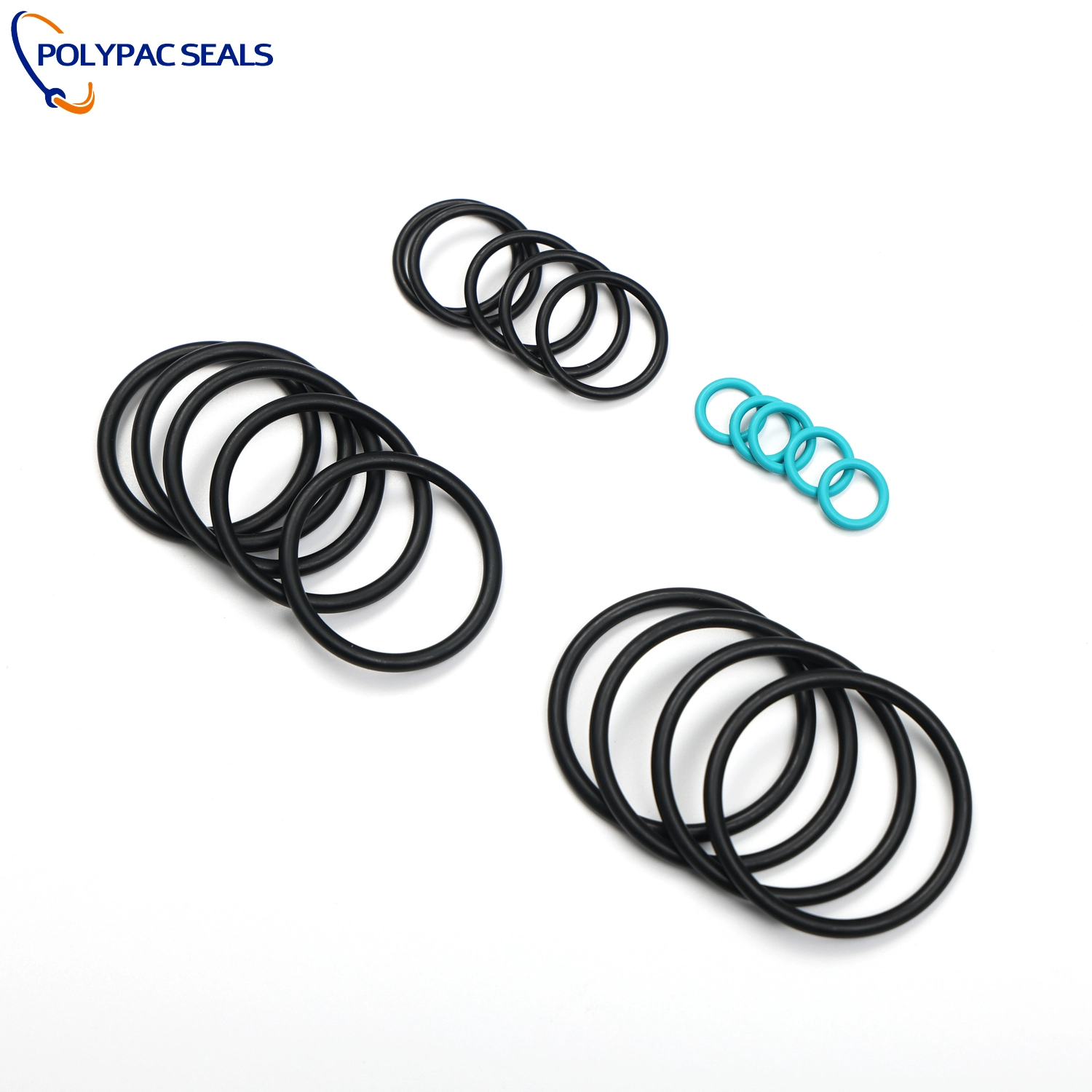
Hydraulic O-ring kits are vital components in ensuring the efficiency and longevity of hydraulic systems. For those new to this field, understanding the intricacies of these kits is essential. Below are six specific questions frequently asked by beginners, along with in-depth answers to guide your purchasing decisions.
1. What are the key factors to consider when selecting a hydraulic O-ring kit?
When choosing a hydraulic O-ring kit, consider the following factors:
Material Compatibility: Select materials that are compatible with the fluids and temperatures in your system. For instance, NBR (Nitrile) is suitable for mineral oils, while FKM (Viton) offers better resistance to high temperatures and aggressive chemicals.
Size Standards: Ensure the kit includes O-rings that match the size standards of your equipment. Common standards include AS568 for imperial sizes and ISO 3601 for metric sizes. ((https://www.polypacseals.com/article/hydraulic-o-ring-kit-specs-standards/))
Hardness (Shore A): The hardness affects the O-ring's ability to seal under pressure. A typical hardness for hydraulic O-rings is 70 ±5 Shore A, but this may vary based on application-specific requirements. ((https://www.polypacseals.com/article/hydraulic-o-ring-kit-specs-standards/))
Quality Assurance: Opt for kits from reputable manufacturers that provide certifications and adhere to industry standards, ensuring reliability and performance. ((https://www.polypacseals.com/article/quality-standards-testing-hydraulic-o-ring-kit/))
2. How do I determine the correct size of O-rings for my hydraulic system?
To determine the correct O-ring size:
Measure the Groove Dimensions: Accurately measure the groove's inner diameter and width where the O-ring will be seated.
Refer to Size Standards: Use standards like AS568 or ISO 3601 to match your measurements to the closest standard size. ((https://www.polypacseals.com/article/hydraulic-o-ring-kit-size-chart-measurement-tips/))
Consider the Application: Account for factors such as pressure, temperature, and the type of fluid to ensure the selected O-ring will perform effectively.
3. What are the common materials used in hydraulic O-ring kits, and how do I choose the right one?
Common materials include:
NBR (Nitrile): Ideal for general hydraulic oils and many lubricants, with a temperature range of -40°C to 120°C.
FKM (Viton): Offers better heat and chemical resistance, suitable for higher temperature oils, fuels, and some chemicals.
EPDM: Strong for water, steam, and outdoor resistance but not for petroleum oils.
Choose based on:
Fluid Compatibility: Ensure the material is compatible with the hydraulic fluid used.
Temperature Range: Select a material that can withstand the operating temperatures of your system.
Chemical Exposure: Consider any chemicals the O-ring may come into contact with.
4. What quality tests should hydraulic O-ring kits pass?
Hydraulic O-ring kits should undergo several quality tests:
Material Verification: Confirm the material composition using methods like Fourier Transform Infrared Spectroscopy (FTIR).
Hardness Testing: Measure hardness using a durometer to ensure it meets specified standards.
Tensile Strength and Elongation: Assess the O-ring's ability to withstand stretching and pulling forces.
Compression Set Testing: Evaluate the O-ring's ability to return to its original shape after being compressed.
Leak Integrity Testing: Perform hydrostatic or pneumatic pressure tests to ensure the O-ring can maintain a seal under pressure.
5. How can I ensure the longevity and reliability of hydraulic O-rings?
To enhance O-ring longevity:
Proper Installation: Follow manufacturer guidelines to prevent damage during installation.
Regular Maintenance: Inspect O-rings periodically for signs of wear, swelling, or degradation.
Environmental Control: Store O-rings in cool, dry conditions away from ozone sources like motors or UV light.
Use Quality Kits: Invest in high-quality O-ring kits from reputable suppliers to ensure material integrity and performance.
6. What are the advantages of purchasing OEM versus aftermarket hydraulic O-ring kits?
OEM Kits: Typically offer guaranteed fitment, adherence to original equipment specifications, and may preserve equipment warranties.
Aftermarket Kits: Often more cost-effective but may vary in quality and compatibility. It's crucial to verify material certifications and quality standards.
In conclusion, selecting the right hydraulic O-ring kit involves careful consideration of material compatibility, sizing standards, hardness, and quality assurance practices. By addressing these factors, you can ensure optimal performance and longevity of your hydraulic systems.
For personalized assistance and to request a quote, please contact us at sales2@dmsseals.com or visit our website at www.polypacseals.com.
((https://www.polypacseals.com/article/quality-standards-testing-hydraulic-o-ring-kit/))


Products
What is the difference between NBR and FKM materials?
When should I use a spring-energized seal instead of a standard elastomeric seal?
What is the purpose of the metal spring in a rotary shaft seal?
What is the difference between a static seal and a dynamic seal?
Why did my O-ring fail prematurely?
Stay Updated with Industry Insights
Subscribe to our articles and receive the latest news, expert guidance, and technical updates directly in your E-mail.
Rest assured that your privacy is important to us, and all information provided will be handled with the utmost confidentiality.
Polypac is a trusted global supplier of high-performance sealing solutions, providing OEM & ODM services for industries worldwide.
E-mail:
Phone/WhatsApp:
© 2025 Polypac Seals. All Rights Reserved.
dms
DMS
DMS